Which Aluminium Alloys Are Best for Die Casting Parts?
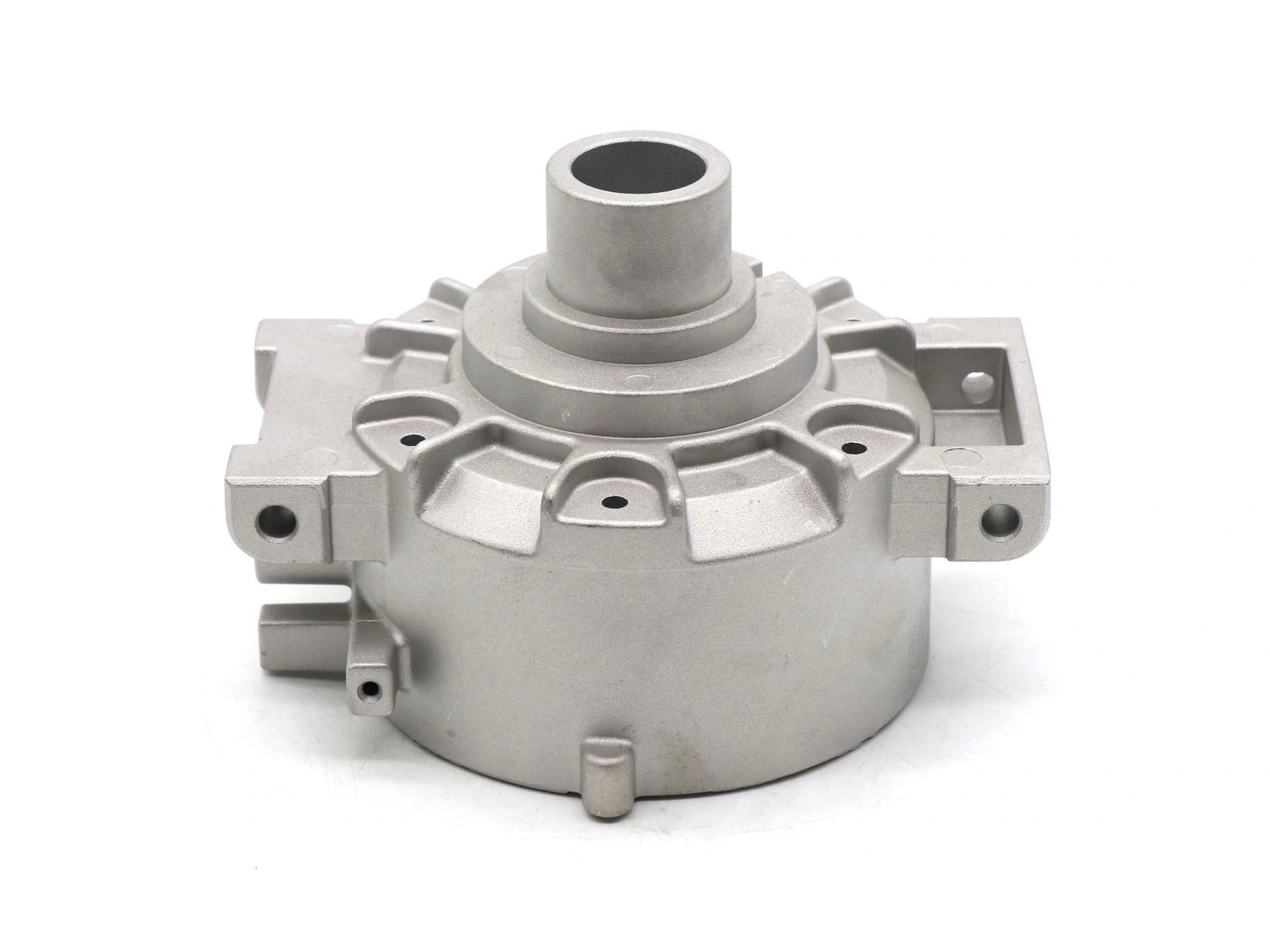
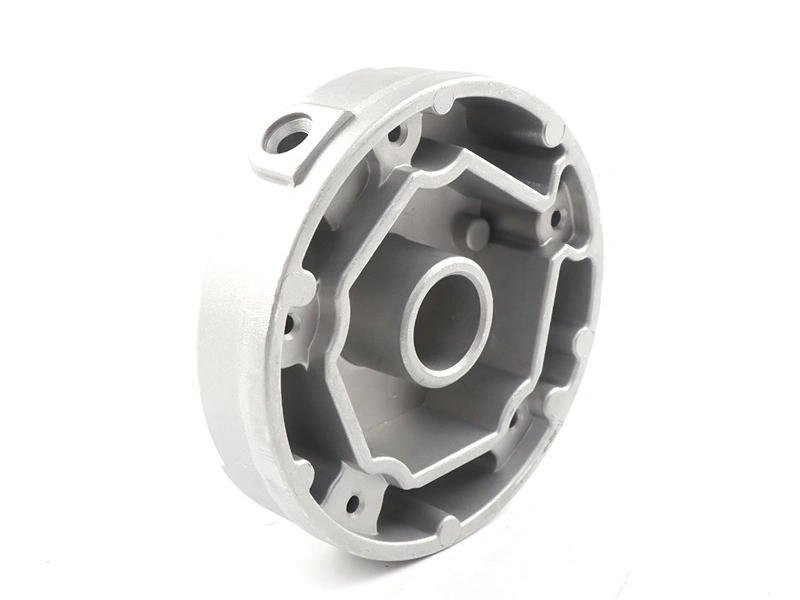
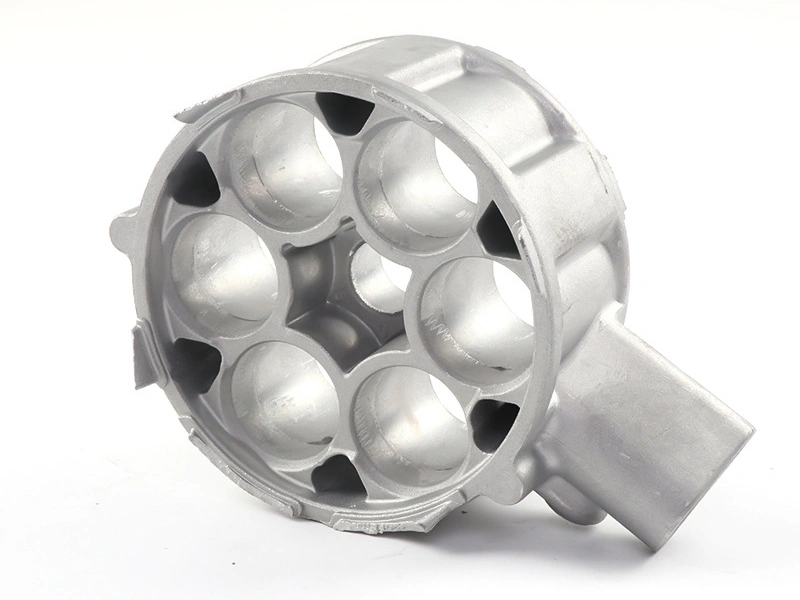
No aluminium alloy is best for every die-cast part. For conventional high-pressure die casting, A380, A360, A413 and A383/ADC12 are common candidates, but selection depends on the controlling material specification, geometry, mechanical and thermal requirements, corrosion exposure, machining, finish and supply route. A356 should not be casually placed in the same HPDC shortlist because it is commonly associated with gravity or low-pressure casting and heat-treated structural applications.
Select the casting route before ranking grades
"Die casting" can refer broadly to permanent-die processes with different filling and solidification behavior. Conventional HPDC favors alloys and tempers suited to rapid injection and as-cast production. Gravity and low-pressure routes can support different section, heat-treatment and property strategies. A material name without the casting process and final condition is incomplete.
If the drawing names A356 while the commercial plan assumes HPDC, stop and resolve the requirement. The product may need A356 through another casting route, or it may need a different HPDC alloy supported by new validation. Changing the alloy designation without the design authority's approval risks nonconforming material and properties.
Alloy direction | Why it enters the shortlist | What must be verified |
|---|---|---|
A380 | Common general-purpose North American HPDC reference for housings and brackets | Controlling chemistry, loads, corrosion, machining and finish response |
A360 | Considered where its corrosion and pressure-tightness characteristics are relevant | Actual environment, mechanical needs, castability and supplier process |
A413 | Considered for fluidity-sensitive or pressure-containing geometry | Strength, ductility, machining, sealing tests and design-specific fill |
A383 or ADC12 | Established commercial HPDC directions with good manufacturability | They are not automatically equivalent; compare named standards and chemistry |
A356 | Often used for structural gravity/low-pressure casting and heat-treated conditions | Casting route, temper, property test, distortion and production economics |
Do not approve equivalence from a name
Regional and commercial designations can overlap in broad intent while differing in chemistry limits, impurity controls or typical supply practice. A383, ADC12 and other grades should be compared against the exact standards cited on the purchase drawing. The design authority should review chemistry, cast condition, required properties, finish and regulatory constraints before approving a substitution.
Mechanical values in supplier tables may use different specimens, casting methods or heat treatments. They do not necessarily represent a thin wall, rib intersection or machined region in the product. Use material certificates to verify supplied chemistry where required, then validate product performance with the agreed test method and representative process. The aluminium alloy comparison for buyers is a starting framework, not a substitution approval.
Connect alloy choice to the finished part
Strength and elongation matter only in relation to load path, wall geometry, temperature and acceptance method. Corrosion resistance depends on the actual environment, galvanic contacts, finish and drainage. Thermal conductivity should be evaluated with interface flatness, wall/fins and airflow, not treated as an isolated alloy ranking. Pressure containment needs geometry, porosity control, machining and leak validation together.
Machinability affects tool life, burrs, surface integrity and the chance of exposing subsurface porosity. Finish response also varies. Silicon- and copper-containing die-cast alloys can anodize with color or texture unlike wrought aluminium. Painting or powder coating depends on cleaning, pretreatment and surface condition. Validate the chosen finish on the exact alloy and casting route before cosmetic approval.
Ask for evidence, not a universal best grade
Send the supplier the operating temperature, load and impact conditions, corrosion exposure, target mass, critical surfaces, machining, finish, regulatory constraints and demand. Ask which standard and designation will appear on material records, whether recycled-content or impurity limits apply, and which tests support the recommendation.
For A380, review the applicable A380 process and material scope; for A360, review the corresponding A360 scope. These pages do not replace the project drawing. They help identify questions that must be closed in the RFQ and validation plan.
Lock the production material and batch controls
The approved alloy needs a purchasing description that survives beyond sampling. Record the standard, designation, allowed substitution process, chemistry evidence and any special impurity or recycled-content limits required by the application. Define how melt or lot identity connects to shipped parts when traceability matters. A verbal statement that the alloy is "similar" is not a controlled production release.
Material control continues through melting and handling. Charge composition, returns, contamination, melt treatment and holding practice can affect chemistry and casting behavior. Buyers do not need to prescribe a foundry's every operating parameter, but they should require a qualified control plan and reaction to out-of-specification results. Changes to source or alloy route should be reviewed for the characteristics they can influence.
Validate properties with specimens and locations appropriate to the requirement. A separately cast coupon may support chemistry or process monitoring but may not represent a thin product wall. Product cut sections or application tests can provide different evidence. The drawing or validation plan should state which method governs rather than combining incomparable numbers.
Buyer decision
Choose an aluminium alloy only after choosing the casting route and defining finished-part needs. A380, A360, A413 and A383/ADC12 can be evaluated for conventional HPDC under their controlling standards. Treat A356 as a route-specific structural casting option unless a qualified process proves otherwise. Approve any equivalence through chemistry, condition, process and application evidence, not similar names or generic property tables.