English

Which Aluminum Alloys Are Used in High Pressure Die Casting?

Table of Contents
Which Aluminum Alloys Are Used in High Pressure Die Casting?
1. Quick Comparison of Aluminum Alloys for High Pressure Die Casting
2. When Buyers Should Choose A380 Aluminum Die Casting
3. When Buyers Should Choose A383 or ADC12 Aluminum Die Casting
4. When Buyers Should Choose A413 Aluminum Die Casting
5. When Buyers Should Choose A360 Aluminum Die Casting
6. When Buyers Should Consider A356 Aluminum Die Casting
7. How Buyers Should Choose the Right High Pressure Aluminum Die Casting Alloy
8. What Buyers Should Provide for Alloy Recommendation
9. Summary

Which Aluminum Alloys Are Used in High Pressure Die Casting?

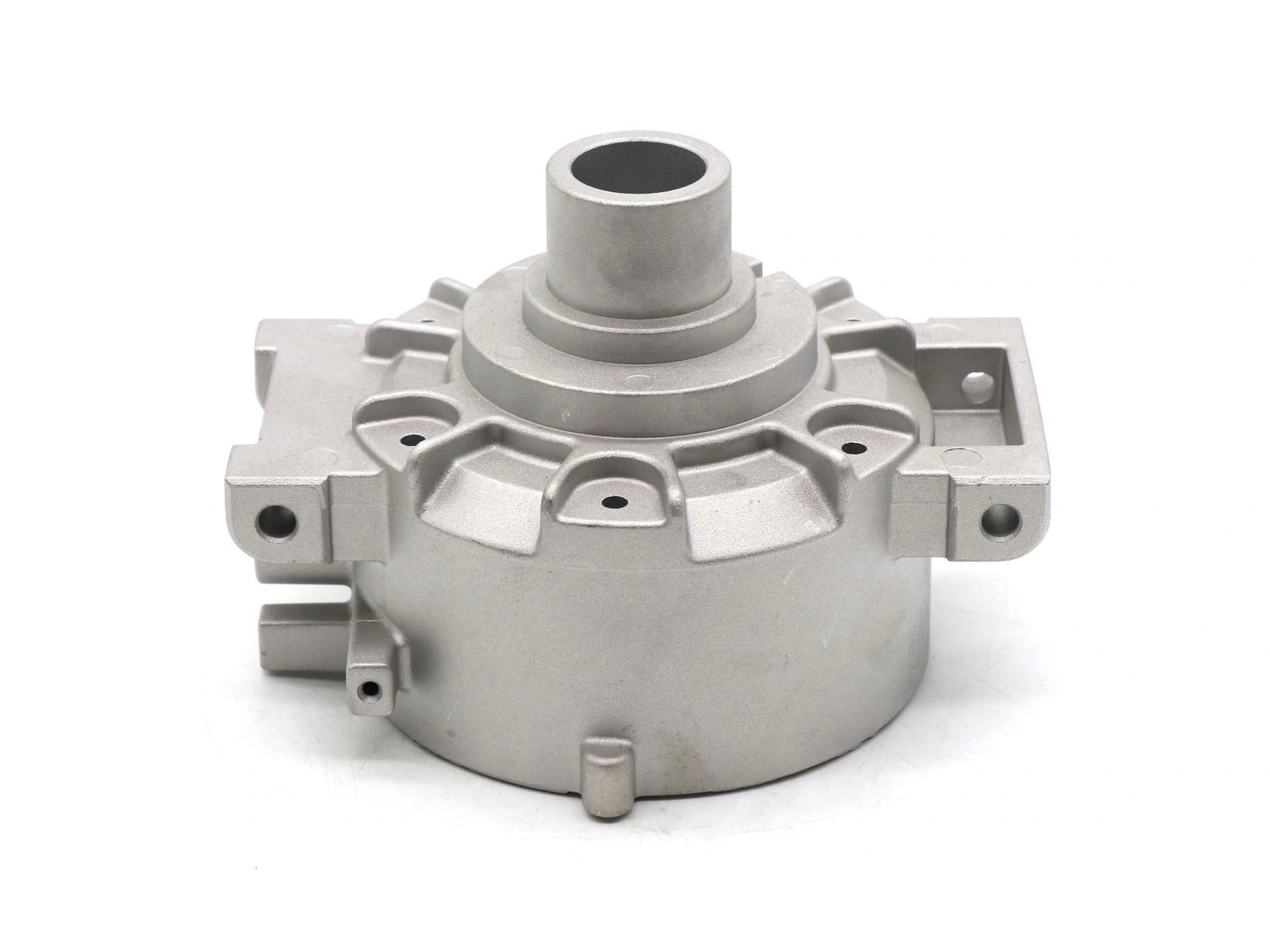
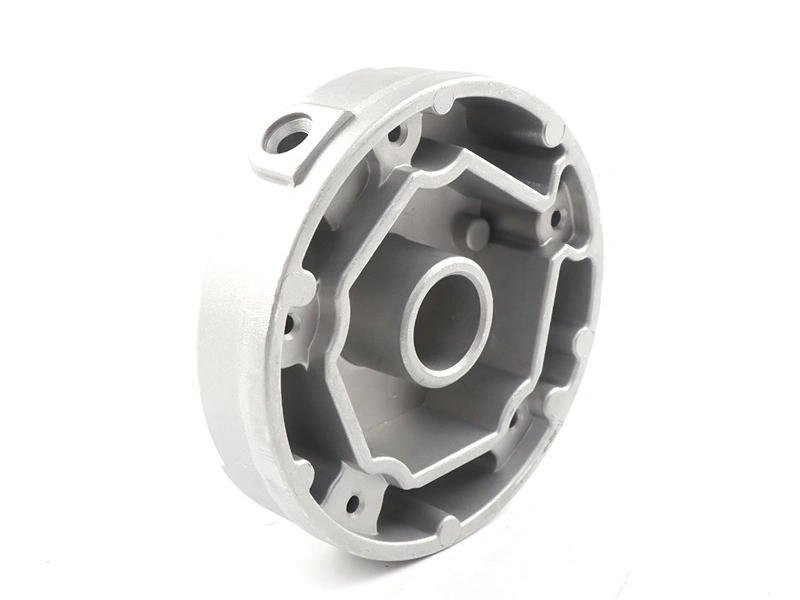
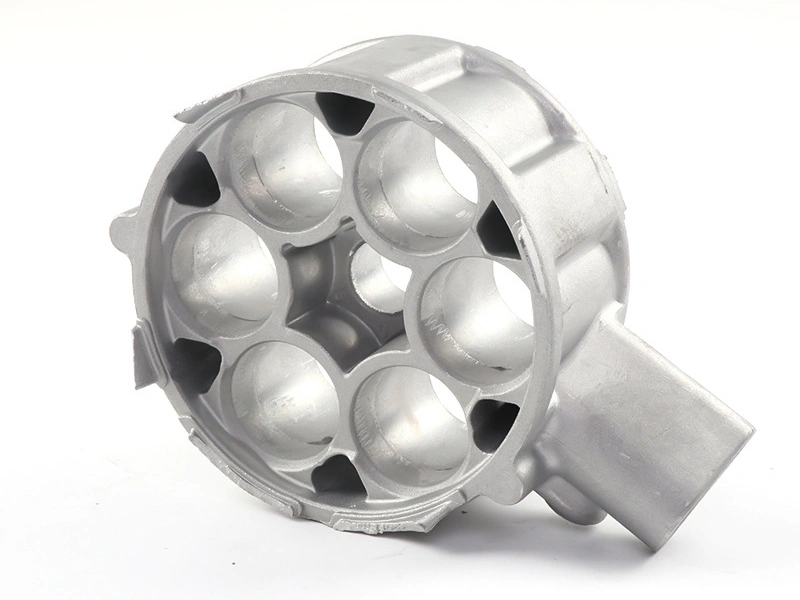
Common aluminum alloys used in high pressure aluminum die casting include A380, A383, ADC12, A413, A360, and A356. Each alloy has different advantages for castability, strength, toughness, corrosion resistance, thermal performance, surface finishing, CNC post machining, and cost control. The best alloy depends on the part function, working environment, production volume, tolerance requirements, and final surface treatment.

For buyers, aluminum alloy selection should not be based only on material price. A suitable alloy should match the part’s load, temperature, weight target, corrosion exposure, surface finish, machining needs, and mass production plan. During quotation, buyers should provide the use environment, mechanical load, operating temperature, surface treatment requirement, expected annual volume, and production target so the supplier can recommend the right high pressure aluminum die casting alloy.

1. Quick Comparison of Aluminum Alloys for High Pressure Die Casting

Aluminum Alloy

Best-Fit Use

Main Advantage

Buyer Decision Point

A380 aluminum die casting

General structural parts, housings, covers, brackets, and industrial components

Good balance of castability, strength, dimensional stability, and cost

Suitable when buyers need a practical alloy for common aluminum die cast parts

ADC12 aluminum die casting

Common high pressure die casting projects and cost-sensitive production parts

Good production efficiency, castability, and commercial cost control

Suitable for stable batch production where cost and manufacturability matter

A413 aluminum die casting

Complex thin-wall structures and parts requiring good metal flow

Good fluidity for detailed geometry and thin sections

Useful when filling performance and complex shape are important

A360 aluminum die casting

Corrosion-resistant and structural aluminum parts

Better corrosion resistance direction and useful structural performance

Suitable when the part faces moisture, outdoor use, or durability requirements

A356 aluminum die casting

Projects requiring higher strength, toughness, or performance validation

Useful for stronger structural or performance-focused aluminum parts

Consider when load, toughness, or mechanical performance is more important

2. When Buyers Should Choose A380 Aluminum Die Casting

A380 is one of the most commonly used aluminum die casting alloys for general high pressure die casting projects. It is often selected for housings, covers, brackets, industrial parts, automotive components, electronic enclosures, lighting parts, and mechanical components that need a balanced combination of castability, strength, dimensional stability, and cost.

Buyers should consider A380 when the part does not require a highly specialized alloy but still needs reliable production quality. It is often a practical starting point for custom aluminum die cast parts moving from prototype validation to stable production.

Choose A380 When...

Why It Fits

Typical Parts

The part is a general structural component

A380 provides a useful balance of strength, castability, and cost

Brackets, covers, frames, support parts

The project needs stable production

It is widely used in repeatable high pressure aluminum die casting projects

Industrial housings, equipment covers, machine components

The buyer wants balanced cost and performance

A380 is practical when no extreme material requirement exists

Commercial aluminum die cast parts

CNC post machining is required

Holes, threads, datums, and sealing faces can be machined after casting

Assembly housings, mounting parts, precision interfaces

3. When Buyers Should Choose A383 or ADC12 Aluminum Die Casting

A383 and ADC12 are commonly used for high pressure die casting projects where buyers need practical castability, production efficiency, and cost control. These alloys are often considered for commercial aluminum die cast parts, consumer product components, housings, brackets, covers, and other cost-sensitive production applications.

ADC12 can be a good option when the buyer needs stable production and a practical balance between manufacturability and cost. However, the final choice should still consider part strength, post-machining, surface finishing, corrosion exposure, and inspection requirements.

Choose A383 or ADC12 When...

Why It Fits

Buyer Should Confirm

The project is cost-sensitive

ADC12 is commonly used for commercial production parts

Cost target, production volume, and quality requirements

The part needs good high pressure die casting manufacturability

It supports many common die casting structures

Wall thickness, ribs, bosses, gates, and venting

The order quantity is stable

Stable demand helps spread tooling cost across production batches

Annual volume and mass production plan

The part needs secondary machining or finishing

Post machining and surface finishing should be planned early

Machined areas, coating, masking, and inspection points

4. When Buyers Should Choose A413 Aluminum Die Casting

A413 is often used when the part has complex thin-wall structures or requires good metal flow during casting. High pressure die casting depends heavily on how molten aluminum fills the mold cavity. For parts with thin sections, detailed features, narrow flow paths, or complex housings, alloy fluidity can strongly affect production quality.

Buyers should consider A413 when filling performance is a major concern. It may be useful for complex housings, thin-wall covers, detailed aluminum parts, and components where incomplete filling, cold shuts, or local thin sections are important risks.

Choose A413 When...

Why It Fits

Typical Design Concern

The part has thin-wall geometry

A413 supports good flowability in suitable die casting designs

Wall thickness, flow path, gate location, and venting

The part has complex details

Good filling behavior can help with detailed mold features

Fine ribs, compact features, and complex cavities

The project needs reliable mold filling

Better fluidity can reduce filling-related defects in suitable designs

Cold shuts, incomplete filling, and local thin areas

The design is difficult to cast

Alloy selection can improve manufacturability when combined with DFM review

Parting line, runner system, cooling, and venting strategy

5. When Buyers Should Choose A360 Aluminum Die Casting

A360 is often considered when corrosion resistance and structural performance are important. It may be suitable for aluminum parts exposed to moisture, outdoor environments, changing temperatures, or applications where durability matters. Buyers should evaluate A360 together with surface treatment, coating, sealing, and final working conditions.

A360 may be useful for outdoor housings, lighting parts, marine-related components, durable covers, equipment parts, and custom aluminum components that require both structure and environmental resistance.

Choose A360 When...

Why It Fits

Buyer Should Confirm

The part needs corrosion resistance

A360 can be considered for durability-focused aluminum castings

Humidity, outdoor exposure, chemical contact, and service life

The product is used outdoors

Environmental exposure may require a stronger corrosion strategy

Surface finishing, coating, sealing, and inspection standard

The part has structural requirements

Material selection should support load and application function

Load, vibration, wall thickness, and rib design

The surface finish is important

Alloy and finishing process should be reviewed together

Powder coating, painting, anodizing direction, and masking areas

6. When Buyers Should Consider A356 Aluminum Die Casting

A356 is often considered for aluminum parts that require higher strength, toughness, or mechanical performance. It may be useful when the part must carry load, support structural function, resist vibration, or meet more demanding performance requirements than a basic commercial casting.

Buyers should consider A356 when performance validation is important. The supplier should review the application environment, expected load, heat exposure, machining requirements, inspection standard, and production process before recommending this alloy.

Choose A356 When...

Why It Fits

Buyer Should Confirm

The part needs higher strength

A356 can be suitable for performance-focused aluminum parts

Load, safety requirement, and working condition

The part needs better toughness

It may fit applications where mechanical reliability matters

Impact, vibration, assembly force, and product life

The project needs performance validation

The alloy should represent final product conditions

Prototype testing, inspection plan, and batch consistency

The part has critical machined areas

Machining and material behavior should be reviewed together

Holes, threads, datums, sealing faces, and surface roughness

7. How Buyers Should Choose the Right High Pressure Aluminum Die Casting Alloy

Choosing the right high pressure aluminum die casting alloy requires balancing performance and cost. A low-cost alloy may not meet the part’s strength, corrosion, or finishing requirements. A higher-performance alloy may be unnecessary if the part only needs general structural function. The best alloy is the one that meets the real application requirements without over-specification.

Selection Factor

Why It Matters

How It Guides Alloy Choice

Strength requirement

Load-bearing parts need reliable mechanical performance

Consider A356 or other performance-focused options when strength is critical

Weight target

Part weight affects product handling, assembly, and efficiency

Optimize alloy and wall structure together

Thermal performance

Heat sinks, lighting parts, and electronic housings may need thermal control

Review heat source, wall thickness, fins, and surface finish

Corrosion resistance

Outdoor, marine, humid, or chemical environments can affect service life

Consider A360 direction and proper surface treatment where needed

Surface finishing

Painting, powder coating, anodizing, blasting, or polishing may perform differently by alloy

Confirm visible surfaces, coating thickness, masking, and cosmetic requirements

Cost target

The most expensive alloy is not always necessary

Select an alloy that meets function without unnecessary over-specification

8. What Buyers Should Provide for Alloy Recommendation

To recommend the right aluminum die casting alloy, the supplier needs to understand the product’s real working conditions. Buyers should provide the use environment, load requirement, operating temperature, corrosion exposure, surface treatment, post-machining needs, expected annual volume, and production target.

Buyer Information

Why It Matters

How It Helps Alloy Selection

Use environment

Outdoor, humid, hot, chemical, or mechanical environments affect alloy choice

Helps evaluate corrosion resistance, strength, and surface protection

Load requirement

Structural parts need suitable strength and toughness

Helps decide whether a general alloy or stronger alloy is needed

Temperature condition

Thermal exposure affects performance, finishing, and part stability

Helps evaluate heat behavior and production reliability

Surface treatment

Finish requirements may affect alloy choice and process planning

Helps avoid coating, anodizing, polishing, or cosmetic mismatch

Expected production volume

Volume affects tooling investment, alloy economics, and long-term unit cost

Helps balance material performance and production cost

9. Summary

Aluminum Alloy

Best Use Direction in High Pressure Die Casting

A380

General structural parts, housings, covers, brackets, industrial components, and balanced production applications

A383 and ADC12

Common high pressure die casting projects, commercial parts, and cost-sensitive production applications

A413

Complex thin-wall structures, detailed features, and parts requiring good casting fluidity

A360

Corrosion-resistant and structural aluminum parts used in demanding or outdoor environments

A356

Parts requiring higher strength, toughness, or performance-focused material validation

In summary, common aluminum alloys used in high pressure die casting include A380, A383, ADC12, A413, A360, and A356. A380 is suitable for general structural parts and housings. A383 and ADC12 are practical for common high pressure die casting and cost-sensitive projects. A413 is useful for thin-wall and complex structures that need good flowability. A360 can be considered for corrosion-resistant and structural applications. A356 may fit projects requiring higher strength, toughness, or performance validation. Buyers should provide the use environment, load, temperature, surface treatment, post-machining needs, and expected production quantity so the supplier can recommend the most suitable aluminum die casting alloy.

Copyright © 2026 Diecast Precision Works Ltd.All Rights Reserved.