Which Aluminum Die Cast Parts Are Best for Lightweight Products?
Which Aluminum Die Cast Parts Are Best for Lightweight Products?
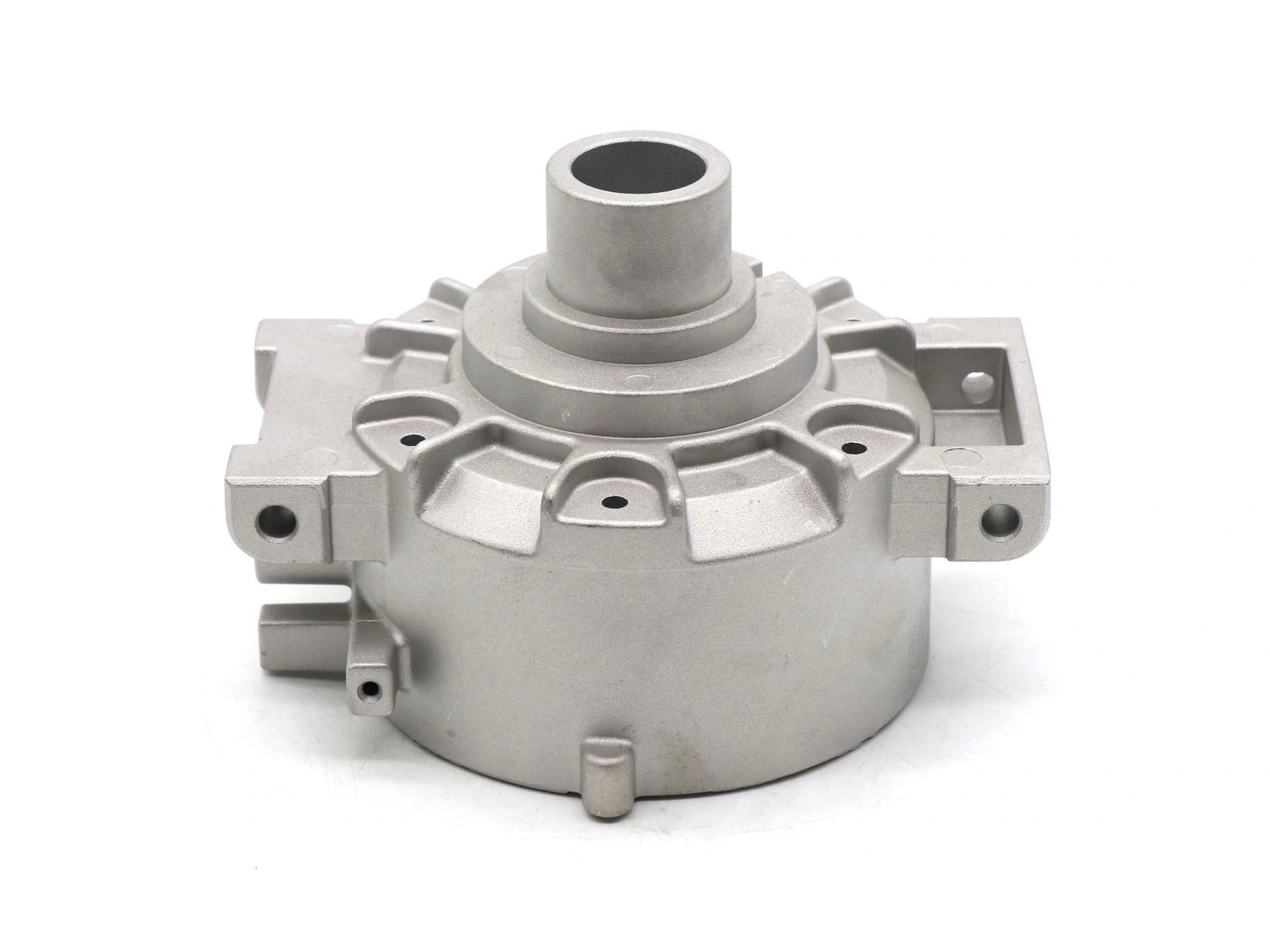
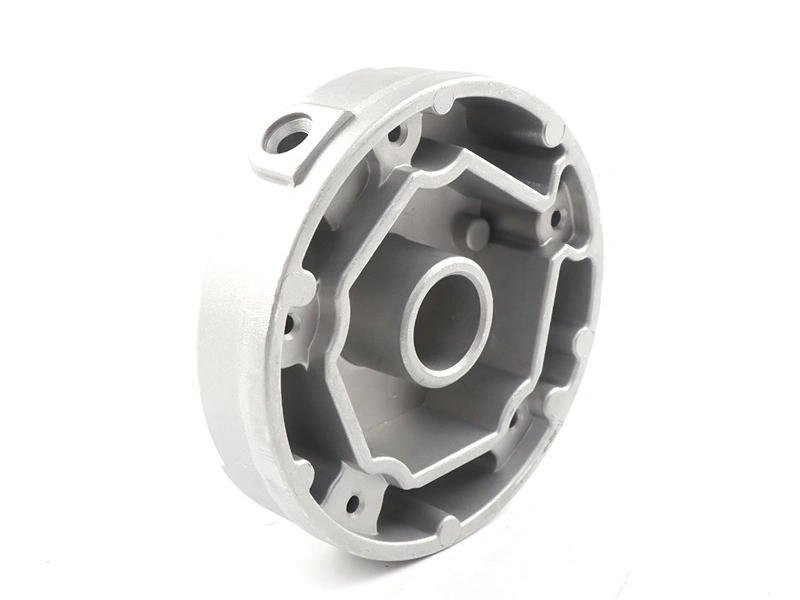
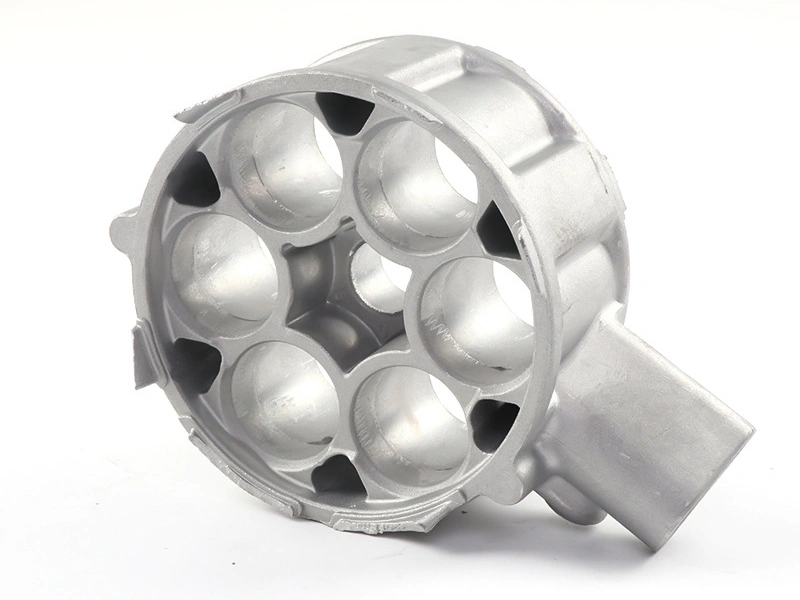
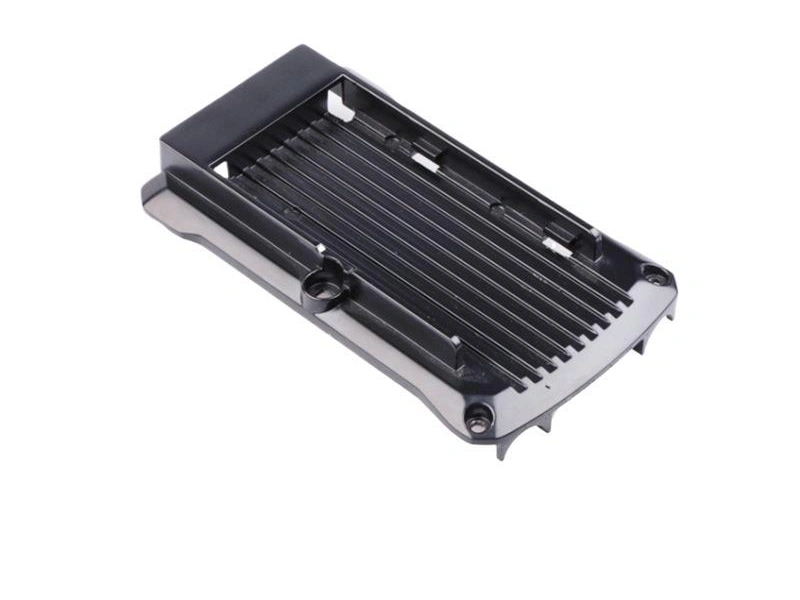
Lightweight aluminum die cast parts are often used for automotive housings, motor covers, electronic enclosures, lighting housings, brackets, mounting parts, pump bodies, heat sink housings, industrial covers and structural support parts. These parts are suitable when buyers need a balance of strength, weight reduction, heat dissipation and batch production cost.
Compared with heavier metal parts, aluminum die casting can help reduce product weight while maintaining useful structural performance. However, lightweight design should not rely only on reducing material thickness. Buyers should also optimize wall thickness, ribs, corner radius, tooling design and local CNC machining requirements before production.
1. Common Lightweight Aluminum Die Cast Parts
Part Type | Typical Use | Why Aluminum Die Casting Fits |
|---|---|---|
Automotive housings | Vehicle covers, control housings, brackets and support components | Supports weight reduction, structural strength and stable batch production |
Motor covers | Motor housings, covers and protective shells | Provides lightweight protection and repeatable geometry |
Electronic enclosures | Device housings, control boxes and protective covers | Combines light weight, enclosure strength and surface finishing options |
Lighting housings | LED housings, lamp bodies and fixture frames | Supports lightweight structure and heat dissipation design |
Brackets and mounting parts | Assembly brackets, mounting plates and support parts | Can integrate ribs, bosses, holes and local machined features |
Heat sink housings | Thermal housings, heat dissipation structures and industrial covers | Useful when weight and heat management both matter |
2. Why Aluminum Is Often Selected for Lightweight Products
Custom metal casting projects often need to balance strength, weight, surface quality and cost. Aluminum die casting is commonly selected when buyers need lower weight than heavier metals while still requiring a stable metal part for assembly or functional use.
Buyer Requirement | How Aluminum Die Casting Helps | Commercial Value |
|---|---|---|
Weight reduction | Aluminum helps reduce part weight compared with heavier metal options | Improves handling, assembly and product efficiency |
Structural support | Ribs, bosses and mounting features can be formed by tooling | Reduces the need for multiple assembled components |
Heat dissipation | Aluminum is often used for thermal housings and heat sink structures | Supports electronics, lighting and industrial equipment applications |
Batch production | Tooling supports repeatable production after design approval | Helps reduce long-term unit cost when demand is stable |
3. Why Tooling Is Important for Lightweight Design
Tooling for aluminum die cast parts is important because lightweight design must still be manufacturable. Wall thickness, ribs, bosses, corner radius, gate location, cooling and ejection design all affect whether the part can fill properly, release from the mold and remain dimensionally stable.
Tooling Factor | Why It Matters | Buyer Risk if Ignored |
|---|---|---|
Wall thickness | Controls filling, shrinkage and structural stability | Porosity, warpage or weak areas |
Rib design | Adds stiffness without excessive weight | Overweight part or poor structural performance |
Cooling design | Controls shrinkage, deformation and cycle time | Dimensional instability and higher scrap rate |
Gate and runner design | Affects filling direction and surface quality | Flow marks, short shots or cosmetic defects |
4. When CNC Machining Is Needed for Lightweight Aluminum Parts
Many lightweight aluminum die cast parts still need CNC machining for aluminum die cast parts. Machining is usually applied only to critical areas such as mounting holes, threaded holes, sealing faces, datum surfaces and high-tolerance assembly areas.
Machined Area | Why It May Be Needed | Buyer Should Confirm |
|---|---|---|
Mounting holes | Hole size and position affect assembly fit | Hole tolerance, position and inspection method |
Threaded holes | Threads usually require controlled post-machining | Thread size, depth and fastening requirement |
Sealing faces | Flatness and roughness may affect sealing performance | Flatness, roughness and leakage requirements |
Datum surfaces | Datums support machining and inspection repeatability | Datum location and measurement method |
5. When Other Material Routes May Be Better
Aluminum is not always the best material for every die cast part. Zinc die casting for small precision parts may be better when the part is small, detailed and appearance-focused. Copper die casting for conductive parts may be better when conductivity, heat transfer or wear resistance is the main function.
Material Route | Best Use | Buyer Focus |
|---|---|---|
Aluminum die casting | Lightweight housings, brackets, covers, heat sink housings and structural parts | Weight reduction, heat dissipation and scalable production |
Zinc die casting | Small precision parts, decorative parts and detailed hardware | Surface quality, fine details and dimensional stability |
Copper die casting | Conductive, thermal, wear-resistant and functional parts | Electrical, thermal or wear performance |
6. Summary
Best Lightweight Aluminum Die Cast Parts | Main Value |
|---|---|
Automotive housings and motor covers | Reduce weight while supporting structural function |
Electronic and lighting housings | Balance protection, heat dissipation and surface finishing |
Brackets and mounting parts | Integrate ribs, bosses and assembly features |
Pump bodies, heat sink housings and industrial covers | Support lightweight structure and stable batch production |
In summary, aluminum die cast parts are suitable for lightweight products when buyers need strength, lower weight, heat dissipation and scalable production. The best results come from combining aluminum die casting with proper wall thickness, rib design, radius design, tooling planning and local CNC machining where needed.