Which Areas of Aluminum Die Casting Parts Usually Require Post-Machining?
Which Areas of Aluminum Die Casting Parts Usually Require Post-Machining?
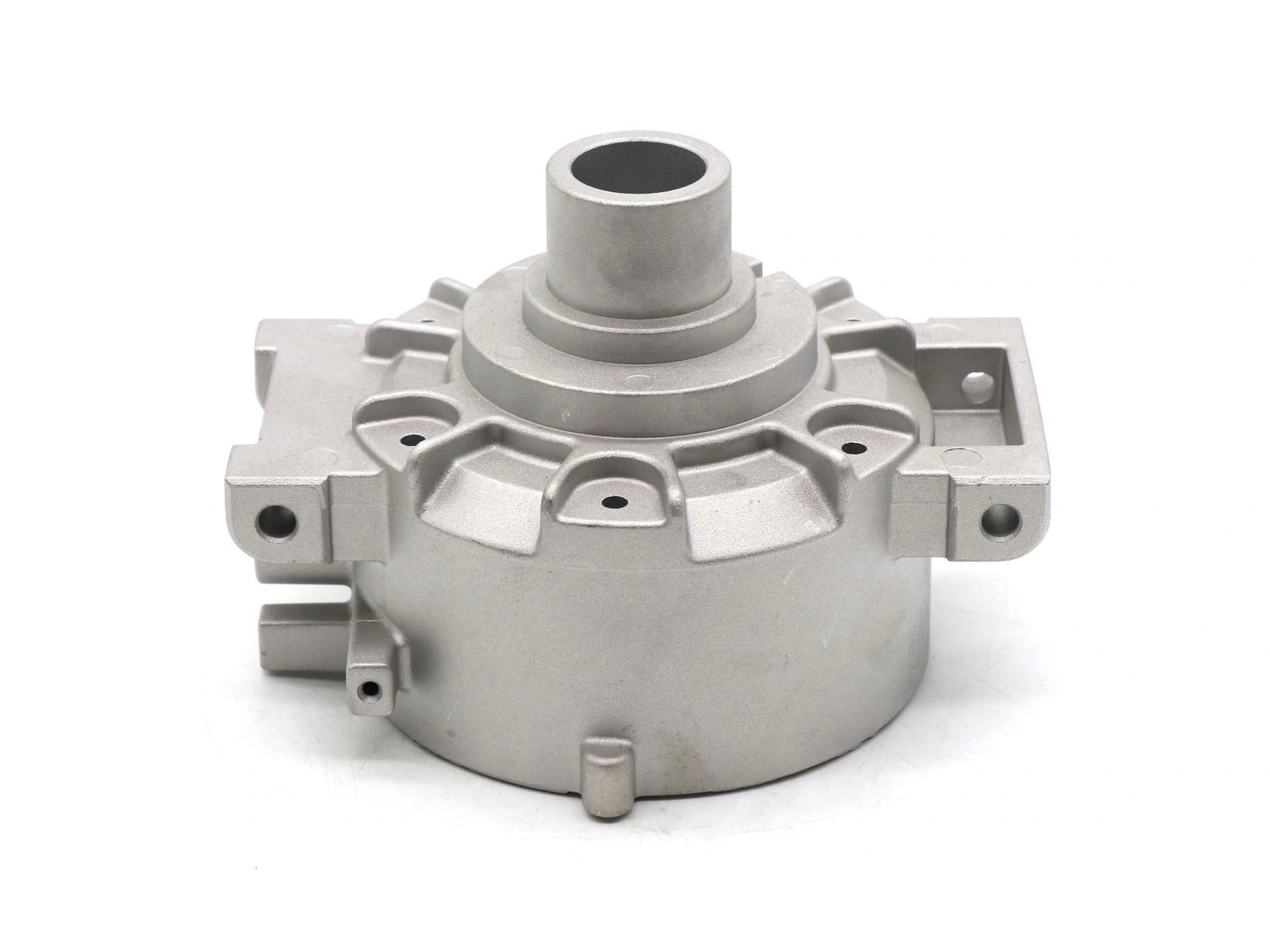
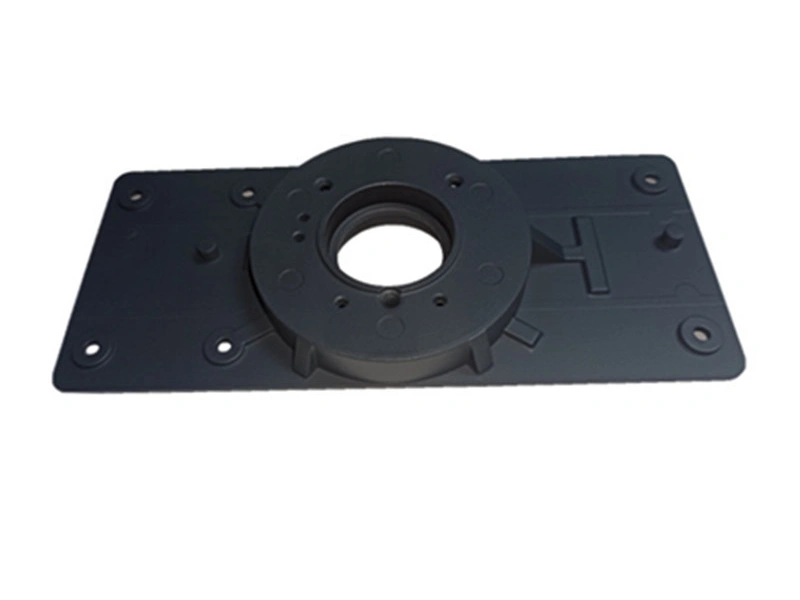
Not every area of aluminum die casting parts needs machining. Post-machining is usually required on threaded holes, precision bores, sealing surfaces, bearing seats, locating holes, mounting faces, datum surfaces and other functional features where as-cast accuracy is not enough. The purpose of post-machining is not to machine the whole part, but to control the features that affect assembly, sealing, positioning and long-term performance.
1. Why Post-Machining Is Needed After Aluminum Die Casting
Aluminum die casting can produce complex near-net-shape parts efficiently, but some features still need higher accuracy than the casting process alone can provide. Threaded holes need controlled thread quality. Sealing grooves need stable surface finish and shape. Bearing seats need accurate diameter and alignment. Mounting faces may need flatness control for reliable assembly.
For this reason, buyers should plan post-machining before tooling starts. If machining allowance is not reserved in the casting design, the supplier may not have enough material to correct functional features later.
Part Area | As-Cast or Machined | Reason |
|---|---|---|
Thread holes | Machined | Threads require controlled accuracy and strength. |
Mounting face | Machined if critical | Assembly flatness may affect final product fit. |
Internal ribs | Usually as-cast | They mainly provide strength support and may not need machining. |
Sealing groove | Machined | Leakage prevention requires controlled geometry and surface finish. |
Cosmetic outer wall | Finished, not always machined | Appearance may require finishing, but not always CNC machining. |
2. Which Features Usually Require Machining?
Functional features usually need machining when they interact with other parts. These include threaded holes, precision bores, bearing seats, sealing grooves, O-ring grooves, mounting faces, datum surfaces and locating holes. These areas determine whether the part can be assembled correctly, whether it can seal properly and whether the final product can operate reliably.
Neway can combine die casting with CNC machining for die cast components so that functional areas are controlled within the same manufacturing workflow. This reduces the risk of communication gaps between casting suppliers and machining suppliers.
3. Which Areas Can Usually Remain As-Cast?
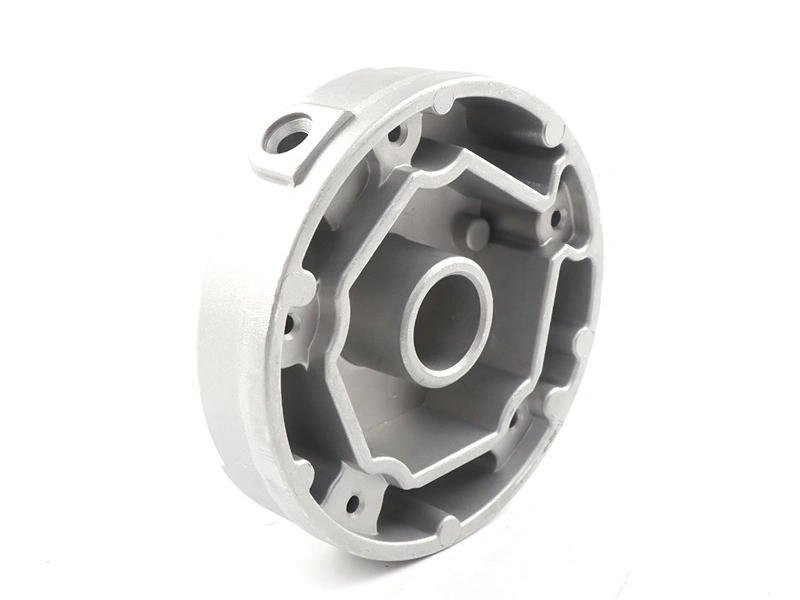
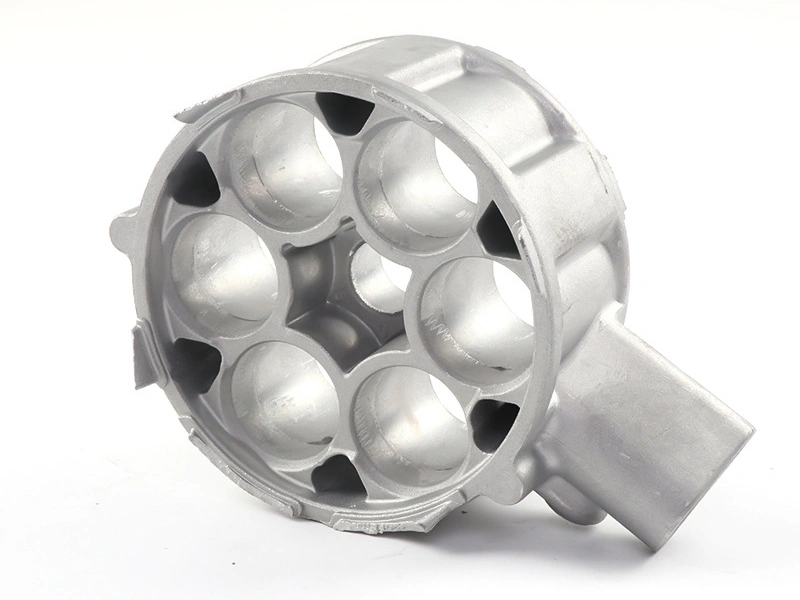
Many areas of aluminum die casting parts do not require CNC machining. Non-functional outer profiles, internal ribs, non-assembly inner walls and general cosmetic surfaces may remain as-cast or receive surface finishing only. This helps reduce cost because machining is reserved for areas where accuracy is truly needed.
Buyers should clearly distinguish machined surfaces from as-cast surfaces on drawings. If every surface is requested as machined, the part may become unnecessarily expensive. If no machining surfaces are marked, functional features may not meet assembly requirements.
Drawing Requirement | What It Means | Manufacturing Impact |
|---|---|---|
Machined surface symbol | The area requires CNC cutting after casting. | Machining allowance and fixture planning are needed. |
As-cast note | The area can remain in casting condition. | Cost can be reduced by avoiding unnecessary machining. |
Datum feature | The area controls positioning during inspection or assembly. | CNC machining and inspection may be required. |
Surface finish callout | The area requires a defined finish or texture. | Post-processing or machining may be planned. |
4. Risks When Post-Machining Is Not Planned Early
If key holes are not designed with machining allowance, they may not be corrected after casting. If the casting supplier does not provide machining, dimensional responsibility may become unclear. If surface finishing is applied after machining, coating thickness may affect assembly fit. If CNC fixtures are not designed for stable batch production, hole positions may drift during production.
Neway helps reduce these risks by integrating aluminum die casting, dimensional accuracy in die casting parts, post CNC machining and one-stop die casting and machining supplier support.
Summary
Buyer Question | Recommended Answer |
|---|---|
Does every aluminum die casting part need CNC machining? | No. Only functional areas usually need machining. |
Which areas usually need post-machining? | Threaded holes, sealing faces, bearing seats, datum surfaces, locating holes and precision bores. |
Which areas can often remain as-cast? | Non-functional outer profiles, internal ribs, ordinary inner walls and some cosmetic areas. |
Why choose one supplier for casting and machining? | It reduces responsibility gaps, fixture problems, machining allowance errors and batch inconsistency. |