Which Design Features Create Risk in Aluminum Pressure Die Casting?
Which Design Features Create Risk in Aluminum Pressure Die Casting?
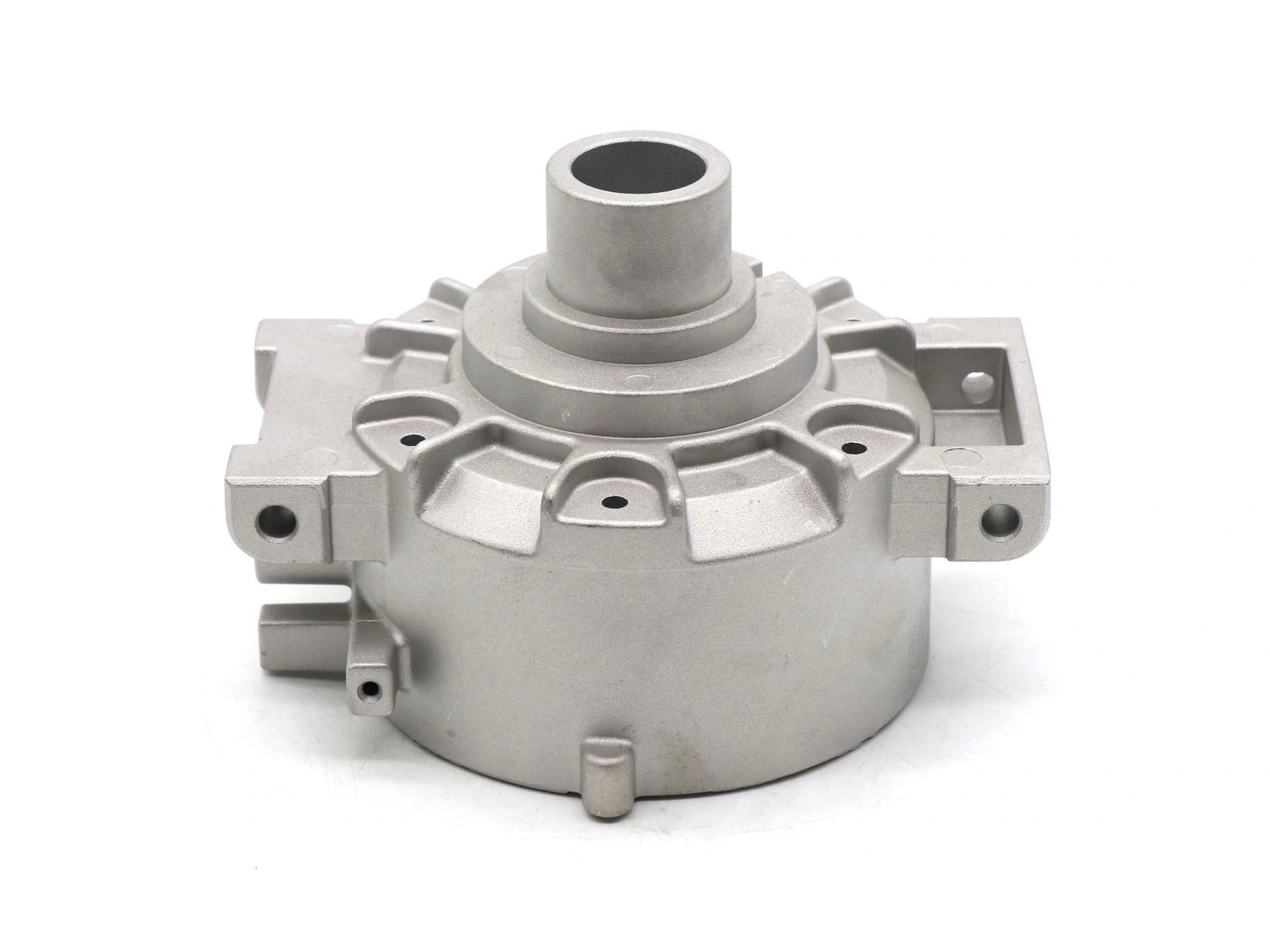
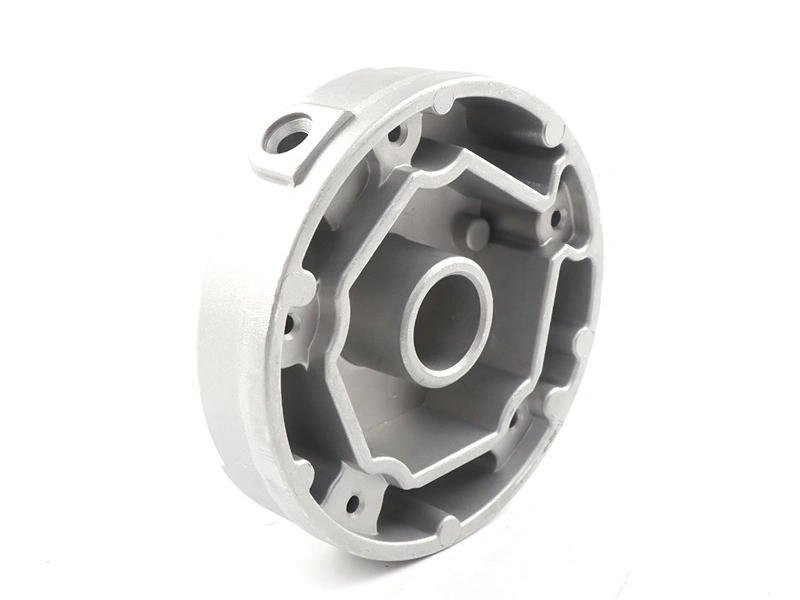
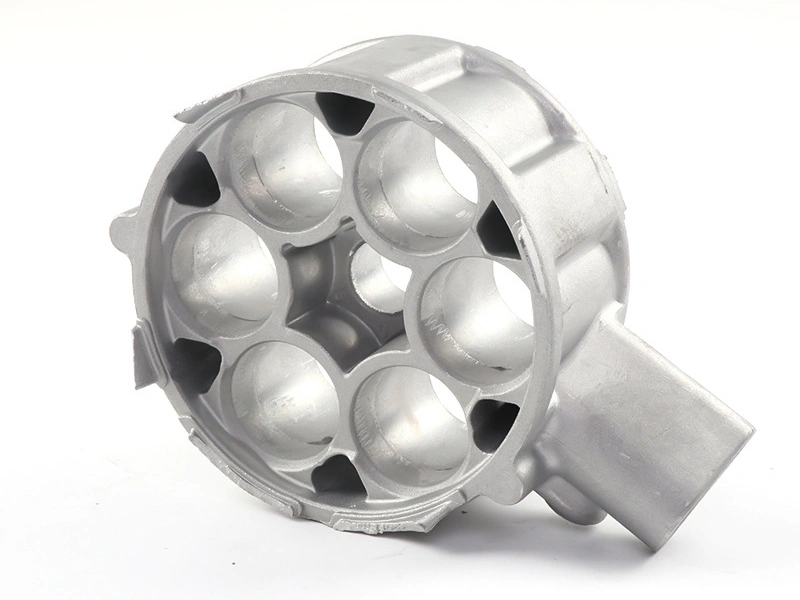
Design features that create risk in aluminum pressure die casting include uneven wall thickness, thick bosses, poorly planned ribs, sharp corners, insufficient draft angle, unclear parting lines, unmarked cosmetic surfaces and functional areas that need machining but lack machining allowance.
This FAQ is useful for buyers who already have a part structure but have not started tooling. Many aluminum pressure die casting problems are not created during production only; they are often decided during part design and mold design.
1. Review Wall Thickness, Ribs and Bosses
Design Feature | What Buyers Should Check | Risk if Ignored |
|---|---|---|
Uneven wall thickness | Whether thick and thin areas change too suddenly | Incomplete filling, shrinkage, porosity and warpage |
Thick bosses | Whether screw bosses create local thick sections or hot spots | Local shrinkage, weak fastening areas and cosmetic sink marks |
Poorly planned ribs | Whether ribs are too thick, too dense or difficult to fill | Short filling, weak ribs and flow defects |
Sharp corners | Whether corner radius supports filling, strength and stress reduction | Cracking, weak corners and poor metal flow |
2. Review Draft Angle, Parting Line and Cosmetic Surfaces
Before tool and die making, buyers should confirm mold release, parting line location, ejector pin marks and visible surfaces. These details affect both tooling feasibility and surface appearance.
Tooling-Related Detail | What Should Be Reviewed | Buyer Risk Reduced |
|---|---|---|
Draft angle | Whether the part can release from the mold without drag marks or damage | Ejection damage and tooling correction |
Parting line | Whether the parting line affects visible surfaces, sealing faces or deburring | Cosmetic disputes and functional surface problems |
Ejector pin marks | Whether ejector marks appear on visible surfaces or datum areas | Appearance rejection and fixture issues |
Cosmetic surfaces | Whether visible areas are marked before tooling layout is finalized | Gate marks, ejector marks and parting lines in visible areas |
3. Review Machining and Surface Finishing Risk
For machined aluminum pressure die casting parts, the supplier should review CNC machining allowance, sealing faces, threaded holes, mounting holes and coating impact before tooling starts.
Functional Requirement | Review Focus | Risk if Missing |
|---|---|---|
Mounting holes | Whether holes require machining, position tolerance or inspection | Assembly failure and hole deviation |
Threaded holes | Thread depth, machining allowance, burr control and gauge standard | Fastening failure and rework |
Sealing faces | Flatness, roughness, porosity risk and machining allowance | Leakage or sealing failure |
Coating or painting | Whether coating thickness affects holes, threads or assembly faces | Fit problems after finishing |
4. Compare Design Risks Across Casting Materials
A custom metal casting design review can also compare aluminum with zinc die casting precision parts for smaller detailed parts or copper alloy die casting project requirements for functional components.
5. Summary
Design Risk Area | Main Purpose of Review |
|---|---|
Wall thickness, ribs, bosses and corners | Reduce filling defects, shrinkage, porosity and warpage |
Draft angle, parting line and ejector marks | Improve mold release and protect cosmetic surfaces |
Machining allowance and functional areas | Prevent CNC rework and assembly failure |
Surface finishing and coating impact | Reduce appearance defects and fit problems after finishing |
In summary, aluminum pressure die casting design risks should be reviewed before tooling. Buyers should ask suppliers to complete DFM review across design, tooling, die casting, CNC machining and inspection to reduce trial sample failure and batch instability.