Which High Pressure Aluminum Die Casting Parts Need Thin-Wall Design Review?
Which High Pressure Aluminum Die Casting Parts Need Thin-Wall Design Review?
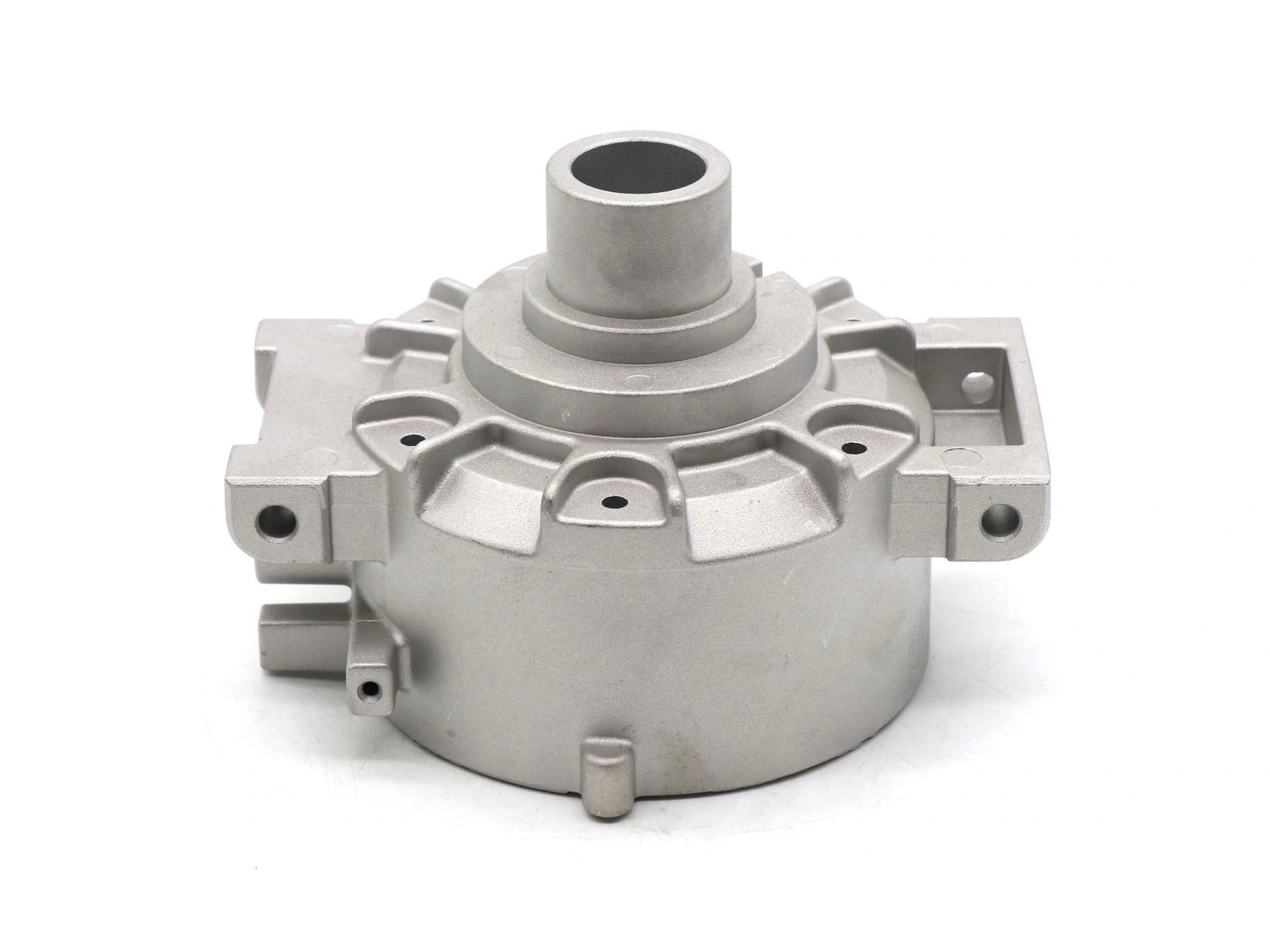
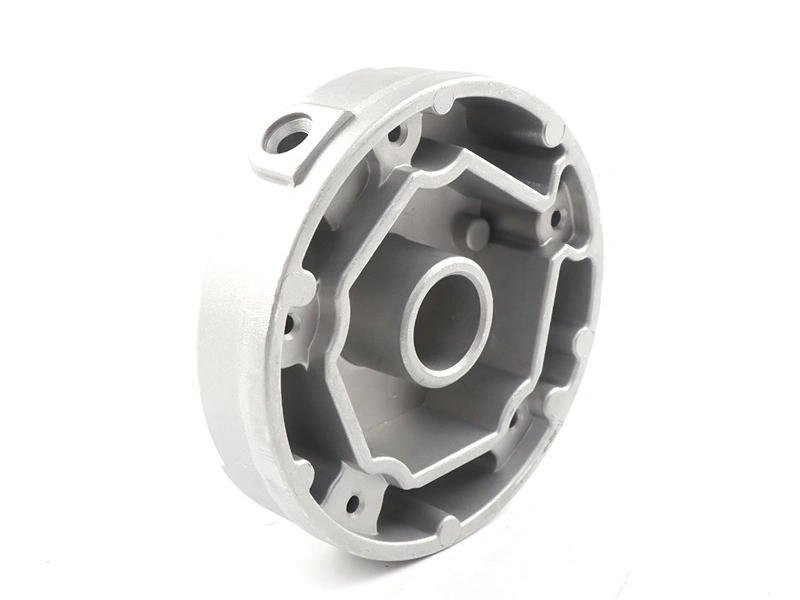
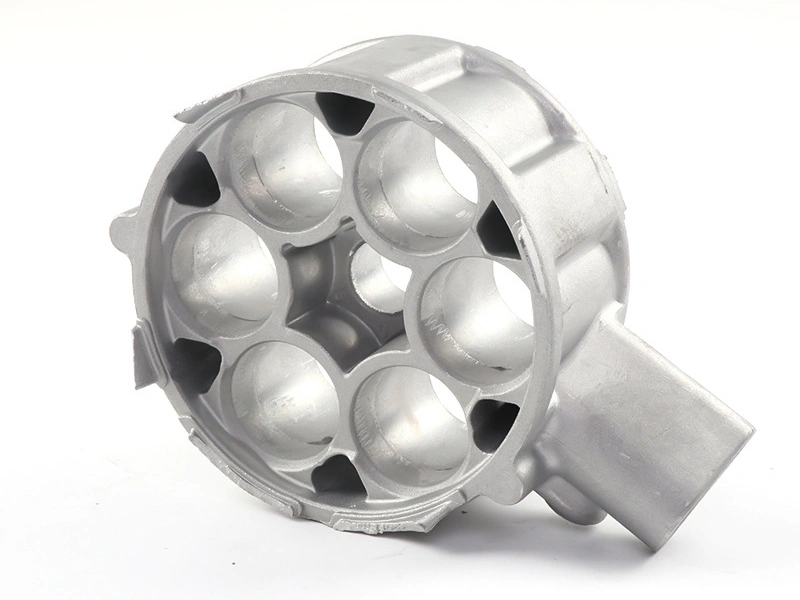
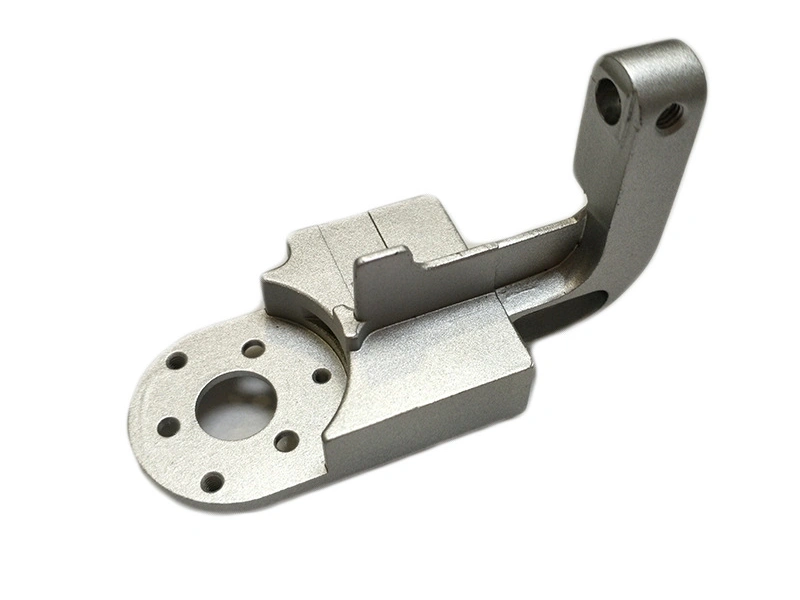
Thin-wall high pressure aluminum die casting parts need design review when the part has wide thin areas, complex ribs, thin housings, local thick sections, functional mounting features or CNC machined surfaces. Common examples include lighting housings, electronic enclosures, motor covers, heat sink housings, automotive covers, pump bodies, lightweight brackets, structural covers and industrial housings.
If thin-wall aluminum die casting design is not reviewed before tooling, buyers may face short filling, warpage, shrinkage, exposed defects and unstable batch quality. A proper DFM review should check wall thickness consistency, rib layout, boss thickness, flow path, corner radius, draft angle, cooling balance and CNC machining allowance before mold manufacturing starts.
1. Parts That Need Thin-Wall Design Review
Part Type | Why Review Is Needed | Buyer Risk if Ignored |
|---|---|---|
Lighting housings | Often require thin walls, heat dissipation ribs and visible surfaces | Short filling, cosmetic defects and unstable coating quality |
Electronic enclosures | Need thin walls, mounting bosses and stable assembly fit | Warped covers, poor fit and machining issues |
Motor covers | Need strength, flatness and stable mounting surfaces | Deformation, flatness failure and assembly problems |
Heat sink housings | Need ribs, thermal contact surfaces and controlled filling | Broken ribs, porosity and poor heat transfer contact |
Lightweight brackets | Need weight reduction while keeping mounting strength | Cracking, weak bosses and unstable dimensions |
2. Review Wall Thickness, Ribs and Bosses
The most important design review points for thin-wall high pressure aluminum die casting parts are wall thickness consistency, rib layout, boss thickness and local thick sections. These areas directly affect filling, cooling, shrinkage and deformation.
Design Review Item | What Buyers Should Check | Manufacturing Risk Reduced |
|---|---|---|
Wall thickness consistency | Whether wall thickness changes gradually instead of suddenly | Shrinkage, warpage and filling instability |
Rib layout | Whether ribs support strength without blocking metal flow | Broken ribs, short filling and flow marks |
Boss thickness | Whether bosses are strong enough but not too thick | Sink marks, porosity and weak fastening areas |
Local thick sections | Whether thick areas can cool evenly with nearby thin walls | Hot spots, shrinkage and dimensional variation |
3. Review Tooling and Flow Before Mold Making
Tool and die making for thin-wall aluminum parts must support fast filling, stable venting, balanced cooling and safe ejection. Buyers should complete aluminum die casting design review before mold manufacturing instead of waiting until trial samples fail.
Tooling Review Area | Why It Matters | Risk Reduced |
|---|---|---|
Flow path | Thin walls need stable metal flow to fill before freezing | Short filling and cold shut defects |
Corner radius | Smooth transitions help flow and reduce stress concentration | Cracks, weak corners and poor filling |
Draft angle | Supports part release without damaging thin walls or ribs | Drag marks, part damage and trial sample rejection |
Cooling balance | Controls different cooling speeds between thick and thin areas | Warpage, shrinkage and unstable dimensions |
4. Compare Process Routes When Needed
For smaller precision parts, buyers may also compare aluminum with zinc die casting precision parts. For functional parts needing conductivity, heat transfer or wear resistance, copper die casting functional parts may also be reviewed. A custom metal casting design review helps confirm the best route before tooling.
5. Summary
Thin-Wall Review Focus | Main Purpose |
|---|---|
Wall thickness consistency | Reduce filling, shrinkage and warpage risk |
Rib and boss layout | Balance strength, flow and local thickness control |
Flow path, radius and draft angle | Improve filling and part release stability |
Cooling balance and machining allowance | Control deformation and finished functional surfaces |
In summary, thin-wall high pressure aluminum die casting parts need design review before tooling when they involve housings, covers, heat sinks, brackets, ribs, bosses or functional surfaces. Early DFM review helps reduce filling defects, warpage, shrinkage, mold modification and batch instability.