Which Parts Are Best Suited for High Pressure Aluminum Die Casting?
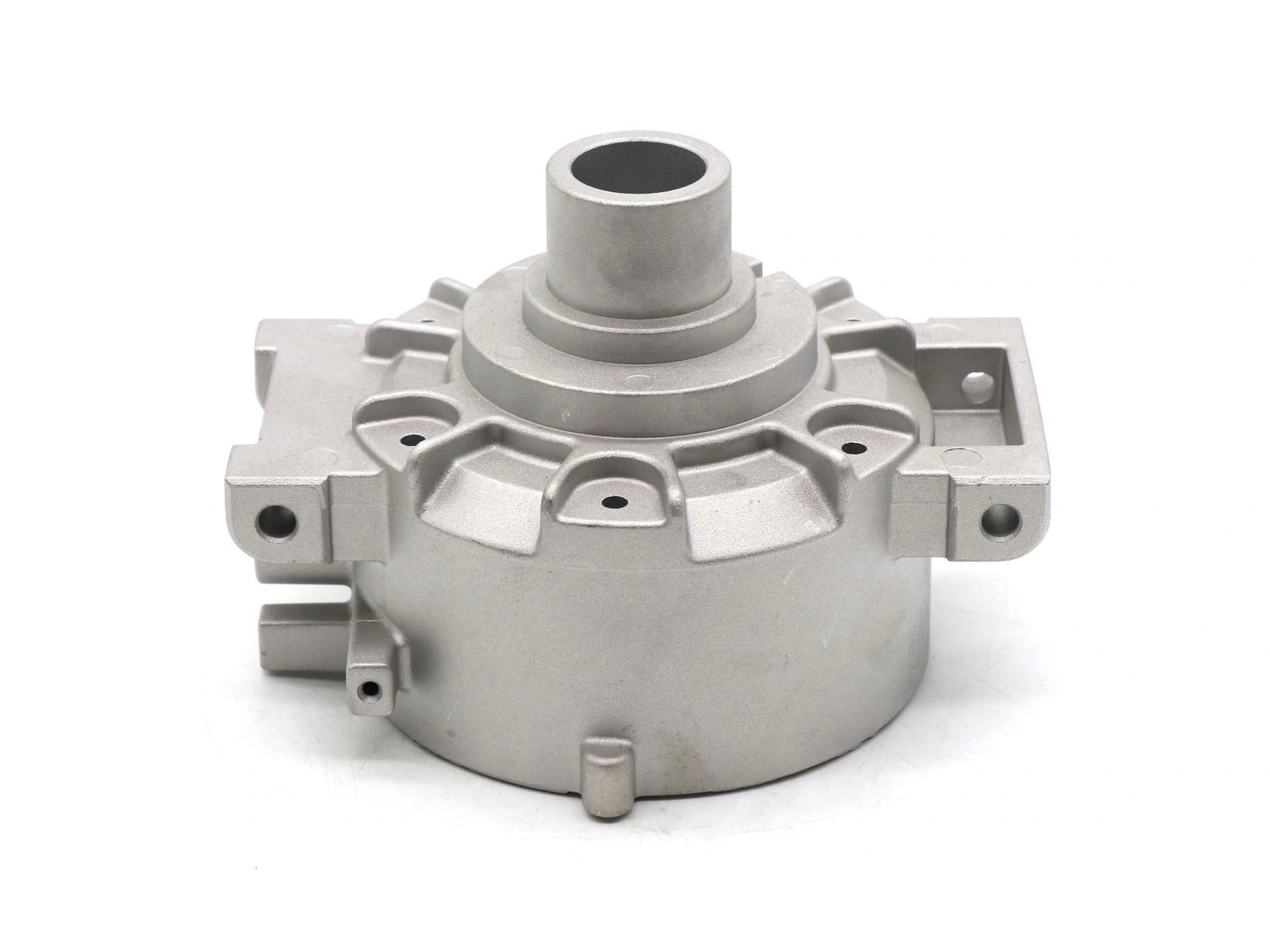
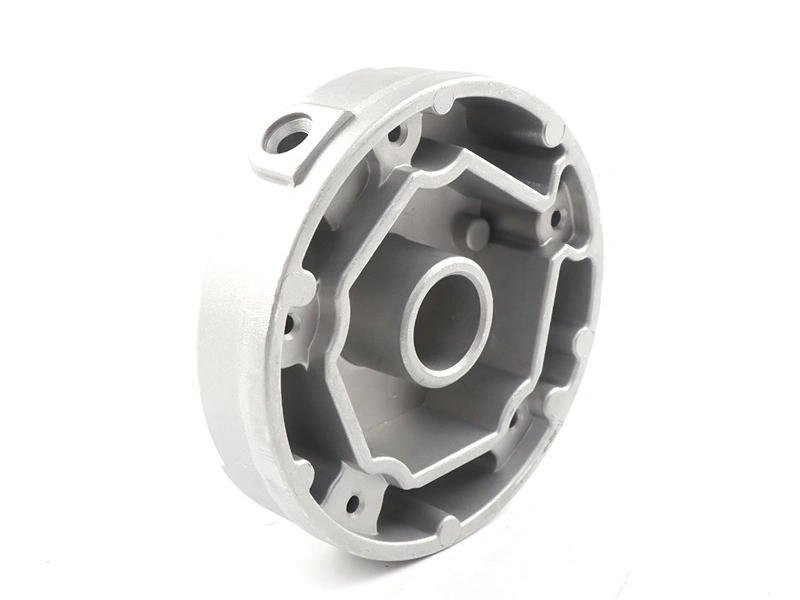
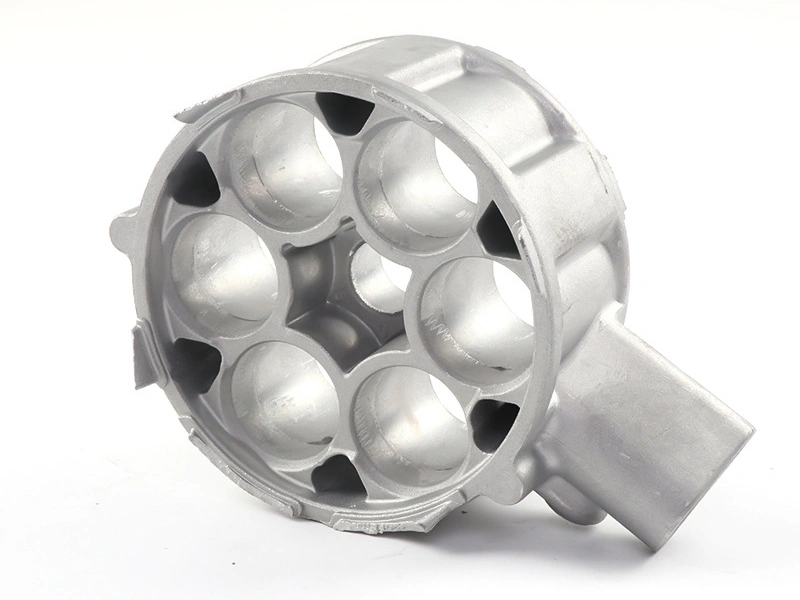
The parts best suited for high pressure aluminum die casting are stable, repeat-demand aluminum designs in which a steel die can create valuable near-net features: shell-like walls, ribs, bosses, covers, brackets, frames, thermal fins or mounting details. The strongest candidates need only local CNC work on functional interfaces. An industry label does not determine suitability; geometry, material condition, downstream operations and demand do.
HPDC is a weaker fit when the design changes frequently, nearly the whole part needs precision machining, very heavy isolated sections dominate the geometry, or the required alloy state depends on a different casting route. The buyer should compare the finished-part route, not assume that every lightweight enclosure or production component belongs in aluminum HPDC.
Look for geometry the die can create efficiently
Good candidates have a feasible parting line, draft in the release direction and surfaces that ejectors can support without damage. Their walls are reasonably uniform, while ribs and fillets provide stiffness without creating heavy thermal junctions. Bosses, mounting pads and openings are arranged so gates, overflows, vents and trim edges can occupy acceptable locations.
A compact electronics housing may combine exterior walls, internal supports and heat-spreading features in one casting. A machinery bracket may replace a billet with deep pockets or several joined pieces. These are real sources of value. By contrast, a nominally complex shape may be a poor candidate if every undercut needs a slide, an inaccessible internal passage needs a disposable core, or all visible faces require deep stock removal.
Check wall, flow and thermal risk
There is no universal minimum wall that qualifies a part. A thin section near a gate is different from the same thickness at the end of a long divided flow path. Alloy, die temperature, local surface area, venting, fin orientation and machine response all influence fill. Ask the supplier to mark the most difficult paths and explain how simulation and trial samples will verify them.
Large changes from thin walls into thick bosses or intersecting ribs can create hot spots and shrinkage risk. Deep pockets can complicate cooling and ejection. Tall slender fins may fill but then bend or stick during release. These features do not automatically disqualify HPDC, but they require DFM changes or evidence tied to the proposed tool.
Part characteristic | HPDC fit | Review before committing |
|---|---|---|
Shell, cover or frame with integrated ribs | Often strong | Draft, gate/overflow zones, stiffness and ejector support |
Heat sink or thermal housing | Often strong when fins are castable | Fin flow, release, base flatness and machined thermal interface |
Bracket with local holes and datums | Strong if most shape stays as-cast | Datum transfer, stock, fixture and local CNC scope |
Pressure housing | Conditional | Porosity zones, machining exposure and finished-condition leak test |
Heavy body with isolated thick masses | Weak to conditional | Thermal feeding, shrinkage, cycle and alternative casting routes |
Frequently revised or one-off component | Usually weak | Tool-change exposure versus CNC or lower-commitment production |
Separate precision features from the as-cast body
HPDC is attractive when the die can make most geometry and CNC machining is reserved for bores, threads, sealing faces, locating holes or other controlled interfaces. If the tolerance map requires machining on nearly every surface, the casting may add tooling and porosity exposure without removing enough CNC work. Review the tolerance coverage by surface and setup rather than counting dimensions.
A useful design marks casting datums and finished datums separately. It also provides stock where machined surfaces must clean up across realistic casting variation. The part must be supportable in a fixture without distorting a thin wall. Those decisions belong before tool release; they are difficult to recover after the casting shape has been fixed.
Treat sealing, welding and heat treatment as red flags
A pressure boundary can be made by HPDC, but suitability is conditional on location-specific porosity control and a leak test that represents the finished part. Machining a gasket track or port can expose subsurface pores, so test after the relevant machining operation. Radiography and leak testing answer different questions and should not be used interchangeably.
Conventional HPDC can entrap gas. Welding or solution heat treatment may expand that gas and cause blisters or joint problems. If these operations are mandatory, require a route-specific supplier proposal and representative trials rather than assuming that an aluminum alloy designation guarantees compatibility. Specialized vacuum-assisted processes may help under controlled conditions, but they still need evidence.
Make demand and design maturity part of the decision
Dedicated tooling is easiest to justify when demand repeats and the design will remain stable long enough to use it. There is no fixed production quantity that makes HPDC economical. Cavity count, tool complexity, billet removal, machining time, expected revisions, batch sizes and program duration change the comparison. Use realistic low, expected and high demand scenarios.
For an immature product, prove assembly, thermal behavior and load paths with a suitable prototype route before freezing the die. A prototype made by CNC or another casting method does not validate HPDC porosity, surface or process capability; it validates only the questions that its own material and route can represent. The tool decision should follow a documented gap review.
Buyer screening test
Request DFM that marks the parting line, draft, slides, gate, overflows, ejectors, high-risk fill paths, hot sections and CNC stock. Provide the alloy specification, functional dimensions, appearance zones, pressure boundary, operating conditions and demand range. A strong candidate will show clear near-net value and a practical validation plan. A weak candidate will depend on broad promises about thin walls, precision or volume without explaining how the actual part will be formed and accepted.
For designs that pass this screen, the next step is a detailed tooling and trial plan. That plan, rather than the part's market sector, determines whether HPDC can become a controlled production route.