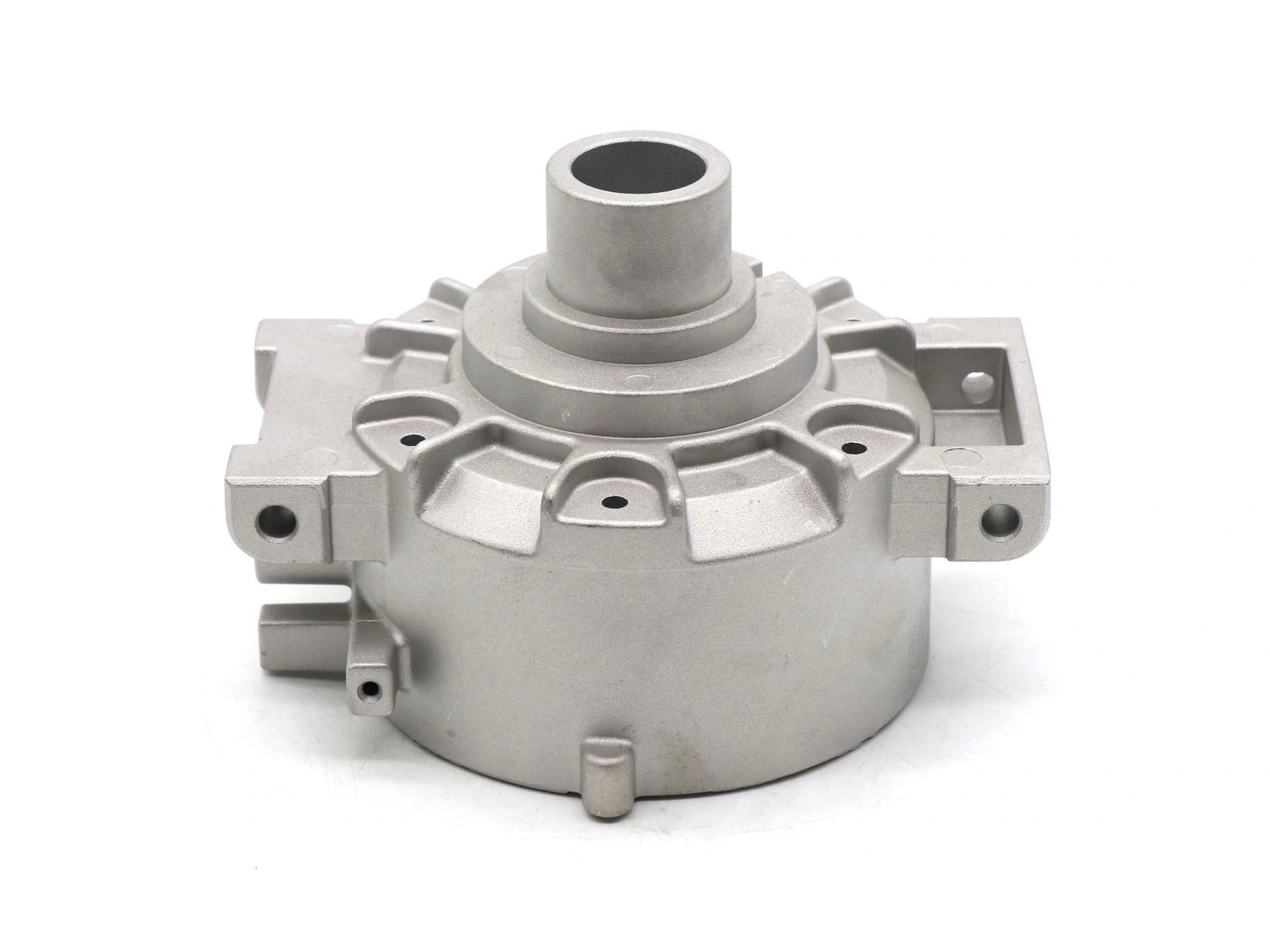
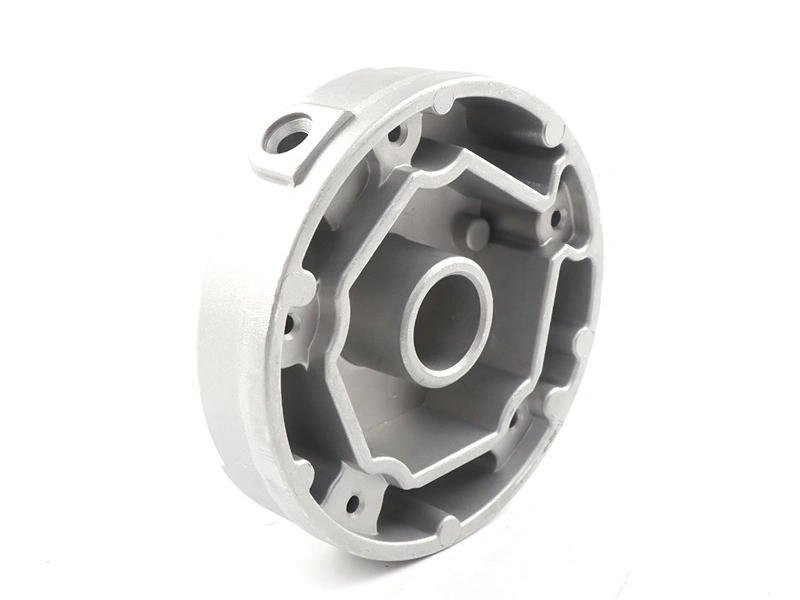
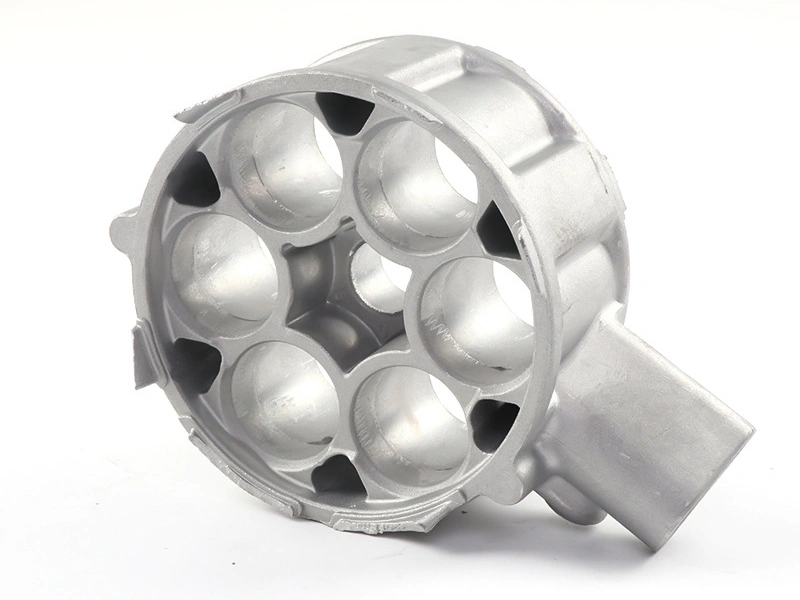
Which Project Stages Should Aluminum Die Casting Services Cover?
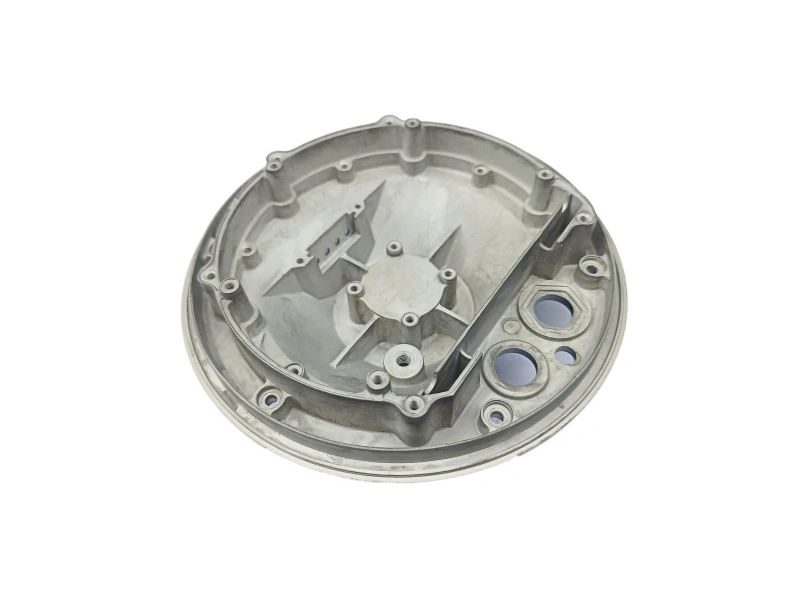
Which Project Stages Should Aluminum Die Casting Services Cover?
A complete aluminum die casting service should cover design review, material evaluation, tooling, trial samples, die casting production, CNC machining, surface finishing, inspection, packaging and batch delivery. If any stage is missing, the buyer may face communication gaps, quality disputes or delivery delays.
This FAQ is especially useful for buyers comparing supplier service scope. Some suppliers only provide casting, some only make tooling, and some only handle post-machining. For projects with several production steps, a complete workflow is often more stable than separating every process across multiple suppliers.
1. Complete Service Stages Buyers Should Check
Project Stage | What It Should Cover | Buyer Value |
|---|---|---|
DFM review | Wall thickness, ribs, bosses, draft, parting line and manufacturability review | Reduces tooling changes and sample failure |
Material evaluation | Aluminum alloy selection based on strength, weight, surface finish and cost | Improves material and function matching |
Tooling design review | Gate, runner, venting, cooling, ejector and parting line planning | Improves casting quality and tooling stability |
Trial sample correction | Sample inspection, defect review, tooling correction and production readiness check | Reduces batch production risk |
Batch delivery | Production planning, inspection, packaging and repeat order support | Improves long-term supply stability |
2. Service Stages for Machined and Finished Parts
For CNC machining for aluminum die cast parts, the supplier should confirm machined holes, threaded features, sealing faces, datum surfaces and flatness areas before tooling. For visible parts, the supplier should also manage deburring, polishing, painting, powder coating and cosmetic inspection.
Process Stage | What Buyers Should Confirm | Risk Reduced |
|---|---|---|
CNC machining | Holes, threads, sealing faces, flatness areas and datum surfaces | Assembly failure and machining disputes |
Deburring and polishing | Burr level, visible surface preparation and edge control | Appearance rejection and handling issues |
Painting or powder coating | Color, coating thickness, masking, adhesion and final inspection | Coating defects and assembly interference |
Dimensional and cosmetic inspection | Critical dimensions, machined features, surface defects and appearance standard | Batch quality disputes |
3. Risks if the Service Scope Is Incomplete
If a project involves multiple suppliers, the buyer needs to manage technical communication between tooling, casting, machining, finishing and inspection. This can increase responsibility gaps and production risk.
Missing Stage | Common Problem | Buyer Risk |
|---|---|---|
Tooling does not consider machining | Machining allowance or datum surfaces are not planned early | CNC rework and rejected machined areas |
Casting does not consider finishing | Cosmetic surfaces, parting lines and coating standards are not aligned | Appearance disputes and finishing delays |
Machining supplier receives unstable castings | Fixture positioning and dimensional repeatability become difficult | Batch variation and inspection disputes |
Inspection standard is not unified | Different suppliers may inspect different features or use different criteria | Quality disputes and unclear responsibility |
4. Compare Process Coverage Across Material Routes
A supplier with custom metal casting production capability can also support zinc die casting services for small precision parts and copper alloy die casting services for conductive or functional parts. This helps buyers manage multiple product lines under one supplier system.
5. Summary
Complete Service Stage | Main Purpose |
|---|---|
Design review and material evaluation | Confirm manufacturability before tooling |
Tooling and trial samples | Validate mold design and production readiness |
Die casting production and CNC machining | Control shape, functional features and assembly accuracy |
Surface finishing and inspection | Control appearance, coating quality and batch acceptance |
Packaging and repeat production support | Improve delivery protection and long-term supply stability |
In summary, complete aluminum die casting services should cover the full production workflow from design review to batch delivery. For long-term projects, buyers should choose a supplier that can manage tooling, casting, CNC machining, surface finishing, inspection and repeat production together.