Why Does Coordinated Machining Matter for Aluminum Die Casting Manufacturers?
Why Does Coordinated Machining Matter for Aluminum Die Casting Manufacturers?
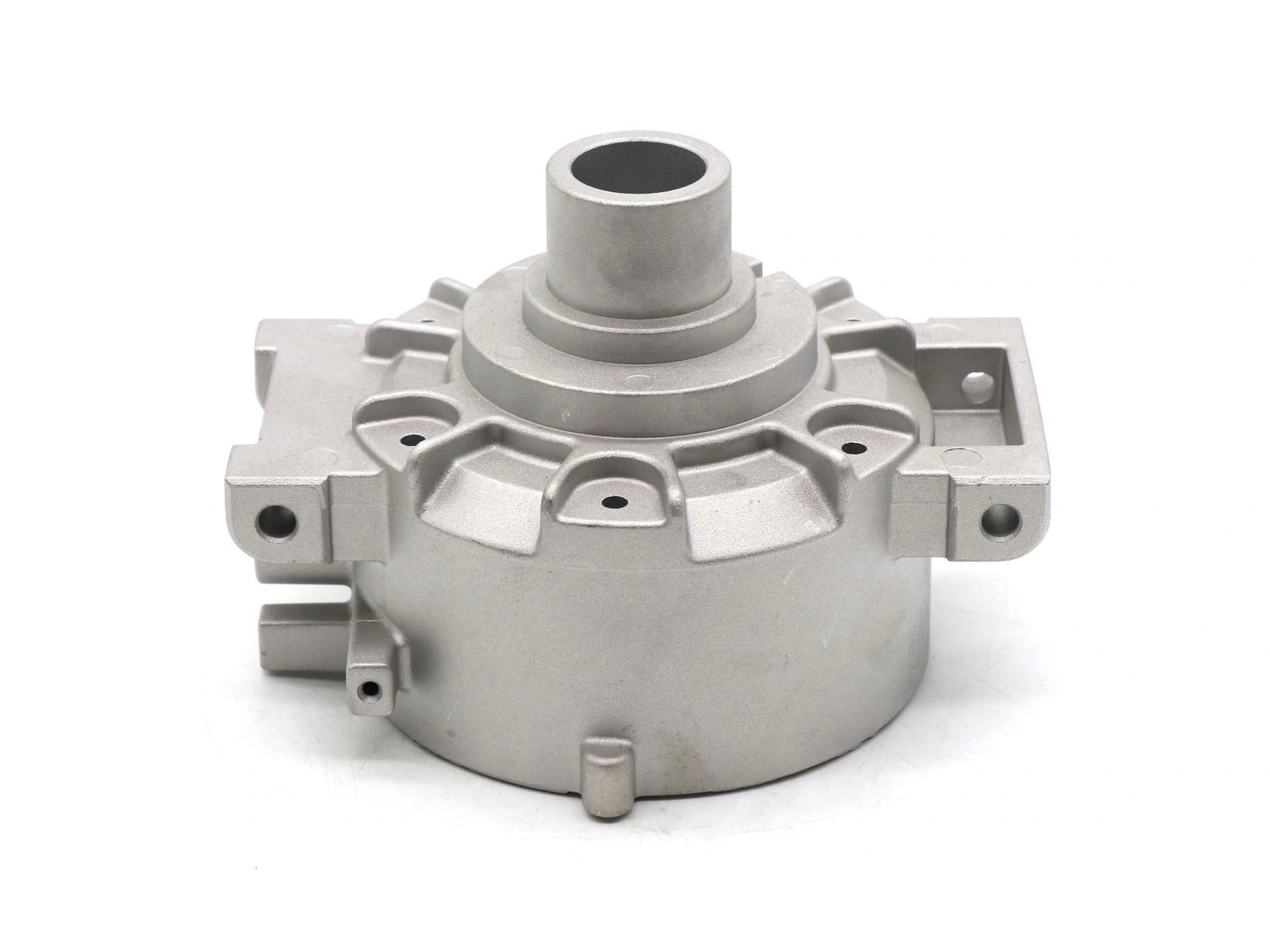
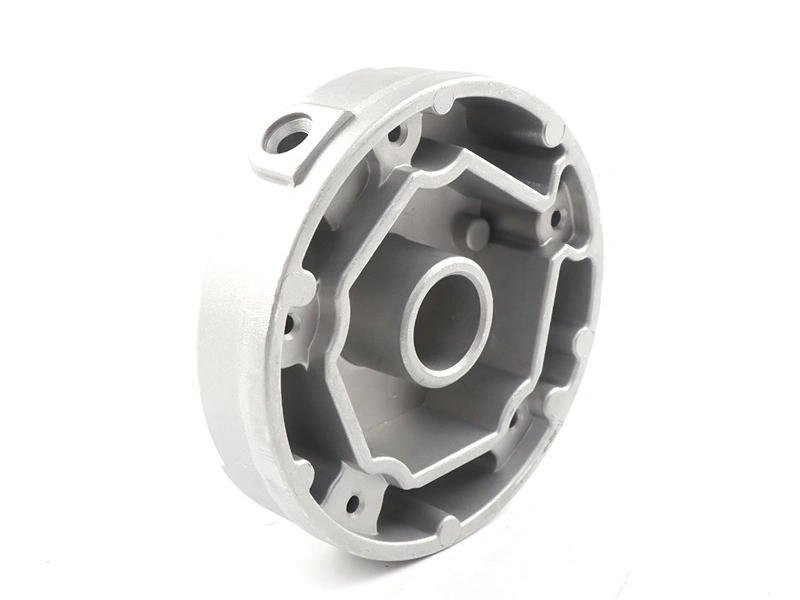
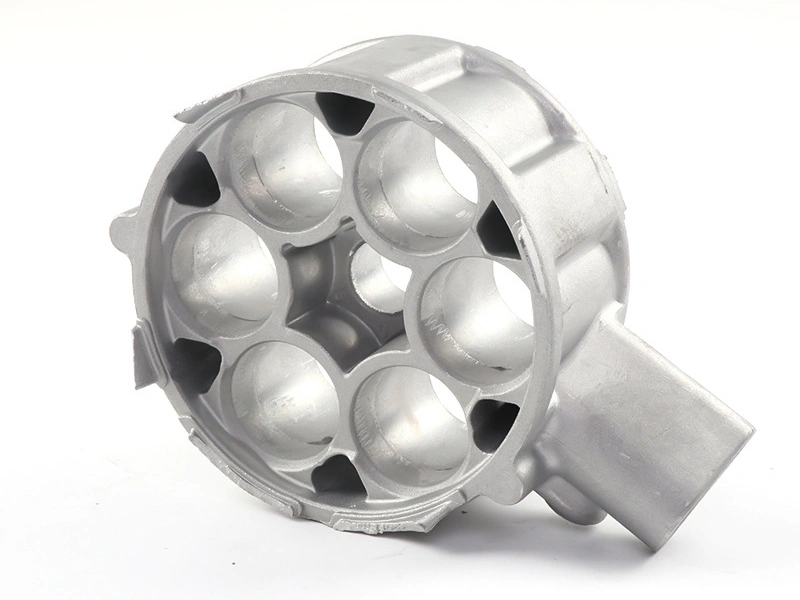
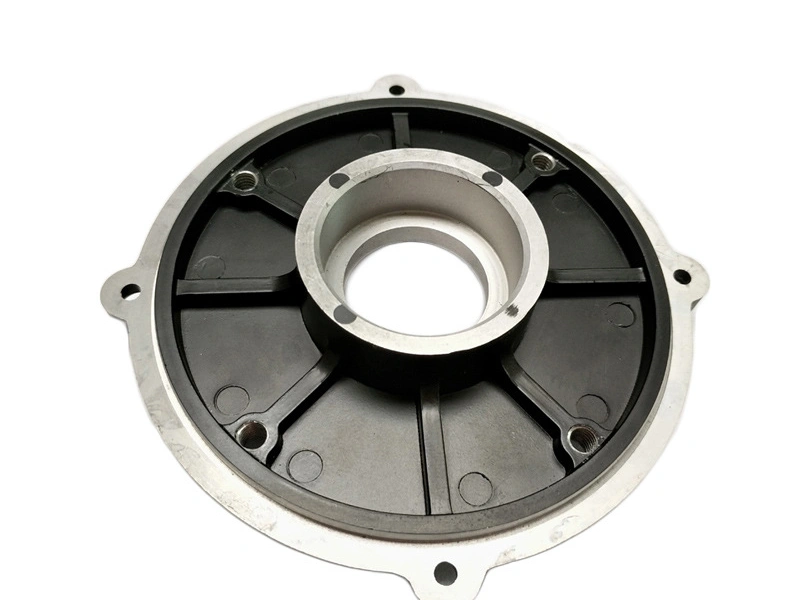
Coordinated machining matters for an aluminum die casting manufacturer with CNC machining because die casting and CNC machining must be planned together before production. Machining allowance, fixture positioning, holes, threads, sealing faces, datum surfaces, secondary setups, inspection standards and assembly fit all depend on early coordination.
If an aluminum die casting manufacturer cannot coordinate CNC machining after aluminum die casting, buyers may face insufficient machining allowance, hole position errors, unstable assembly surfaces and inconsistent inspection standards. Buyers should prioritize manufacturers that plan casting and machining as one workflow.
1. Plan Machining Allowance Before Tooling
Machining Planning Item | Why It Matters | Risk if Missing |
|---|---|---|
Machining allowance | Leaves enough stock for holes, threads, sealing faces and datums | Machined surfaces may not clean up |
Fixture locating areas | Allows CNC fixtures to locate cast parts consistently | Dimension variation and repeated setup problems |
Tooling datum planning | Connects mold design with machining and inspection references | Unstable inspection and assembly mismatch |
2. Control Holes, Threads, Sealing Faces and Datums
Many custom metal casting workflow projects need machining after casting. The most important areas are usually holes, threads, sealing faces, mounting faces, datum surfaces and high-tolerance assembly areas.
Machined Feature | What CNC Machining Controls | Buyer Benefit |
|---|---|---|
Holes | Diameter, position, depth and alignment | Improves assembly fit |
Threads | Thread size, depth, gauge result and fastening quality | Reduces fastening failure |
Sealing faces | Flatness, roughness and exposed porosity risk | Improves sealing reliability |
Datum surfaces | Reference consistency for machining, inspection and assembly | Improves batch repeatability |
3. Reduce Secondary Setups and Machining Rework
When tool and die making and CNC machining are coordinated early, the manufacturer can reduce unnecessary secondary setups, difficult fixture positions and repeated machining corrections.
Coordination Issue | Why It Increases Cost | How Coordination Helps |
|---|---|---|
Too many setups | Each setup adds clamping, alignment and inspection time | Groups machined features more logically |
Difficult fixture positioning | Special fixtures increase cost and variation risk | Plans stable datum surfaces before tooling |
Late machining changes | May require fixture changes or mold correction | Validates machining needs during sample stage |
4. Compare Machining Needs Across Materials
Coordinated machining also helps buyers compare aluminum parts with zinc die casting machined parts and copper die casting machined parts. Different materials create different machining, finishing and inspection risks.
5. Summary
Coordinated Machining Helps Buyers | Main Value |
|---|---|
Plan machining allowance early | Prevents insufficient stock and machined surface rejection |
Reduce fixture positioning problems | Improves dimensional repeatability across batches |
Control holes, threads and sealing faces | Improves assembly fit and functional reliability |
Guarantee datum surface consistency | Improves machining, inspection and assembly references |
Unify casting and machining inspection standards | Reduces buyer-supplier disputes and batch rework |
In summary, coordinated machining matters because aluminum die casting and CNC machining are not separate decisions. Buyers should choose a manufacturer that plans tooling, casting, machining, fixtures, datums and inspection together to improve assembly fit, reduce rework and control long-term production cost.