Why Is A356-T6 Heat Treatment Important for Cast Parts?
Why Is A356-T6 Heat Treatment Important for Cast Parts?
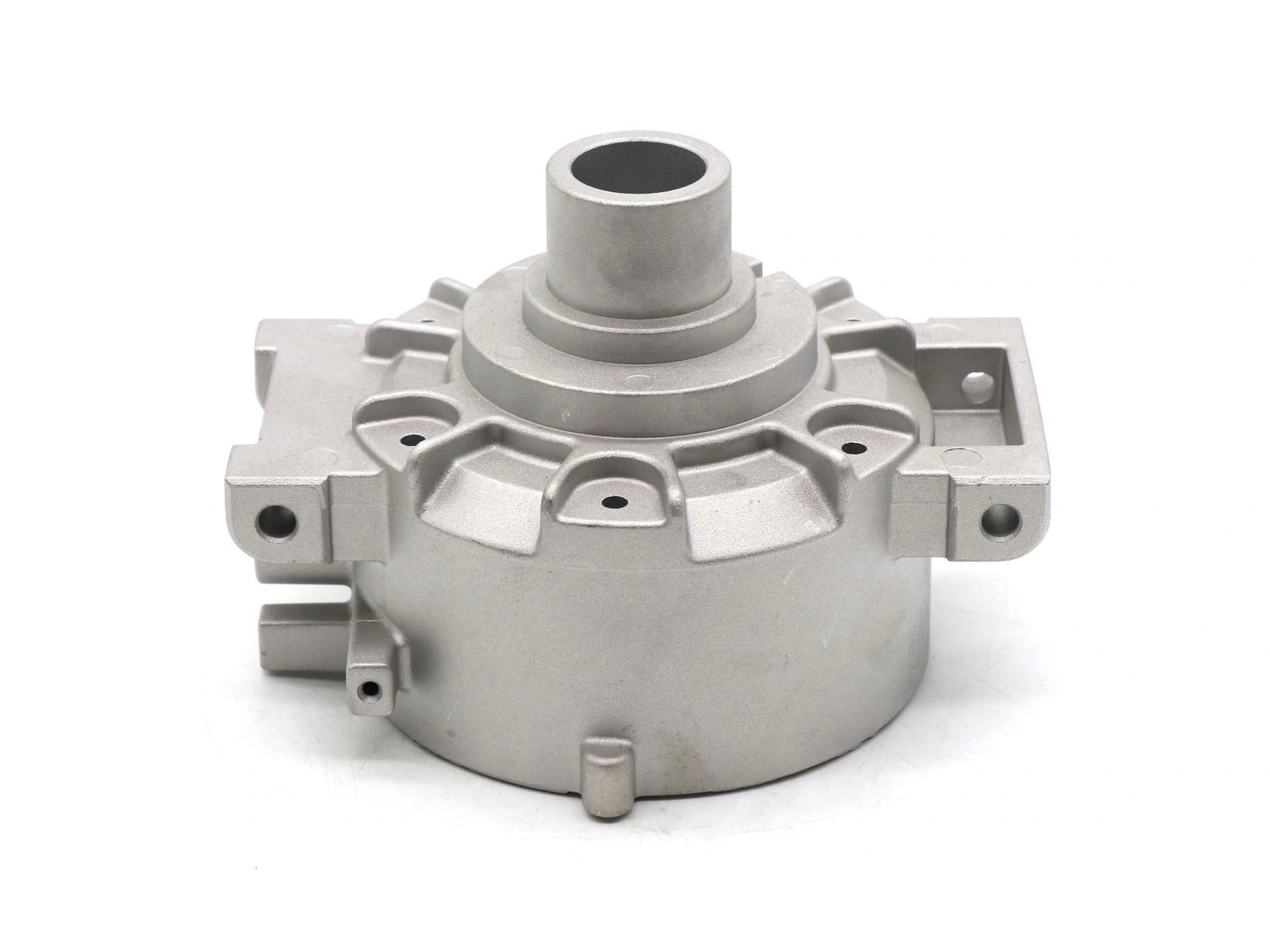
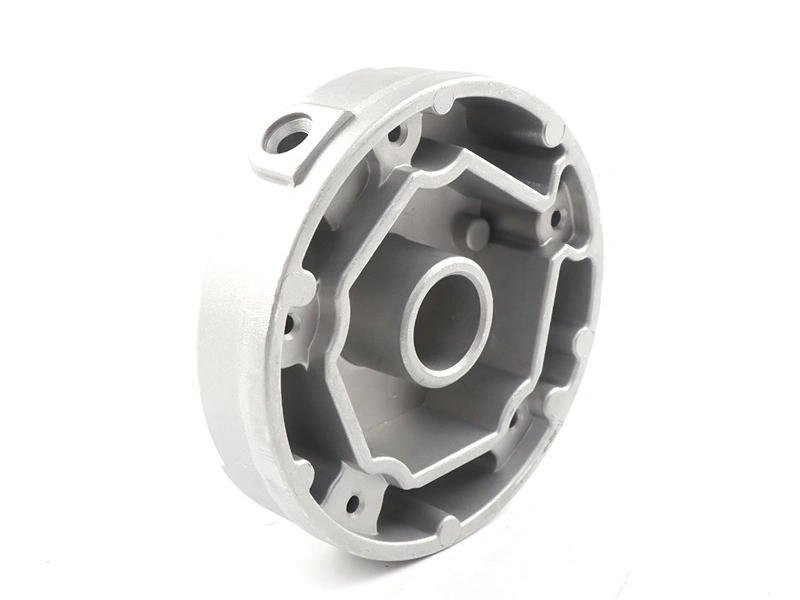
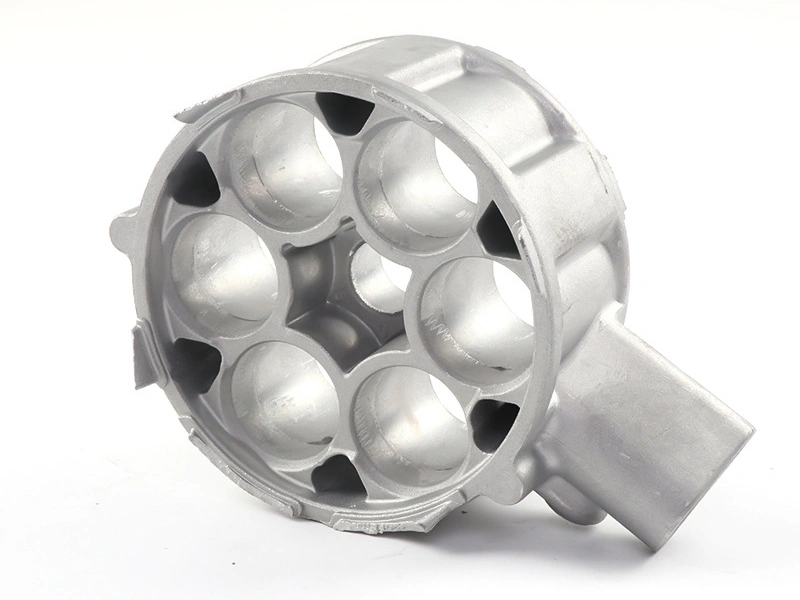
A356-T6 heat treatment is important because it changes the final mechanical-property direction of the casting and affects how the part should be machined, inspected and approved. The T6 condition commonly involves solution heat treatment, quenching and artificial aging. Buyers request A356-T6 when the final casting needs stronger structural performance than an untreated casting condition can provide.
Heat treatment is not just a note on the drawing. It can introduce distortion, change final dimensions and affect the sequence of machining operations. If a part has bores, sealing faces, datums or mounting pads, final machining may need to happen after heat treatment so the finished part meets tolerance in the approved condition.
Buyers should confirm whether A356-T6 is truly required by function or customer standard. If the part is not structural, a different alloy or casting route may be more economical. If A356-T6 is required, the supplier should plan heat treatment, distortion control, final machining and inspection together.
For A356-T6 planning, buyers can review A356 aluminum casting material and how alloy selection affects machined features and assembly fit.
A356-T6 Planning Table
Planning Item | Why It Matters | Buyer Confirmation |
|---|---|---|
Solution treatment | Prepares the alloy for the intended T6 response | Heat-treatment route is included in the quote |
Quenching | Can cause movement in thin or uneven sections | Distortion-sensitive surfaces are identified |
Aging | Controls final condition and property direction | Final condition is recorded |
Machining sequence | Final dimensions may change if machining occurs too early | Critical features machined after heat treatment if required |
Inspection | Confirms the finished part, not only the raw casting | CMM, gauges or reports match final condition |
Distortion Risk in A356-T6 Parts
Distortion risk increases when the part has uneven wall thickness, long flat faces, thin ribs, heavy bosses or asymmetric geometry. Heat treatment can move the casting enough to affect final machining. Buyers should identify flatness-controlled surfaces, bores, datum pads and mounting areas before the process is approved.
In some projects, the supplier may rough machine before heat treatment and finish machine afterward. In other projects, all precision machining may occur after heat treatment. The sequence depends on geometry, tolerance and cost. The buyer should approve the sequence because it affects lead time and inspection.
Parts with long flat faces, thin arms or uneven sections may need fixture support or process adjustment. The supplier should identify these risks before samples. If a part moves during heat treatment, the correction may involve machining sequence, design change or adjusted tolerance strategy.
What Records Buyers Should Request
Buyers may request a heat-treatment record, material record, hardness direction, first article report or final dimensional report depending on the application. Not every project needs every document, but structural or customer-controlled parts often need more evidence. The RFQ should state documentation requirements before quotation.
Sample approval should include the final heat-treated and machined condition. A raw casting that looks acceptable before heat treatment does not prove the finished A356-T6 part. The buyer should review the part after heat treatment, machining, finish and final inspection.
For repeat orders, the heat-treatment condition should be tied to the approved drawing revision and inspection standard. If the supplier changes heat treatment supplier, furnace route or machining sequence, the buyer may need confirmation that the final part still matches the approved condition.
Buyer Questions About A356-T6
Buyers should ask whether heat treatment is included, which dimensions are checked after heat treatment, whether final machining occurs afterward, and what records will be supplied. These questions prevent quotes that mention A356-T6 but omit the work needed to prove the final condition.
They should also ask what happens if trial samples move outside tolerance after heat treatment. The correction may require adjusted machining stock, a fixture change, a process change or a drawing tolerance discussion. Having this discussion before tooling or pattern approval reduces conflict later.
Heat Treatment and Surface Finish
Heat treatment can affect the timing of surface finishing. Painting, coating or blasting normally follows the casting and machining sequence that produces the final geometry. Masking may be required for machined faces, bores and threads. Buyers should approve the finished sample in the final heat-treated condition.
If the part has mating components, the buyer should test fit after final machining and finish. This confirms that heat treatment, machining and coating did not shift the part away from the real assembly requirement.
Approved samples should be retained for future production comparison.
This supports consistent repeat approval.
It is especially important for structural castings.
Neway A356-T6 Support
Neway can review A356-T6 casting requirements with casting route selection, heat-treatment planning, CNC machining and inspection. If the part is more suitable for another aluminum casting route or aluminum die casting, that should be clarified before the buyer locks the material.
The useful output is a heat-treatment-aware manufacturing plan: casting route, material condition, machining sequence, final inspection and any finish or packaging controls. That gives buyers a clearer path from material requirement to approved parts.