How Do Masking and Tight Tolerances Change Aluminum Anodizing Cost?
How Do Masking and Tight Tolerances Change Aluminum Anodizing Cost?
Masking and tight tolerances change aluminum anodizing cost because they add labor, process control and inspection. Masking protects threads, bores, sealing faces, electrical contact points, bearing seats and other features that cannot accept anodic coating. Tight tolerances require the supplier to understand whether dimensions apply before or after anodizing and whether coating buildup must be compensated during machining.
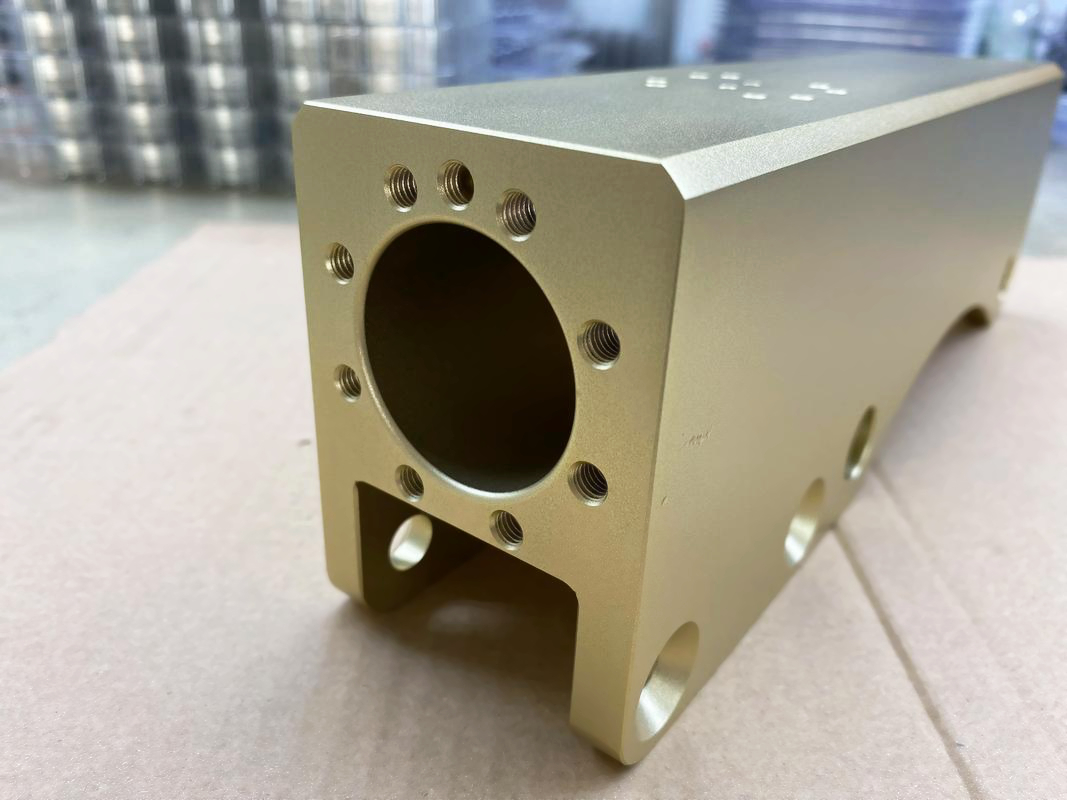
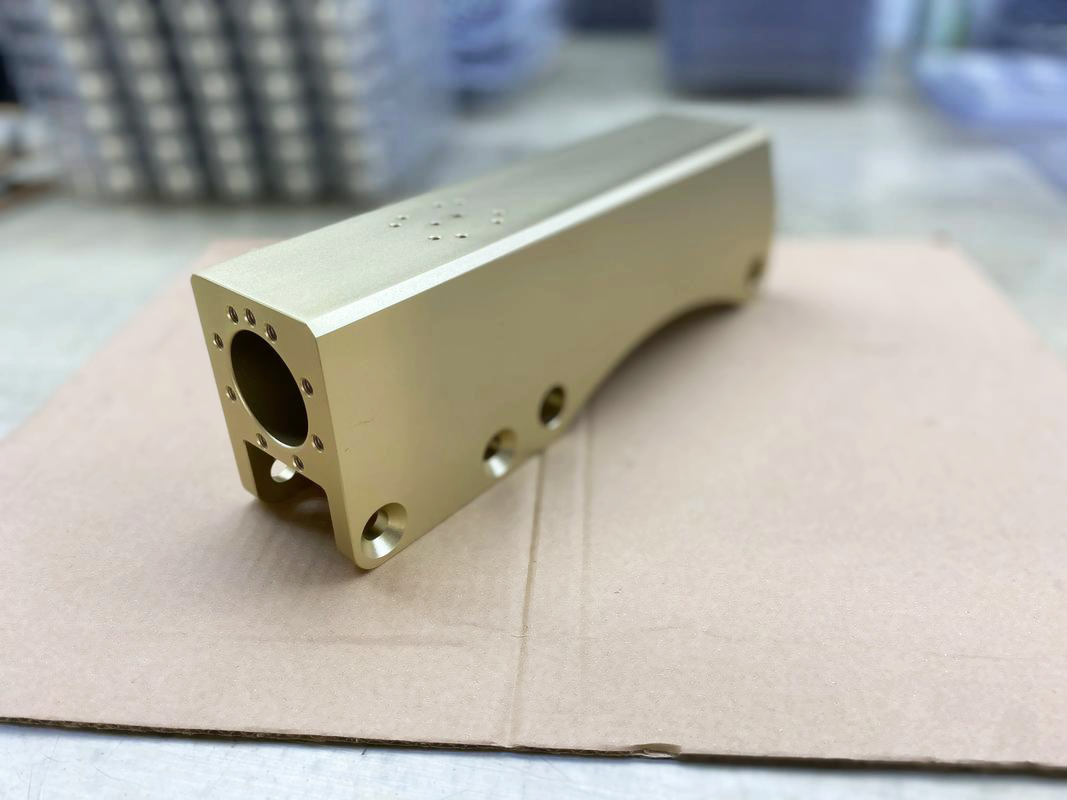
A simple part with no masked areas can move through anodizing more efficiently. A housing with many threaded holes, two bearing bores, a grounding pad and a sealing face requires more preparation before anodizing and more checking after anodizing. The cost increase comes from protecting the features that control final assembly, not from the visible surface alone.
Buyers often discover this cost late because the original RFQ only says "anodize black" or "clear anodize." Once the supplier reviews the drawing, the quote changes to include plugs, masking tape, racking limits, extra handling and gauge checks. That change is normal when the part has functional features.
For masking and fit review, buyers can use drawing details for anodized surfaces and film thickness pricing and control guidance.
Features That Often Need Masking
Feature | Why It May Need Masking | Cost Impact |
|---|---|---|
Threaded holes | Coating can affect gauge fit and screw assembly | Plugging, inspection and possible thread check |
Dowel holes | Small clearance can close after coating | Masking or final coated dimension control |
Bearing bores | Roundness and diameter may be function-critical | Machining allowance and post-finish inspection |
Sealing faces | Coating may change contact condition | Selective masking or finish approval |
Grounding pads | Anodize is electrically insulating | Masking and conductivity check if required |
Sliding slots | Clearance can reduce after coating | Thickness review and fit validation |
Why Final Coated Dimensions Matter
Anodizing creates an oxide layer that changes the surface. Part of the coating grows into the aluminum and part grows outward. The exact dimensional effect depends on process, alloy and thickness. For loose features, this may not matter. For tight holes, sliding fits and threaded areas, the difference can decide whether the part assembles.
The drawing should state whether dimensions apply before finishing or after finishing. If a bore must be a final size after anodizing, the machining supplier may need to adjust the pre-finish size. If a thread must remain uncoated, the finishing supplier needs a masking note. If the feature is not marked, both suppliers may make different assumptions.
How Masking Changes Production Cost
Masking changes cost through labor time and consistency risk. Each masked feature must be protected, and the masking must survive cleaning, anodizing and handling. Complex masking also affects racking because the part must be held without damaging the visible finish or blocking the anodized surfaces. After finishing, masked features may need visual or gauge inspection.
Small parts can be surprisingly expensive if they have many masked details. A part with twenty tapped holes may require more finishing labor than a larger plate with no protected features. This is why a supplier needs the drawing before giving a reliable cost.
Masking also creates yield risk. If a plug is misplaced, if masking leaves a rough edge, or if a protected contact pad is partly coated, the part may need rework or rejection. The supplier prices this risk when the feature is critical. A simple note such as "mask threads" is less useful than a drawing that identifies exact thread locations, depth, gauge requirement and whether minor edge marks around the mask line are acceptable.
Buyer Actions to Reduce Cost Risk
Buyers can reduce anodizing cost risk by marking masked features, separating cosmetic surfaces from functional surfaces, identifying final coated dimensions and choosing coating thickness that matches the real function. If Type II is enough, do not specify Type III hardcoat. If only selected areas need protection, define those areas instead of coating everything by default.
The buyer can also reduce cost by designing clearance with coating in mind. If the part has a sliding slot, leaving a realistic allowance may avoid expensive masking or post-finish correction. If a threaded hole is not appearance-critical, masking it from the beginning may be simpler than coating it and chasing the thread later. The best choice depends on assembly function, not on a generic finish preference.
Quote Language That Helps
Useful quote language names the feature and the acceptance condition. For example, "mask M4 threaded holes shown in Zone A" is clearer than "protect threads." "Dowel holes to meet final size after anodizing" is clearer than "anodize per drawing." If electrical conductivity matters, the RFQ should state which surfaces must remain conductive. These notes help the supplier quote masking and inspection accurately.
For complex parts, a marked PDF drawing is often more useful than a long email. Color-coded surfaces can show anodized areas, masked areas and cosmetic faces. That reduces quote revisions and prevents the finishing supplier from making assumptions about hidden functional features.
Neway can coordinate CNC machining, anodizing, masking and inspection so finished aluminum parts meet assembly requirements. Clear masking and tolerance notes help avoid a low initial quote that becomes expensive after parts fail fit checks.