Is arc anodizing suitable for aesthetic surface applications?
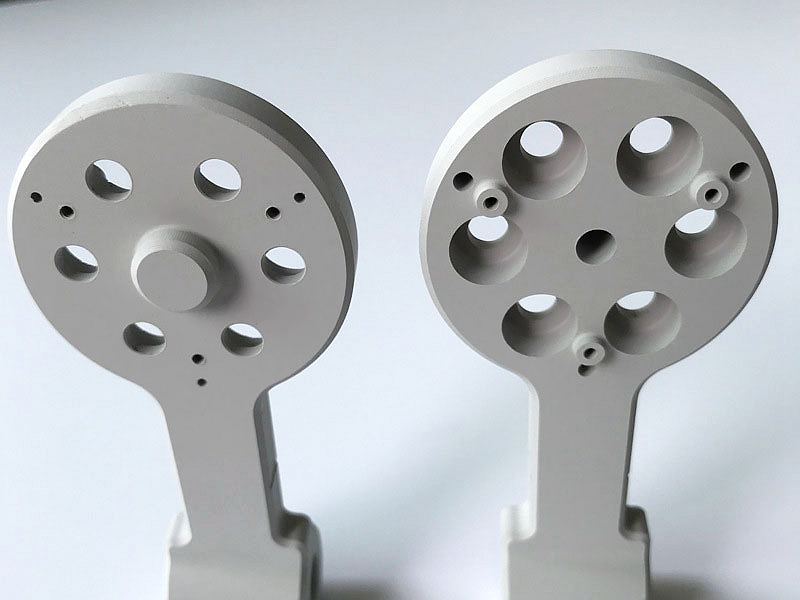
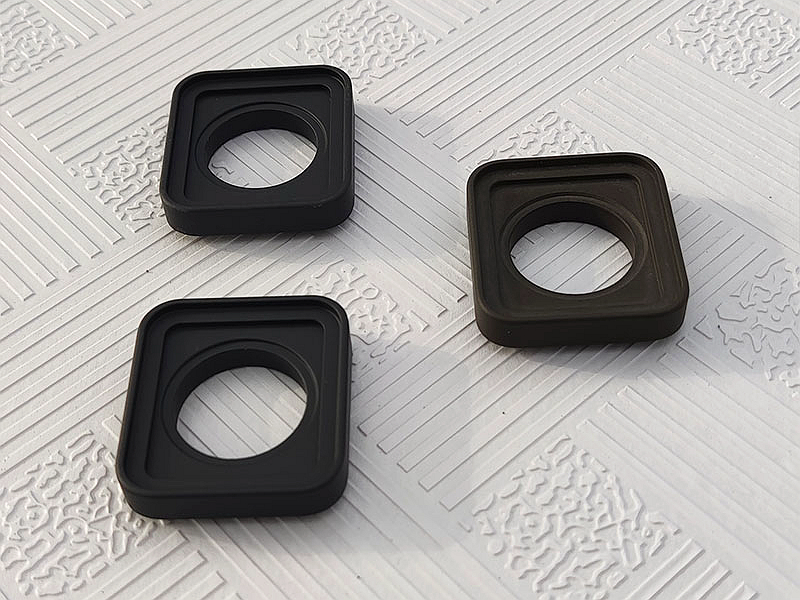
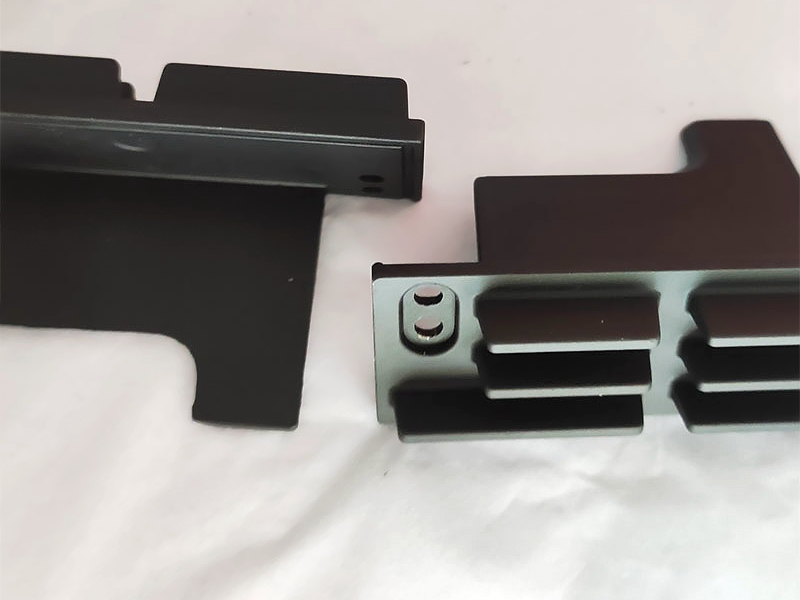
Arc anodizing can suit aesthetic surfaces when the design accepts a matte or textured technical finish, a process-specific color range and some controlled variation. It is less suitable when the product requires a broad dye palette, high gloss, metallic brightness or a very narrow color match across mixed alloys and surface states. MAO/PEO is primarily selected for function; appearance becomes a valid benefit only after production-intent samples define what the selected substrate, geometry and final post-treatment can reproduce.
Appearance comes from the complete material-process system
Alloy phases, casting skin, machined areas, blasting, polishing, cleaning, electrical distribution, electrolyte-derived species, coating architecture and sealing can all change color and texture. A flat wrought coupon may look more uniform than a complex aluminum die casting with flow junctions and machined bores.
High-silicon castings can show mottling or local tone changes, but total silicon is not the only variable. Intermetallic phases, porosity, release residue and local processing response also matter. Do not promise a shade from the alloy name or infer functional quality from darkness.
Natural MAO color is route-specific
Some MAO/PEO systems produce gray, dark, brownish, light or other tones, while electrolyte and post-treatment can alter appearance. There is no universal palette across processors or substrates. A named color without a physical reference is too vague for production acceptance.
If color controls purchasing, ask the processor to make production-intent samples using the final alloy, prefinish, coating and sealer. Approve a range rather than one ideal image. Record viewing light, angle, distance and permitted zone-to-zone variation so inspectors make the same decision.
Texture can be useful or unacceptable
Discharge-assisted growth can create a microtextured surface. Diffuse reflection may reduce glare or convey a ceramic appearance. The same texture can feel abrasive, trap soil, wear a mating surface or conflict with a seal. Post-polishing can change both appearance and functional architecture.
Specify roughness only where it supports touch, cleaning, bonding or contact. Include tactility and cleanability trials for handled products. A visual approval cannot prove that texture works at an interface.
Aesthetic route selection table
| Design intent | MAO/PEO position | Alternative to compare | Approval evidence |
|---|---|---|---|
| Matte technical ceramic appearance plus function | Good candidate if natural variation is acceptable | Textured powder coat or conventional anodizing | Final-stack physical reference range |
| Bright saturated color | Process-specific and often constrained | Dyed anodizing, paint or powder coating | Color range and durability under service exposure |
| High gloss or metallic brightness | Usually conflicts with as-processed texture | Polishing plus compatible clear or decorative finish | Gloss, image clarity and handling test |
| Mixed as-cast and machined zones | Visible differences are likely unless designed in | Opaque coating where uniformity dominates | Zoned master samples from production parts |
Functional post-treatments can change the approved look
A corrosion sealer, impregnation, topcoat or polishing step can change tone, gloss, feel and stain response. The cosmetic approval must use the finished stack, not the bare MAO layer. If the post-treatment changes for performance or regulation, visual reapproval may be necessary.
Handling, packaging and assembly can also mark a rough surface. Test contact with protective films, trays, gloves, adhesives and cleaning agents. Define repair policy because local touch-up may not match a conversion-grown appearance.
Conventional anodizing and opaque coatings may fit better
Conventional anodizing can provide a different texture and dye route on suitable aluminum, while paint and powder coating can hide substrate variation and offer broader color control. They have their own alloy, pretreatment, durability and dimensional limits.
Compare the final surface against the same appearance and service tests. MAO should not be selected only because it looks rugged or expensive. It is appropriate when its visual range supports the product and its functional architecture earns the additional process complexity.
Write a cosmetic specification that can be inspected
Mark cosmetic zones, hidden zones, rack contacts, mask transitions and allowed defects on the drawing. Provide approved upper/lower physical references for tone, mottling, texture and gloss. Define lighting and cleaning before inspection. Keep digital images for orientation, not final color judgment.
The RFQ should include alloy, product form, as-cast/machined surface map, prefinish, final stack, handling environment and annual volume. Aesthetic MAO is production-ready when the supplier can reproduce the approved range on representative parts and the buyer accepts the function/appearance tradeoff.
Approve variation across parts and across zones
A single master part cannot describe every acceptable production extreme. Build a reference set that covers light/dark tone, texture, local mottling and mask transitions within the agreed process. Identify whether comparisons apply part-to-part, within one cosmetic face, or between different surface states. Those are different inspection questions.
During qualification, sample normal material and process variation rather than selecting only the best-looking piece. Link reference samples to alloy lot, cavity or build, machining and coating load. If the product contains matched components, evaluate them together because an individually acceptable range can still produce an objectionable pair.
Test appearance after cleaning and use exposure
Fingerprints, oils, cleaners, ultraviolet exposure, heat, abrasion and packaging contact can alter perceived tone or gloss. Use only the exposures relevant to service, then reassess both appearance and coating function. A sealer that improves stain resistance may change color or bonding behavior.
Define acceptable cleaning methods in the product documentation and verify that routine cleaning does not leave residue in the texture. This closes the aesthetic decision around the surface customers actually see, not the fresh coating at the processor.