What factors determine whether a substrate is suitable for MAO?
A substrate is suitable for MAO only when six conditions align: the metal supports the intended discharge-assisted oxide route; the exact alloy and product form are qualified; the starting surface is controlled; the geometry can be processed and inspected; the final coating system passes the required function; and a capable supply route can reproduce it. Being aluminum, magnesium or titanium makes a material a candidate. It does not approve a porous casting, mixed-metal assembly or unverified coating specification.
Gate 1: confirm the metal and process family
Define MAO/PEO in the project vocabulary and separate it from conventional hard anodizing. Identify which metal forms the conversion layer and whether any intermediate coating is used. Aluminum, magnesium and titanium are common candidate families. A proposed zinc, copper or steel route needs a higher proof threshold because it may be experimental or a hybrid stack rather than ordinary valve-metal PEO.
Ask the supplier for its currently qualified metal/alloy range and process identifier. Do not rely on visible sparking, a ceramic appearance or a service-page list. The evidence should name the substrate, starting condition, final stack and tests.
Gate 2: qualify exact alloy and product form
Alloy chemistry and phases influence oxide growth. Product form influences microstructure and defects. Wrought, forged, extruded, cast and additively manufactured parts with the same nominal base metal can behave differently. Temper, heat treatment and material source may also matter. Keep these attributes in the approval record.
For aluminum die castings, inspect silicon/intermetallic distribution, pores, laps, skin and machined transitions. A360 should not be assumed preferable; A380 should not be rejected without a trial. Select by complete component requirements and production evidence.
Gate 3: control the surface delivered to coating
Release agent, coolant, polishing compound, blast media, oxide, corrosion inhibitor and handling residue can affect discharge and later adhesion. Cleaning must suit the alloy without excessive attack. Machining can expose pores or a different phase population. The approved prefinish route should state as-cast, machined, blasted, polished or another condition.
Surface soundness is function-specific. A shallow pore outside the dielectric zone may be acceptable while the same pore at a sealing land fails the design. Define defect criteria by zone. Use targeted cross-sections or nondestructive inspection where the risk justifies it.
Gate 4: review geometry, racking and dimensions
Part size, mass, deep holes, blind cavities, thin edges, narrow gaps and area ratios can affect fixture, current distribution, gas release, cooling, rinsing and inspection. Define rack-contact locations and surfaces to mask. Mixed-metal inserts may require assembly after coating or dedicated protection.
Most cutting is often completed before MAO, but post-coating polishing, grinding or local removal can be planned. Mark each final surface and whether its dimension applies before coating, after PEO or after final post-treatment. Do not use an assumed universal growth factor.
Gate 5: prove the final function
| Function | Suitability evidence | Insufficient shortcut |
|---|---|---|
| Wear | Representative counterface, load, motion, roughness and lubrication test | One microhardness value |
| Corrosion | Final seal/topcoat stack on component-relevant specimens and rated exposure | Generic salt-spray hours |
| Dielectric | Defined electrode geometry, locations, environment and failure criterion | Average coating thickness |
| Thermal | Test tied to barrier, emissivity or assembly heat-flow objective | "High-temperature coating" label |
| Bonding/topcoat | Cleanliness, open time and full-stack adhesion/durability | Surface roughness alone |
Gate 6: confirm a reproducible supply route
A technically promising coupon is not a production process. Confirm processor capacity for the alloy, geometry, load size, fixture, post-treatment, inspections and reports. Identify outsourced laboratories and downstream finishing. Define who owns failed trials and nonconforming production.
Trace material, manufacturing batch, prefinish, coating load and post-treatment. Establish notification and requalification rules for alloy source, heat treatment, casting/tooling, machining, cleaning, electrolyte family, waveform family, fixture and final stack. Suitability includes commercial repeatability and change control.
Go/no-go review table
| Decision | Condition | Next action |
|---|---|---|
| Go to trial | Candidate metal, controlled substrate and plausible supplier route | Run production-intent process and functional qualification |
| Conditional | Alloy or geometry risk exists but can be isolated | Use a test matrix and boundary samples before design lock |
| Change substrate/process | Required function conflicts with substrate or available coating route | Compare alloy, product-form or finish alternatives |
| No-go | Undefined process, no substrate-specific evidence or unacceptable risk | Do not release tooling or production around the claim |
RFQ checklist
Provide exact material specification, product form, heat treatment, manufacturing and surface route, model/drawing, dimensions, zones, rack/mask needs, service, mating materials, final coating stack, tests, sampling, quantities, documentation, packaging and change-control requirements. State what requirement is negotiable and what is design-locked.
Use the arc-anodizing classification framework to normalize supplier proposals. The final yes/no decision should cite production-intent evidence and unresolved limits. That is more reliable than approving MAO from the metal name alone.
Close the decision with an approval evidence package
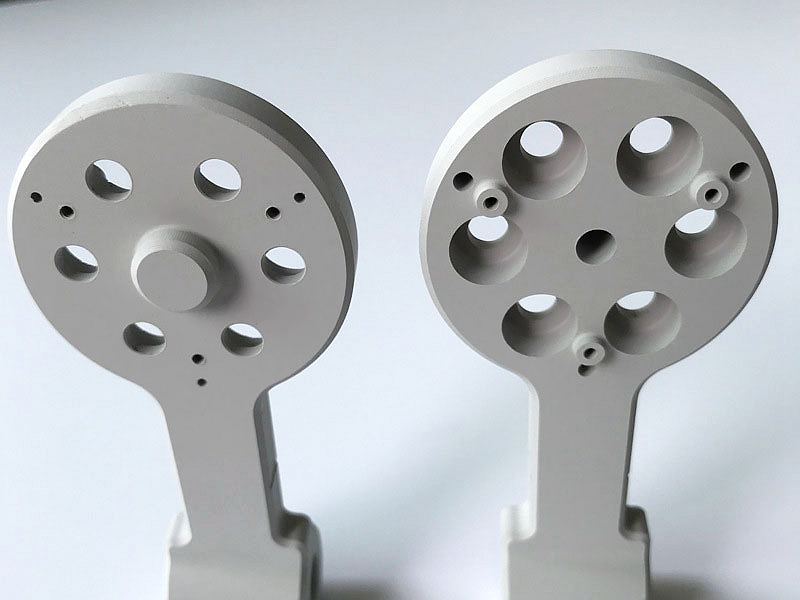
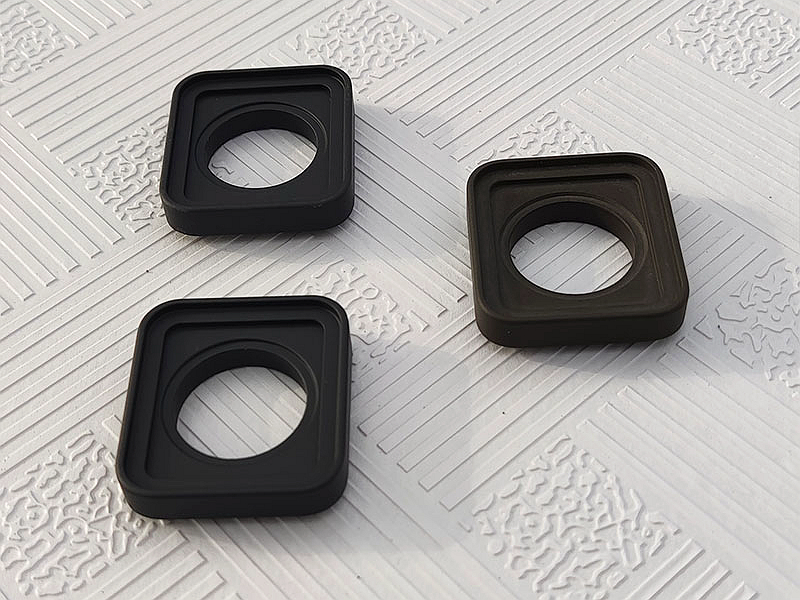
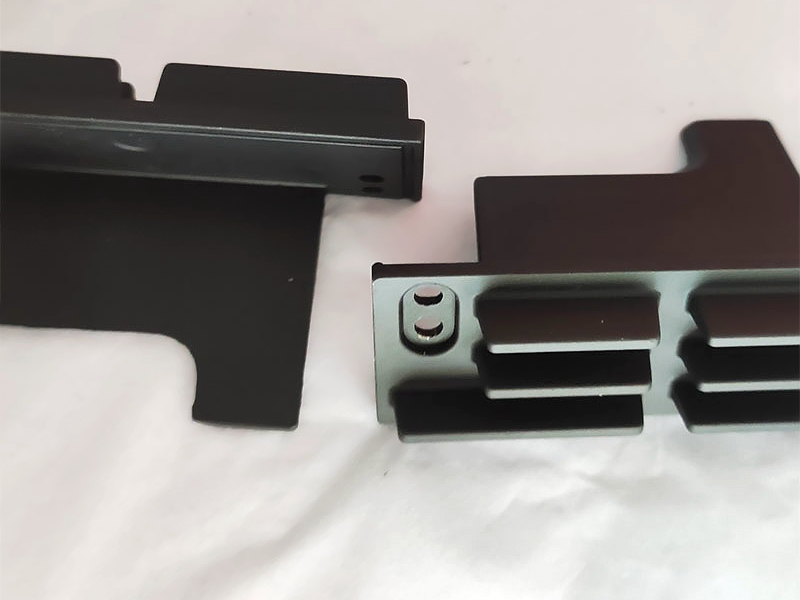
The package should identify the approved alloy and product form, substrate supplier or controlled range, manufacturing state, surface preparation, coating processor, process designation, fixture/mask plan and final post-treatment. Add inspection locations, measurement methods, functional test conditions, acceptance criteria and representative results. Photographs can support appearance control, but they cannot replace cross-sectional or functional evidence.
Document unresolved boundaries as restrictions: excluded surfaces, maximum geometry envelope, mixed-metal limitations, areas not rated for dielectric use, or a required sealer that must remain intact. Assign a technical owner to review changes. This converts a conditional go decision into something production and purchasing can enforce without implying that every part made from the same base metal is approved.