What surface finishes can be achieved with MAO?
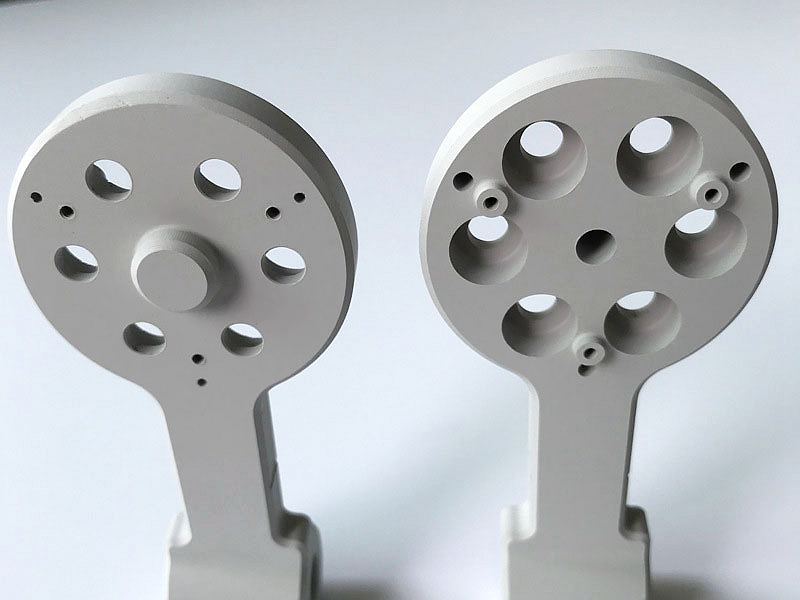
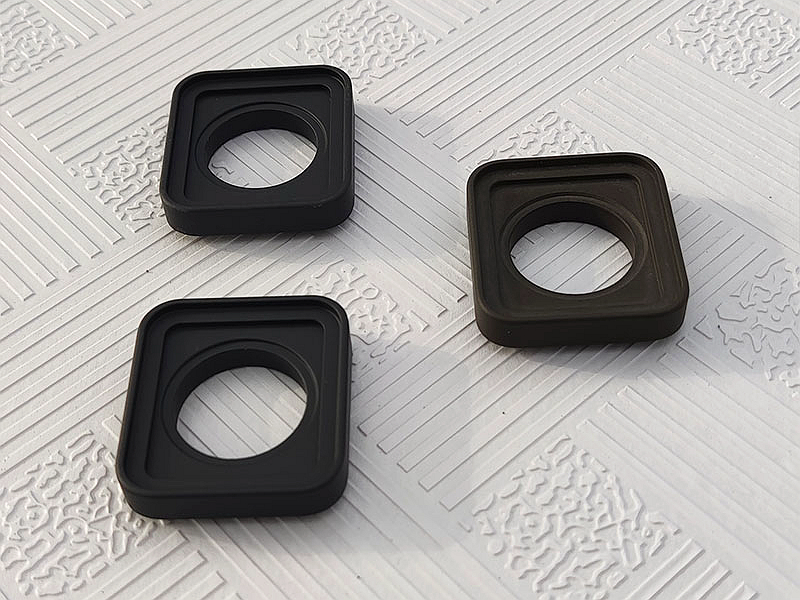
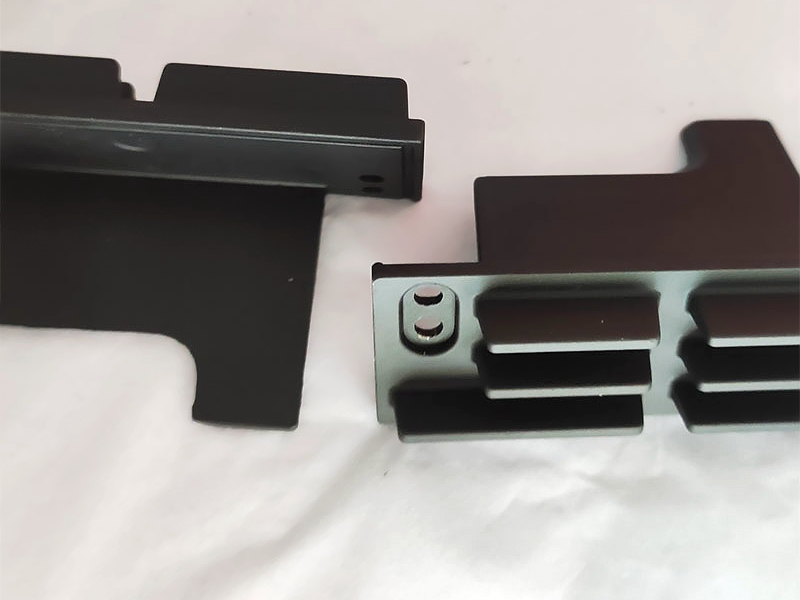
MAO can produce an as-formed matte or micro-textured oxide, a mechanically smoothed ceramic surface, a sealed or impregnated finish, or a duplex surface carrying paint or another compatible top layer. Its natural color and texture depend on the substrate alloy, preparation, electrolyte, electrical recipe, coating architecture and load. Gray, off-white, dark or other route-specific tones may occur, but MAO does not have one fixed palette. Appearance must be approved on production-intent parts rather than inferred from the process name.
Four Practical Finish Families
| Finish family | How it is made | Useful attributes | Main acceptance risk |
|---|---|---|---|
| As-formed MAO | Rinsed and dried after the qualified electrical cycle | Natural matte appearance and retained outer texture | Roughness, discharge marks, contact witness and alloy-related color variation |
| Smoothed MAO | Controlled polishing, lapping or other material removal | Reduced peak roughness, altered friction or improved tactile feel | Uneven removal, loss of functional depth and exposed substrate at edges |
| Sealed or impregnated MAO | Pores or surface are treated with a compatible inorganic or organic system | Changed corrosion path, cleanability, friction, gloss or color depth | Incomplete penetration, residue, discoloration and changed electrical behavior |
| Duplex decorative or functional finish | MAO acts as a base for primer, paint, lubricant or another layer | Broader color choice or added chemical, friction or sealing function | Intercoat adhesion, edge coverage, dimensional buildup and repair mismatch |
Natural Color Is Process- and Alloy-Specific
The visible MAO surface reflects oxide phases, incorporated electrolyte species, roughness and light scattering. Aluminum, magnesium and titanium routes can therefore look different. Within one family, alloying phases and product form matter. A high-pressure die casting can show local tone or texture related to segregation, flow pattern, pores or machined areas. A wrought coupon is not a reliable color master for that casting.
Electrical parameters and load arrangement also influence appearance. Edges, recesses and areas near fixture contacts may develop differently from an open flat face. Bath condition and post-rinse residue can shift the visual result. The supplier should define what variables are controlled, but a buyer should not expect a catalog color to transfer unchanged across alloys, shapes or processors.
Titanium MAO may be designed for optical effects in some routes, while other recipes prioritize surface chemistry or texture. Aluminum and magnesium may yield light or dark natural tones depending on the system. Bright or saturated appearance is not categorically impossible, yet it usually needs route-specific evidence or a secondary decorative layer. Conventional anodizing remains a strong candidate when repeatable dye color is the primary objective.
Texture and Gloss Are Engineering Variables
Micro-discharges commonly create a textured outer surface, but "orange peel" is too specific to serve as a universal description. Texture depends on initial roughness, alloy response, recipe and architecture depth. Report a defined roughness parameter and measurement method where function depends on it. A stylus trace, optical measurement and visual comparison do not necessarily describe the same feature.
Texture can help retain lubricant or provide a mechanical key for a later coating. The same texture can raise friction, abrade a seal, trap soil or make a cosmetic part difficult to clean. Gloss readings may be sensitive to texture direction and instrument geometry. The drawing should state whether roughness, gloss, tactile feel or only a visual range controls acceptance.
Post-Treatment Changes More Than Appearance
Smoothing removes high points and may improve sliding contact or feel, but the amount removed must be controlled. Edges and convex features can lose more coating than recessed areas. Inspect residual architecture at the functional locations, not only overall thickness. If final size matters, measure after smoothing.
Sealers and impregnants can darken the surface, change gloss and make it easier to clean. They can also affect friction, adhesion, outgassing, dielectric leakage or temperature behavior. Paint and other duplex layers can provide a specified color while MAO supplies an underlying conversion surface. Compatibility and adhesion must be tested after the intended humidity, heat, fluid and cleaning exposures. The complete post-processing route is the purchased finish.
Appearance Does Not Prove Function
A uniform matte surface does not prove coating depth, closed corrosion paths, dielectric strength or wear resistance. Conversely, a minor shade difference may have no functional effect. Cosmetic and functional defects should be classified separately. Contact marks, bare areas, blisters, cracks, residue, roughness variation and color variation can have different disposition rules.
Use microscopy, thickness or architecture inspection and functional testing for engineering properties. Use agreed visual or instrumental criteria for appearance. The related aesthetic MAO selection guide helps decide whether natural MAO or a decorative duplex finish is the better route.
Build a Cosmetic Acceptance Standard
Divide the drawing into cosmetic zones. Identify hidden, customer-facing, sealing, sliding, grounding and contact-witness areas. Approve upper and lower limit samples made from the production alloy, surface preparation and geometry. Record their part revision and finish route so an old sample does not silently govern a changed process.
Define lighting type, intensity where needed, viewing distance, viewing angle and inspection time. State whether small variations across one part, between cavities and between lots are permitted. If color or gloss is measured, identify instrument geometry, location and allowed range. Texture should have a measurement method and trace direction. Include scratches, pits, contact marks, stains, edge effects and repair as separate defect classes.
Packaging and handling deserve approval because a textured surface may show rub marks, fingerprints, oil or fiber differently after transport. Cleanability should be tested with the actual cleaner and wipe. For consumer touch surfaces, evaluate tactile change and soil removal after representative use rather than approving only fresh parts.
Finish Selection
Choose as-formed MAO when its natural appearance and outer texture are acceptable and function benefits from retaining them. Choose smoothing where peak roughness or fit controls, sealing where the final barrier or cleanability needs it, and a duplex finish where color or another surface function requires a separate layer. Specify the final stack, not just "MAO finish," and qualify it on production-intent parts.
The achievable surface is therefore broader than one matte gray result, but each option carries tradeoffs. The buyer's best control is a finish family tied to roughness, dimensions, function, limit samples and post-treatment records. That makes appearance repeatable enough for the intended product without turning a route-specific MAO outcome into an unsupported universal promise.