Which Features Need Masking Before Micro-Arc Oxidation?
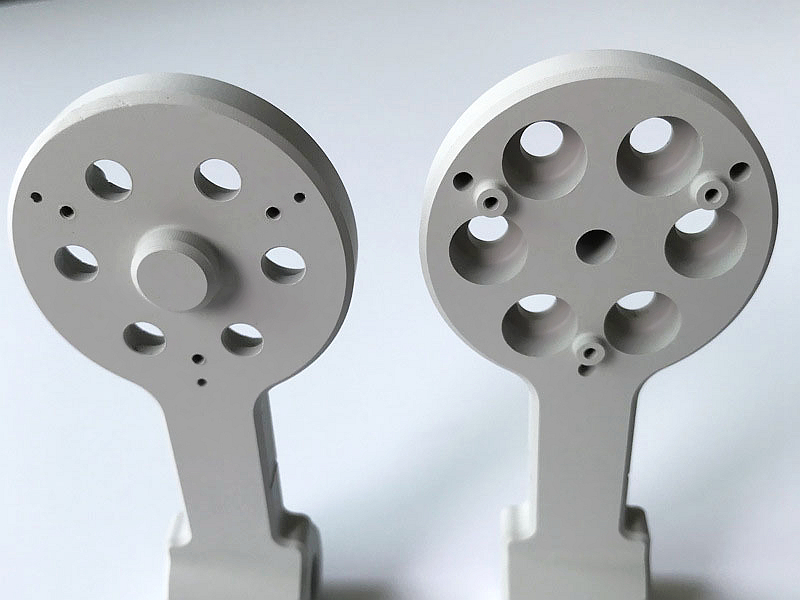
Masking for micro-arc oxidation covers four features on a robot exoskeleton frame: threads, fits, grounding points and datums. The film grows out of the aluminum, so a masked face is metal that must stay metal. Name the four before the part reaches the micro-arc oxidation tank, because each repair costs more than the mask.
The Four Surfaces That Stay Bare
MAO converts the substrate into oxide with no plating underneath, so the surface moves rather than gaining a layer that could be stripped. Masking is a surface-by-surface call. A thread with film on its flanks will not take the fastener. A fit face with film no longer meets the ±0.02 mm target; on a frame cast in ADC12 to ASTM B85, that target sits on the joint seat.
A grounding point needs bare metal under the lug, and a datum needs a machined face for the next setup. The table pairs each feature with the failure it causes and the check that catches it.
Masked feature | Failure if coated | Method | Check after coating |
|---|---|---|---|
Thread | Fastener will not take the pitch diameter | Plug or cap to depth | Go/no-go gauge at full depth |
Fit face | ±0.02 mm seat moves by the film | Tape or lacquer, border on the drawing | Film thickness gauge and CMM points |
Grounding point | Lug lands on oxide | Tape or reusable plug | Bare metal checked before the lug |
Datum | Next setup locates off oxide | Tape, datum symbol kept clear | Datum face inspected bare |
The list stops at four. Bare metal is unprotected metal, so masking every machined face trades a fit problem for a corrosion problem on surfaces that never touch anything.
Why the Miss Shows Up at Assembly
The route puts MAO after CNC and before final inspection, and the masking happens inside the coating step. Nothing on the finished part records which faces were masked. A coated thread still looks like a thread, and a coated datum face still looks flat, so an inspection built on coating appearance passes the part.
At assembly, a fastener binds before it reaches torque, a ±0.02 mm seat stands off by the film, and a ground lug meets oxide. The batch is already at the line before anyone asks which face was supposed to stay bare.
A miss on a face nobody touches during assembly hides longer, often until the next machining setup or the fixture downstream. That is why the gauge check belongs before assembly, not after the line stops.
Plugging, Taping, or Reaming After
Two methods cover the four items. Threads take plugs or caps seated to depth. Faces and datums take tape or lacquer, with the border on the drawing. Each method fails in its own way: a plug that backs out, or tape that lifts at the edge and lets film creep under the border.
Reaming is the repair for a coated thread, and it cuts film from the flanks along with metal. The gauge may pass afterwards. The engagement is now smaller than the drawing asked for, so the reamed thread is a concession to record. A coated fit face has no such repair, since removing film from a face moves the surface that ±0.02 mm was measured on.
Go/No-Go on Threads After Coating
Run the go/no-go gauge after MAO and before assembly, at full thread depth, and read the film thickness gauge beside the mask to confirm the border held. The ±0.02 mm seat takes CMM points where the drawing calls for them. Repeat this per batch, since masking is a manual step performed hundreds of times.
A gauge that drags means the mask list or the plug method is wrong. Stop and check the batch, because the same instruction produced every part behind it. Two holes that gauge clean clear nothing.
Skipping the gauge moves the check to the assembly line, where a failed thread costs a disassembly and a re-clean.
Put the Mask List on the Drawing
Four lines on the drawing carry the decision: the feature, the border of the mask, the method, and the check after coating. They belong in the post-processing notes, and the purchase order repeats them. A phone call to the coating shop is not a specification, because the shop masks what the sheet says and fills the rest from habit.
A drawing that says mask threads leaves three items to chance, and the batch that returns will pass a thread gauge and fail at the seat. Send the four-line list with the drawing, and ask for the gauge records with the first batch.