What Is Copper Alloy Die Casting Used For?
What Is Copper Alloy Die Casting Used For?
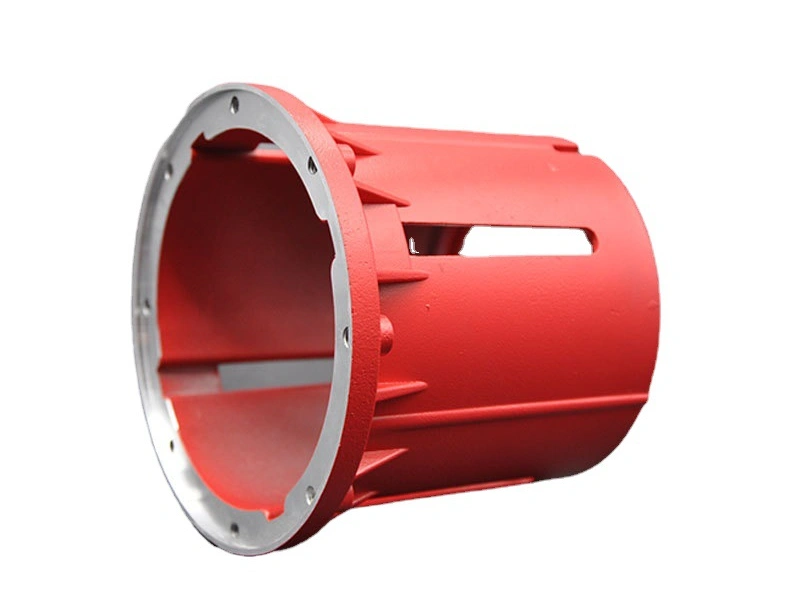
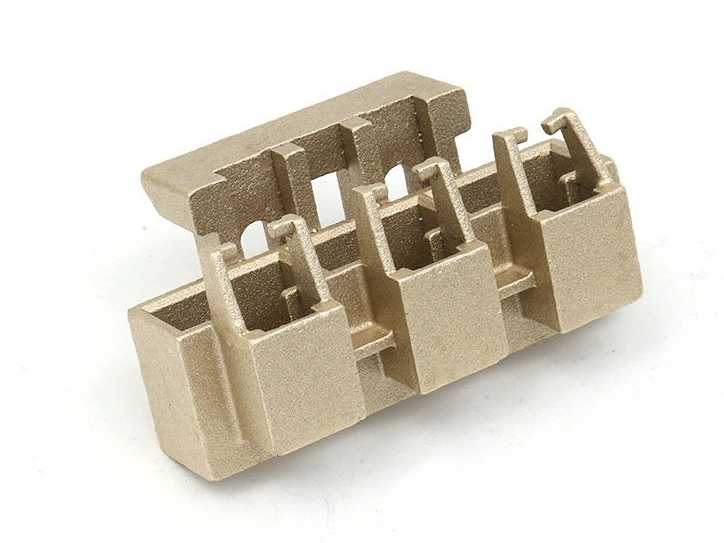
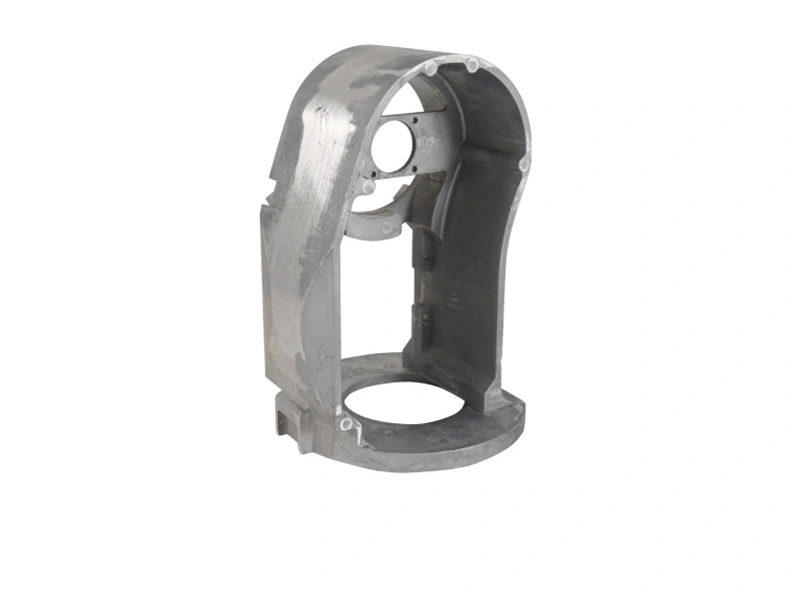
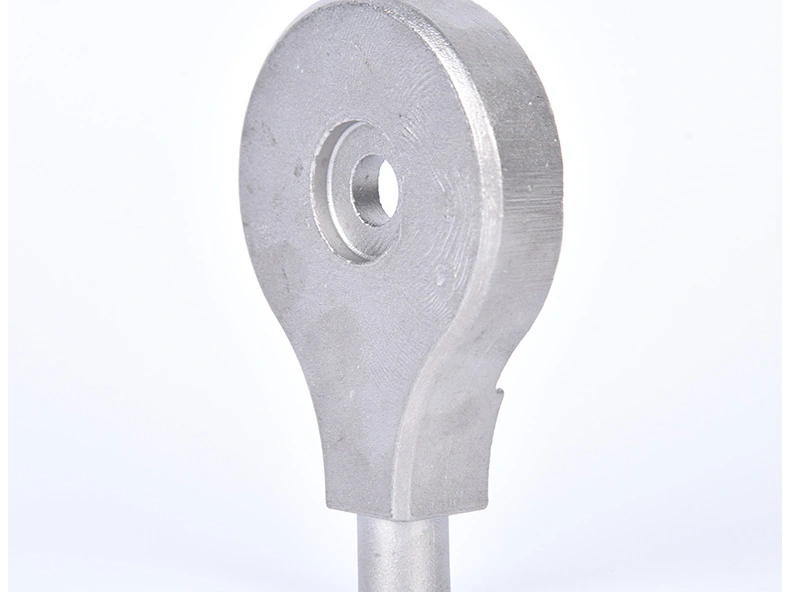
Copper alloy die casting is used to produce custom metal parts that need electrical conductivity, thermal conductivity, wear resistance, corrosion resistance, mechanical strength, and dimensional stability. It is commonly used for conductive parts, heat-transfer components, industrial hardware, mechanical structures, connectors, wear-resistant parts, and special functional metal components.
Compared with ordinary structural materials, copper alloys are often selected when the part must perform more than a simple mechanical function. If buyers need metal strength plus conductivity, heat transfer, wear resistance, or corrosion resistance, copper die casting can be more valuable than using a general lightweight or low-cost material.
1. Common Uses of Copper Alloy Die Casting
Application Type | Typical Parts | Why Copper Alloy Die Casting Fits |
|---|---|---|
Conductive parts | Terminals, connectors, contact components, current-carrying parts | Copper alloys support electrical performance and stable custom geometry |
Thermal parts | Heat-transfer parts, thermal connectors, high-temperature functional parts | Copper alloys can support heat conduction where thermal performance matters |
Industrial hardware | Fittings, brackets, housings, mechanical hardware, durable metal components | Provides strength, wear resistance, and production repeatability |
Mechanical structure parts | Supports, precision components, functional housings, load-related parts | Combines metal strength with stable dimensions and post-machining options |
Wear-resistant parts | Bushings, contact surfaces, sliding parts, mechanical interfaces | Useful when parts face friction, contact, or long-term mechanical use |
2. When Copper Die Casting Is More Suitable Than Ordinary Metal Casting
Custom metal casting can produce many types of metal components, but copper alloy die casting is more suitable when the part has functional performance requirements. Buyers should consider copper alloys when the product needs conductivity, heat resistance, wear resistance, corrosion resistance, or high reliability in industrial use.
Buyer Requirement | Why Copper Alloy Helps | Commercial Value |
|---|---|---|
Electrical conductivity | Copper alloys can support current-carrying or contact functions | Reduces risk of poor electrical performance |
Thermal conductivity | Copper alloys can help transfer or manage heat | Improves functional performance in heat-related applications |
Wear resistance | Selected copper alloys can perform well in friction or contact environments | Improves service life and reduces failure risk |
Dimensional stability | Die casting plus post-machining can control key dimensions | Supports assembly fit and repeatable production |
3. How Tooling and CNC Machining Support Copper Alloy Parts
Copper alloy die cast parts often need careful tooling and post-processing planning. Tooling for copper die cast parts affects filling, shrinkage, surface quality, dimensional control, and production consistency. CNC machining after copper die casting can be used for precision holes, threads, sealing faces, conductive contact areas, and assembly datums.
Process Area | Why It Matters | Buyer Benefit |
|---|---|---|
Tooling design | Controls mold filling, cooling, venting, and part repeatability | Reduces sample failure and mass production defects |
CNC machining | Controls holes, threads, flat faces, contact areas, and tight-tolerance features | Improves fit, conductivity contact, sealing, and assembly reliability |
Inspection | Confirms critical dimensions, functional surfaces, and batch consistency | Reduces quality disputes and production risk |
4. Copper Alloy Die Casting vs Aluminum Die Casting
If the buyer mainly needs lightweight structure, housing parts, or cost-effective volume production, aluminum die casting for lightweight parts may be more suitable. If the part needs conductivity, wear resistance, heat transfer, or stronger functional performance, copper alloy die casting may provide more value.
Material Direction | Best Fit | Typical Buyer Decision |
|---|---|---|
Copper alloy die casting | Conductive, thermal, wear-resistant, corrosion-resistant, and functional metal parts | Choose when performance is more important than lowest material cost |
Aluminum die casting | Lightweight housings, heat sink structures, automotive and industrial aluminum parts | Choose when weight reduction and cost-effective production are priorities |
5. Summary
Copper Alloy Die Casting Is Used For | Main Value |
|---|---|
Conductive parts | Supports electrical contact and current-carrying functions |
Thermal parts | Supports heat transfer and functional thermal performance |
Industrial hardware | Provides durable custom metal components for industrial use |
Mechanical structure parts | Combines strength, accuracy, and production consistency |
Wear-resistant parts | Improves service life in friction, contact, or load-related applications |
In summary, copper alloy die casting is used for conductive parts, thermal parts, industrial hardware, mechanical structures, connectors, wear-resistant components, and special functional metal parts. If a buyer’s part needs not only metal strength but also conductivity, heat transfer, wear resistance, corrosion resistance, and stable dimensions, copper alloy die casting is often a strong manufacturing choice.