How Are Finished Custom Metal Castings Produced After Casting?
How Are Finished Custom Metal Castings Produced After Casting?
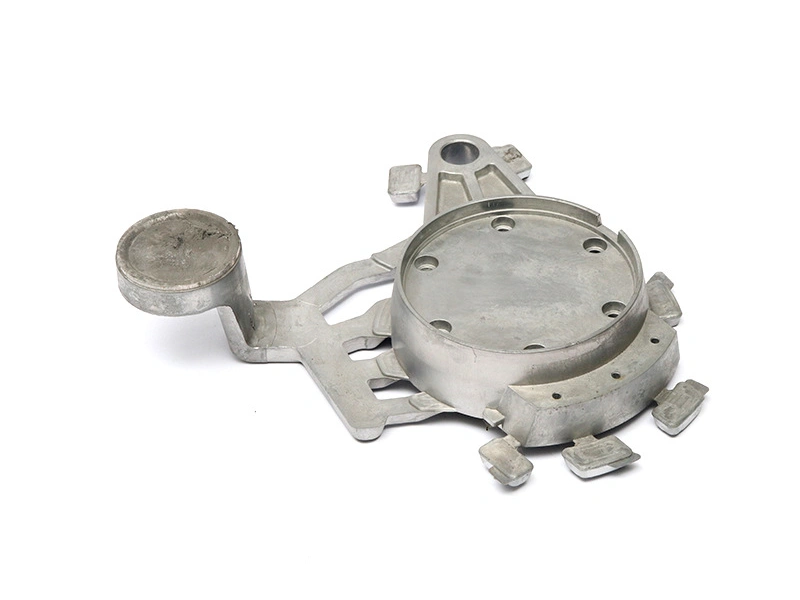
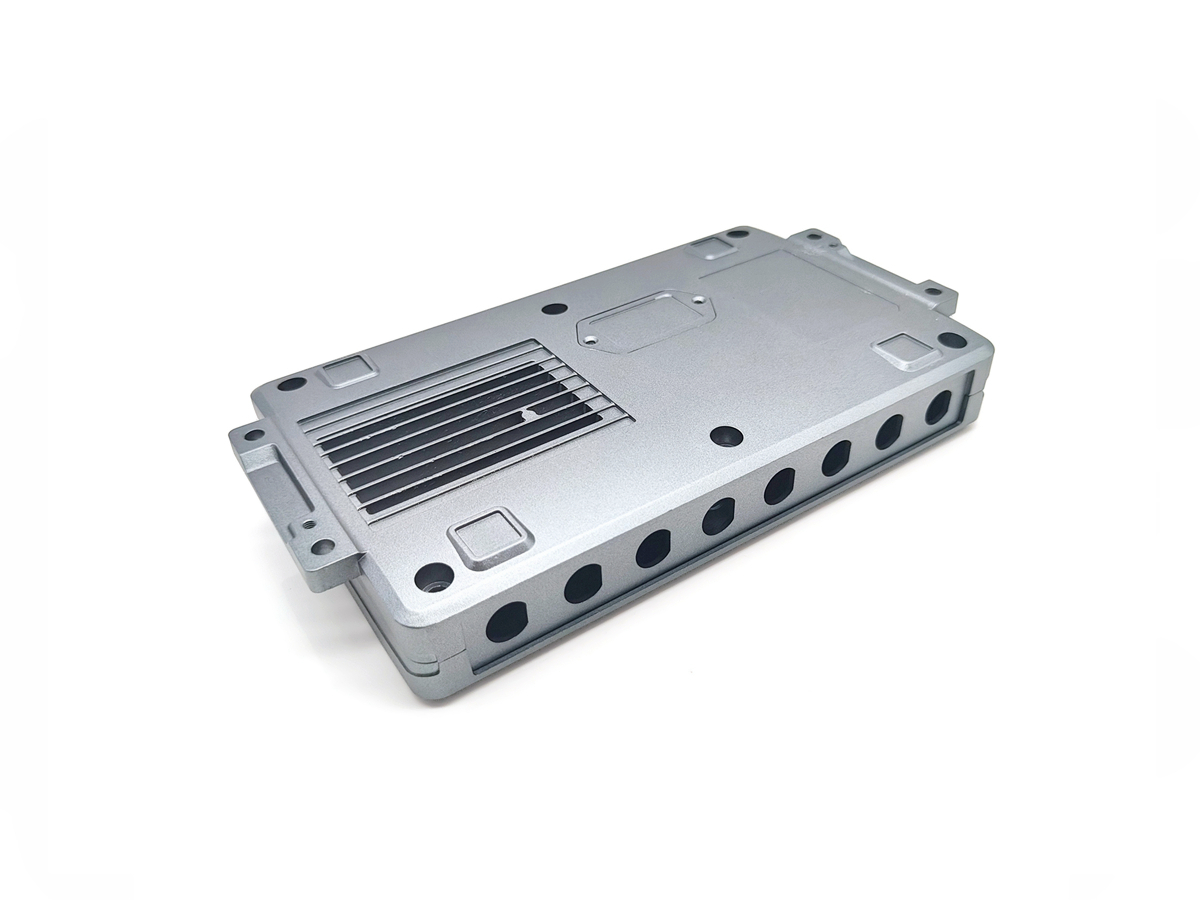
Finished custom metal castings are produced after casting through trimming, deburring, CNC post-machining, surface finishing, inspection, assembly and packaging. These steps turn casting blanks into usable components that meet dimensional, appearance and functional requirements. Buyers who need finished parts should confirm these processes before quotation.
1. Why Casting Blanks and Finished Castings Are Different
A casting blank provides the basic metal shape, but it may not yet be ready for assembly or final product use. Finished custom metal castings may need machined holes, threads, flatness control, coating, painting, cosmetic inspection, functional testing, assembly and secure packaging.
If buyers assume the quotation includes finished castings but the manufacturer only quotes blanks, extra cost and delays can appear later.
After-Casting Step | Purpose | Buyer Value |
|---|---|---|
Trimming | Removes gates, runners and excess material. | Creates the basic part shape after casting. |
Deburring | Controls sharp edges and burrs. | Improves assembly, handling safety and surface quality. |
CNC machining | Controls functional dimensions. | Improves fit, sealing, thread quality and assembly reliability. |
Surface finishing | Improves appearance, protection and touch feel. | Raises final component value and corrosion resistance. |
Inspection | Verifies dimensions, appearance and function. | Reduces batch risk and quality disputes. |
Assembly | Turns parts into subassemblies or finished components. | Reduces buyer-side secondary supplier coordination. |
Packaging | Protects finished parts during transport. | Reduces scratches, deformation and shipment damage. |
2. How CNC Post-Machining Turns Castings Into Functional Parts
Many custom metal castings need CNC machining for custom metal castings after casting. Holes, threads, datum faces, sealing surfaces, bearing seats, mounting faces and tight assembly features may require machining because as-cast accuracy may not be enough for final use.
Post-machining for metal castings should be planned before tooling so the casting has enough allowance and the correct datum strategy.
3. How Finishing, Assembly and Packaging Complete the Component
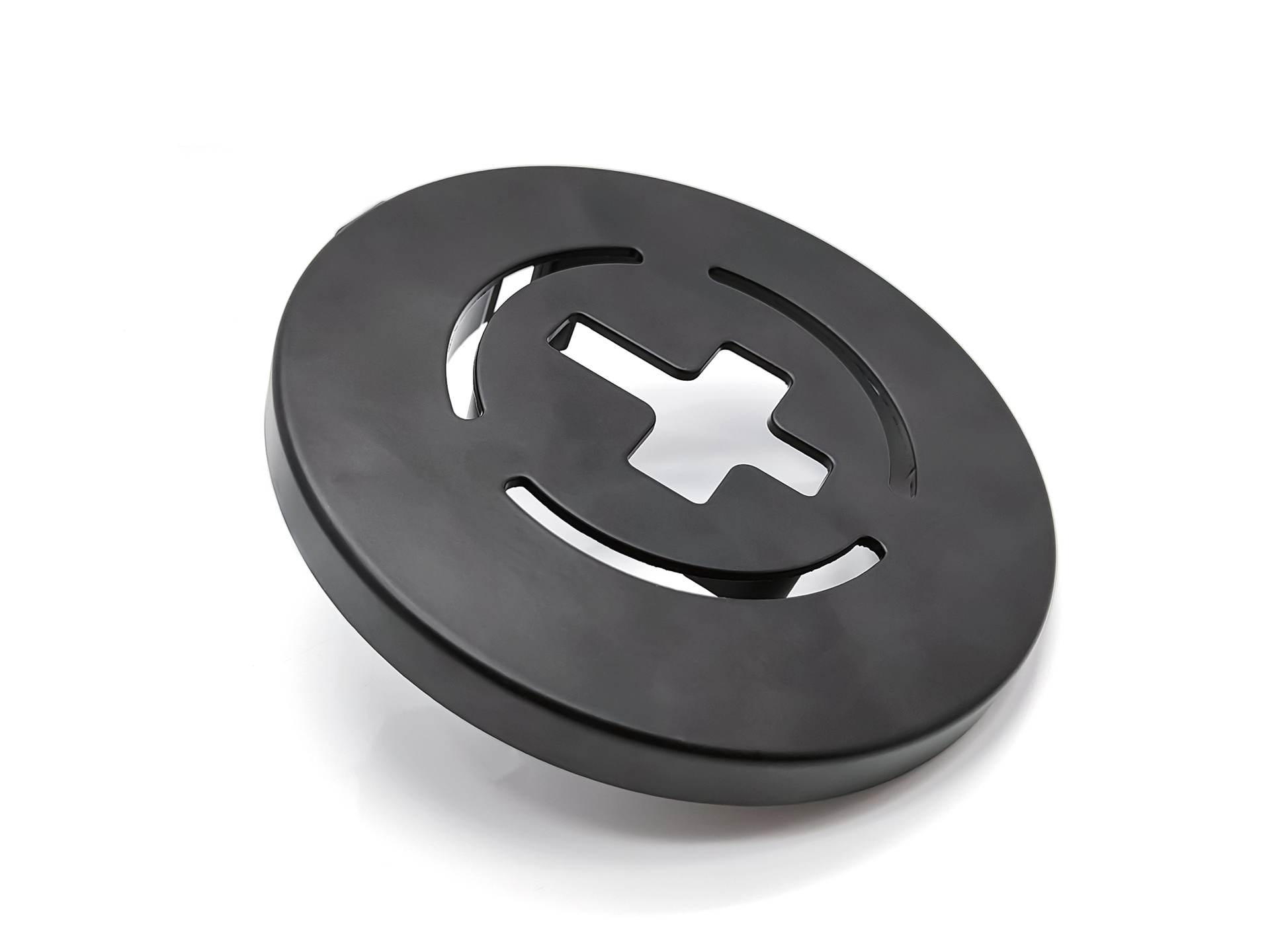
Surface finishing for custom castings can improve appearance, corrosion protection, wear resistance and customer-facing quality. However, finishing can also affect assembly clearance, so coating thickness and final dimensions should be reviewed together.
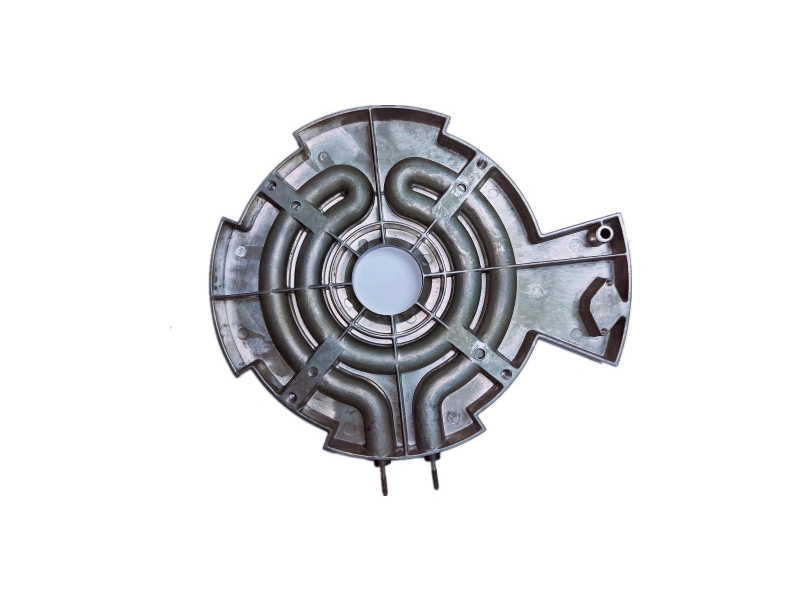
If buyers need ready-to-use components, Neway can support assembly service for metal casting components and custom assembly and secure packaging to protect finished parts through final delivery.
Finished Casting Risk | Possible Result | Better Control |
|---|---|---|
Quotation only includes blanks | Buyer later discovers CNC, finishing and packaging are extra. | Confirm finished-part scope before RFQ. |
Post-machining is handled separately | Dimensional responsibility may become unclear. | Use integrated casting and CNC machining support. |
Surface treatment affects fit | Coating thickness may reduce clearance or create interference. | Inspect finished dimensions after coating. |
No final inspection | Finished components may vary in dimension or appearance. | Use inspection standards before shipment. |
Packaging is not protective enough | Finished castings may be scratched, dented or deformed. | Use packaging designed for finished components. |
4. How Neway Delivers Finished Custom Metal Castings
Neway can turn custom metal castings from casting blanks into finished components by coordinating casting, trimming, deburring, CNC post-machining, surface finishing, inspection, assembly and packaging. This reduces multi-supplier communication and helps buyers receive parts closer to final use.
Summary
Buyer Requirement | Recommended Manufacturing Scope |
|---|---|
Basic cast shape only | Casting blanks may be enough if no function or appearance requirement is needed. |
Functional dimensions | Use CNC machining and post-machining for holes, threads and datum surfaces. |
Finished appearance | Use surface finishing, visual standards and protective packaging. |
Ready-to-use components | Use casting, machining, finishing, inspection, assembly and packaging together. |