How Can Prototype Casting Reduce Risk Before Low-Volume and Mass Production?
How Can Prototype Casting Reduce Risk Before Low-Volume and Mass Production?
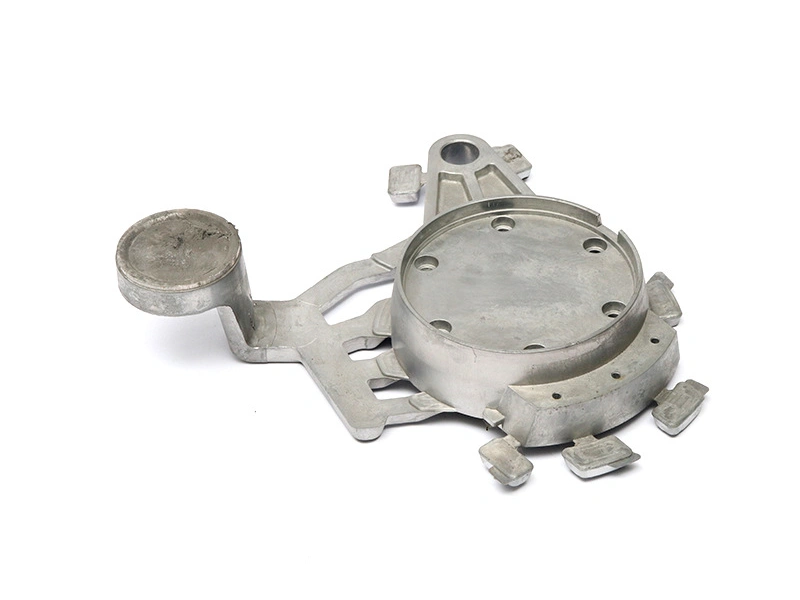
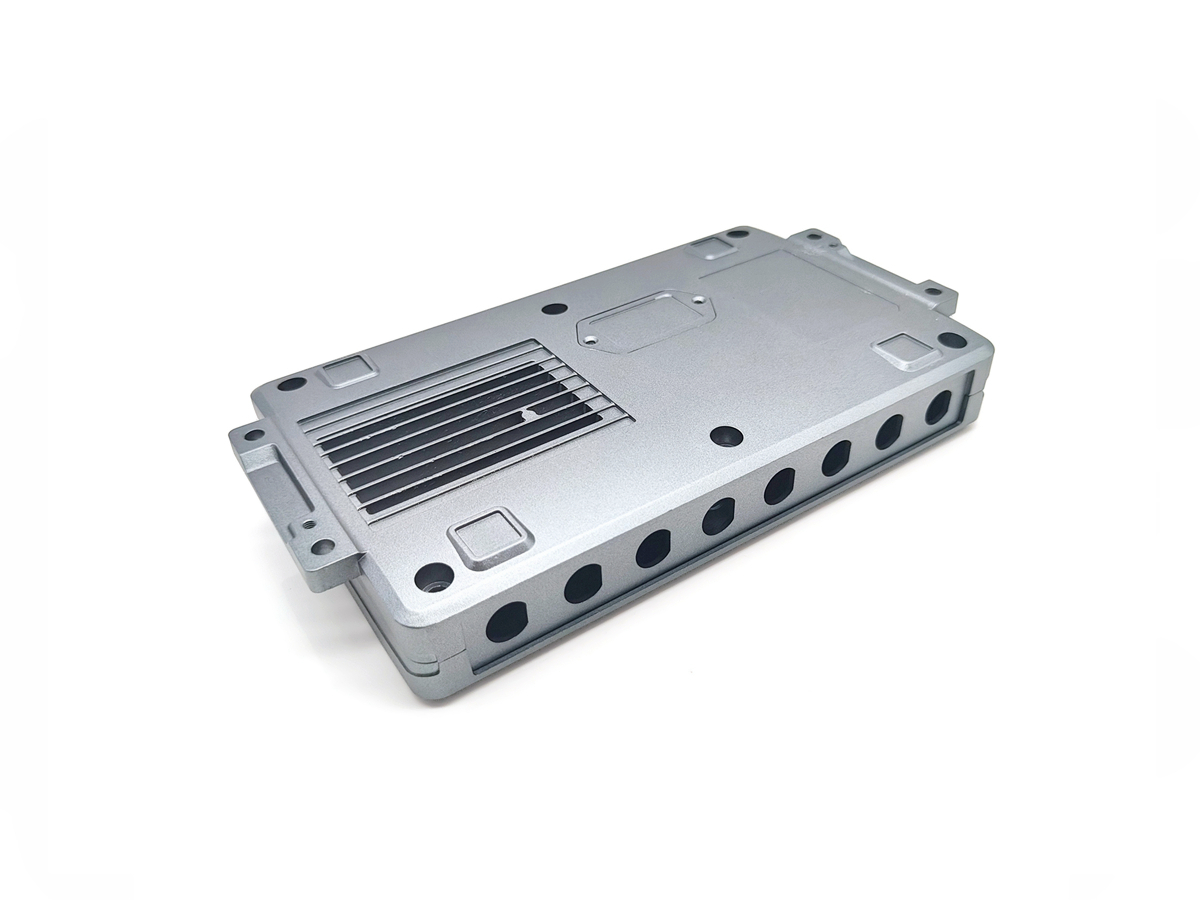
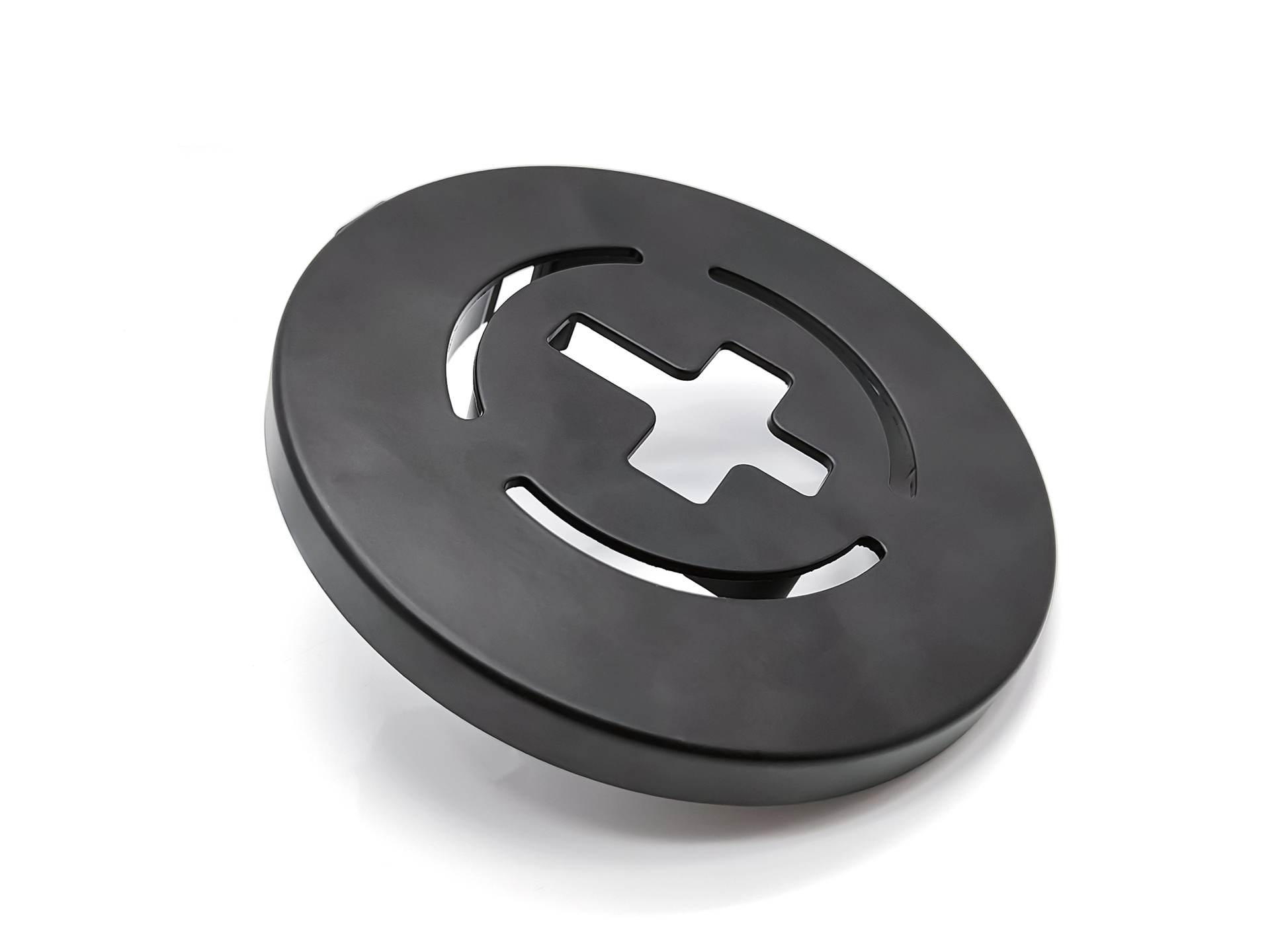
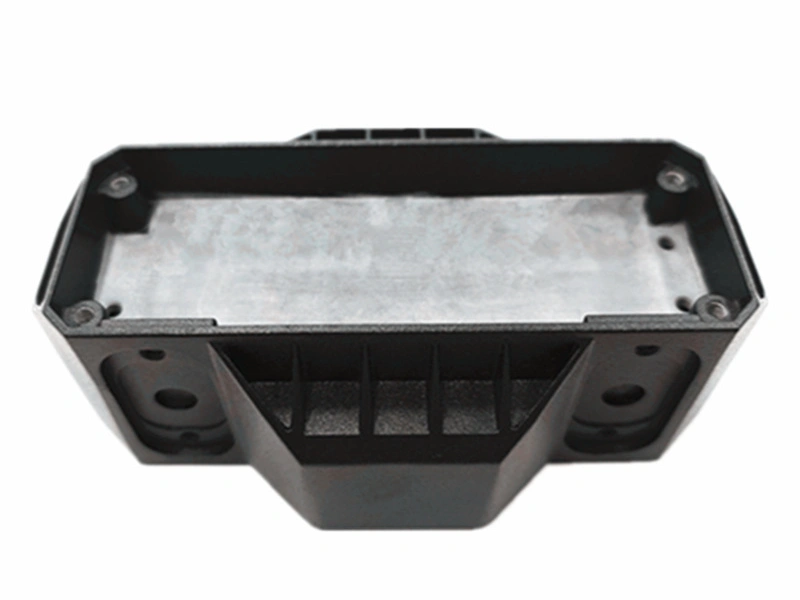
Prototype casting reduces risk before low-volume and mass production by identifying design issues, material mismatch, machining needs, surface finishing problems, assembly risks and quality control requirements before buyers invest in larger tooling, fixtures or production batches.
1. Why Prototype Casting Should Be Part of a Staged Production Plan
Moving directly from an unverified drawing into mass production can create expensive rework. Prototype casting helps buyers find issues earlier, while low-volume manufacturing verifies whether the process can repeat the approved standard in small batches. Mass production should only begin after material, tooling, machining, finishing, inspection and packaging requirements are clearer.
Neway can support prototyping support for metal cast parts, low-volume validation and mass production planning in a staged workflow.
Risk Type | How Prototype Casting Reduces It |
|---|---|
Design risk | Finds geometry, wall thickness, boss, rib and fit issues before tooling. |
Material risk | Checks whether the selected material matches the application. |
Machining risk | Confirms post-machining areas, datum faces and allowance needs. |
Finish risk | Validates coating, color, texture and cosmetic requirements early. |
Assembly risk | Uses trial assembly to find interference or fit problems. |
Production risk | Builds standards for low-volume and mass production control. |
2. Why Low-Volume Validation Should Follow Prototype Approval
Prototype approval does not automatically prove that the part is ready for mass production. A prototype confirms feasibility, while low-volume manufacturing after prototype casting helps verify small-batch stability, fixture setup, surface finish repeatability, inspection routine and packaging method.
This stage is useful when the part has functional, cosmetic, post-machining or assembly requirements. It helps prevent batch problems from appearing too late in mass production.
3. How Prototype Data Supports Mass Production Planning
Prototype casting data can guide material standards, tooling design, CNC post-machining, surface finishing, inspection checklists and packaging requirements. Before mass production after prototype validation, buyers should confirm what was learned from prototype and low-volume stages.
Neway can also support quality control from prototype to mass production, so approved standards are carried into repeat orders.
Production Scaling Risk | Possible Result | Recommended Control |
|---|---|---|
Prototype passes and project jumps directly to large volume. | Batch defects may appear too late. | Use low-volume trial before mass production. |
Surface finish stability is not verified. | Color, coating or appearance may vary in production. | Validate finish samples and batch finish standards. |
Post-machining fixtures are not established. | Critical dimensions may drift during production. | Define CNC fixtures, datum points and inspection standards. |
Inspection checklist is not created. | Production quality may depend on operator judgment. | Convert prototype data into QC checklists. |
Packaging is checked after mass shipment. | Finished parts may be scratched or damaged. | Validate packaging before production release. |
4. How Neway Supports Prototype to Mass Production
Neway can help buyers move step by step from prototype casting to low-volume manufacturing and mass production. Through one-stop prototype to production support, Neway can coordinate engineering, tooling, casting, CNC machining, surface finishing, inspection, assembly and packaging under one workflow.
Summary
Buyer Stage | Recommended Action |
|---|---|
Before tooling | Use prototype casting to validate geometry, material, machining, finish and assembly risks. |
After prototype approval | Use low-volume manufacturing to check batch stability and process repeatability. |
Before mass production | Lock tooling, inspection, surface finishing, packaging and production standards. |
During repeat production | Use quality control and traceability to keep production consistent. |