How Should Tolerances Be Planned for Precision Die Cast Parts?
How Should Tolerances Be Planned for Precision Die Cast Parts?
Tolerances for precision die cast parts should be planned by separating general casting tolerances from critical functional tolerances. Buyers should define datum surfaces, machined features, inspection points, coating effects and assembly requirements before tooling begins.
1. Why Precision Die Casting Does Not Mean Tight Tolerance Everywhere
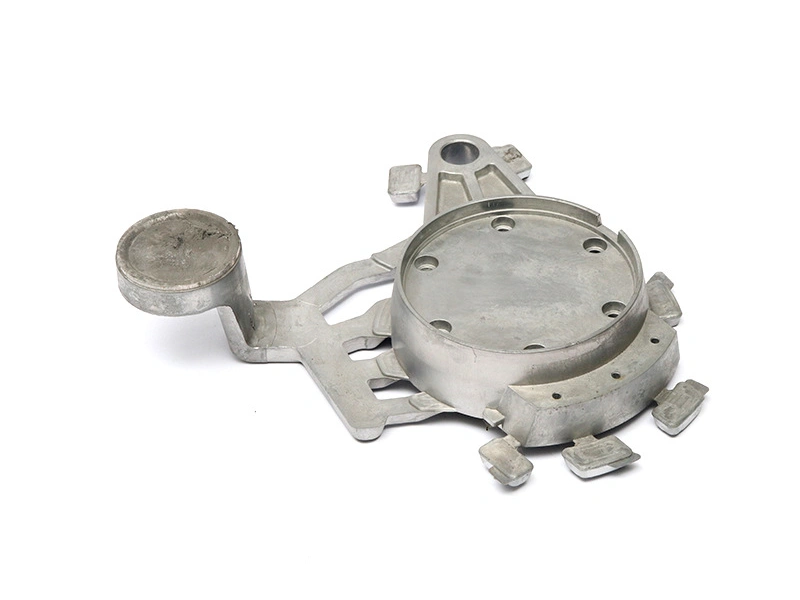
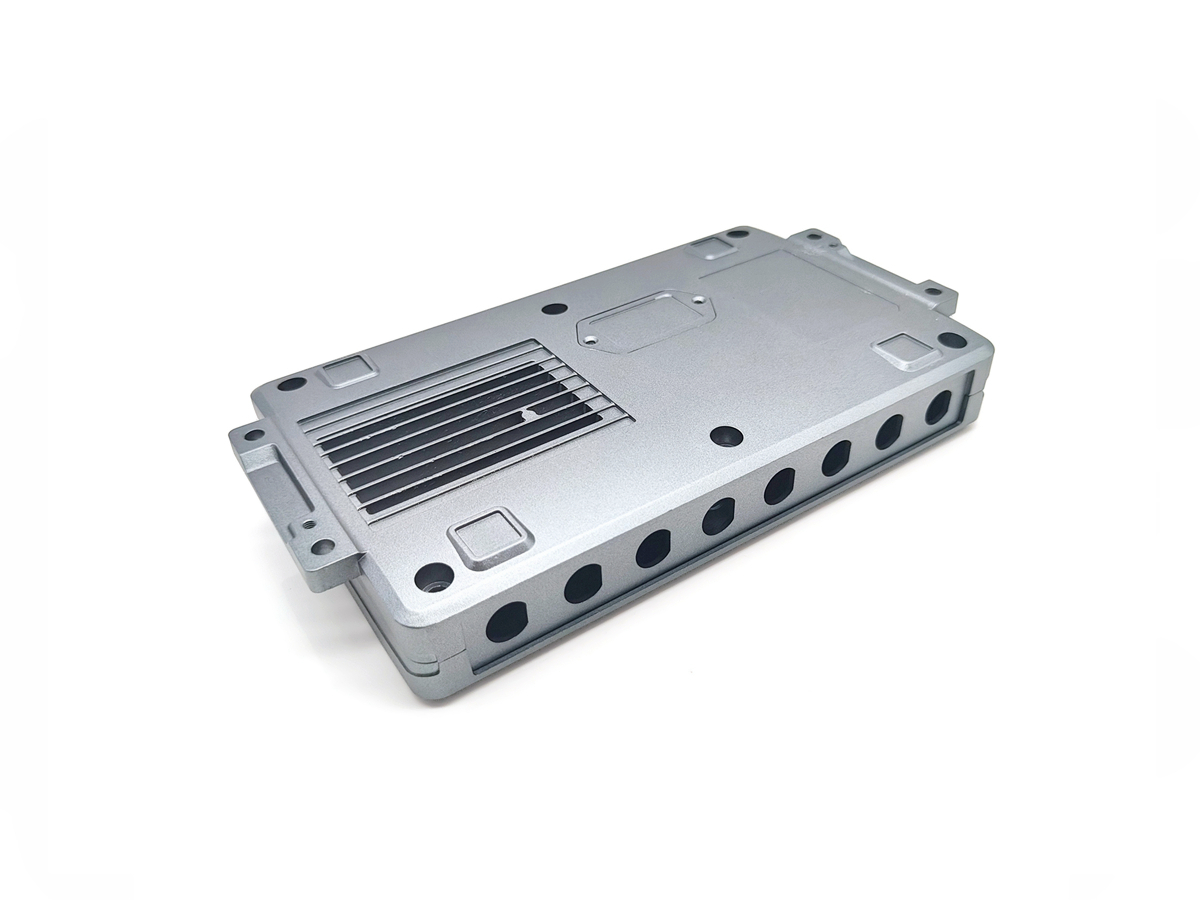
Precision die casting should focus accuracy on the features that affect function. Outer shapes, hidden surfaces and non-functional areas can often follow general casting tolerance. Functional holes, sealing surfaces, datum faces, mounting surfaces and assembly interfaces may need tighter tolerance or CNC post-machining.
This approach helps buyers balance cost and reliability. If every dimension is over-specified, cost may increase. If functional dimensions are not marked, the finished part may fail during assembly.
Tolerance Area | Suggested Planning Method | Why It Matters |
|---|---|---|
General outer shape | Use casting tolerance. | Controls cost on non-functional areas. |
Functional holes | Define tighter tolerance. | Protects assembly position and fastening. |
Sealing surfaces | Use post-machining tolerance. | Supports sealing and contact reliability. |
Datum surfaces | Use controlled machining. | Creates stable measurement and assembly references. |
Coated areas | Include coating thickness. | Prevents interference after surface treatment. |
Assembly stack-up | Review mating parts. | Prevents assembly failure from tolerance accumulation. |
2. How Datum Surfaces and Functional Dimensions Should Be Defined
Datum surfaces should be defined before tooling and machining. They guide measurement, CNC setup and assembly alignment. Without clear datum surfaces, inspection reports may not match the way the part is assembled in the final product.
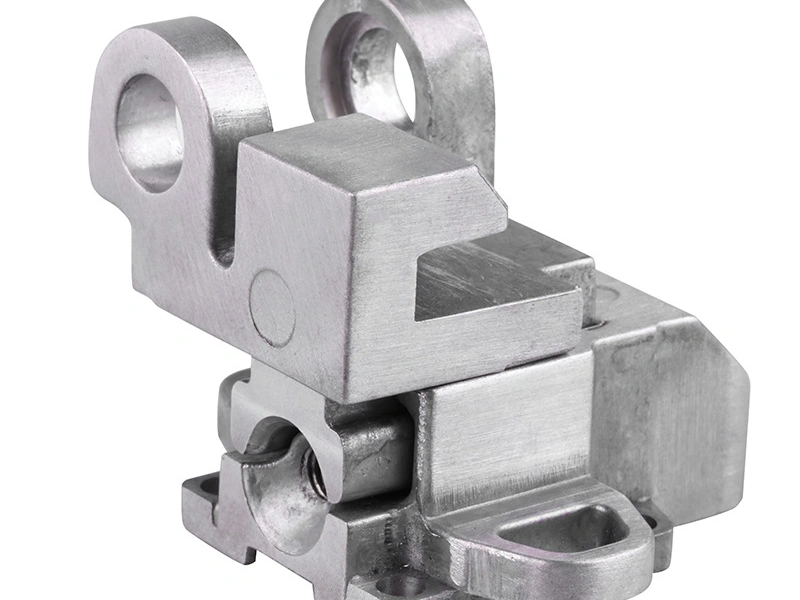
Functional dimensions should be marked separately from general dimensions. Buyers should identify threaded holes, locating holes, sealing faces, bearing seats, mounting faces and mating surfaces so Neway can decide where casting tolerance is enough and where post-machining for precision cast parts is needed.
3. How CNC Machining and CMM Inspection Support Tolerance Control
When tighter tolerances are required, CNC machining for tight tolerance die casting can control holes, threads, datum surfaces and mating areas after casting. This is especially important when the part must assemble with screws, shafts, seals, bearings or other components.
For verification, CMM inspection for die cast tolerances can confirm critical dimensions, geometry, position and datum relationships.
Tolerance Planning Risk | Possible Result | Recommended Control |
|---|---|---|
All dimensions are set too tightly. | Quotation, machining and inspection cost may increase. | Separate general tolerance from functional tolerance. |
Functional dimensions are not marked. | The supplier may not know which areas require tighter control. | Mark critical dimensions and datum surfaces clearly. |
Coating thickness is not considered. | Finished parts may become too tight in assembly. | Include coating thickness in tolerance stack-up review. |
No datum is defined. | Inspection and assembly standards may become unclear. | Define datum surfaces before tooling and machining. |
No CMM verification capability. | Critical features may not be verified reliably. | Use CMM inspection for precision-critical dimensions. |
4. How Neway Balances Cost and Functional Reliability
Neway can provide precision die casting design review and engineering support for tolerance planning. This helps buyers avoid unnecessary tight tolerances while still protecting the features that affect assembly, sealing, movement and final product reliability.
Summary
Buyer Question | Recommended Tolerance Planning |
|---|---|
Should every dimension be tight tolerance? | No. Use tight tolerances only on functional and precision-critical areas. |
How should datum surfaces be handled? | Define datum surfaces before tooling, CNC machining and inspection planning. |
When should CNC post-machining be used? | Use it when as-cast accuracy cannot meet functional tolerance requirements. |
How can tolerances be verified? | Use CMM inspection, gauges and functional checks for critical dimensions. |