What Features Make a Die Cast Part Precision-Critical?
What Features Make a Die Cast Part Precision-Critical?
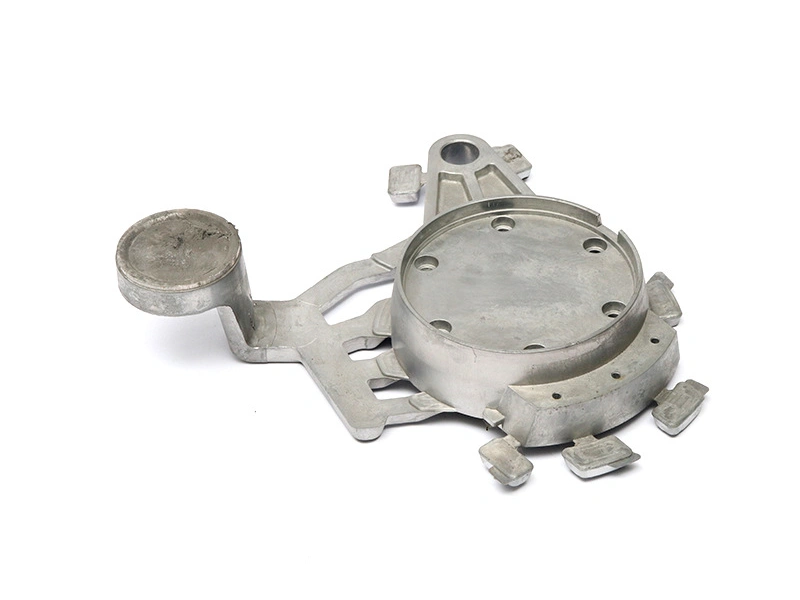
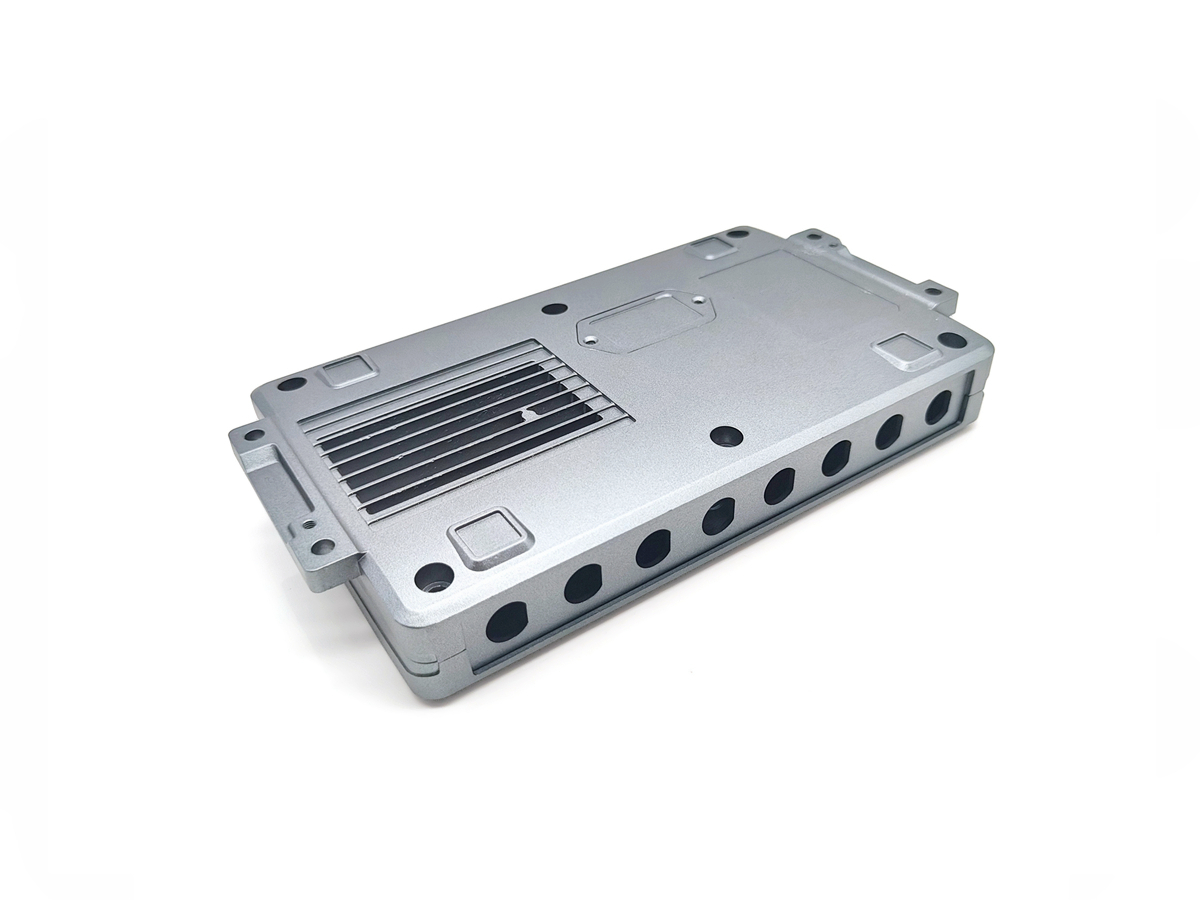
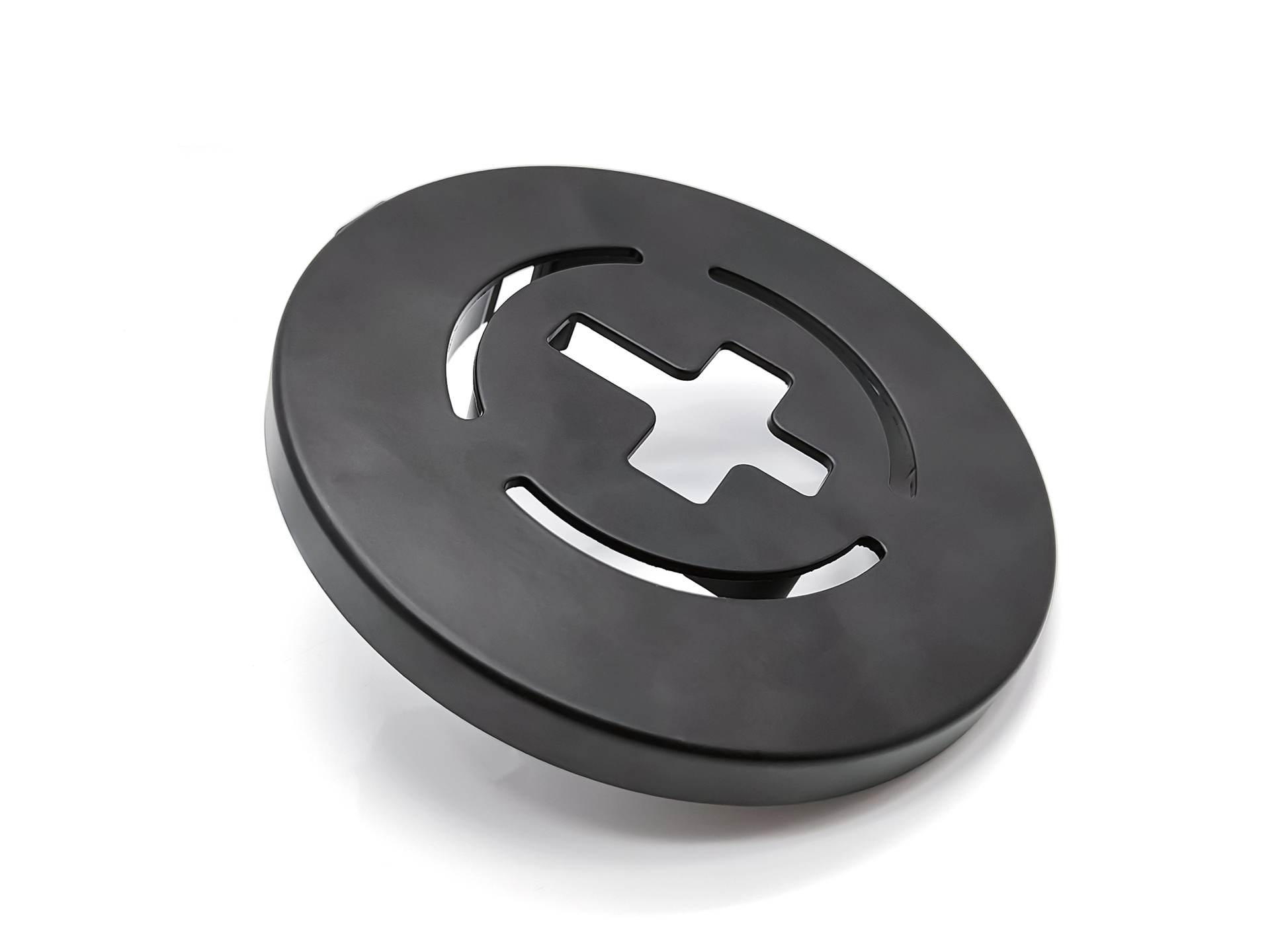
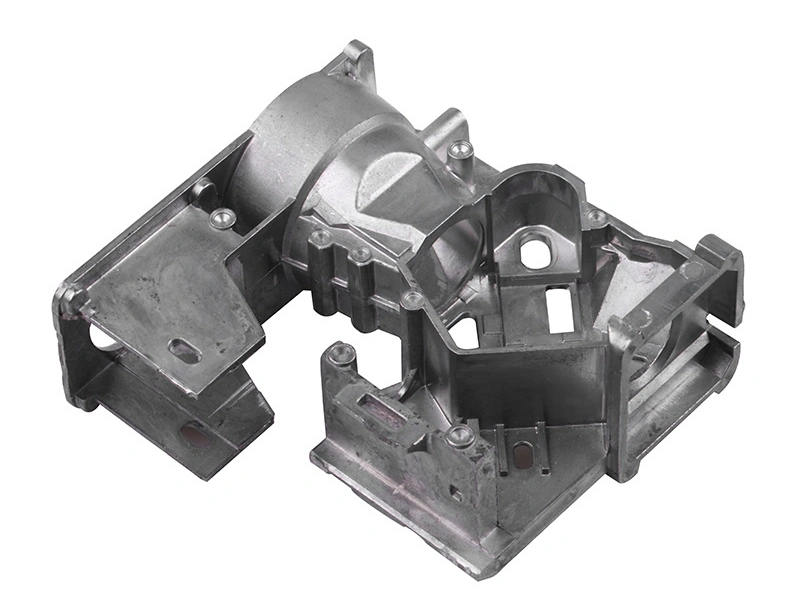
A die cast part becomes precision-critical when certain features affect assembly, sealing, movement, fastening, alignment, appearance or final product performance. These features may include threaded holes, locating holes, sealing faces, bearing seats, datum surfaces, mating surfaces and cosmetic faces. Buyers should identify these areas before tooling so the supplier can plan casting, CNC machining, post-machining and inspection correctly.
1. Why Not Every Dimension Is Precision-Critical
Precision die cast parts do not require every dimension to be controlled with the same tight tolerance. Some outer shapes, non-functional surfaces and hidden areas may be acceptable as-cast. Functional areas that affect assembly, sealing, alignment or movement usually need tighter control.
If buyers set every dimension as a tight tolerance, the quotation may become unnecessarily expensive. If buyers do not mark critical dimensions, the supplier may treat functional areas like ordinary casting surfaces. The better method is to separate critical dimensions from general dimensions before tooling.
Precision-Critical Feature | Function Affected | Control Method |
|---|---|---|
Threaded hole | Fastening | Tapping and gauge check. |
Locating hole | Assembly position | CNC and CMM inspection. |
Sealing face | Contact and leakage prevention | Post-machining and flatness control. |
Bearing seat | Rotation or support | Precision machining and bore measurement. |
Datum surface | Measurement and assembly | Controlled machining and inspection. |
Cosmetic face | Visual quality | Tooling and finishing control. |
2. Which Areas Can Remain As-Cast?
General outer shapes, hidden surfaces, non-contact areas and non-functional ribs may remain as-cast when they do not affect fit, sealing, alignment, movement or appearance. These areas can often follow general casting tolerance, helping buyers control cost without reducing performance.
By contrast, features that connect with other parts, receive fasteners, control measurement or affect sealing often need tighter process control. Neway can review precision die cast parts before tooling to separate functional areas from general casting areas.
3. When CNC Machining and Post-Machining Are Needed
If the feature requires tighter accuracy than as-cast die casting can provide, buyers should plan CNC machining for precision die cast parts or post-machining for die cast accuracy. Common examples include threaded holes, locating holes, bearing seats, sealing surfaces and datum faces.
Neway can also support CNC post-machining for assembly fit and functional reliability when precision-critical features must work in a final product assembly.
Buyer Risk | Possible Result | Better Control |
|---|---|---|
Critical dimensions are not marked. | The supplier may treat functional areas as ordinary casting surfaces. | Mark critical dimensions, datum surfaces and inspection points on drawings. |
All dimensions are set as tight tolerance. | Quotation and machining cost may increase unnecessarily. | Separate functional tolerances from general casting tolerances. |
Critical holes lack machining allowance. | Assembly holes may not meet fit or position requirements. | Plan CNC machining and post-machining before tooling. |
Inspection only checks appearance. | Functional dimensions may fail during assembly. | Use dimensional inspection around precision-critical features. |
4. How Neway Helps Define Precision-Critical Features
Neway can provide engineering support for precision die casting to review drawings, define critical dimensions, plan CNC post-machining and set inspection points before tooling. For dimensional verification, CMM inspection for precision castings can help confirm whether functional features meet the drawing requirements.
Summary
Buyer Question | Recommended Decision |
|---|---|
What makes a die cast part precision-critical? | Features that affect assembly, sealing, movement, fastening, alignment, appearance or performance. |
Should every dimension be tight tolerance? | No. Only functional and precision-critical areas should receive tighter control. |
Which features often need CNC or post-machining? | Threaded holes, locating holes, sealing faces, bearing seats and datum surfaces. |
When should Neway review these features? | Before tooling, so DFM, machining and inspection can be planned together. |