What Finished Part Capabilities Should a Metal Casting Supplier Provide?
What Finished Part Capabilities Should a Metal Casting Supplier Provide?
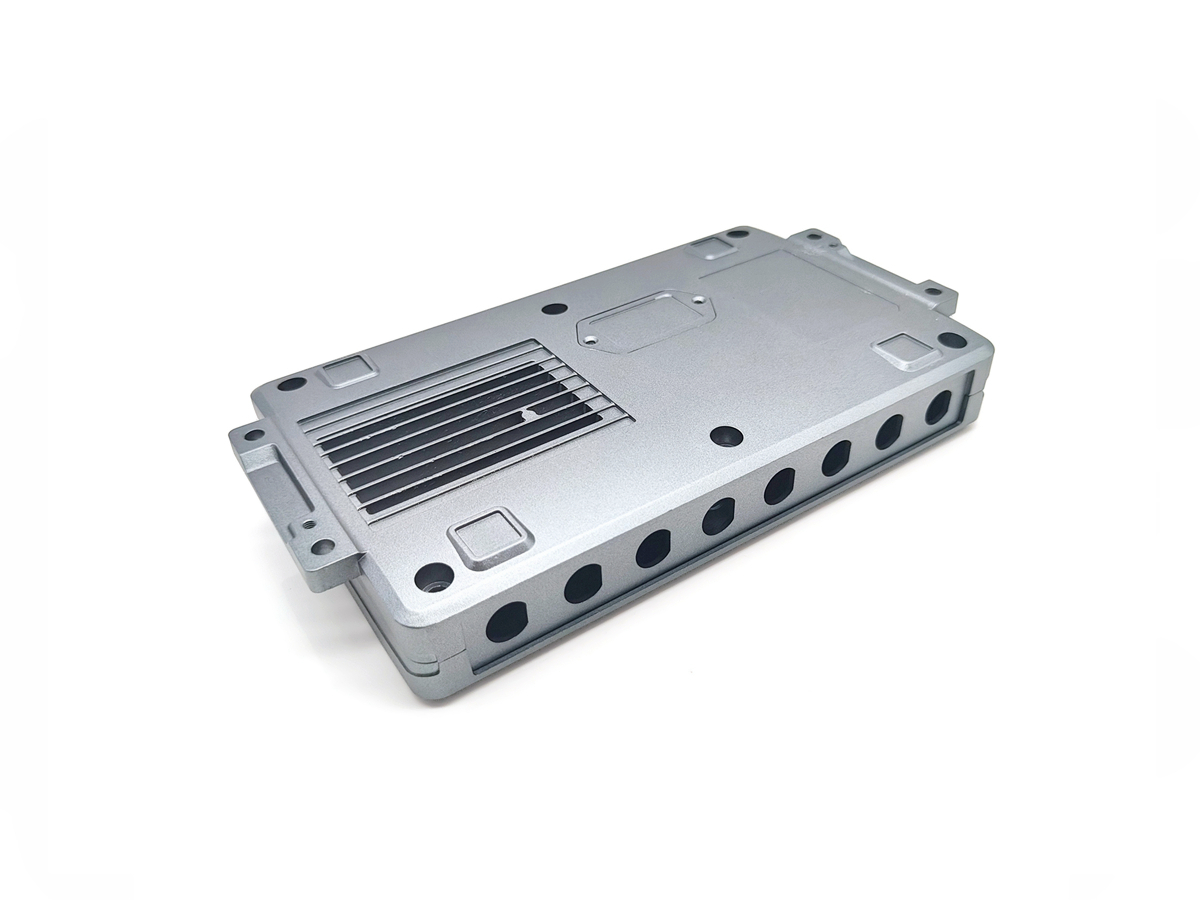
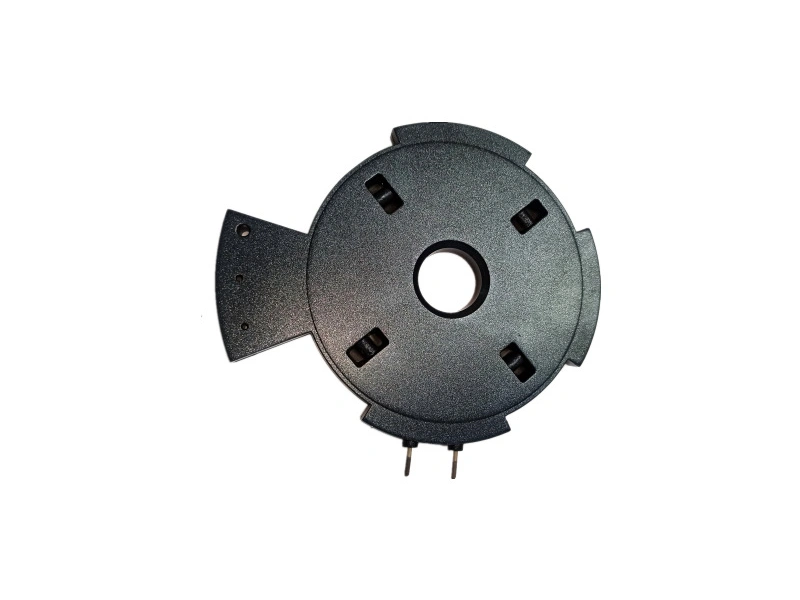
A metal casting supplier should provide finished part capabilities such as CNC machining, post-machining, deburring, surface finishing, dimensional inspection, functional testing, assembly support and secure packaging when buyers need ready-to-use metal castings. Finished metal castings require more than basic casting blanks.
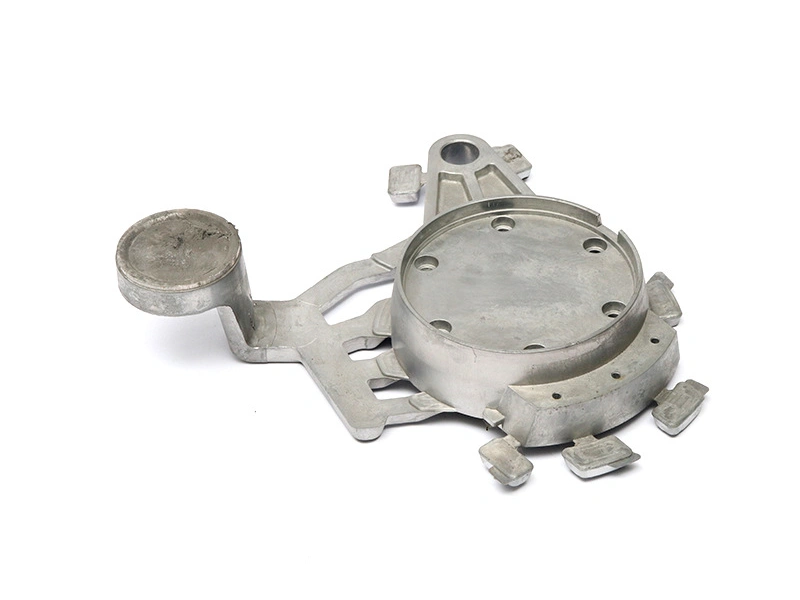
1. Why Casting Blanks and Finished Castings Are Different
A casting blank usually provides the basic shape of the part. A finished casting must meet dimensional, appearance, assembly and delivery requirements. Many metal castings need machined holes, threads, sealing faces, datum surfaces, surface finishing, inspection, assembly or protective packaging before they are ready for final product use.
If the supplier only delivers blanks, buyers may need to manage CNC machining, post-processing, assembly and packaging with several different suppliers. This can increase communication work, lead time and quality responsibility gaps.
Finished Part Capability | Why Buyers Need It |
|---|---|
CNC machining | Controls hole positions, threads, mating areas and functional dimensions. |
Post-machining | Controls sealing faces, locating areas, datum surfaces and assembly features. |
Deburring | Reduces burrs, sharp edges and assembly interference. |
Surface finishing | Provides appearance, corrosion protection and wear resistance. |
Inspection | Verifies dimensions, defects, finish and functional requirements. |
Assembly | Delivers components instead of only individual cast parts. |
Packaging | Protects finished surfaces and functional areas during delivery. |
2. How CNC, Post-Machining and Finishing Complete Metal Castings
CNC machining for metal castings is often needed when the part has holes, threads, datum faces, sealing surfaces or mating areas. Post-machining for cast metal parts helps control functional areas that cannot rely on as-cast accuracy alone.
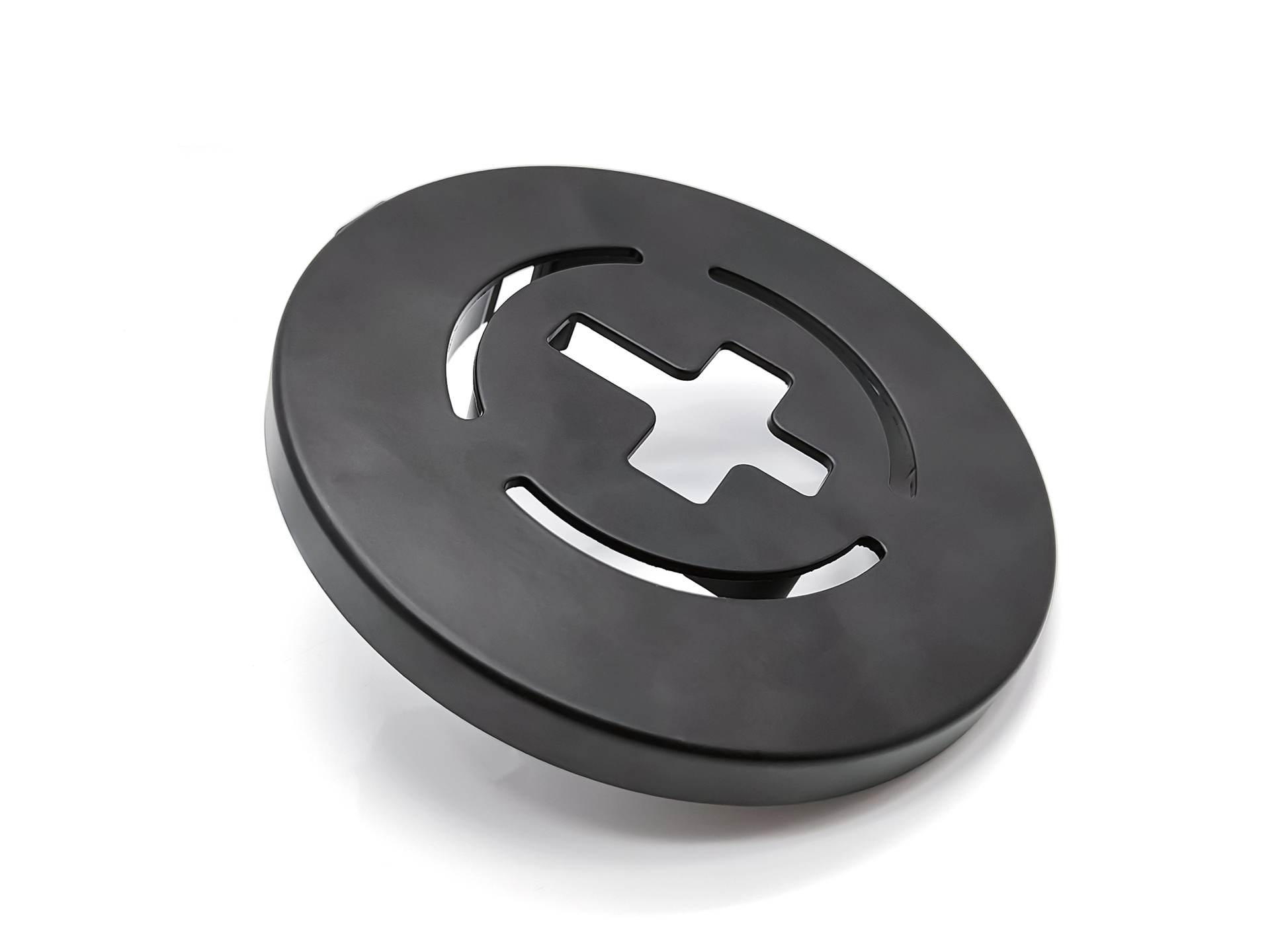
Surface finishing for metal cast parts can improve appearance, corrosion resistance, coating performance and product value. However, finishing can also affect assembly clearance, so it should be reviewed with the part’s final function.
3. Why Assembly and Packaging Should Be Included
If the buyer needs ready-to-use parts, the supplier should support assembly support for metal castings. Assembly support can include trial assembly, functional checks, hardware installation, component matching and final inspection.
Finished parts also need packaging protection. Machined faces, coated surfaces, cosmetic areas and assembled components can be damaged if they are packed like raw castings. Neway can support secure packaging for ready-to-use components.
Finished Part Risk | Possible Result | Better Supplier Capability |
|---|---|---|
Supplier only delivers casting blanks. | Buyer must find CNC and post-processing suppliers later. | Choose a finished metal casting supplier. |
Surface finishing affects assembly dimensions. | Coating thickness may cause interference. | Review finishing and assembly clearance together. |
Casting and machining datum are inconsistent. | Functional dimensions may vary. | Plan casting datum, CNC datum and inspection method together. |
Finished parts lack final inspection. | Parts may fail after shipment or during assembly. | Use dimensional inspection, functional testing and visual checks. |
Packaging does not protect finished parts. | Parts may be scratched, dented or deformed during transport. | Use secure packaging for finished surfaces and functional areas. |
4. How Neway Supports Finished Metal Casting Delivery
Neway can support a one-stop metal casting supplier workflow by coordinating casting, CNC machining, post-machining, surface finishing, inspection, assembly and packaging. This helps buyers reduce multi-supplier coordination and receive parts closer to final use condition.
Summary
Buyer Requirement | Recommended Supplier Capability |
|---|---|
Buyer only needs rough shapes. | Casting blanks may be enough when no function or finish is required. |
Buyer needs functional dimensions. | Use CNC machining, post-machining and dimensional inspection. |
Buyer needs finished appearance. | Use surface finishing, visual standards and protective packaging. |
Buyer needs ready-to-use castings. | Choose a supplier that integrates casting, CNC, finishing, assembly and packaging. |