What A/B Trial Should Approve Painting or Powder Coating for an Outdoor Casting?
An outdoor A/B trial should compare complete, specified coating systems on representative castings from the same production population. Each route should use its approved preparation, film stack and cure. The trial should evaluate geometry coverage, adhesion, color and gloss, masked fit, edge condition, service-relevant exposure and repair, not force both routes into the same film thickness or chemistry.
A fair trial uses the same buyer requirements but allows each technology to follow its technical data. Comparing a premium primer/topcoat system with an unspecified single powder, or a qualified exterior powder with a decorative indoor paint, produces no useful decision.
How to Control the Test Parts and Coating Systems
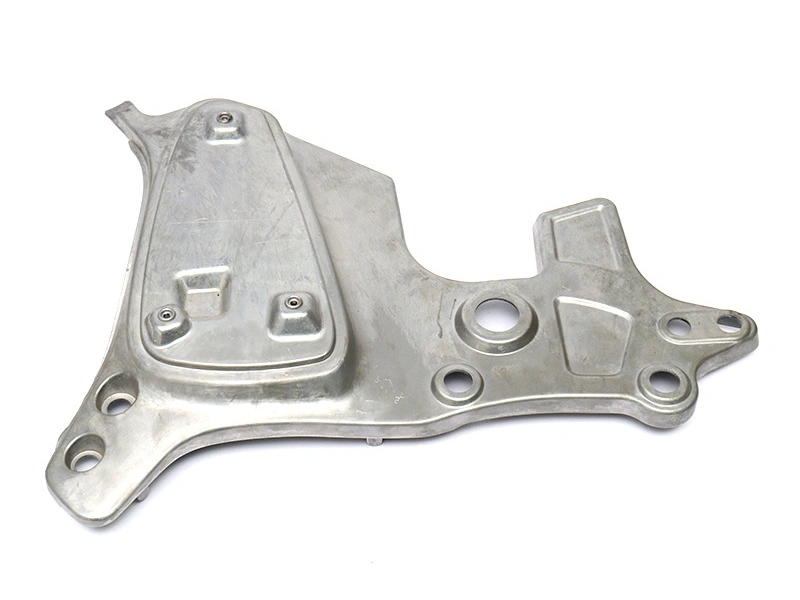
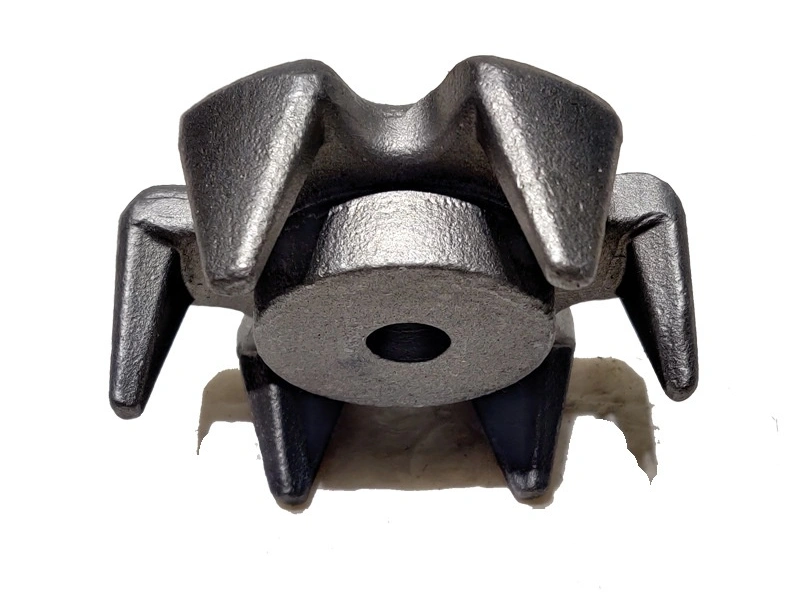
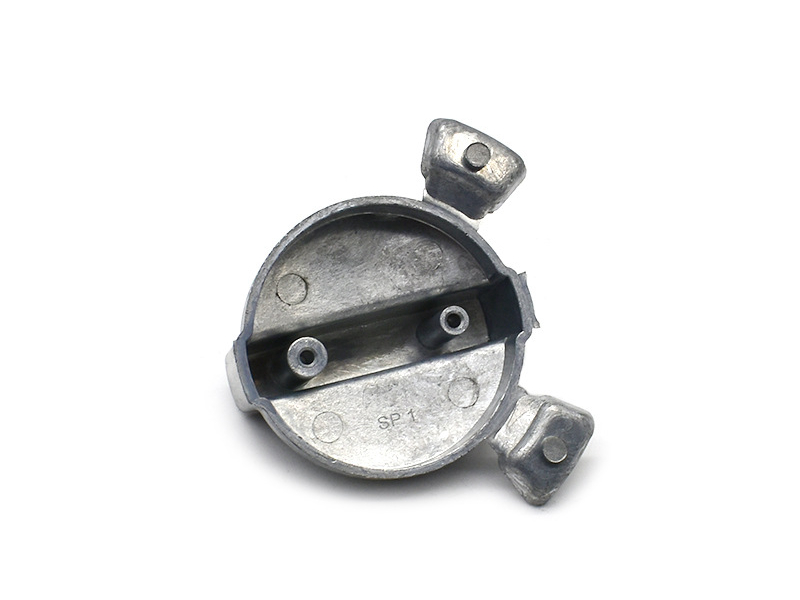
Select castings with representative surface condition, wall mass, machined zones, recesses and edges. Record alloy, casting lot and preparation. Use enough parts to represent rack position and repeat application. Retain uncoated and coated controls for later examination.
Trial Variable | Route A: Powder | Route B: Liquid |
|---|---|---|
Coating identity | Specified exterior powder and supplier revision | Specified primer/topcoat and supplier revisions |
Preparation | Approved for powder and substrate | Approved for liquid stack and substrate |
Film control | Mapped powder DFT | Primer and topcoat DFT map |
Cure | Part-metal powder window | Flash and dry/cure condition |
Appearance | Approved color, gloss and texture | Approved color, gloss and layer appearance |
Which Tests Should Reflect Outdoor Service?
Consider ultraviolet weathering, humidity, cyclic corrosion, salt exposure, adhesion after exposure, water or chemical contact and damage at edges according to the product environment. The applicable standards, duration, scribe practice, specimen orientation and acceptance criteria must be agreed before testing.
Accelerated test hours compare controlled systems; they do not equal years outdoors. The article on anti-corrosion coating mechanisms for die castings helps separate barrier, pretreatment and defect effects. Field exposure may be added when the application risk justifies the time.
How to Include Fit, Appearance and Maintenance
Gauge threads, bores, gasket lands and grounding areas after masks are removed. Map thickness in recesses and around rims. Compare finish under defined lighting and orientation. Create controlled scratches on sacrificial samples and apply each route's approved repair to evaluate appearance and barrier continuity.
Record color-change setup, throughput, cure time and rework because outdoor performance alone does not decide manufacturability. A route that passes exposure but repeatedly blocks a fit or cannot meet production capacity is not the stronger program choice.
How to Analyze Failures After the A/B Exposure
Record blistering, corrosion, color change, gloss loss, cracking, underfilm creep, adhesion and edge damage by location. Examine whether failure begins at a scribe, pore, sharp edge, mask transition or broad flat. The same final rating can hide different mechanisms and different field risks.
Inspect both coating interfaces. A powder film that remains intact while corrosion travels from a damaged edge differs from a liquid system that loses intercoat adhesion. Cross-section selected regions and preserve unexposed controls. Do not clean corrosion products away before documentation.
If both routes fail one requirement, the decision is not to choose the less failed route automatically. Review preparation, edge design, film system and test severity, then repeat a controlled modification. If one route passes but cannot meet fit or production requirements, the product still lacks a qualified complete solution.
The report should include raw readings, photographs, exposure controls and any deviations from the planned method. Keep tested samples until the route is released and early production confirms the same behavior. A summary score without underlying evidence cannot support a later supplier, material or process change.
How to Score and Release the Winning Route
Separate mandatory requirements from weighted preferences. Seal fit, grounding, prohibited corrosion and adhesion can be pass/fail. Appearance, setup cost, repair visibility and throughput can be scored only after mandatory gates pass. Do not average a failed mandatory requirement into a higher total score.
For a hypothetical outdoor control housing, the powder route may offer efficient stable-color production while the liquid primer/topcoat reaches one shielded area more consistently. The final decision could use a geometry revision, local mask change or different system rather than simply declaring one technology superior. This scenario is not a reported comparison.
The release should identify the selected post-process route, exact materials, preparation, application, cure, inspection, repair procedure and revalidation triggers.
Decision Gate | Approval Evidence |
|---|---|
Geometry coverage | Part map, edges, recesses and masked zones |
Coating integrity | DFT, cure and adhesion by approved methods |
Outdoor performance | Predefined environmental methods and criteria |
Appearance | Master, color, gloss and defect zones |
Assembly | Functional gauges and fit trial |
Production | Repeatability, throughput, cost and repair route |
A good A/B trial creates a traceable production specification, not a marketing winner. It reveals which complete coating system satisfies the outdoor casting's mandatory needs with acceptable geometry, cost and maintenance risk.
Final approval belongs to the buyer's controlled requirements.
Before closing the trial, challenge the selected route with one normal production repeat rather than preserving only laboratory-prepared panels. Use ordinary rack loading, the approved film window and a different production shift, then compare critical-zone thickness, cure evidence and appearance with the original samples. This repeat checks whether the decision survives routine handling and thermal mass instead of depending on one specialist application.