What Surface Finish Options Are Used for Die Cast Parts?
What Surface Finish Options Are Used for Die Cast Parts?
Surface finish options for die cast parts include as-cast finish, trimming and deburring, CNC machined surfaces, sand blasting or media blasting, polishing, powder coating, painting, plating, conversion coating and protective packaging. The correct choice depends on the die cast material, visible surface requirement, corrosion exposure, assembly fit, texture target, cost limit and production quantity. A buyer should choose finishes by surface function, not by applying one broad finish note to the entire part.
For example, a hidden rib inside an aluminum housing may only need a clean as-cast and deburred condition. A gasket face may need machining and masking. A visible exterior cover may need blasting and powder coating. A zinc decorative handle may need polishing and plating. These are different surface finish routes, and each route changes cost, inspection and supplier responsibility.
When buyers need finished die cast parts rather than raw castings, post-process services should be reviewed together with casting and machining requirements. That helps the RFQ show whether the supplier is responsible for raw casting only or for the finished component condition.
Useful screening values include Ra 1.6-6.3 micrometers for many HPDC surfaces, Ra 6.3-25 micrometers for many sand-cast surfaces and Ra 0.8-3.2 micrometers for common functional CNC-machined faces. Powder coating may add 60-120 micrometers, so a surface-finish choice can also change assembly clearance.
ISO 21920 can define surface-texture parameters for machined and as-cast zones. Coated zones may use ASTM D3359 or ISO 2409 for adhesion and ASTM B117 or ISO 9227 for corrosion exposure. Each standard needs a drawing zone, test condition and acceptance limit to become useful.
Main Finish Families for Die Cast Components
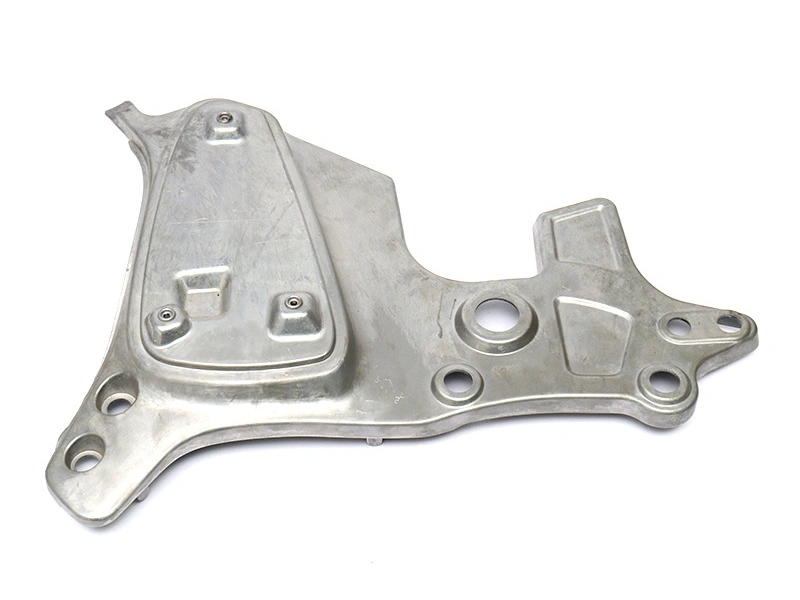
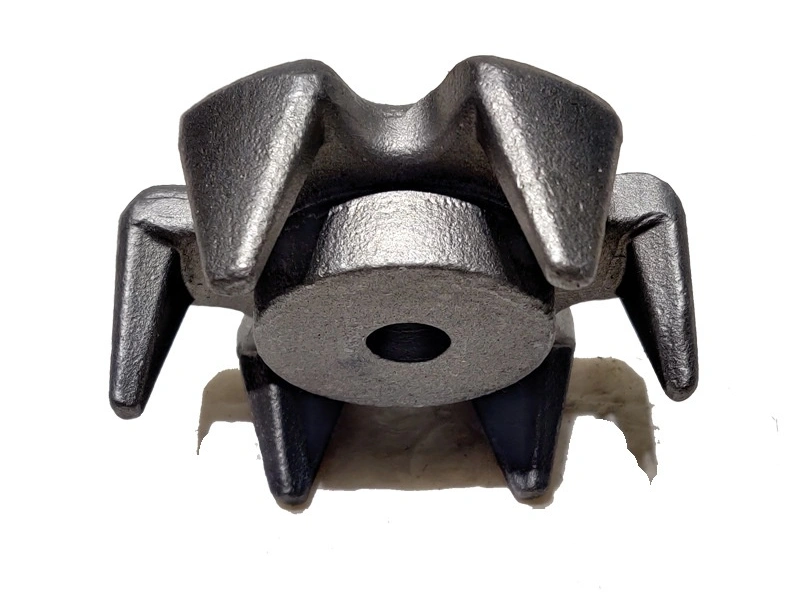
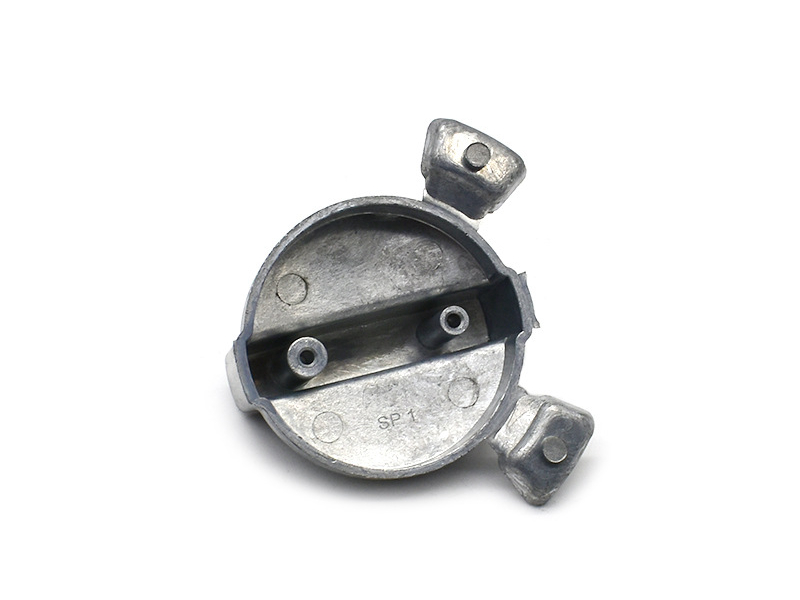
As-cast finish is the lowest secondary processing route. It works best for internal, hidden or non-cosmetic surfaces where parting lines, ejector marks and minor texture variation are acceptable. Deburring is often still needed because flash, sharp edges and trimmed gates can create handling or assembly problems. If the part is used inside a machine and does not need a decorative surface, a controlled as-cast and deburred condition may be the most economical choice.
Machined finish is used where function matters. Threads, bores, sealing faces, bearing seats, datum pads and mounting surfaces often need CNC machining because die casting alone may not meet the required tolerance, flatness, roundness or surface roughness. A machined surface can look clean, but its main value is dimensional and functional control. Buyers should not specify machining only for appearance unless the cost is justified.
Blasted finish is used to create a more uniform matte texture or to prepare parts before painting and coating. Sand blasting for die cast parts can reduce visual differences between trimmed, machined and as-cast zones, but it will not repair deep porosity, severe flow marks or tooling damage. The blasting media, pressure and coverage should match the final finish requirement.
Coating, Painting, Plating and Polishing Options
Powder coating is common when a die cast aluminum part needs durable color, moderate corrosion protection and a textured or semi-smooth appearance. It is often used for housings, brackets, lighting bodies, covers and industrial components. The buyer should define color, gloss, texture, thickness range, masking and acceptable defects. Powder coating can build up around holes, slots and threads, so functional areas may need masking or post-process cleaning.
Powder coating service is not the same as painting. Painting may fit projects that need finer color control, lower film thickness, specific gloss or a finish that powder cannot easily provide. Painting can also support some visual surfaces where a smoother appearance is required. However, painting still needs clean casting surfaces, stable pretreatment and approved samples from real parts.
Plating is often considered for zinc die cast parts when buyers need a decorative metallic appearance, corrosion resistance, conductivity or wear behavior. Plating requires stronger surface quality because pits, parting lines, polishing marks and porosity can remain visible. A plated zinc part may need polishing before plating, while threads or contact areas may need separate control. For aluminum die castings, plating is possible in some cases, but the substrate and pretreatment route need careful review.
Finish Option Decision Table
Finish Option | Best Used When | Buyer Risk if Chosen Poorly |
|---|---|---|
As-cast and deburred | Hidden or non-cosmetic surfaces need low cost and safe handling | Visible surfaces may show unacceptable tooling or flow marks |
CNC machined finish | Threads, bores, sealing faces, datum pads or mounting surfaces control function | Over-machining can expose porosity and raise unit cost |
Sand blasted finish | A uniform matte texture or coating preparation is needed | Aggressive blasting can damage edges, threads or fine details |
Powder coating | Durable color and protective film are needed on aluminum or zinc parts | Coating buildup may affect assembly if masking is missing |
Painting | Color, gloss or thinner film control is more important | Poor cleaning or porosity can create bubbles, stains or adhesion failure |
Plating | Decorative metallic appearance or conductivity is required | Base casting defects may become more visible after plating |
Conversion or protective coating | Corrosion protection or pretreatment is required before final finishing | Wrong chemistry can conflict with paint, powder or assembly needs |
How Buyers Should Choose the Right Finish
Buyers should start with the final product requirement. If the part is hidden inside an assembly, the finish may only need safe edges and corrosion protection. If the part is customer-facing, the buyer should define cosmetic zones, lighting conditions, acceptable defects and a finish master. If the part has tight fits, the buyer should mark where coating is allowed and where metal contact must remain clean.
Material also changes the decision. Aluminum die castings such as A380 or ADC12 often use painting, powder coating or clear protective finishes, while zinc die castings such as Zamak 3 or Zamak 5 are often selected for smoother detail and decorative finishing. The buyer should confirm material, alloy grade and finish compatibility before tooling because gate location, ejector marks and parting lines can limit the final appearance.
Neway can review surface finish options with buyers by separating as-cast surfaces, machined surfaces, blasted areas, coated zones, masked areas and inspection requirements. For parts that need a painted final appearance, painting service for die cast parts can be compared with powder coating, blasting and plating based on color, film thickness, durability and assembly fit.