When Is Powder Coating Enough for Wear Resistant Aluminum Parts?
When Is Powder Coating Enough for Wear Resistant Aluminum Parts?
Powder coating is often enough for wear resistant aluminum parts when the expected wear is handling, light rubbing, outdoor exposure, cosmetic durability, edge protection or normal product use rather than severe sliding abrasion, metal-to-metal wear or high-temperature mechanical contact. It is a practical choice for housings, covers, brackets, handles, lighting parts, equipment panels and die cast aluminum components that need durable color and moderate abrasion resistance.
Powder coating may not be enough when the part has continuous sliding contact, abrasive particles, heavy impact, sharp metal contact or tight wear surfaces that require a hard engineered coating. In those cases, buyers may need a specialized coating, design change, insert, bushing, hard anodizing on a suitable alloy or a different material strategy.
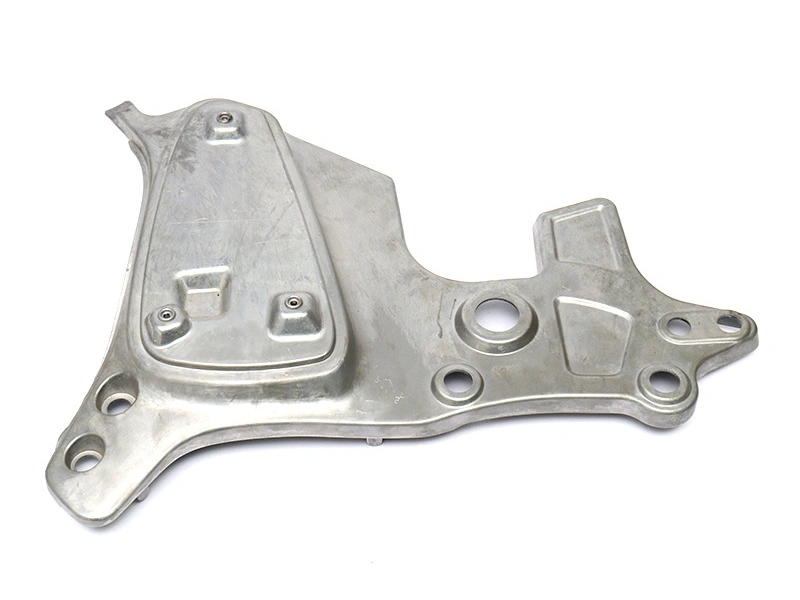
For aluminum die cast parts, powder coating service should be validated on the real casting, not only on a test panel. Casting texture, porosity, edge radius, threaded holes and masking areas can change the coating result.
Powder coating is usually enough for handling, light abrasion and environmental protection when exposed metal after wear is not functionally dangerous. It is not enough for a bearing bore, metal-to-metal slide or concentrated impact. Those zones should compare hardcoat, nickel, PVD or a replaceable wear insert.
Powder coating is usually adequate for handling wear, light scuffing and exterior equipment contact when a 60-120 micrometer film can be tolerated and the part is not a bearing or continuous metal-on-metal slide. Validate adhesion with ASTM D3359 or ISO 2409 and, where rubbing is the actual failure mode, define ASTM D4060 wheel, load, cycle count and maximum mass loss. A test name without those conditions cannot distinguish an acceptable coating from a failed one.
Applications Where Powder Coating Usually Fits
Powder coating fits many aluminum die cast parts that need better handling resistance than raw aluminum. Equipment handles, covers, brackets, enclosure shells and lighting housings often need protection against scratches, fingerprints, transport marks and outdoor exposure. In these cases, a well-prepared powder coating can provide a durable finish at a practical cost.
Polyester powder may fit outdoor exposure where weathering matters. Polyurethane powder may fit premium surfaces and repeated hand contact. Epoxy powder may fit indoor protective uses where UV exposure is not the main concern. The coating family should be selected by environment and wear mode, not only by color.
Use Condition | Powder Coating Fit | Buyer Check |
|---|---|---|
Repeated hand contact | Often suitable with durable powder | Check gloss, texture and rub resistance |
Outdoor bracket | Often suitable with weatherable powder | Check corrosion and UV exposure |
Decorative housing | Suitable if surface defects are controlled | Approve finish master on real casting |
Threaded assembly | Suitable if masking is controlled | Use plugs, caps or post-coating thread check |
Metal sliding guide | May be insufficient | Review specialized coating or insert |
Abrasive dust exposure | May be insufficient for long wear life | Define abrasion test and acceptance limit |
Thickness and Masking Decide Assembly Success
Powder coating protects surfaces by adding a film, but that film changes dimensions. Threads, bores, slots, sealing faces, grounding pads and tight mating areas may need masking. Buyers should not approve powder coating only by color. They should also check coating thickness and assembly fit.
If the coating is too thin, wear and corrosion protection may be weak. If the coating is too thick, the part may fail assembly. A practical coating specification should identify target thickness, no-coating zones, acceptable edge coverage and inspection method. For parts with tight fits, a coated sample should be assembled with mating components before mass production.
When to Use a Stronger Route Than Powder Coating
A stronger route is needed when the surface experiences sliding wear, repeated metal contact, abrasive particles, high contact pressure or heat. Powder coating can chip or wear if used as a bearing surface or sliding interface. A design change may be better, such as adding a replaceable insert, changing contact material or machining a dedicated wear surface.
Neway can help buyers decide whether powder coating is enough by reviewing the aluminum alloy, casting surface, wear zone, thickness limit, masking areas and test requirement. If corrosion is also important, anti-corrosion coating requirements should be reviewed together with wear resistance.
The safest decision is to approve powder coating through samples that include the final casting, surface preparation, coating thickness, masking and assembly test. If the sample meets wear, fit and appearance needs, powder coating can be a cost-effective wear-resistant solution for many aluminum parts.
Sample Checks Before Choosing Powder Coating
Before choosing powder coating as the final wear solution, buyers should check coating thickness, adhesion, edge coverage, color, gloss, thread fit and the main wear zone. A sample should be rubbed, assembled or handled in a way that reflects real use. If the coating chips around screw holes or wears through on the contact surface, the route needs adjustment before production.
Packaging should be included in this check. Many powder coated parts pass inspection and then become scratched during bulk transport. Separators, trays or individual wrapping may be part of the wear-resistant solution when the product has visible coated surfaces.
Buyers should also confirm whether the coating will be touched, rubbed or loaded during real use. A coating that survives warehouse handling may not survive as a sliding bearing surface. If the contact is severe, the buyer should review a replaceable insert, different mating material or a stronger specialty coating instead of relying on powder coating alone.
The final decision should be based on a coated sample that is assembled, handled and inspected under realistic conditions.