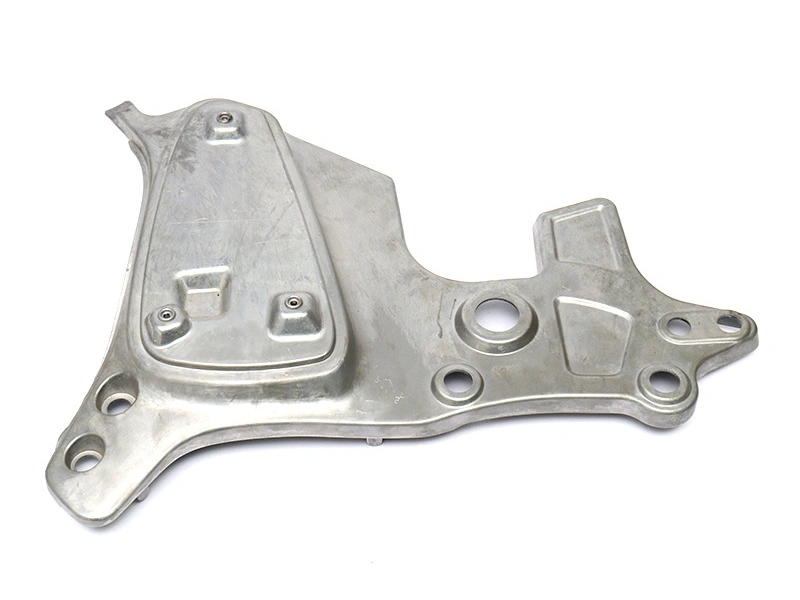
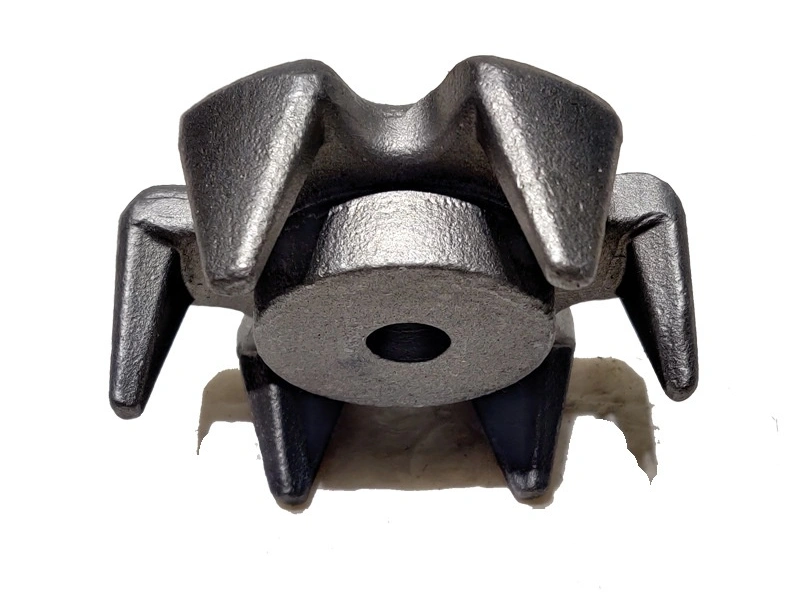
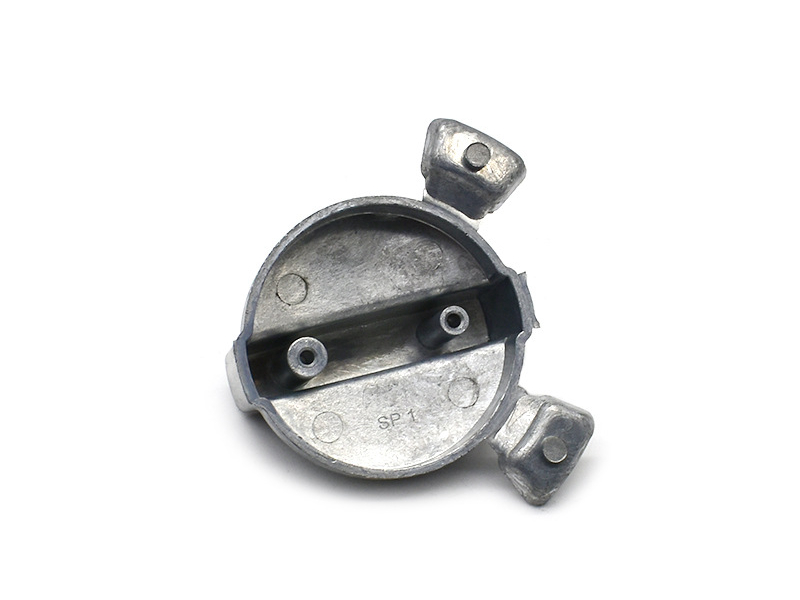
Why Can Coating Adhesion Change Between Aluminum Casting Lots?
Coating adhesion can change because nominal alloy grade does not fix the condition of the surface delivered to pretreatment. Release-agent load, oxide and smut, porosity outgassing, machining coolant, fingerprints, storage oxidation, blasting media, wash chemistry, bath loading, rinsing, drying, time before coating and cure can vary by lot or shift. The investigation must correlate these variables with the failing parts.
Do not change powder or paint first. Confirm whether failures cluster by melt, casting machine or cavity, release-agent batch, machining cell, storage time, rack position, pretreatment bath, coating batch or cure run. Adhesion is a system result; the same symptom can have several causes.
Separate Material Identity From Surface State
Verify the alloy and melt certificate, because chemistry or source drift can affect surface response. Then inspect casting history. Excess release agent, poorly controlled die lubricant, oxide folds and open pores can reach the surface. A part can pass dimensions and still carry contamination that later causes craters, blisters or local delamination.
Machining introduces coolant, cutting oil and metal fines. Handling introduces skin salts and silicone-containing materials. Long storage can thicken oxide or allow shop contamination to settle. Packaging paper, rust inhibitor used on adjacent steel parts or an unapproved marker can interfere with cleaning. Record elapsed time and packaging between casting, machining and coating.
The aluminum die-casting lot and the coating lot need one traveler. Without this link, the team may compare adhesion failures with the wrong melt or cavity and incorrectly blame alloy composition.
Audit the Pretreatment Load and Process Window
Cleaning capacity can be exceeded without an obvious alarm. A heavily lubricated casting lot may consume cleaner faster than a lightly contaminated coupon. Bath concentration, temperature, spray pressure, contact time, soil loading and part orientation affect removal. Blind holes and recesses may shield surfaces or trap solution.
After cleaning, etch or deoxidize steps must suit the cast alloy and desired surface. Conversion coating depends on bath chemistry, contamination, pH or other controlled parameters, contact, rinse quality and drying. The conversion-coating reference explains one route, but each production system needs its own documented window.
Powder cure can reveal casting porosity. Gas or retained chemistry expands and creates pinholes or blisters. Preheating or degassing may help in a qualified system, but excessive heat, delay or re-bake can change conversion and powder behavior. Record metal temperature and time, not oven setpoint alone.
Variation Signal | Likely Source to Check | Evidence | Immediate Containment |
|---|---|---|---|
Failure by casting cavity | Release, venting, local porosity or tool condition | Cavity trace and defect-zone map | Segregate cavity and compare controlled parts |
Failure after long storage | Oxidation, contamination or packaging transfer | Storage time, environment and package record | Hold aged stock and run cleaning verification |
Failure in recesses only | Cleaning/rinse access, retained solution or thin film | Rack orientation and zone inspection | Adjust orientation only through controlled trial |
Failure by pretreatment shift | Bath loading, concentration, rinse or drying | Bath logs and witness specimens | Stop release and verify process before restart |
Blisters after cure | Outgassing, retained moisture or cure condition | Cross-section, pore map and metal-temperature record | Hold affected cure batch and investigate substrate |
Random edge chipping | Edge radius, film thickness, handling or cure | Edge geometry, coating thickness and packaging audit | Protect handling and inspect edge coverage |
Correlate Failure by Lot, Zone and Layer
Consider a hypothetical coating line where one batch blisters around bosses after the second shift. Failures trace to two casting cavities and one high-lubricant period, while flat regions remain sound. Bath records also show rising soil load. The team holds both casting and pretreatment populations, cleans controlled comparison samples and checks where separation occurred between substrate, conversion and powder.
Determine the failure plane. Adhesive loss at bare aluminum suggests cleaning or conversion concerns. Separation within the coating may indicate cure or formulation. A cohesive substrate fragment can indicate weak casting surface. Microscopy or cross-section may help, but the method must be appropriate and tied to representative failures.
Compare controls and known-good parts in the same investigation. Run a retained good casting through the suspect pretreatment and a suspect casting through a verified line condition when traceability and part value permit. This crossed comparison helps separate substrate from line effects. Keep powder batch, film and cure constant so the experiment does not add another uncontrolled variable.
Sampling must include the failure distribution. Testing only an easy flat face can miss poor adhesion inside a boss recess. Define locations before testing, include more than one part from the affected lot, and retain failed specimens until corrective action is verified.
Use sand blasting only when the approved system needs it; adding aggressive blasting as a universal adhesion fix can mask upstream contamination and damage dimensions. Verify media cleanliness, profile and downstream cleaning.
Release corrected lots only after actual parts pass the agreed adhesion and appearance checks, difficult zones are included, and root-cause actions are effective. Maintain lot linkage and trend data. Adhesion variation becomes controllable when the organization can connect each failure to surface history, not when every lot is treated as identical because the alloy name matches.