Can Cast Aluminum Be Powder Coated Successfully?
Can Cast Aluminum Be Powder Coated Successfully?
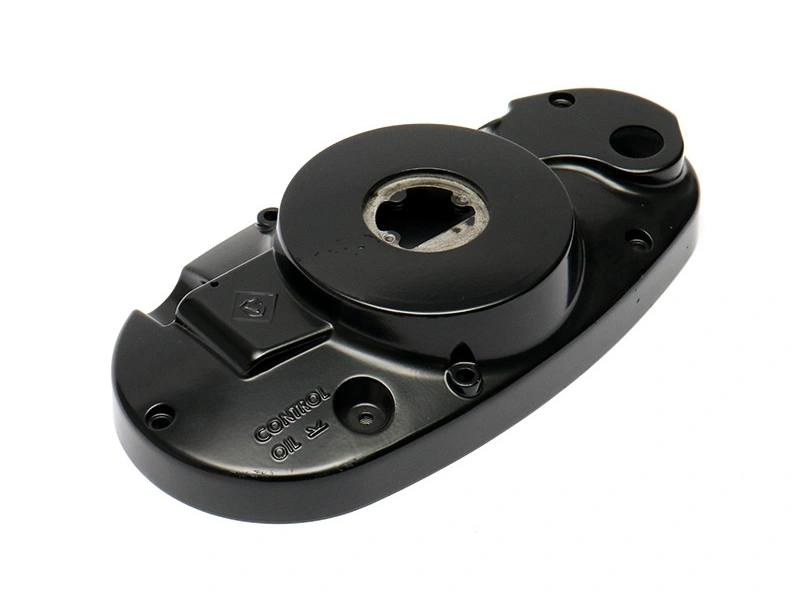
Yes, cast aluminum can be powder coated successfully when the casting surface is clean, dry, properly prepared and reviewed for porosity, masking needs and coating thickness. Powder coating is commonly used on cast aluminum housings, covers, lighting bodies, brackets, handles, outdoor parts and equipment components that need color, texture and surface protection.
The main challenge is that cast aluminum can contain pores, release agent residue, machining coolant, parting line marks, gate removal areas and local surface texture. These conditions can lead to pinholes, blisters, fisheyes, weak adhesion or cosmetic rejection if the coating process is treated like simple coating on flat aluminum sheet. Buyers should plan powder coating together with casting quality, machining, masking and inspection.
For powder coating choices, buyers can compare epoxy powder coatings for indoor die cast parts and polyester powder coatings for outdoor die cast applications.
Cast aluminum can be powder coated when cleaning, outgassing control and cure are validated on the real part. A common starting film is 60-120 micrometers, with many powders requiring roughly 160-200 degrees C metal temperature for 10-20 minutes. The powder supplier's technical data sheet, not a generic range, controls final cure.
Conditions That Support Good Powder Coating Results
Condition | Why It Matters | Buyer Confirmation |
|---|---|---|
Clean cast surface | Oil, release agent and coolant reduce adhesion | Confirm degreasing and pretreatment route |
Controlled porosity | Gas can escape during curing and create pinholes | Review visible surface standard and outgassing risk |
Deburred edges | Sharp edges can show thin coating and handling risk | Define burr and edge condition before coating |
Clear masking plan | Threads, bores and sealing faces may not tolerate coating | Mark areas on drawing or surface map |
Approved finish sample | Color, texture and defect level need shared reference | Keep a finish master for repeat batches |
When Powder Coating Is a Good Choice
Powder coating is a good choice when the buyer needs a durable colored finish, better corrosion protection than raw aluminum, a controlled texture, or a thicker protective coating for outdoor or industrial use. It is often selected for lighting housings, motor covers, pump components, brackets, enclosure parts and cast aluminum handles.
It is especially useful when the part does not require very tight coating-free cosmetic metal appearance. Powder coating can cover minor texture, but it does not remove deep porosity, dents, heavy parting lines or poor casting cleanup. The casting must still be acceptable before coating begins.
When Buyers Should Be Cautious
Buyers should be cautious when the part has severe porosity, pressure sealing needs, precision bores, many threaded holes, electrical grounding surfaces or very strict cosmetic requirements. These conditions do not prevent powder coating, but they require stronger preparation, masking and inspection. A sample run is valuable before approving a larger batch.
The buyer should also consider whether coating thickness will affect assembly. Powder coating can build up on edges and inside recesses. If a mating part, screw, bearing or gasket contacts the coated area, the drawing should define whether that surface must be masked or inspected after coating.
What Buyers Should Test Before Approving a Batch
Before approving a production batch, buyers should test a coated sample that represents the real casting and finish process. The sample should use the intended alloy, casting method, machining condition, cleaning route, masking method and powder color. If the sample is polished by hand or prepared differently from production, it may give false confidence.
Useful checks include visual review, thread gauge, fit with mating parts, coating thickness, adhesion, mask line quality and packaging trial. If the part is used outdoors, the buyer should discuss corrosion or weather exposure expectations. If it is customer-facing, the buyer should approve color, texture, gloss and acceptable pore level with a physical finish master.
What Powder Coating Cannot Fix
Powder coating cannot fully hide severe casting defects, deep dents, heavy porosity, poor trimming, wrong machining or missing deburring. It can cover color and create a protective layer, but it follows the surface underneath. A rough casting may still look rough. A pore near a visible face may still show as a pinhole after curing.
For this reason, buyers should not send poor castings to coating and expect the finish supplier to rescue the whole project. Casting quality, surface preparation and coating must be reviewed together. If the casting is not acceptable before coating, coating will usually make the problem more expensive to correct.
Buyer Decision Before Choosing Powder Coating
Before choosing powder coating, buyers should decide whether the priority is appearance, corrosion protection, wear resistance, electrical insulation or cost control. A decorative visible cover may need stricter color and texture control. An industrial bracket may need stronger edge coverage and adhesion. A housing with grounding points may need bare metal contact areas.
This decision affects pretreatment, powder type, masking and inspection. Powder coating can be excellent for cast aluminum, but only when the finish requirement is connected to the part's real use.
Neway Support for Powder Coated Cast Aluminum
Neway supports powder coating for cast aluminum parts as part of a broader casting, CNC machining and post-process workflow. Buyers can define visible surfaces, masking areas, coating thickness, inspection requirements and packaging protection before production coating begins.
The best result comes from treating powder coating as part of finished part manufacturing. Casting quality, machining features, pretreatment, coating and inspection must work together. When those items are aligned, cast aluminum can be powder coated into reliable production parts with controlled appearance and function. The approval record should stay with future repeat orders.