Powder Coating vs Painting for Die Cast Parts: How Buyers Compare Finish, Fit and Production Risk
Choosing powder coating vs painting for die cast parts depends on the complete coating system and finished component, not a universal claim that one route is tougher, cheaper or more sustainable. Powder can support efficient production and durable thermoset films, while liquid paint can support thinner builds, complex color stacks and lower-temperature options. Either can fail when substrate preparation, geometry, cure, masking or service exposure is not controlled.
Powder is often a strong candidate for medium-to-high-volume cast housings with robust oven tolerance, accessible geometry and a specified texture or exterior system. Wet paint is often a strong candidate when the part needs primer/topcoat layers, thin film, frequent color changes, local field repair or a cure route compatible with heat-sensitive assemblies. These are screening directions, not release criteria.
The buyer should compare six decision groups: substrate preparation, coverage geometry, film and fit, appearance, thermal route, service evidence and lifecycle cost. A production-intent A/B trial is the safest way to close a decision that remains uncertain after drawing review.
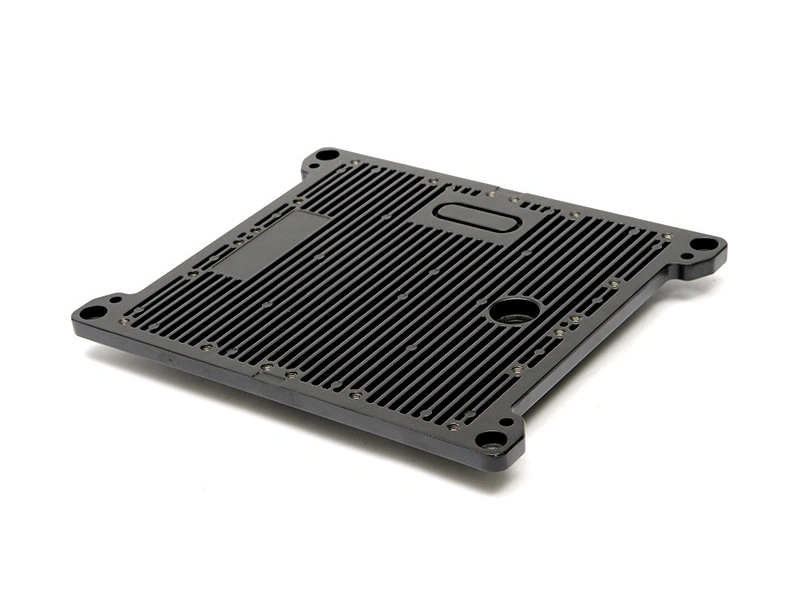
When Powder Coating or Wet Paint Is the Stronger Starting Route
Project Condition | Powder-Coating Direction | Wet-Paint Direction |
|---|---|---|
Stable medium or high volume | Efficient when rack, color and cure are stable | Competitive when automated spray and flash/cure are stable |
Frequent small color batches | Color-change cleaning and powder inventory can dominate | May offer more flexible mixing and small-batch color control |
Thin dimensional margin | Needs buildup allowance and masking | Can support thinner systems, subject to product specification |
Deep recesses | Electrostatic shielding needs a proven gun strategy | Spray access, overspray and sag still need validation |
Heat-sensitive inserts or seals | Part-metal cure may be limiting | Low-bake or air-dry options may be evaluated |
Field touch-up | Powder repair can remain visible and needs approved material | Liquid repair may be more practical but still needs compatibility |
Layered corrosion system | Pretreatment plus powder can be effective | Primer/topcoat stacks can target specific exposures |
The table narrows options but cannot choose the finish alone. An exterior polyester powder and an interior epoxy powder do not have the same weathering behavior. A one-coat liquid finish and a zinc-rich primer plus topcoat do not have the same cost or corrosion mechanism. Product technical data, substrate route and buyer requirements must define the comparison.
Why Both Routes Depend on Substrate Cleaning and Preparation
Neither powder nor wet paint can compensate for oil, silicone, retained rinse, corrosion, damaged cast skin or uncontrolled machining residue. Cast surfaces can contain release chemistry, trimmed witnesses, local pores and varying roughness. Machined areas expose fresh metal and can retain cutting fluid in threads and blind holes.
The preparation route may include cleaning, rinsing, conversion treatment, abrasion or another approved system. The correct route depends on alloy, coating chemistry and service. Powder is not automatically solvent-free at the complete process level, and liquid paint is not automatically less prepared because it contains solvent or water. Both need a substrate that supports the intended bond.
Incoming acceptance should separate casting defects from coating defects. A texture can make a shallow pit less visible but does not establish structural acceptability. Guidance on aluminum die casting should connect casting condition to finishing without using finish as a repair for unapproved substrate quality.
How Film Build, Edges and Recesses Differ Between the Routes
Powder generally builds a comparatively substantial thermoset film and deposits through electrostatic attraction. It can accumulate on exposed geometry while struggling in deep Faraday areas. Liquid paint reaches the part through atomized droplets and can be applied in controlled coats, but deep corners still suffer from line-of-sight limits, turbulence, dry spray or excessive wet film that sags.
Powder buildup reduces bores and slots and can block threads unless interfaces are masked. Liquid paint can reduce that dimensional effect with a thinner specified stack, but primer plus topcoat still adds measurable film on both sides. The drawing must define delivered dimensions, not assume that “paint is thin enough.”
Geometry Issue | Powder-Coating Control | Wet-Paint Control |
|---|---|---|
Deep pocket | Ground, voltage stage, gun angle and rack orientation | Spray access, atomization, flash and run control |
Sharp edge | Radius and edge-film qualification | Primer coverage and wet-film retention |
Precision bore | Plug or buildup allowance | Mask or thin-stack allowance |
Thread | Heat-resistant plug and removal boundary | Plug/tape boundary and overspray control |
Broad vertical face | Film distribution and orange-peel control | Sag, solvent pop, dry spray and flow control |
Complex geometry should be trialed on the real casting. A flat coupon can support color, cure or laboratory tests but cannot reproduce shielding, edges, cavity drainage and mask transitions.
Which Route Offers More Control of Color, Gloss, Texture and Thin-Film Appearance?
Powder offers broad color, gloss and texture choices and can produce repeatable production finishes when powder identity, film build and cure are stable. Textured systems can reduce the visibility of minor substrate variation, but they should not conceal unapproved defects. Certain very thin, highly leveled or multi-layer decorative appearances may be easier to develop with liquid systems.
Wet paint supports primers, basecoats, metallic effects, clear coats and targeted small-batch color mixing. It also introduces controls for viscosity, atomization, flash time, solvent or water release and intercoat compatibility. Metallic orientation and color can change with gun path and film build. More appearance flexibility creates more variables to freeze.
Acrylic powder coating for decorative cast parts illustrates one powder-family direction, but the actual comparison must use the proposed products and project qualification.
Both routes need an approved master made on production-intent substrate, with viewing light, distance and surface zones defined. Published information about painting services for die castings can support process understanding, while the project master remains the acceptance authority.
How Part Thermal Mass and Assembled Components Change Cure Selection
Thermoset powder cure is governed by the powder supplier's part-metal temperature and time window, not oven air setpoint alone. Heavy bosses and flange intersections heat more slowly than thin walls. A production trial should use representative rack density and record the slowest relevant section.
Liquid systems may air dry, force dry or oven cure depending on chemistry. Low-bake options can help with heat-sensitive inserts, seals or adhesives, but they still need verified cure, flash and environmental conditions. “Wet paint uses no heat” is not a safe assumption.
Thermal Question | Powder Review | Wet-Paint Review |
|---|---|---|
Heavy casting section | Part-metal lag and oven dwell | Solvent release, flash and forced-cure uniformity |
Insert or seal | Compatibility with full powder cure | Compatibility with solvent and selected cure |
Repeated rework heat | Total cure cycles and color shift | Intercoat and repeated flash/cure history |
Line throughput | Heat-up and cool-down time | Flash, dry and handling time |
Thermal selection belongs in quotation and DFM review. A finish chosen after inserts are installed can force expensive masking, disassembly or a complete route change.
How to Compare Corrosion, Weathering and Chemical Performance
Compare coating systems rather than process names. Substrate condition, pretreatment, primer, topcoat, film thickness, cure, edge design and damage tolerance all influence performance. A polyester powder can be evaluated for outdoor ultraviolet exposure, while a primer/topcoat liquid system can be designed around chemical or coastal requirements. The exact products and tests control the result.
Accelerated corrosion tests can compare approved systems under one laboratory method, but test hours do not translate directly into field years. UV weathering, humidity, cyclic corrosion, chemical spot testing and adhesion after exposure may be relevant depending on service. Guidance on how anti-corrosion coatings protect die castings explains the barrier and interface roles without promising universal life.
Damage mode also matters. A thick hard film can chip at impact; a more repairable paint can scratch or soften under chemicals. Buyers should evaluate expected handling, assembly, cleaning and field maintenance rather than choosing by one salt-spray number.
Which Route Is Easier to Repair, Change or Maintain?
Liquid paint often supports more practical localized touch-up because compatible material can be mixed and applied without recoating the entire assembly. The repair can still show color, gloss or texture variation and needs surface preparation, feathering and cure control. Field repair is not automatically equivalent to the factory coating stack.
Powder touch-up may use a compatible liquid repair material or a controlled recoat route, but the repaired area may remain visible and its corrosion performance needs approval. Recoating adds film and heat. Stripping can alter cast surfaces and dimensions. The buyer should define whether repaired parts can be mixed with first-pass parts and which zones permit repair.
Color change also affects operations. Powder booths, guns, hoses and reclaim systems need cleaning to prevent contamination. Liquid systems need flushing, mixed-material control and disposal of unused activated material. The best route depends on batch size, color frequency and required cleanliness.
How to Compare Real Production Cost Instead of Price per Kilogram
Coating material price alone is a weak comparison. Buyers should include pretreatment, masking, racking, color change, application labor, transfer efficiency, flash or cure energy, line throughput, inspection, rework, scrap, packaging and minimum batch. A stable high-volume single-color powder route can spread setup well; a small custom-color order can be dominated by cleanout and minimum powder purchase.
Cost Driver | Powder-Coating Question | Wet-Paint Question |
|---|---|---|
Color setup | Booth cleanout, reclaim and minimum powder | Mixing, pot life, flushing and leftover material |
Application | Transfer, rack density and Faraday correction | Coat count, flash time and overspray |
Thermal route | Heat-up of casting and cooling time | Air dry, flash or forced cure time |
Inspection | DFT, cure, finish and fit checks | Wet/dry film, intercoat, cure and finish checks |
Recovery | Recoat, strip and dimensional risk | Touch-up, blend and color-match risk |
Quote comparisons must use the same surface map, coating performance, tests and packaging. A cheaper one-coat route is not equivalent to a primer/topcoat specification, and a general powder quote may exclude masking or corrosion testing that another supplier included.
How to Evaluate VOC, Waste and Environmental Claims Without Shortcuts
Powder coating is commonly valued for low solvent content in the applied material and the possibility of reclaiming overspray under controlled conditions. That does not make every powder program waste-free. Color changes, contaminated reclaim, filters, cleaning, rejected powder, pretreatment sludge, energy use and stripped parts remain part of the process footprint.
Liquid paint may contain organic solvent, water or reactive components depending on chemistry. Transfer efficiency, booth controls, abatement, mixed-material pot life, cleaning solvent and leftover paint affect emissions and waste. A waterborne product can reduce some solvent use while introducing humidity, flash and wastewater considerations. Buyers should ask for the actual material safety, regulatory and facility controls rather than classify all liquid coatings together.
Environmental Question | Powder Route Evidence | Liquid Route Evidence |
|---|---|---|
Overspray | Transfer, reclaim eligibility and contaminated waste | Transfer, booth capture and waste coating |
Cleaning | Booth and powder-path cleanout | Flush material, solvent or water treatment |
Cure energy | Part heat-up, oven load and cooling | Flash, air movement and selected cure route |
Material loss | MOQ, expiration and color contamination | Pot life, leftover mix and expired components |
Compliance | Powder composition and facility controls | VOC/HAP data and facility controls as applicable |
A purchasing decision should use measurable program data and applicable local requirements. It should not advertise one route as “green” based solely on material form. The lower-impact route can change with batch size, color mix, cure energy, rework rate and the supplier's recovery infrastructure.
What Supplier Capability Must Be Demonstrated for Each Route
A powder supplier should explain racking, grounding, Faraday-area strategy, film mapping, part-metal cure verification, color-change control and recoat limits. A painting supplier should explain surface preparation, mixing, viscosity or application control, flash, intercoat timing, cure, overspray and touch-up. Equipment ownership alone does not prove that either supplier can manage the buyer's geometry and service requirement.
Review sample selection carefully. A supplier should not present a specially polished display piece as proof for a production-intent cast surface. Ask for records from representative rack loads and for the reaction plan when thickness, cure, appearance or adhesion moves outside its window. Audit questions should follow the proposed coating system, not a generic finishing checklist.
Capability also includes change control. Powder supplier, formula, liquid component, thinner, pretreatment, rack, gun program, cure schedule and repair material can all affect the final part. The quotation should identify which substitutions require buyer approval and which routine adjustments remain inside the qualified process window.
Hypothetical A/B Trial for an Outdoor Cast Control Box
Consider a hypothetical aluminum cast control box with a deep internal corner, visible exterior, gasket land, grounding pad and removable field cover. Route A uses a specified exterior powder system. Route B uses a specified liquid primer and topcoat. Both start with identified castings from the same production population and an approved route appropriate to each coating.
The trial maps film build, checks recess coverage, records part-metal or cure conditions, verifies adhesion, compares color and texture, gauges masked features and applies the same service-relevant environmental tests. It also records color-change setup, throughput and repair appearance on approved sacrificial samples.
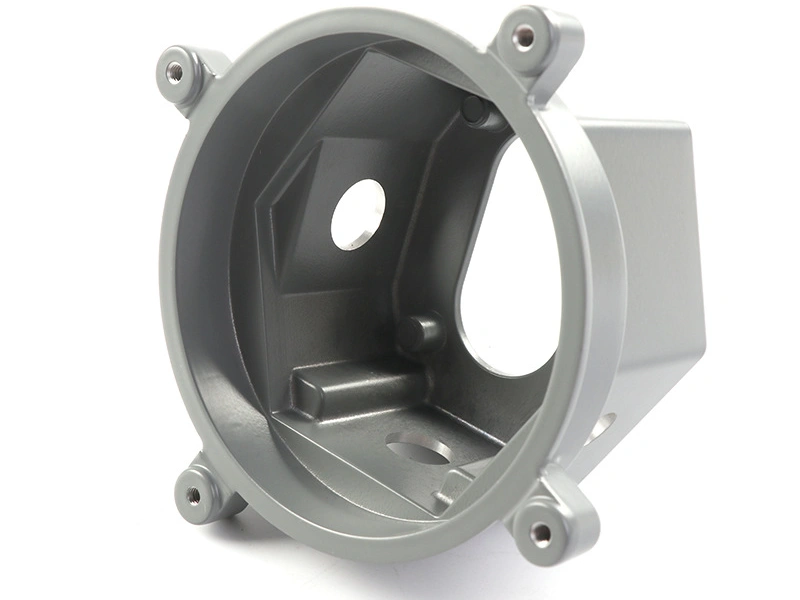
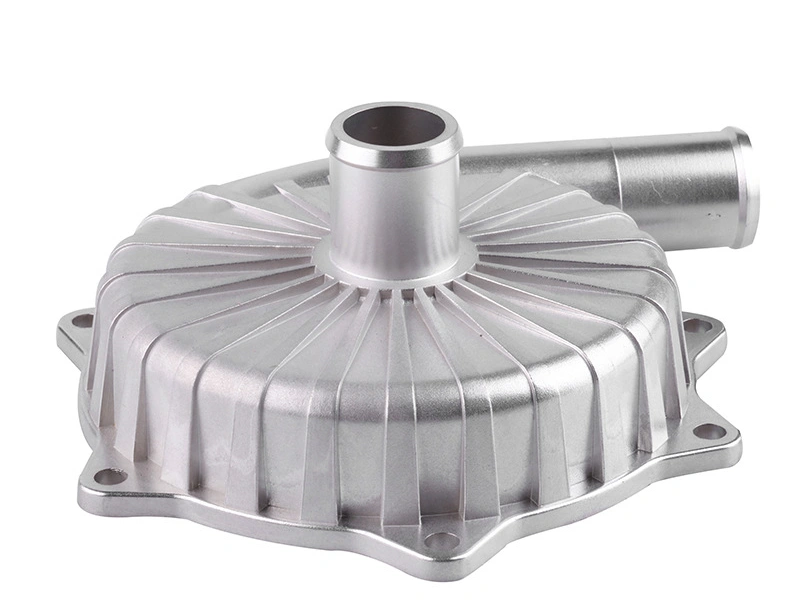
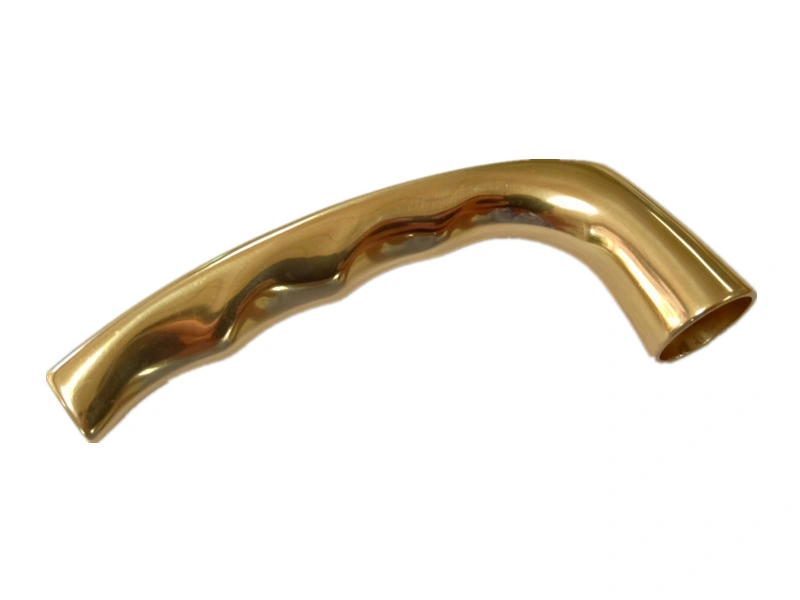
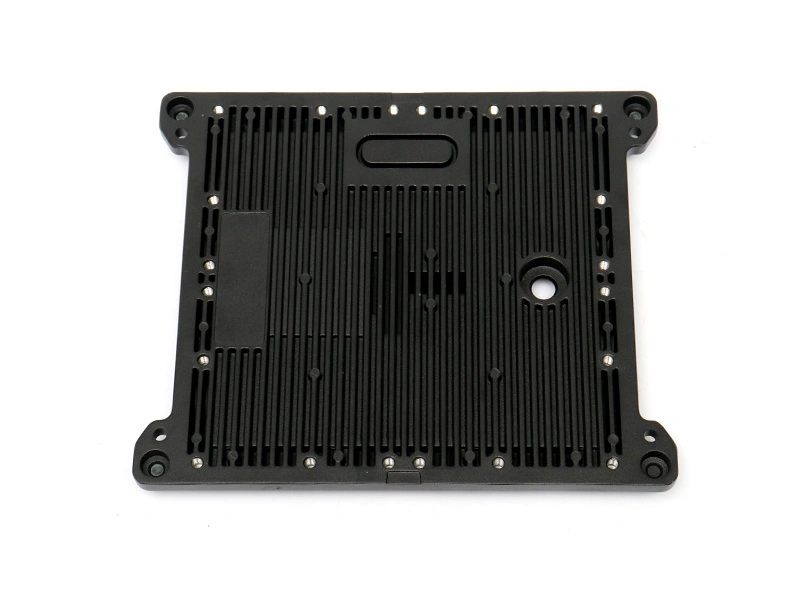
The winner is not the route with the highest single laboratory result. It is the route that meets all mandatory function, appearance and exposure requirements with stable production cost and manageable change risk. This scenario is not evidence that the pictured parts followed either route or achieved a specific result.
What to Include in a Powder Coating vs Painting RFQ
Provide the 3D model, controlled drawing, alloy and casting route, incoming surface, annual and batch quantity, color mix, appearance zones, mask map, dimensional interfaces, service environment, chemical and UV exposure, corrosion test methods, repair expectation, permitted cure limits, packaging and required records. Ask suppliers to quote the complete proposed stack.
Neway can review powder coating and painting as distinct finishing routes. The final selection should remain conditional on the specified material system, representative samples and buyer-approved evidence.
RFQ Item | Buyer Input | Supplier Response |
|---|---|---|
Service exposure | UV, salt, chemical, temperature and handling | Complete coating-system proposal |
Geometry | Recesses, edges, bores and mask zones | Coverage and fit-control plan |
Appearance | Color, gloss, texture and zone classes | Master and change-control method |
Production mix | Batch size and color-change frequency | Setup, MOQ and unit-cost breakdown |
Validation | Required functional and environmental tests | A/B trial results and approved process dossier |
A defensible comparison makes both routes answer the same delivered-part requirements. It avoids broad environmental or durability claims and gives the buyer a controlled basis for selecting the finish that fits geometry, service and production reality.
That basis should be retained for every repeat order and approved process change.
FAQ
Which Finish Is Easier to Touch Up on a Large Die Cast Assembly?
How Does Part Thermal Mass Affect Powder-Coat and Wet-Paint Cure Selection?
Which Route Gives Better Control in Deep Recesses and Shielded Corners?
How Should Buyers Compare Color-Change Cost for Powder Coating and Painting?
What A/B Trial Should Approve Painting or Powder Coating for an Outdoor Casting?