How Powder Coating Cast Aluminum Works for Production Parts
How Powder Coating Cast Aluminum Works for Production Parts
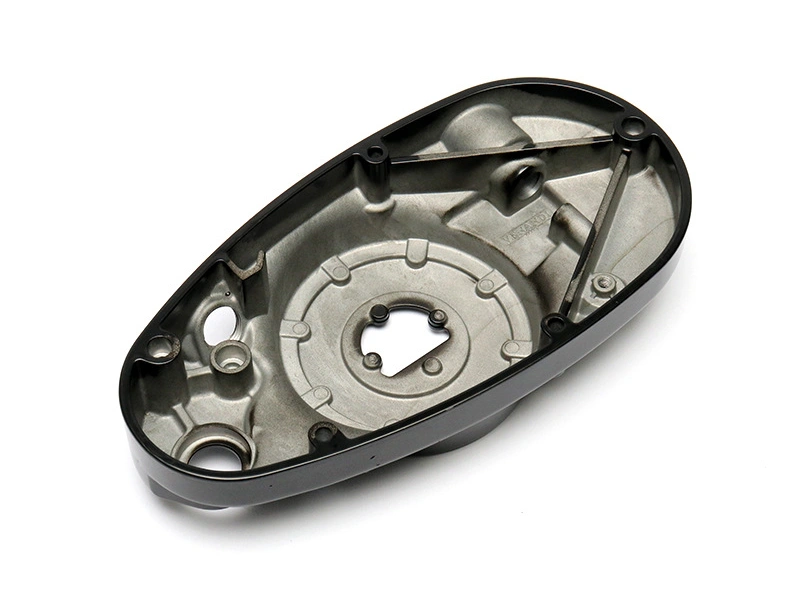
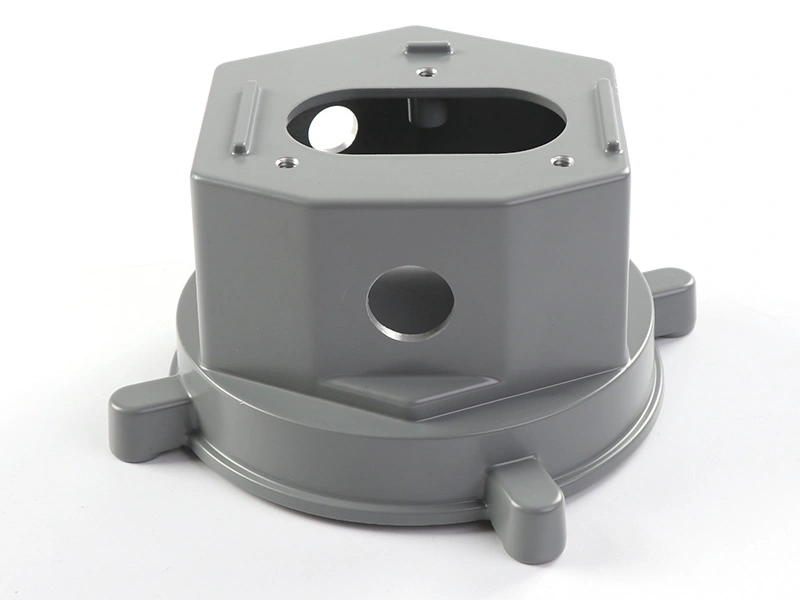
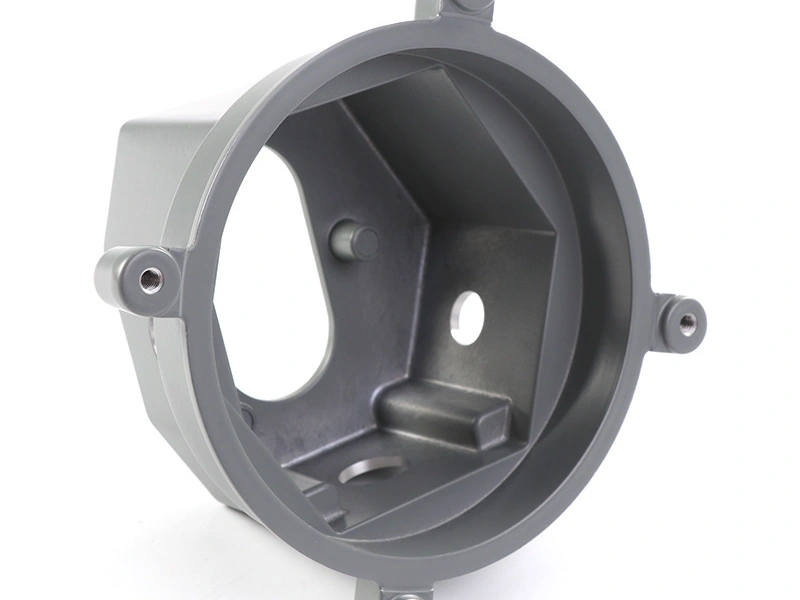
Powder coating cast aluminum can create a durable, attractive and corrosion-resistant finish for housings, covers, brackets, lighting bodies, motor parts, pump covers, handles and outdoor equipment components. It is useful when buyers need a finished aluminum casting with color, texture and better surface protection than raw cast aluminum.
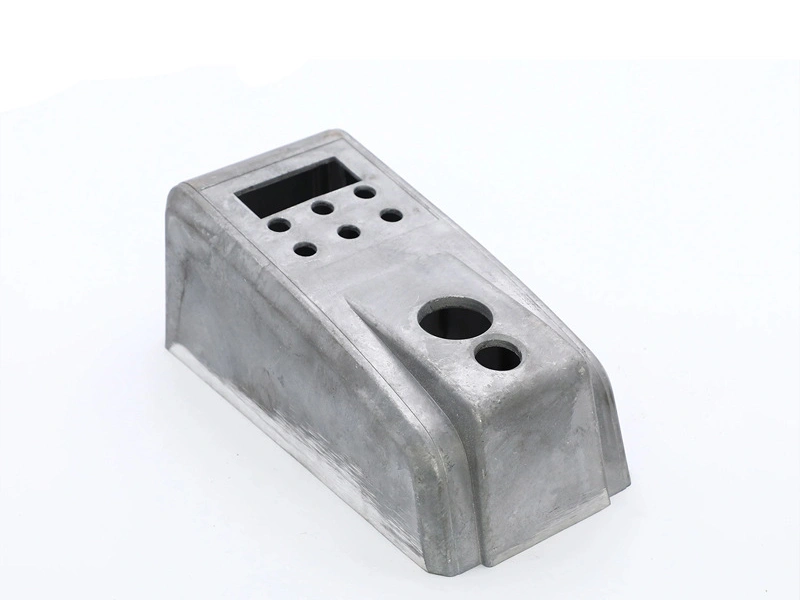
Cast aluminum, however, is not the same as flat sheet or extruded aluminum. A casting can contain pores, flow marks, parting lines, trimming areas, ejector marks, gate removal marks and local surface variation. Powder coating can hide some minor texture, but it can also reveal or worsen defects if pretreatment, outgassing control, masking and coating thickness are not planned correctly.
Buyers searching this topic usually want to know whether their cast aluminum parts can be powder coated successfully, what defects to expect, how to prevent blistering, what features need masking, and how to approve the finish before repeat production. The right answer is not simply "yes, aluminum can be powder coated." The real question is whether the cast surface, part function and coating standard are compatible.
Why Cast Aluminum Needs Special Surface Preparation
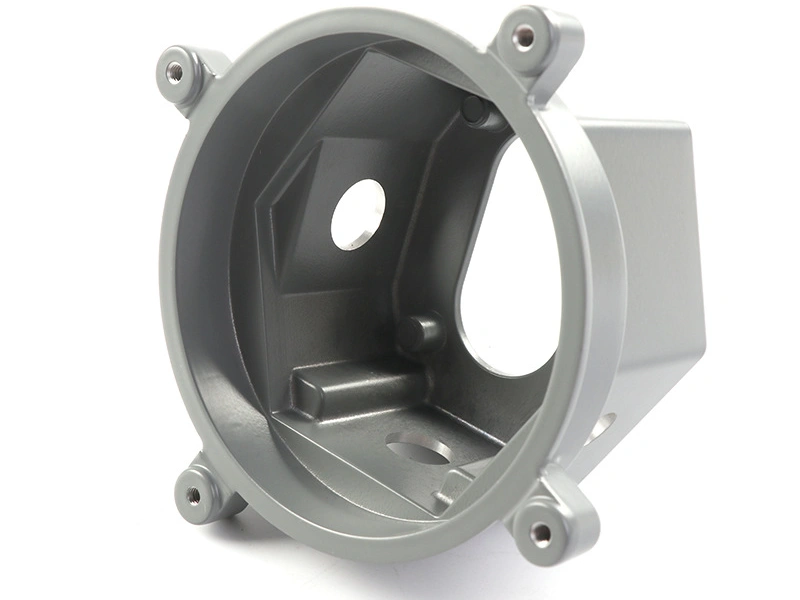
Surface preparation decides whether powder coating will adhere, cover evenly and survive handling. Cast aluminum parts may need degreasing, cleaning, deburring, blasting, conversion coating, drying and outgassing bake before powder application. The exact route depends on alloy, casting method, surface contamination, cosmetic standard and service environment. If the finish is part of the product value, whether surface treatments can hide aluminum die cast defects should be reviewed before color, masking or protection requirements are frozen.
Die cast aluminum can retain release agent, machining coolant or oil from handling. Sand cast aluminum may have rougher surface texture or embedded particles. Machined cast aluminum may have sharp edges and cutting fluid residue. If these issues are not removed, the coating can blister, peel, show fisheyes, lose adhesion or fail cosmetic inspection.
Preparation Step | Purpose on Cast Aluminum | Risk if Weak |
|---|---|---|
Degreasing | Removes oil, release agent and handling contamination | Poor adhesion, fisheyes and coating rejection |
Deburring | Controls sharp edges, parting lines and machining burrs | Thin coating on edges, assembly cuts and cosmetic defects |
Blasting or texture control | Creates a more uniform surface and can reduce minor marks | Uneven texture, visible casting marks or poor coating grip |
Conversion coating | Improves corrosion resistance and coating adhesion | Lower durability in outdoor or wet environments |
Drying and outgassing bake | Reduces moisture and trapped gas before powder cure | Blisters, pinholes and bubbles after curing |
Outgassing and Porosity Are the Main Cast Aluminum Risks
Outgassing happens when trapped gas, moisture or contaminants escape from the casting during the powder coating cure cycle. Because powder coating is cured with heat, pores in cast aluminum can release gas and create pinholes, bubbles or blisters in the coating film. This is one of the most important differences between powder coating cast aluminum and coating wrought aluminum sheet. Before approving finish samples, buyers can use epoxy powder coatings for indoor die cast parts to compare appearance limits, coating behavior and inspection expectations.
Porosity risk depends on casting method, alloy, wall thickness, gating, venting, machining exposure and surface finish level. A small pore on a hidden face may be acceptable. A cluster of pores on a customer-facing cover may reject the part. A pore on a sealing surface can create a functional problem even if the visible coating looks good.
Defect | Likely Cause | Prevention or Control |
|---|---|---|
Pinholes | Gas escapes through small pores during cure | Outgassing bake, better cleaning and realistic defect standard |
Blisters | Moisture, trapped gas or contamination under coating | Drying, degreasing, pretreatment and sample testing |
Fisheyes | Oil, silicone or release agent contamination | Stronger cleaning and handling control |
Visible pores after coating | Cast surface porosity or machined pores | Mark cosmetic surfaces and approve sample boundary |
Edge thinning | Sharp edges, poor deburring or coating flow behavior | Radius edges, deburr and inspect edge coverage |
Masking Requirements for Powder Coated Cast Aluminum
Masking is critical because powder coating adds thickness. Threads, bores, sealing faces, gasket areas, grounding points, electrical contact surfaces, bearing seats and tight sliding surfaces may need protection. If these areas are coated unintentionally, the part may not assemble even if the finish looks attractive. Before approving finish samples, buyers can use polyester powder coatings for outdoor die cast applications to compare appearance limits, coating behavior and inspection expectations.
Buyers should mark masking areas on the drawing before coating samples are produced. A verbal instruction such as "do not coat important holes" is not precise enough. The supplier needs to know which threads require plugs, which faces need tape, which bores need caps, and whether any coating cleanup is allowed after cure.
Area | Why It May Need Masking | Buyer Confirmation |
|---|---|---|
Threaded holes | Coating can fill threads or reduce fastener clearance | Plug, chase after coating or allow coating only if tested |
Sealing faces | Coating can change flatness, compression and leak behavior | Mask gasket surface or define acceptable coating |
Bores and bearing seats | Film thickness can reduce diameter and affect fit | Mask or machine after coating if required |
Grounding points | Powder coating can block electrical contact | Define bare metal contact area |
Cosmetic faces | Mask lines and rack marks can affect appearance | Approve rack position and visual boundary |
Coating Thickness and Fit Risk
Powder coating thickness is often in the range of about 60 to 120 micron, but the final value depends on powder type, color, surface geometry and supplier standard. Film buildup can be higher at edges, corners and recessed areas. Buyers should not ignore coating thickness when the part has threads, bores, mating faces, slots or tight assembly clearances. For coating-sensitive parts, polyurethane powder coatings for premium die cast surfaces gives a more specific reference for surface preparation, cosmetic risk and acceptance standards.
For cast aluminum parts with CNC-machined features, the machining and coating plan should work together. A hole that fits before coating may be too tight after coating. A masked face may need clean mask edges. A machined sealing face may need protection from overspray or rack marks. If the coating thickness is functional, it should be inspected with a coating thickness gauge and recorded against the acceptance standard.
Cosmetic Standards for Powder Coated Cast Aluminum
Cosmetic standards should be set before production coating. Cast aluminum can have surface texture, small pores and local marks that remain visible after powder coating. The buyer should define visible surfaces, hidden surfaces, acceptable pores, scratch limits, orange peel level, color tolerance, gloss and inspection distance. Without this standard, one team may accept the parts while another rejects the same batch.
A finish master is useful for custom cast aluminum parts. It should show the approved color, texture, gloss, defect level and masking quality. The supplier and buyer can use that sample to compare future batches. If the project includes multiple colors or textures, each finish should have its own approved sample.
Inspection for Powder Coated Cast Aluminum Parts
Inspection should include both appearance and function. Visual inspection checks color, gloss, texture, pores, blisters, scratches, rack marks and coverage. Functional inspection checks threads, masked faces, bores, contact points, coating thickness and fit with mating components. For outdoor or harsh-use parts, adhesion and corrosion-related tests may be required based on the buyer's standard.
The inspection method should match the part. A decorative cover may need stricter visual review, while an industrial bracket may need stronger adhesion and edge coverage. A pump cover may need gasket face masking and thread checks. A lighting housing may need color consistency and packaging protection to avoid scratches.
Inspection Item | Method | Why It Matters |
|---|---|---|
Film thickness | Coating thickness gauge | Controls fit, durability and finish consistency |
Adhesion | Cross-hatch or agreed adhesion test | Confirms pretreatment and cure quality |
Masked features | Visual check, thread gauge or fit check | Protects assembly and function |
Surface defects | Visual inspection under agreed condition | Reduces cosmetic disputes |
Packaging protection | Review separators, bags or wrapping | Prevents scratches after inspection |
Powder Coating Thickness and Cure Window
Many cast aluminum powder coating specifications start around 60-120 micrometers dry film thickness. Typical powder systems may require the part to remain around 160-200 degrees C for roughly 10-20 minutes, but the powder supplier's technical data sheet controls the real metal-temperature and time requirement. Thick sections heat more slowly, while trapped gas in porous castings can create pinholes during the bake.
Control | Common Screening Range | Risk to Check |
|---|---|---|
Dry film thickness | 60-120 micrometers | Thread, slot and mating clearance |
Part temperature | About 160-200 degrees C | Outgassing and material compatibility |
Time at temperature | About 10-20 minutes | Under-cure, over-bake and color shift |
Adhesion can be defined with ASTM D3359 or ISO 2409, while salt-spray exposure can be specified using ASTM B117 or ISO 9227 when it matches the service environment. These standards define test methods, not universal pass durations. The RFQ must still state coating system, pretreatment, scribe condition, exposure time and acceptable result.
Short Engineering Example: Powder Coated Lighting Housing
A buyer needed powder coating on a cast aluminum outdoor lighting housing. The part had a visible curved face, M4 threaded bosses, a gasket surface and several heat-dissipation ribs. Early samples showed small pinholes near a thick boss and coating buildup inside two threaded holes. The supplier added an outgassing bake, improved cleaning, plugged the threaded holes and masked the gasket surface before cure. For coating-sensitive parts, acrylic powder coatings for decorative die cast components gives a more specific reference for surface preparation, cosmetic risk and acceptance standards.
The finish master defined black texture, acceptable pore size on hidden ribs, no visible blisters on the front face, clean thread gauge results and protected packaging. The buyer approved the finished sample because the coating plan controlled both cosmetic appearance and assembly fit. That approval became the reference for the low-volume batch and later repeat orders.
What to Include in a Powder Coating Cast Aluminum RFQ
An RFQ for powder coating cast aluminum should include casting material, casting process, part drawings, visible surface map, color and texture target, powder type if known, masking areas, coating thickness requirement, application environment, inspection standard, packaging expectation and order quantity. If the part has known porosity or previous coating defects, those issues should be disclosed.
Neway can support powder coating as part of post-process services for aluminum cast parts made through aluminum die casting, machining and finishing workflows. Buyers who define the finish standard early can avoid costly disputes after the parts are already coated.
Powder Coating vs Anodizing or Painting for Cast Aluminum
Buyers often compare powder coating with anodizing and liquid painting. Powder coating is strong when the buyer needs a thicker colored protective finish, textured appearance, outdoor durability or better hiding of minor cast surface variation. Liquid painting may offer more color flexibility or thinner film in some cases, but it can be less durable depending on the system. Anodizing can be attractive on certain aluminum alloys, yet die cast aluminum often contains alloying elements and surface conditions that make decorative anodizing less predictable than on 6061 or 6063 wrought aluminum.
For cast aluminum, the finish choice should match both appearance and function. If the part is a rugged outdoor housing, powder coating may be preferred because it gives a tough protective layer. If the part needs a very thin conductive contact surface, coating must be masked or another finish may be needed. If the buyer wants a metallic anodized look on a die cast alloy, sample testing is important because color and surface consistency may not match expectations.
Finish Route | Best Fit on Cast Aluminum | Buyer Risk |
|---|---|---|
Powder coating | Durable color, outdoor housings, textured covers and protective finish | Thickness buildup, outgassing and masking errors |
Liquid painting | Specific color systems, thinner appearance layers and touch-up flexibility | Adhesion, scratch resistance and solvent-process control |
Anodizing | Selected aluminum parts where alloy and appearance are suitable | Color variation and poor cosmetic consistency on many die cast alloys |
As-cast plus blasting | Industrial parts where color is not needed | Lower corrosion protection and visible casting texture |
Supplier Workflow for Powder Coated Cast Aluminum Parts
A reliable supplier workflow should start before coating. The casting should be reviewed for visible surfaces, porosity risk, machined features, burrs, parting line cleanup and contamination. Machining should be completed on features that must stay accurate. Then the finish team should confirm cleaning, pretreatment, outgassing bake, masking, powder application, curing, inspection and packaging. When the visible surface matters, how to control porosity and surface defects before coating helps connect the finish choice with realistic sample approval and batch control.
This workflow matters because a coating problem may be caused by a process step before powder is applied. Blisters may come from trapped gas in the casting. Fisheyes may come from oil or release agent. Masking failure may come from unclear drawings. Scratches may occur after inspection during packing. Treating coating as an isolated operation makes root cause harder to find.
Neway's value for this type of project is connecting casting, CNC machining, post-process and finished inspection. For example, a cast aluminum cover can be reviewed for ejector marks, machined thread depth, powder mask plugs, coating thickness and scratch protection in one production route. That is more useful to buyers than receiving a raw casting from one supplier and asking another supplier to solve finish problems later.
Approval Steps Before Repeat Powder Coating Production
Before repeat production, buyers should approve a coated sample under realistic conditions. The sample should include the same casting route, machined features, surface preparation, masking method, powder type, cure process and packaging style intended for production. A sample prepared with extra polishing or special handwork may not represent the normal batch.
The approval record should include color or texture target, film thickness range, visual defect standard, mask map, thread or bore fit check, adhesion expectation and packaging requirement. If the product will be used outdoors, the buyer may add corrosion or weathering requirements based on the application. If the part is decorative, the buyer should approve visible surfaces under agreed lighting and distance.
Repeat orders should reference the approved finish master and drawing revision. If the casting source, alloy, surface preparation, powder supplier or masking method changes, the finish may need reapproval. That discipline prevents one good sample from being stretched across a different process later.
Packaging Protection for Powder Coated Cast Aluminum
Packaging protection is part of the coating plan. Powder coated cast aluminum can be scratched, chipped or rubbed during shipment if parts touch each other or move inside cartons. Textured black coatings, matte finishes and sharp edges can show scuffs clearly. Heavy castings can also damage each other if stacked without separators.
Buyers should define packaging based on the finish and part geometry. Options may include individual bags, foam separators, trays, edge protectors, paper wrapping or carton dividers. The packaging method should protect visible surfaces and avoid pressure marks on coated faces. If the coating is approved at the factory but arrives damaged, the finish process still fails the buyer's commercial requirement.
Cost Drivers for Powder Coating Cast Aluminum
Powder coating cost for cast aluminum changes with part size, weight, surface area, color, powder type, pretreatment, outgassing bake, masking, inspection and packaging. A small bracket with one color and no masking may be straightforward. A large housing with threaded holes, gasket faces, visible surfaces, outgassing bake and individual packaging will require more labor and process control.
Buyers should compare quotes by finished requirement, not only by coating price per piece. One supplier may include cleaning, masking, film thickness checks and packaging, while another may quote only powder application. If the coated part must assemble, survive shipment and meet a visual standard, those supporting steps are part of the true cost.
Cost Driver | Why It Changes Price | Buyer Check |
|---|---|---|
Outgassing bake | Adds time and energy before coating | Use when casting porosity risk justifies it |
Masking | Requires plugs, tape, labor and inspection | Mark only functional keep-out areas |
Color or texture | Special powder or small batches may cost more | Confirm standard color or custom finish |
Packaging | Visible coated parts may need individual protection | Define scratch-sensitive surfaces |
How to Avoid Rework After Powder Coating
Rework after powder coating is expensive because the part may need stripping, recoating, thread cleanup or full replacement. Buyers can reduce rework by approving a finish master, checking masking, confirming pretreatment, defining film thickness and inspecting early samples before the full batch is coated. For cast aluminum, the first coated pieces should be reviewed for pinholes, blisters, color, thread fit and packaging marks.
If rework is needed, the cause should be identified before repeating the process. A thread blocked by coating needs better masking or cleanup. A blister caused by outgassing may need bake and casting review. A scratch caused by shipment needs packaging correction. Treating all coating failures the same wastes time and can damage the cast parts.
FAQ