How Buyers Should Choose Wear Resistant Aluminum Coating
How Buyers Should Choose Wear Resistant Aluminum Coating
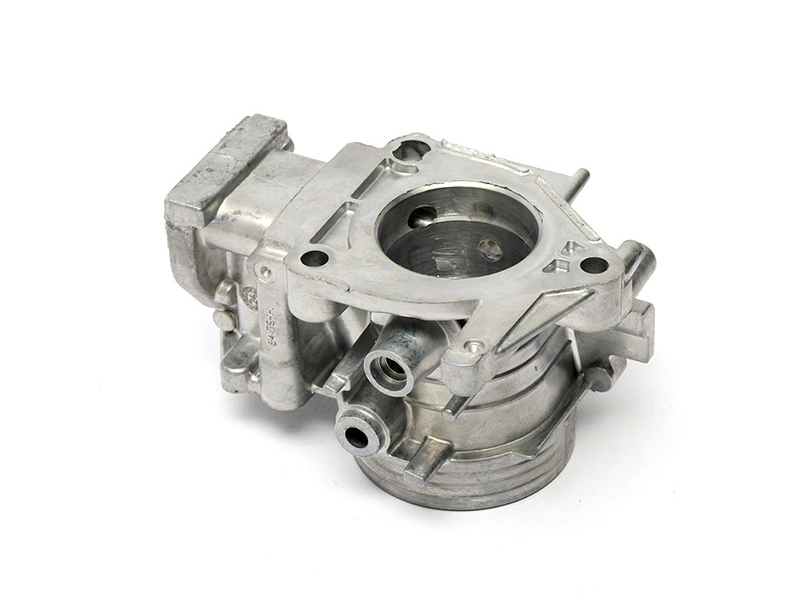
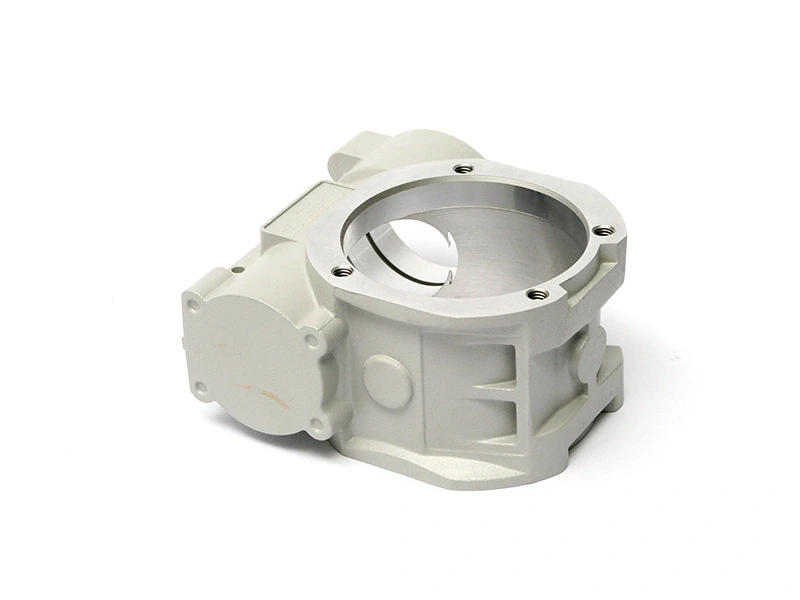
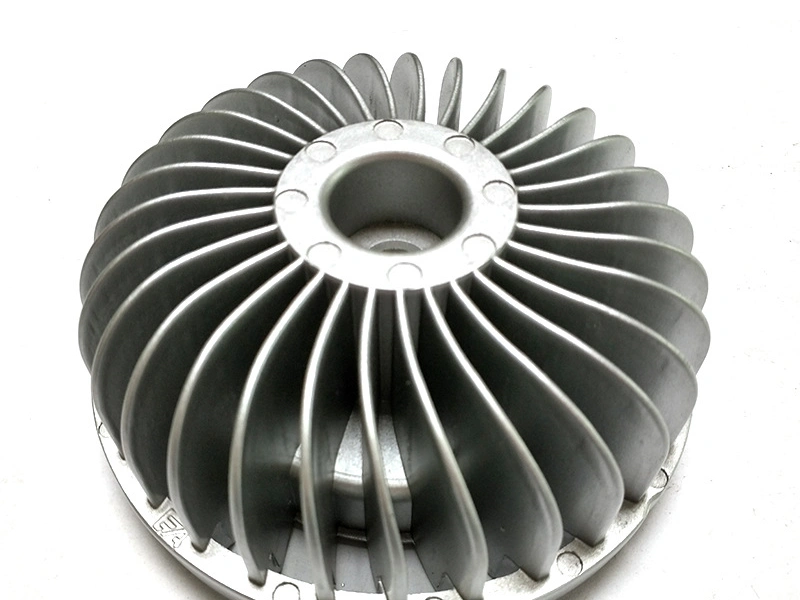
Wear resistant aluminum coating is used when an aluminum part needs protection against abrasion, handling marks, sliding contact, rubbing, outdoor use, tool contact, assembly wear or repeated product use. For die cast aluminum parts, the coating decision must consider the casting alloy, surface quality, coating thickness, adhesion, masking, cosmetic requirement, corrosion exposure and how the part will be inspected.
For aluminum die cast parts, post-process surface treatment should be selected from the finished-part requirement. A decorative coating may look good but fail under repeated contact. A thick protective coating may improve durability but interfere with threads, slots or mating faces. A hard coating may not work well if the base casting has porosity, contamination or poor surface preparation.
The right route starts by identifying the wear zones. A handle may wear where users touch it. A bracket may wear at bolt contact points. A sliding cover may wear along guide surfaces. A motor housing may need coating mainly for handling, corrosion and visual durability. Each zone can require a different coating thickness, masking or inspection standard.
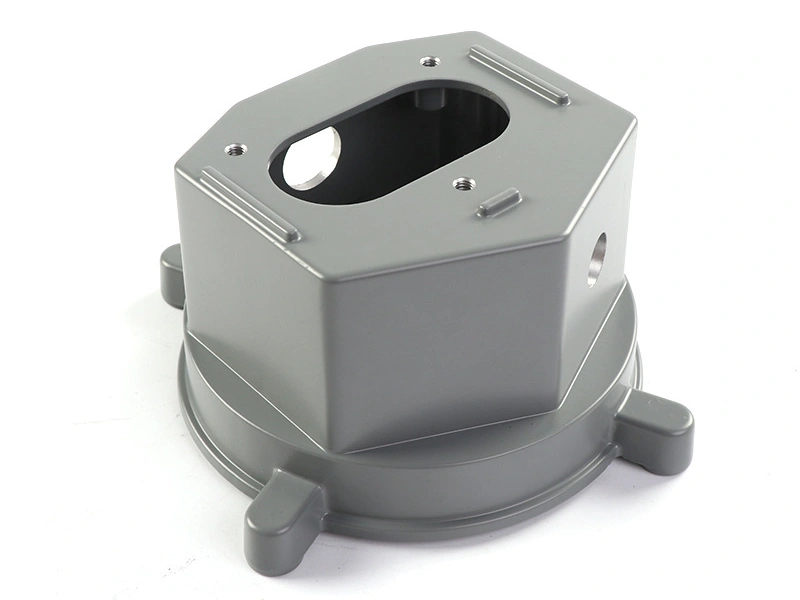
Wear Modes Buyers Should Identify Before Selecting Coating
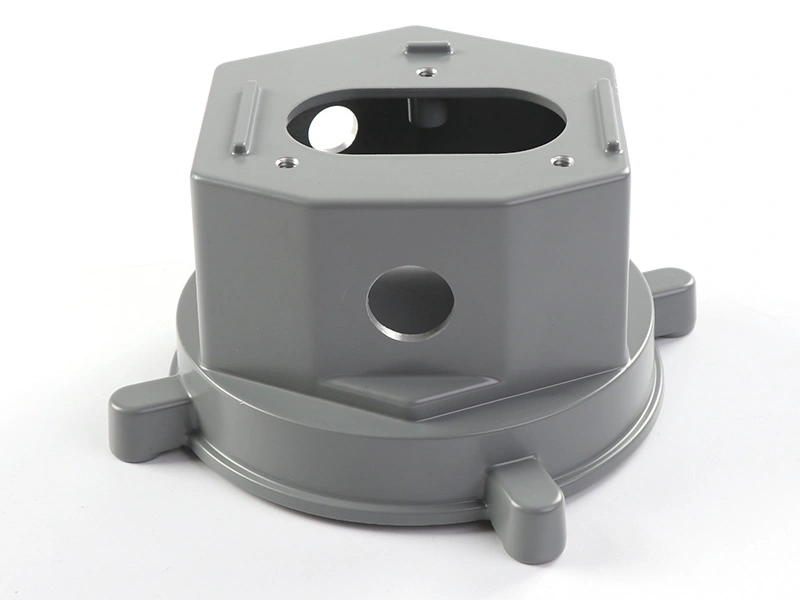
Wear resistant coating should be selected by wear mode. Hand contact, packaging rub, sliding against plastic, sliding against metal, abrasive dust, tool impact and outdoor exposure do not damage coatings in the same way. A coating that works well for handling marks may fail quickly under metal-to-metal sliding. A coating that resists abrasion may still chip if the edge is sharp or the part is packed poorly.
Buyers should describe the contact material, contact pressure, movement, frequency, temperature and environment. A coated aluminum equipment handle may need resistance to hand oils, scratches and transport rub. A sliding guide may need a lower-friction contact design or an insert rather than relying only on coating. A bracket near outdoor moisture may need corrosion protection as well as abrasion resistance.
Wear Mode | Common Risk | Coating Decision Point |
|---|---|---|
Hand contact | Gloss change, scratches and staining | Use durable cosmetic coating and approve finish master |
Packaging rub | Scuffs before the part reaches assembly | Improve packaging and surface protection |
Plastic sliding contact | Local coating wear along guide surfaces | Check abrasion and assembly cycling |
Metal sliding contact | Chipping, gouging or rapid film loss | Consider insert, design change or specialized coating |
Outdoor abrasion | Combined wear and corrosion | Test coating with corrosion exposure and edge coverage |
Main Coating Options for Wear Resistant Aluminum Parts
Wear resistant aluminum coating options can include powder coating, polyurethane powder coating, polyester powder coating, epoxy powder coating, ceramic-filled coatings, hardcoat anodizing for suitable wrought aluminum, plating in special cases and paint systems with abrasion-resistant topcoats. The right option depends on whether the part needs abrasion resistance, corrosion protection, color, electrical insulation, chemical resistance or a specific surface feel.
For many die cast aluminum parts, powder coating is a practical route because it provides durable coverage, color, edge protection and handling resistance. Polyurethane powder coatings can support premium surface durability and appearance. Polyester powder coatings are often used for outdoor exposure. Epoxy powder coatings can be useful for indoor protection and chemical resistance, although UV exposure must be reviewed.
Hardcoat anodizing is often discussed for wear-resistant aluminum, but die cast alloys such as A380 or ADC12 may not anodize with the same uniformity as wrought 6061 or 6063. Buyers should not assume that hardcoat anodizing is automatically suitable for every die cast aluminum part. The alloy, silicon content, surface porosity and cosmetic expectation must be checked before choosing that route.
Coating Route | Best Used When | Buyer Risk to Check |
|---|---|---|
Polyurethane powder coating | Premium appearance, handling resistance and durable surface are needed | Thickness, color, gloss and masking around functional areas |
Polyester powder coating | Outdoor durability and color retention are important | UV exposure, corrosion target and edge coverage |
Epoxy powder coating | Indoor chemical or protective performance matters | UV sensitivity and final appearance requirements |
Ceramic-filled coating | Higher abrasion or temperature resistance is needed | Coating supplier capability and thickness effect on fit |
Hardcoat anodizing | Suitable wrought aluminum needs hard wear surface | Die cast alloy compatibility and color uniformity |
Abrasion-resistant paint system | Color and smoother appearance are more important than thick film | Adhesion, scratch resistance and primer compatibility |
How Aluminum Die Cast Substrate Affects Coating Performance
The base aluminum casting affects coating durability. Porosity, release agent residue, oil, flow marks, burrs, sharp edges, trimming marks and surface contamination can weaken coating adhesion or create visible defects. A coating may be wear resistant in theory, but it will fail early if the substrate is dirty, porous, too smooth, too rough or poorly prepared.
Aluminum die casting materials such as A380 and ADC12 are common for production housings, covers and brackets, but surface treatment should be validated on real cast parts. A flat coating coupon does not show how coating behaves on ribs, bosses, edges, threaded holes, machined pads or casting texture. Buyers should approve samples made from production-representative castings.
Sharp edges are a common weak point because coating can become thinner on corners. Burrs and flash can chip after coating. Threaded holes can fill with coating or trapped media. Sealing faces may need to remain uncoated. These details should be marked before coating is released.
Surface Preparation for Durable Aluminum Coating
Surface preparation controls adhesion and wear performance. Common preparation steps include degreasing, cleaning, deburring, sand blasting or media blasting, conversion treatment and drying before coating. The goal is to remove contamination, create a suitable surface profile and protect functional areas from coating or media damage.
Sand blasting for aluminum die cast parts can improve texture and coating adhesion when media, pressure and coverage are controlled. Aluminum oxide media can create a stronger profile. Glass bead can create a softer appearance. Non-metallic media may be selected where contamination risk matters. Aggressive blasting can damage edges, threads or machined faces, so masking and post-blast cleaning are important.
Preparation should be matched to the coating. A powder coating route may need a different profile and pretreatment from a paint system. A part exposed outdoors may need stronger corrosion pretreatment than an indoor handle. Buyers should ask suppliers to validate the preparation and coating together instead of approving each step separately.
Coating Thickness, Masking and Assembly Fit
Wear resistant coatings often need enough thickness to protect the surface, but thickness can create assembly problems. Powder coating may commonly fall in a range such as 60-120 micrometers depending on system and requirement, but the actual target should come from the coating specification and part function. Thick coating around holes, slots, threads and mating faces can block assembly.
Masking protects functional surfaces. Threads, bores, sealing faces, grounding pads, bearing seats and precision datums may need plugs, caps, tape or custom fixtures. Buyers should mark no-coating areas on the drawing. If masking is not planned, the supplier may need to clean threads after coating or machine surfaces again, which adds cost and risk.
For parts that need final precision, CNC machining should be coordinated with coating sequence. Some features are machined before coating and masked. Others may be machined or chased after coating to restore fit. The correct sequence depends on the part function and finish requirement.
How to Test Wear Resistant Aluminum Coating
Testing should match the real wear condition. A part that experiences hand contact may need scratch, rub and cosmetic checks. A sliding guide may need abrasion testing and thickness control. An outdoor bracket may need corrosion and UV performance. A coated thread area may need assembly testing. The buyer should define what failure means: exposed metal, coating chip, color change, adhesion loss, thickness loss or assembly interference.
Common checks can include coating thickness measurement, crosshatch adhesion, rub testing, Taber abrasion testing, salt spray testing, visual inspection, thread gauge checks and assembly fit. Not every part needs every test. The inspection plan should protect the application without adding unnecessary cost.
Test or Check | What It Confirms | When Buyers Need It |
|---|---|---|
Coating thickness | Film build and assembly clearance | Threads, slots, edges and functional fits |
Crosshatch adhesion | Bond between coating and aluminum substrate | Coated production parts and sample approval |
Taber abrasion | Resistance to controlled rubbing wear | Repeated contact or sliding applications |
Salt spray | Corrosion protection direction | Outdoor or moisture-exposed parts |
Thread gauge | Assembly after coating and masking | Fastened aluminum housings and brackets |
Finish master review | Appearance and acceptable wear zone condition | Customer-facing coated parts |
Wear Resistant Coating Thickness and Hardness
Different wear coatings solve different contact conditions. Hardcoat anodizing is often specified around 25-75 micrometers and may reach roughly 400-600 HV depending on alloy and process. Electroless nickel commonly falls around 10-50 micrometers and roughly 500-700 HV as deposited, while PVD films are often only 1-5 micrometers but may exceed 1,500 HV. Powder coating at 60-120 micrometers helps with handling and cosmetic wear but is not a substitute for a bearing surface.
Coating Route | Typical Reference | Best Fit |
|---|---|---|
Hardcoat anodizing | 25-75 micrometers; about 400-600 HV | Aluminum sliding and abrasion zones |
Electroless nickel | 10-50 micrometers; about 500-700 HV | Uniform coverage and wear/corrosion balance |
PVD | 1-5 micrometers; often above 1,500 HV | Thin hard film on suitable prepared surfaces |
Powder coating | 60-120 micrometers | Handling, appearance and environmental protection |
MIL-PRF-8625 Type III can define hardcoat anodizing, ASTM B733 can define electroless nickel requirements, ASTM D4060 can define Taber abrasion testing and ASTM E384 can define microhardness measurement. Thin hard films should also be compared with PVD coating performance.
For hardcoat thickness and fit, Type III anodizing tolerance risk provides a more relevant reference than a generic cosmetic finish specification.
Short Case: Wear Resistant Coating for Aluminum Equipment Handle
A buyer needed an aluminum die cast equipment handle with repeated hand contact, screw assembly and outdoor exposure. The raw casting had acceptable geometry, but the first finish plan did not define wear zones, masking or adhesion testing. The risk was that the coating could chip around screw holes and wear on the grip surface during use.
The revised route used deburring, controlled blasting, polyurethane powder coating, masked threaded holes and a finish master. The buyer approved coating thickness, crosshatch adhesion, visual appearance and thread gauge results. The grip zone received stricter wear and cosmetic review than hidden interior surfaces. Packaging was changed to prevent coated handles from rubbing during shipment.
The project did not simply choose the hardest possible coating. It matched the coating to the aluminum substrate, wear zones, assembly surfaces and production inspection method.
What Buyers Should Include in a Wear Resistant Coating RFQ
A wear resistant aluminum coating RFQ should include alloy, casting process, 3D model, 2D drawing, wear zones, coating type, color, gloss, target thickness, masking areas, surface preparation, corrosion exposure, abrasion requirement, acceptable defects, inspection method, sample approval and packaging. If the buyer has a competing part or failed coating sample, that reference can help define the problem.
RFQ Detail | Why It Matters | Buyer Example |
|---|---|---|
Wear zone | Shows where abrasion or rubbing occurs | Grip area and sliding side face |
Alloy and casting route | Affects preparation and coating adhesion | A380 aluminum die casting |
Coating type | Controls durability, appearance and cost | Polyurethane powder coating or supplier recommendation |
Thickness target | Affects wear life and assembly fit | Confirm around slots and holes |
Masking areas | Protects threads, sealing faces and datums | No coating in M5 threaded holes |
Test method | Defines how performance will be accepted | Crosshatch adhesion, abrasion test or assembly test |
How Neway Supports Wear Resistant Aluminum Coating Projects
Neway can review wear resistant aluminum coating requirements from the part drawing through casting, surface preparation, coating, masking, inspection and packaging. For buyers comparing options, wear resistant coatings for die cast parts can be considered together with powder coating, painting, blasting and aluminum die casting constraints.
For outdoor or moisture-exposed parts, anti-corrosion coatings for die castings may also need to be reviewed with wear resistance. A coating that resists abrasion but fails in corrosion exposure will not protect the part in real service.
If the coating route uses powder, buyers can compare polyurethane, polyester and epoxy systems by environment and wear mode. Polyurethane powder coatings may fit premium surfaces and repeated handling, while polyester powder coatings can support outdoor durability requirements. The final selection still needs sample validation on the actual aluminum die cast part.
Before repeat production, buyers should approve the coating sample, thickness, adhesion, wear-zone inspection, masking method and packaging. This creates a standard that can be repeated across future batches instead of relying on a one-time visual approval.
Production Controls That Keep Wear Resistant Coating Consistent
Wear resistant coating quality can drift if preparation, coating thickness, cure condition, masking or packaging changes between batches. Buyers should ask the supplier to keep a production record that includes alloy, casting condition, blasting media, cleaning method, coating batch, cure profile, thickness range, adhesion result, finish master and packaging method. This record is especially important for repeat orders.
The supplier should also define what happens when defects appear. Coating chips near threaded holes may point to masking or edge preparation. Bubbles may point to contamination or outgassing. Uneven gloss may point to film build or cure variation. Premature wear may point to the wrong coating route or an unrealistic wear expectation. A corrective action should address the cause, not only replace the rejected parts.
For buyer teams, the release checklist should include sample approval, assembly testing, wear-zone inspection and packaging validation. When those controls are locked, the coating is more likely to protect the aluminum part consistently in production use.
When Coating Alone Is Not the Right Wear Solution
Some wear problems should not be solved by coating alone. If the aluminum part carries heavy metal-to-metal sliding, repeated impact, abrasive particles or a load-bearing bearing surface, a coating may wear through quickly even when adhesion is good. In those cases, buyers should review the product design, contact material and replaceable wear components before selecting a finish.
Possible alternatives include adding a bushing, changing the mating material, increasing contact area, using a stainless insert, machining a dedicated wear pad, changing the assembly motion or reducing edge pressure. These changes may protect the product better than asking for a thicker coating. A thicker coating can also create fit problems and may chip at sharp edges if the base geometry is not suitable.
Buyers should ask whether the coating is expected to protect appearance or carry mechanical wear. Appearance wear and functional wear are different decisions. A powder coated equipment cover may need scratch resistance and color durability. A sliding machine guide may need a wear component or a different material pair. Making this distinction early prevents the coating supplier from being blamed for a design-level wear problem.
The best RFQ therefore describes the application, not only the coating name. When the supplier understands the contact load, mating material, environment and required life, the coating recommendation becomes more realistic and easier to validate.
Buyers should also define what level of wear is acceptable after use. Some products can accept slight gloss change but no exposed metal. Others can accept cosmetic marks on hidden areas but no coating loss on a sealing edge. A few functional parts may require no measurable wear after a defined cycle test. These acceptance limits should be written before samples are judged.
When the acceptable wear limit is unclear, the first sample review becomes subjective. One team may reject any visible mark, while another may accept marks that do not affect function. A written wear limit, finish master and test method keep the supplier and buyer aligned during pilot and repeat production approval stage.
For production approval, buyers should connect the wear limit to the real contact zone, mating material and service environment so the coating is judged against the expected use rather than a generic appearance preference.
FAQ