How Buyers Should Choose Coating for Die Casting Parts
How Buyers Should Choose Coating for Die Casting Parts
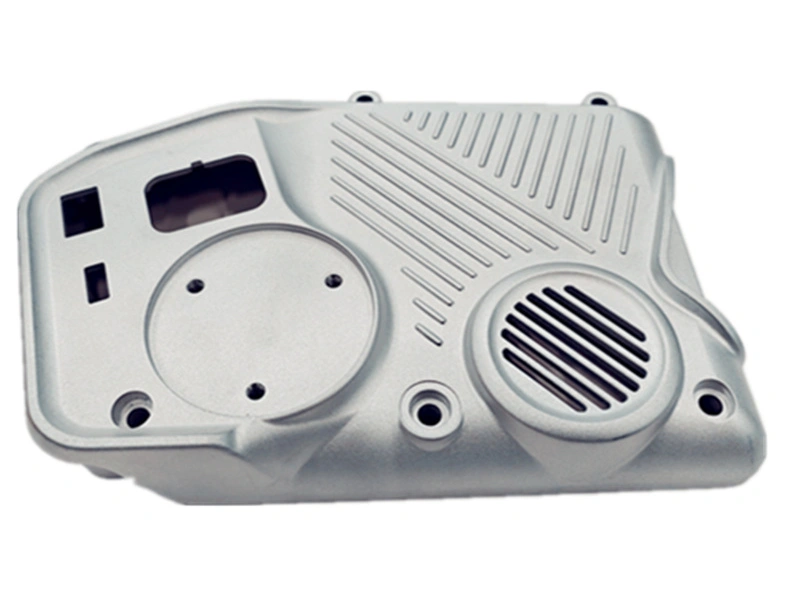
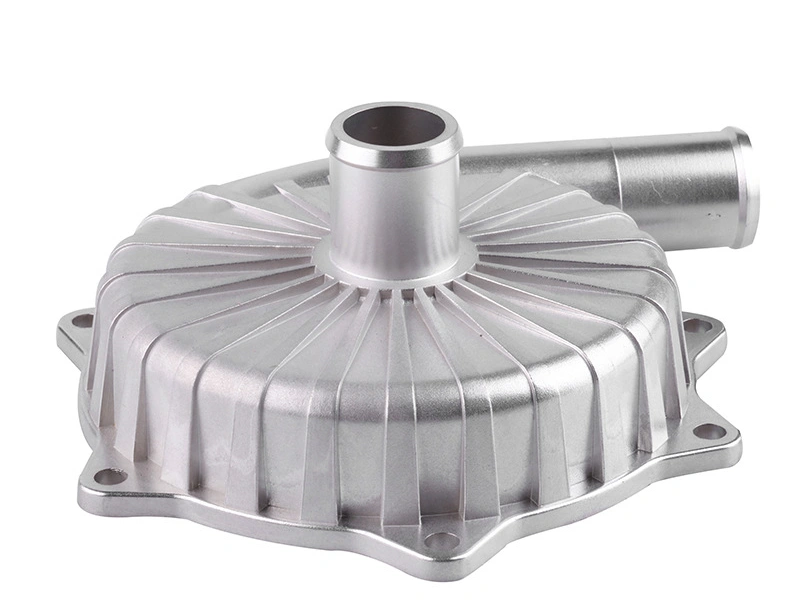
Coating for die casting should be selected by material, surface condition, appearance requirement, corrosion exposure, assembly fit, coating thickness, masking and inspection method. A coating is not only a color choice. It affects how the finished part looks, how it resists corrosion, how it fits with other components and how it survives packaging and shipment.
Buyers usually search this topic when a die cast part needs powder coating, painting, plating, conversion coating or another protective finish. The part may be aluminum or zinc. It may be a housing, cover, bracket, handle, motor part, lighting component, enclosure or decorative component. The coating choice depends on what the part must do after casting, machining and assembly.
The main risk is treating coating as a final decoration step after the part is already designed and tooled. In die casting, surface porosity, ejector marks, parting lines, die release residue, burrs, machined edges and trapped gas can affect coating quality. If coating is planned late, buyers may see pinholes, blisters, poor adhesion, color variation, masking problems or assembly interference.
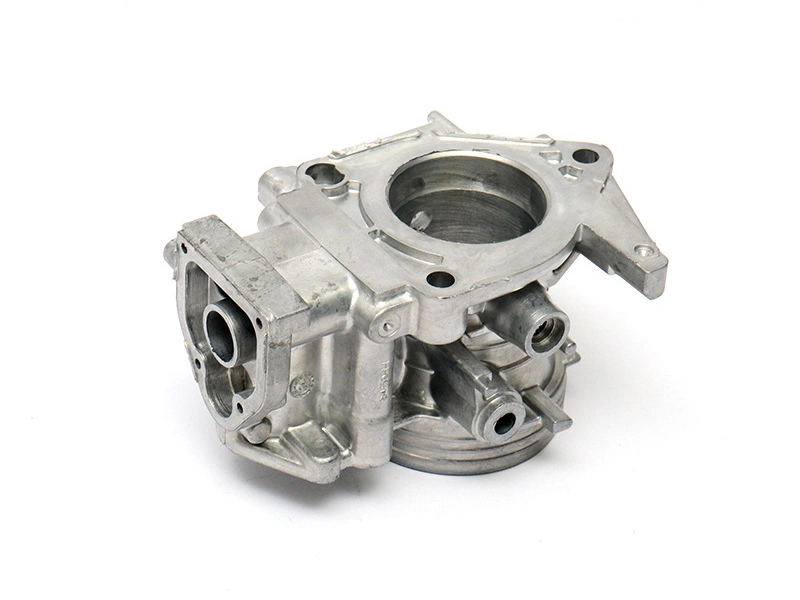
Main Coating Options for Die Cast Parts
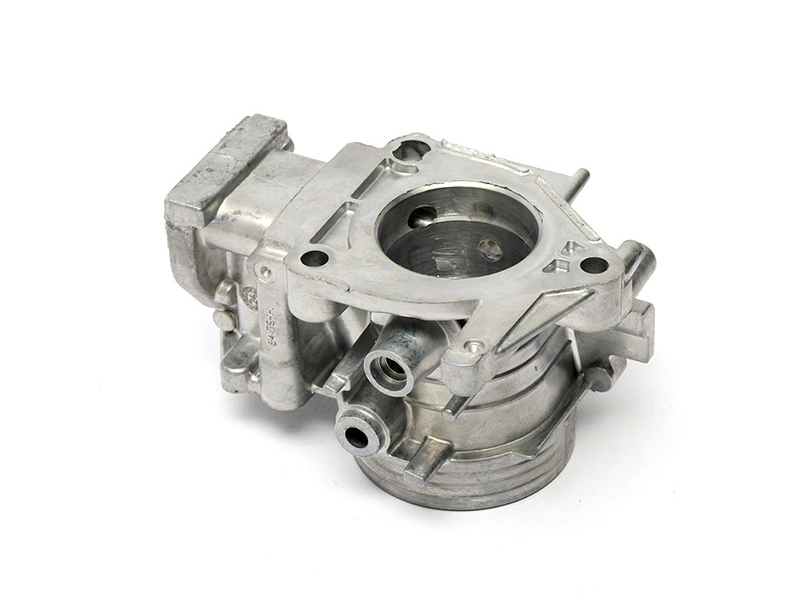
Common coating and finishing options for die cast parts include powder coating, liquid painting, plating, conversion coating, polishing and clear protective finishes. Powder coating and painting are common for aluminum die cast parts that need color, corrosion protection and durable surface coverage. Plating is common for many zinc die cast parts, especially decorative hardware or components that need metallic appearance. Conversion coating may be used as a pretreatment or functional protection layer depending on the application.
Buyers should choose coating based on part material, environment and final use. Outdoor equipment may need corrosion resistance. Consumer-facing parts may need cosmetic consistency. Industrial covers may need durable coating and scratch protection. Threads, bores, sealing faces and grounding areas may need masking. A coating that looks good can still fail if it interferes with fit or covers functional surfaces.
For die cast parts, coating should be connected with surface preparation. Cleaning, deburring, polishing, blasting, pretreatment and drying can matter as much as the coating material itself.
Coating or Finish | Common Use | Buyer Should Confirm |
|---|---|---|
Powder coating | Durable colored finish on aluminum or zinc parts | Outgassing, masking, thickness and adhesion |
Painting | Color, appearance and lighter finish control | Color standard, surface defects and packaging |
Plating | Decorative or functional metallic finish, often on zinc | Surface quality, pits, adhesion and corrosion expectation |
Conversion coating | Pretreatment, corrosion or adhesion support | Material compatibility and performance requirement |
Polishing | Improves visible surfaces before final finish | Allowed marks, edges and cosmetic limit |
Coating for Aluminum Die Casting Parts
Coating for aluminum die casting parts often focuses on corrosion protection, color, durability and appearance. Powder coating and painting are common choices. They can work well when the casting surface is prepared correctly and the finish requirement is defined before production. For outdoor or industrial use, coating may be needed even when the aluminum alloy has useful corrosion resistance.
Aluminum die cast parts can create coating challenges because of porosity, trapped gas, silicon-rich surfaces, die release residue and machined edges. During baking, trapped gas can create pinholes or bubbles in powder coating. Poor cleaning can reduce adhesion. Sharp edges may receive less coverage. If cosmetic surfaces are important, gate location, ejector marks and parting lines should be reviewed before tooling.
For aluminum die casting, buyers should define visible surfaces, coating color, gloss, texture, thickness, masking areas, acceptable defects and packaging protection before the coating route is released.
Coating for Zinc Die Cast Parts
Zinc die cast parts are often coated or plated for decorative appearance, corrosion protection and touch quality. Plating is common for zinc hardware and decorative parts, while painting or powder coating may be used depending on appearance and environment. Zinc die casting can reproduce fine details, but the surface must be controlled if the part will receive a cosmetic finish.
Buyers should pay attention to pits, polishing marks, parting lines, flash, burrs and handling damage. These defects can show through plating or painting. A part that is acceptable as a raw zinc casting may not be acceptable after a bright finish. For visible parts, the finish sample should be made on the real casting rather than only on a flat panel.
For zinc die casting, coating or plating requirements should be included in the RFQ so tooling, surface preparation and packaging can support the final appearance.
Surface Preparation Before Coating Die Cast Parts
Surface preparation is often the difference between a coating that passes and a coating that fails. Die cast parts may need trimming, deburring, cleaning, degreasing, blasting, polishing, conversion coating, preheating or drying before coating. The correct preparation depends on material, coating type, surface condition and final use.
Cleaning removes oil, die release agents, machining coolant and handling residue. Deburring removes sharp edges and loose flash. Blasting can improve surface texture or remove defects, but it must be controlled on cosmetic or precision areas. Polishing can prepare visible surfaces. Pretreatment can improve adhesion and corrosion resistance.
For parts with coating requirements, sand blasting or other preparation steps should be tested carefully because they can change texture, edges and visible appearance.
Preparation Step | Why It Matters | Buyer Risk if Ignored |
|---|---|---|
Cleaning | Removes oil, release agent and coolant | Poor adhesion or coating failure |
Deburring | Removes sharp edges and loose flash | Thin edge coating or loose burrs after finishing |
Blasting | Controls surface texture and preparation | Texture mismatch or dimensional concerns |
Polishing | Improves visible surfaces before finish | Marks visible through coating or plating |
Pretreatment | Improves adhesion and corrosion resistance | Blisters, corrosion or poor durability |
Masking, Coating Thickness and Assembly Fit
Coating can affect assembly fit if it reaches threads, bores, sealing faces, contact pads or datum surfaces. Buyers should define masking areas before production. Threaded holes may need plugs. Bores may need caps. Sealing faces may need tape, custom masks or post-finish machining depending on the part. If coating thickness is allowed on a mating surface, the tolerance stack should include that thickness.
Masking also affects cost and repeatability. A simple decorative cover may need little masking. A machined housing with many holes, sealing faces and grounding areas may need detailed masking instructions. The buyer should include masking in the quote instead of discovering it during finishing.
Coating thickness should be inspected when it affects protection, appearance or fit. A coating that is too thin may fail durability expectations. A coating that is too thick may interfere with assembly. This is especially important when parts are used in enclosures, housings, mechanical assemblies or electrical interfaces.
Inspection and Sample Approval for Die Cast Coatings
Coating inspection should include appearance, color, gloss, texture, thickness, adhesion, coverage, masking accuracy and packaging condition. Depending on the application, buyers may also require corrosion testing, scratch resistance, impact resistance or functional fit checks after coating. Cosmetic acceptance should be written clearly because buyers and suppliers may judge surface defects differently.
Sample approval should use real die cast parts when possible. Flat panels are useful for color comparison, but they do not show casting pores, parting lines, machined edges, masked threads or packaging risk. A finish master sample should be kept for repeat production. If the coating route changes, the sample may need to be reapproved.
For painted parts, painting requirements should include color standard, defect limit and packaging protection. The finished part should be inspected in the final condition that the buyer will receive.
What Buyers Should Include in a Coating RFQ
A coating RFQ for die casting parts should include material, casting process, part drawing, 3D model, coating type, color, gloss, texture, thickness, masking areas, cosmetic surfaces, acceptable defects, corrosion requirement, inspection method, packaging requirement and target quantity. If machining is done before coating, machined surfaces and coating-free areas should be marked clearly.
The RFQ should also state whether parts need to arrive ready for assembly. If threads must be clean, masks removed, labels applied or surfaces protected, those details belong in the quote. If the buyer needs approval before full finishing, sample approval timing should be part of the schedule.
Neway can help buyers coordinate coating for die casting parts with casting quality, machining, surface preparation, masking, inspection and packaging. This helps buyers approve coatings that protect the part without creating assembly or appearance problems.
Coating Failure Risks on Die Cast Parts
Coating failure on die cast parts usually comes from a mismatch between the casting surface and the finishing process. Pinholes can appear when trapped gas escapes during baking. Blisters can appear when surface contamination or outgassing pushes the coating away from the metal. Peeling can occur when cleaning or pretreatment is weak. Poor edge coverage can appear around sharp corners or burrs. Cosmetic rejection can happen when pits, flow marks, ejector marks or polishing scratches remain visible after finishing.
Buyers should not treat these issues as finishing problems only. Many coating failures begin earlier in the casting and machining route. Tooling affects pores and surface marks. Deburring affects edges. Machining affects coolant residue and exposed metal surfaces. Packaging affects whether finished parts arrive scratched. A coating plan should therefore include the whole chain from casting to shipment.
When a coating defect appears, the root cause should be traced carefully. Recoating may not solve the problem if the casting surface, cleaning route, preheat condition or masking method remains wrong. A practical supplier should be able to explain whether the issue is casting-related, preparation-related, coating-related or handling-related.
Coating Problem | Possible Cause | Buyer Control Point |
|---|---|---|
Pinholes | Outgassing, porosity or trapped contamination | Preheat, casting quality and sample approval |
Peeling | Poor cleaning or pretreatment | Surface preparation specification |
Thin edge coverage | Sharp edges or burrs | Deburring and edge break standard |
Color variation | Inconsistent coating process or substrate condition | Finish master sample and batch control |
Assembly interference | Coating on threads, bores or mating faces | Masking drawing and post-finish inspection |
Coating Sample Approval and Repeat Production
Coating sample approval should use the same type of die cast part that will enter production. A flat panel can confirm color direction, but it cannot prove how coating behaves on pores, edges, machined holes, parting lines, masked surfaces or textured casting areas. For buyer approval, the best sample is a real part that has gone through casting, machining, preparation, coating and packaging.
The approved finish sample should be kept as a production reference. It should define color, gloss, texture, acceptable pits, scratches, orange peel, flow marks, parting line visibility, masking accuracy and packaging condition. If repeat production happens months later, the supplier and buyer can compare new parts against the same standard.
Coating approvals should also include functional checks. Threads should remain usable. Bores should not be blocked. Sealing faces should stay clean. Grounding or electrical contact areas should be protected if required. A part can pass visual inspection and still fail assembly if coating reaches the wrong surface.
How to Compare Coating Suppliers or Process Routes
Buyers should compare coating routes using the same part condition and the same acceptance standard. One supplier may include cleaning, pretreatment, masking, coating thickness inspection and packaging. Another may quote only coating application. These are not the same scope. The buyer should ask what preparation is included, what defects are acceptable, how masking is done, how thickness is measured and how parts are packed.
The cheapest coating quote may become expensive if defects cause rework or if assembly areas need cleaning after coating. A stronger quote may look higher because it includes pretreatment, fixture control, masking, inspection and packaging. For production parts, those controls can be more valuable than a lower coating-only price.
If coating is outsourced, the casting supplier still needs to know the finish requirement. Surface marks, burrs and porosity created during casting may limit what the coating supplier can achieve. A finished-part mindset prevents each supplier from blaming the other after defects appear.
Production Release for Coated Die Cast Parts
Before repeat production, buyers should lock the drawing revision, material, casting process, machined features, preparation route, coating specification, masking method, inspection checklist and packaging standard. These records should be kept together. If any one item changes, the coating result may change even when the part number stays the same.
Production release should also define responsibility. If Neway supplies the finished coated part, casting, machining, coating, inspection and packaging can be coordinated as one route. If the buyer uses separate vendors, the buyer should define handoff standards between casting, machining and coating. The more visible or functional the coating is, the more important this control becomes.
A coated die cast part should be approved as the final component, not as separate raw casting and coating tasks. That is the safest way to protect appearance, fit and long-term repeatability.
Material Differences That Change Coating Decisions
Aluminum and zinc die cast parts do not always use the same coating logic. Aluminum parts often need powder coating or painting for color, protection and outdoor durability. Zinc parts often need plating or decorative finishes, although painting and powder coating can also be used. The buyer should not copy a coating from one material to another without checking preparation, adhesion, appearance and corrosion requirements.
Material also affects inspection. Aluminum powder coated parts may need outgassing review, thickness checks and masking inspection. Zinc plated parts may need cosmetic review, plating coverage and packaging protection. Both materials may need adhesion checks and surface defect standards, but the failure modes can be different.
When a buyer changes material after coating approval, the finish should be reviewed again. A finish approved on aluminum may not look or perform the same on zinc, and a finish approved on zinc may not transfer to aluminum without process changes.
Acceptance Standards for Coated Die Cast Parts
Acceptance standards should define what is acceptable and what is not acceptable. Buyers should specify viewing distance for cosmetic inspection, allowed scratches, pits, color variation, gloss variation, exposed metal, coating buildup, masking edge quality and packaging marks. Without these standards, the buyer and supplier may disagree even when both sides think the coating is reasonable.
Functional acceptance should also be included. Threads should accept gauges or screws. Bores should remain clear. Sealing faces should remain clean. Coated mating surfaces should still assemble. If coating causes interference, the issue should be corrected before repeat production.
These standards should be kept with the approved sample so later batches are judged consistently by purchasing, engineering and quality teams.
Coating Thickness Ranges for Die Cast Parts
Typical screening ranges help buyers protect fit: powder coating is often 60-120 micrometers, liquid paint 20-60 micrometers, conversion coating about 0.5-4 micrometers, electroless nickel about 10-50 micrometers and hardcoat anodizing about 25-75 micrometers. The final specification depends on alloy, pretreatment, exposure, color, wear and the governing standard.
Outdoor projects should compare the selected finish with anti-corrosion coatings for die castings.
Repeated-contact parts need the different evidence described in wear-resistant coating selection.
Appearance-led products should define a finish master using decorative coating controls.
Coating verification can use ASTM D3359 or ISO 2409 for adhesion and ASTM B117 or ISO 9227 for salt-spray exposure, but the RFQ must define the pass criterion. Parts exposed to heat should also be screened against high-temperature coating limits for die cast alloys.
Where several finish families remain possible, anodizing, plating and powder coating comparisons help buyers define the correct sample and inspection route.
Short Case: Coated Zinc Control Knob
A zinc control knob required a black cosmetic finish, an uncoated set-screw thread and a conductive rear contact pad. The first coating plan treated the whole part as one surface. The revised drawing separated cosmetic, masked and conductive zones, then required a real finished sample with thread and continuity checks.
The buyer selected a coating route only after confirming appearance, masking edge quality and assembly fit. This avoided a visually acceptable coating that would have blocked fastening or electrical contact.
FAQ