How to Choose Zinc Alloy Casting for Custom Metal Parts
How to Choose Zinc Alloy Casting for Custom Metal Parts
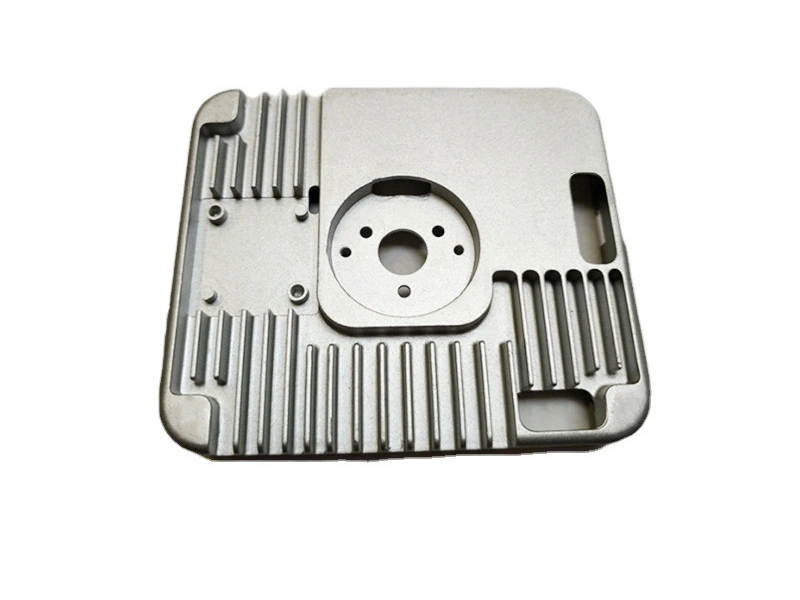
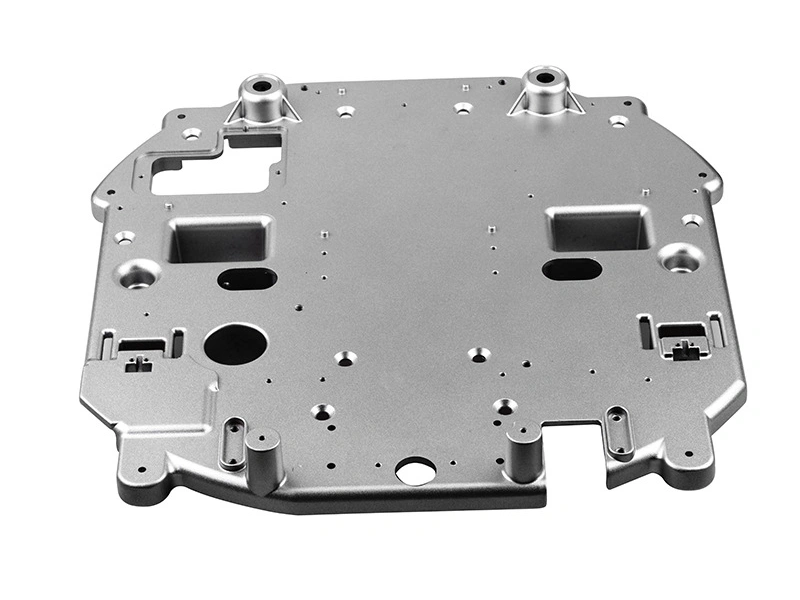
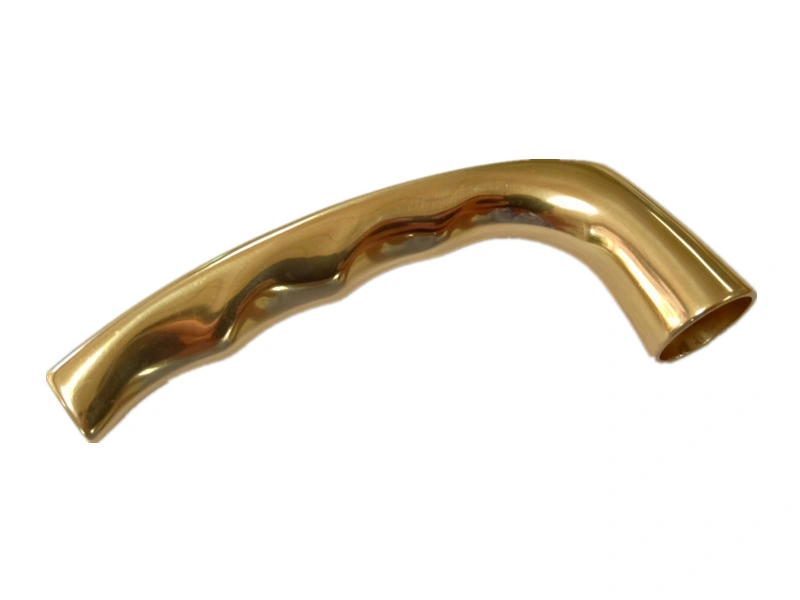
Zinc alloy casting is often used when buyers need small metal parts with complex details, stable dimensions, good surface quality, decorative finishing options, and repeatable production. It is especially suitable for hardware, locks, handles, connector shells, decorative trims, consumer product parts, small mechanical components, and precision zinc alloy casting parts.
When buyers evaluate zinc alloy casting, the key question is not only whether zinc can be cast. The more important question is which zinc alloy grade fits the part function, surface requirement, assembly method, production volume, and working environment.
This article explains how buyers can choose between Zamak 3, Zamak 5, Zamak 7, ZA-8, and other zinc casting alloys, compare zinc alloy casting with aluminum casting, plastic molding, and CNC machining, and plan tooling, surface finishing, material verification, and mass production more reliably.
Why Buyers Consider Zinc Alloy Casting
Buyers usually search for zinc alloy casting when they are not only comparing manufacturing processes, but also trying to decide whether zinc alloy is the right material for a custom part. They may need a small complex part, a plated appearance part, a hardware component, a connector housing, or a product component that needs stable repeat production.
The main concern is often material suitability. Buyers want to know whether zinc alloy can meet strength, hardness, surface finish, dimensional stability, assembly, coating, and long-term production requirements.
Buyer Question | What It Usually Means | Planning Focus |
|---|---|---|
Is zinc alloy suitable for my part? | The buyer is comparing zinc with aluminum, plastic, CNC machining, or sheet metal. | Part size, strength, complexity, appearance, weight, and production volume. |
Which Zamak alloy should I choose? | The buyer needs guidance on Zamak 3, Zamak 5, Zamak 7, ZA-8, or other zinc alloys. | Strength, hardness, flowability, surface quality, wear resistance, and cost. |
Can zinc alloy casting support surface finishing? | The part may require painting, powder coating, decorative coating, polishing, or anti-corrosion protection. | Base casting quality, finishing thickness, adhesion, appearance standard, and packaging. |
Can zinc alloy casting stay stable in production? | The buyer needs repeatable parts, not only one approved sample. | Material records, tooling control, process parameters, inspection, and batch traceability. |
For buyers, zinc alloy casting should be treated as a material and manufacturing decision together. The best choice depends on the part application, not only on material cost.
What Makes Zinc Alloy Casting Suitable for Custom Parts?
Zinc alloy casting is useful for many custom parts because zinc alloys can support fine detail reproduction, good dimensional stability, smooth surfaces, strong metal feel, and repeatable production. These advantages are especially valuable for small parts and visible components.
Zinc Alloy Casting Advantage | Buyer Value | Typical Part Need |
|---|---|---|
Good fluidity | Helps fill small details, thin walls, and complex shapes. | Thin walls, small features, fine textures, and compact structures. |
Stable dimensions | Supports repeatable assembly and consistent batch production. | Hardware, connectors, locks, housings, and assembly parts. |
Good surface quality | Supports decorative, painted, polished, or coated parts. | Plated parts, painted covers, cosmetic hardware, and decorative trims. |
Higher density than aluminum | Provides a solid metal feel and premium hand feel. | Handles, knobs, decorative caps, consumer-facing parts. |
Good strength for small parts | Supports functional small components and hardware applications. | Locks, hinges, small mechanisms, brackets, and fittings. |
High-volume repeatability | Supports long-term orders after tooling and process approval. | Mass production components and repeat procurement projects. |
Zinc alloy casting is not suitable for every part. It is usually more valuable when the part is small, detailed, appearance-sensitive, functional, or produced repeatedly. For large lightweight structures, aluminum casting may be more suitable. For very low-volume solid parts, CNC machining may be more practical.
Common Zinc Alloys Used in Casting
Choosing the correct zinc alloy is one of the most important decisions in a zinc alloy casting project. Different zinc casting alloys provide different balances of dimensional stability, strength, hardness, flowability, wear resistance, and surface finishing performance.
Buyers should work with the supplier to review zinc casting alloys based on the part function, design complexity, surface treatment, and production target.
Zinc Alloy | Typical Use | Main Advantage |
|---|---|---|
General zinc die cast parts, housings, hardware, small custom parts. | Dimensional stability and balanced overall performance. | |
Hardware, lock parts, small load-bearing parts, stronger components. | Higher strength and hardness than common general-purpose zinc alloys. | |
Thin-wall parts, appearance parts, and complex detailed components. | Good flowability and surface performance for fine features. | |
Functional parts, wear-related parts, and selected small mechanical components. | Better direction for strength and wear resistance in suitable applications. | |
High-strength and wear-related zinc alloy casting parts. | Suitable for selected higher-performance applications after project evaluation. |
The goal is not to choose the most expensive or strongest alloy by default. The goal is to choose the zinc alloy that best supports the part’s structure, appearance, post-machining, assembly, and production stability.
How to Match Zinc Alloy Casting Grades to Part Requirements
Zinc alloy casting grade selection should start from part requirements. A general precision part, a decorative part, a lock component, a thin-wall housing, and a wear-related component may require different zinc alloy directions.
Part Requirement | Alloy Selection Direction | Manufacturing Note |
|---|---|---|
General precision part | Zamak 3 | Balances cost, dimensional stability, and general mechanical performance. |
Higher strength hardware | Zamak 5 | Suitable for locks, handles, hardware parts, and small load-related components. |
Thin-wall decorative part | Zamak 7 | More focused on flowability, surface performance, and fine detail reproduction. |
Wear-related part | ZA-8 | Requires evaluation of movement, friction, load, wear, and service conditions. |
High-detail cosmetic part | Zamak 3 or Zamak 7 | Should be reviewed together with visible surfaces, polishing, coating, and packaging. |
Long-term repeat order | Stable alloy standard | Material records, process standards, and inspection records should be established. |
Material grade selection should not be separated from design review. The chosen alloy must work with the drawing, tooling, CNC machining, surface finishing, inspection, and assembly requirements.
Zinc Alloy Casting vs Aluminum Casting, Plastic and CNC Machining
Zinc alloy casting should be compared with other manufacturing options before production begins. The right choice depends on part size, weight target, surface expectation, strength requirement, production volume, and assembly function.
Option | Better For | Limitation |
|---|---|---|
Zinc alloy casting | Small complex parts, cosmetic parts, hardware, assembled components, and repeat production parts. | Heavier than aluminum and not ideal for large lightweight structures. |
Lightweight structures, heat sinks, larger housings, and weight-sensitive metal parts. | May not be better for small fine details, premium metal feel, or some decorative finishes. | |
Plastic molding | Lightweight plastic parts, insulation, low-load covers, and plastic shells. | Limited metal feel, wear resistance, premium surface, and mechanical strength. |
Low-volume high-precision solid parts and prototype validation. | High cost for high-volume complex parts with detailed cast geometry. | |
Sheet metal | Thin sheet housings, bent brackets, simple covers, and flat structures. | Limited for complex three-dimensional detail and integrated cast features. |
If buyers need small complex metal parts with stable dimensions, good surface quality, decorative finishing potential, and long-term production repeatability, zinc alloy die casting is often more suitable than machining every part from solid material or using plastic for parts that need a metal feel.
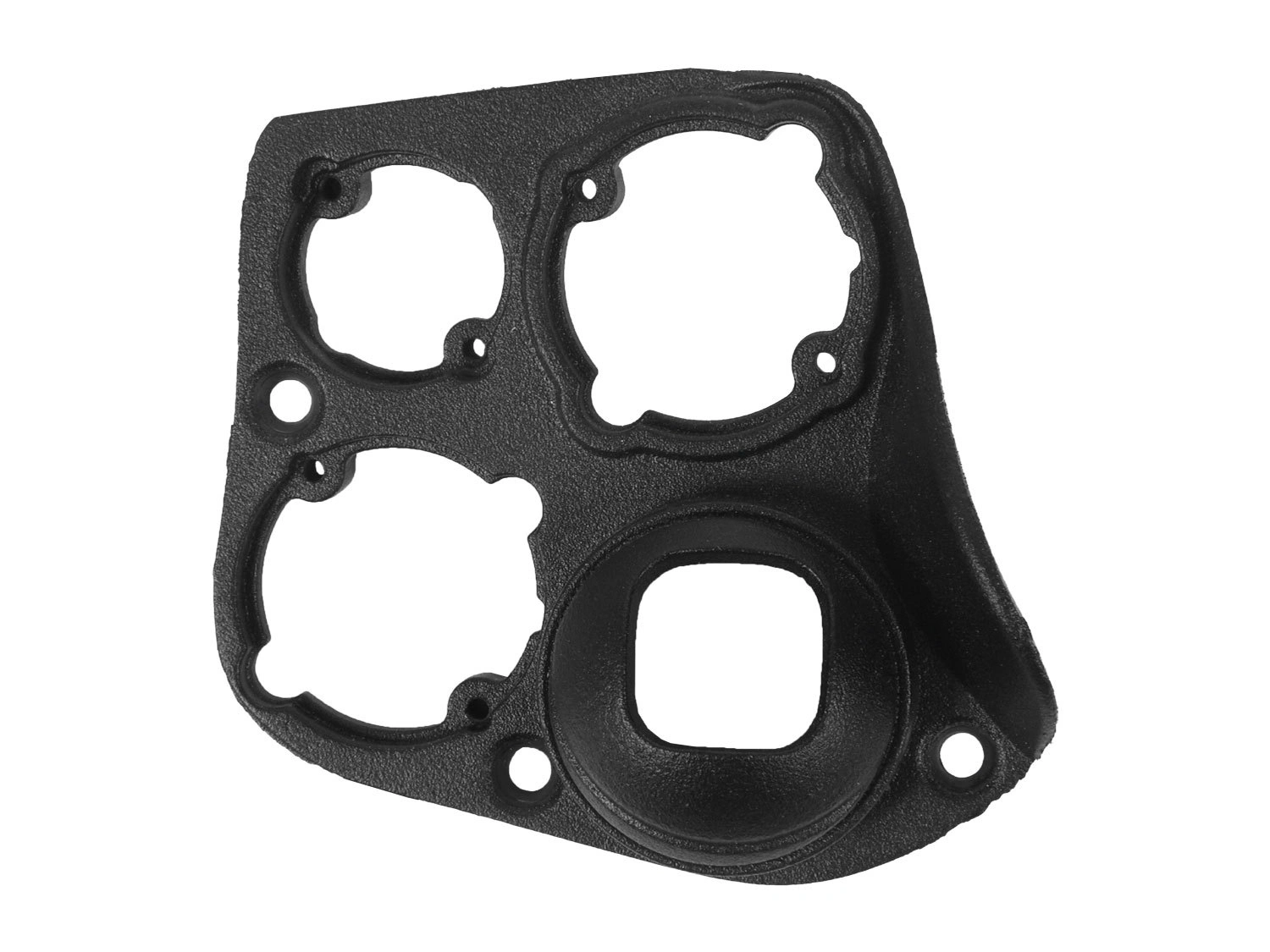
How Part Design Affects Zinc Alloy Casting Results
Part design has a major effect on zinc alloy casting results. Even with the correct alloy, poor geometry can cause filling problems, shrinkage, visible defects, machining conflicts, coating issues, or assembly problems.
Before tooling starts, buyers should review wall thickness, bosses, ribs, holes, cosmetic surfaces, parting lines, gate positions, coating areas, and production volume with the supplier.
Design Factor | Effect on Zinc Alloy Casting | Planning Action |
|---|---|---|
Thin wall | Affects filling, flow marks, cold shut risk, and detailed feature stability. | Evaluate alloy flowability, gate design, and mold venting. |
Thick boss | May cause shrinkage, sink marks, local porosity, or distortion. | Optimize wall thickness transition, rib support, and machining allowance. |
Cosmetic surface | Affects polishing, coating, plating, painting, and visual acceptance. | Define visible surfaces before tooling and avoid unnecessary marks. |
Functional hole | Affects assembly, fastening, positioning, movement, and tolerance control. | Reserve post-machining allowance and define inspection requirements. |
Sharp corner | May create stress concentration, filling difficulty, and weak local areas. | Add proper radii and improve local flow transition. |
Coating area | Affects appearance, corrosion protection, and final assembly dimensions. | Plan coating thickness, masking, and assembly clearance early. |
For zinc alloy casting parts with complex requirements, early design and engineering review can help reduce tooling changes and improve manufacturing stability.
Tooling Considerations for Zinc Alloy Casting
Tooling affects how zinc alloy flows, fills, cools, ejects, and repeats during production. For small complex zinc alloy casting parts, the mold must control surface quality, fine details, dimensional stability, and long-term repeatability.
A reliable tooling for zinc alloy casting plan should consider gate design, venting, parting line, ejector layout, multi-cavity balance, mold material, and mold maintenance.
Tooling Factor | Zinc Alloy Casting Impact |
|---|---|
Gate design | Affects filling path, surface marks, internal defects, flow stability, and trimming needs. |
Venting | Affects trapped air, porosity, short fill, surface defects, and thin-wall feature quality. |
Parting line | Affects visible surfaces, coating quality, trimming, and assembly edges. |
Ejector layout | Affects visible marks, deformation risk, and cosmetic surface acceptance. |
Multi-cavity control | Affects cavity-to-cavity size variation and batch consistency. |
Mold maintenance | Affects flash, burrs, tool wear, dimensional drift, and long-term repeat production. |
For repeat production, buyers should also review mold material and maintenance strategy. When stable tool performance is required, H13 mold steel for zinc alloy casting may be considered for die casting mold applications.
Surface Finishing Options for Zinc Alloy Casting Parts
Surface finishing for zinc alloy casting parts is closely connected with alloy choice, casting surface quality, tooling marks, post-machining, and final product use. If finishing is planned too late, coating thickness, surface defects, color variation, or polishing problems may create rework.
Buyers should discuss finishing requirements before tooling and production. This is especially important for appearance parts, handled parts, decorative hardware, outdoor components, and assembled product parts.
Finishing Option | Suitable Zinc Alloy Casting Part | Planning Concern |
|---|---|---|
Shells, covers, consumer product parts, colored visible components. | Adhesion, color consistency, masking, and surface preparation. | |
Industrial parts, protective parts, coated zinc alloy die cast parts. | Coating thickness, edge coverage, corrosion protection, and assembly clearance. | |
Decorative hardware, trims, caps, visible consumer product parts. | Surface defect control, appearance consistency, handling, and packaging protection. | |
Moving parts, handled parts, friction-related components. | Wear resistance, coating adhesion, friction behavior, and service environment. | |
Outdoor parts, humid environment components, protective zinc alloy parts. | Corrosion protection level, coating durability, and environmental exposure. | |
Polishing | Premium cosmetic parts and decorative visible surfaces. | Base casting defects and surface marks can become more visible after polishing. |
Small parts, batch deburring, and edge smoothing. | Edge consistency, part collision, and protection of fine details. |
When zinc alloy casting parts need surface finishing, the supplier should review visible surfaces, parting lines, ejector marks, gate removal, coating thickness, polishing limits, and packaging before production starts.
Quality Verification for Zinc Alloy Casting Materials
Quality verification for zinc alloy casting should include both material and process control. Buyers should confirm that the selected alloy grade, chemical composition, critical dimensions, surface quality, coating performance, and batch consistency can be verified before long-term production begins.
This is especially important when parts must meet assembly requirements, appearance standards, coating requirements, or repeat production expectations.
Verification Item | Why It Matters | Suggested Control |
|---|---|---|
Alloy grade | Confirms the material matches the approved application requirement. | Material record and approved alloy standard. |
Chemical composition | Helps avoid material variation that affects strength, casting behavior, or finishing. | Alloy composition analysis for zinc casting or material check. |
Critical dimensions | Ensures the zinc alloy casting part can assemble and function correctly. | CMM inspection for zinc alloy casting parts or fixture inspection. |
Surface quality | Affects painting, coating, polishing, decorative appearance, and final acceptance. | Visual standard, defect limit sample, and approved cosmetic reference. |
Coating performance | Confirms protection, appearance, adhesion, thickness, and service suitability. | Coating inspection and finishing process control. |
Batch consistency | Supports stable repeat orders and long-term procurement. | Process records, inspection records, tooling maintenance, and traceability. |
Material verification should not be left until after mass production. It should begin with alloy selection, sample approval, trial production, and inspection planning.
How to Plan Zinc Alloy Casting From Prototype to Mass Production
Zinc alloy casting material selection should be verified through the whole project workflow. A buyer may start by choosing a possible zinc alloy, but the final approval should consider design review, tooling, trial casting, sample approval, low-volume validation, and mass production control.
Stage | Focus | Buyer Decision |
|---|---|---|
Application review | Judge whether zinc alloy casting fits the part function and production need. | Decide whether to choose zinc alloy casting or compare aluminum, plastic, CNC, or sheet metal. |
Alloy selection | Match strength, appearance, cost, wear, finishing, and assembly requirements. | Select Zamak, ZA alloy, or another suitable zinc alloy direction. |
Design review | Check whether the drawing can be cast, machined, finished, and assembled. | Decide whether to optimize wall thickness, holes, cosmetic surfaces, or coating areas. |
Tooling | Build a stable mold foundation for repeat production. | Approve tooling plan, gate, venting, parting line, ejector layout, and cavity strategy. |
Trial casting | Verify material behavior, filling, surface quality, dimensions, and defects. | Decide whether process adjustment, mold modification, or material review is needed. |
Sample approval | Confirm dimensions, appearance, surface finishing, function, and assembly fit. | Decide whether the project can move into low-volume production. |
Low-volume trial | Verify batch stability before full production. | Decide whether inspection standards and production parameters are ready for scaling. |
Mass production | Maintain stable long-term delivery. | Establish material records, process records, inspection plans, and repeat order standards. |
For early validation, buyers can use prototype zinc alloy casting parts to confirm design direction. For controlled early batches, low-volume zinc alloy casting can help verify stability before moving to mass production zinc alloy casting.
How to Choose a Zinc Alloy Casting Manufacturer
A zinc alloy casting manufacturer should help buyers make material and manufacturing decisions together. The supplier should understand Zamak and ZA alloys, review the drawing, evaluate part design, build suitable tooling, control die casting production, support CNC post-machining, manage surface finishing, verify material quality, and support production from prototype to mass production.
If the buyer is not sure whether zinc alloy casting is suitable, the supplier should evaluate the project based on part size, wall thickness, cosmetic surfaces, functional features, assembly requirements, coating needs, application environment, and order volume.
Manufacturer Capability | Why It Matters | Buyer Benefit |
|---|---|---|
Zinc alloy selection | Material choice affects strength, hardness, detail, surface, machining, and cost. | Helps avoid using the wrong alloy for the application. |
Zamak and ZA alloy experience | Different zinc alloys perform differently in casting and final use. | Supports more accurate material recommendations. |
DFM and engineering review | Design issues can create casting, finishing, and assembly problems. | Reduces tool modification and production risk before tooling. |
Tool and die making | The mold determines filling, surface marks, dimensions, and repeatability. | Improves stability from sample approval to production. |
CNC and post-machining | Functional features often need tighter accuracy than as-cast surfaces. | Improves assembly fit and functional reliability. |
Surface finishing | Appearance and protection depend on finishing process control. | Supports painted, coated, decorative, and protected zinc alloy casting parts. |
Material verification and quality inspection | Material and dimensional control affect long-term consistency. | Supports stable repeat production and traceable quality records. |
Prototype to mass production support | Projects often need gradual validation before full production. | Reduces risk from early samples to repeat orders. |
A one-stop zinc alloy casting manufacturer can help buyers connect material choice, tooling, die casting, machining, finishing, inspection, and production planning into one controlled workflow.
Summary
Zinc alloy casting is a strong option for small complex metal parts, hardware, decorative components, precision housings, connector shells, assembled parts, and repeat production projects. Its value comes from the combination of good fluidity, dimensional stability, surface finishing potential, metal feel, and production repeatability.
To choose the right zinc alloy casting solution, buyers should evaluate part requirements, alloy grade, design details, tooling, surface finishing, material verification, and production scale together. The correct alloy should support the part’s function, appearance, assembly, environment, and long-term supply needs.
Planning Area | Key Buyer Question | Recommended Action |
|---|---|---|
Application | Is zinc alloy casting suitable for the part? | Review size, complexity, appearance, weight, strength, environment, and production volume. |
Alloy grade | Which zinc alloy best fits the requirement? | Compare Zamak 3, Zamak 5, Zamak 7, ZA-8, and other zinc alloy options. |
Design | Can the part design support stable casting? | Review thin walls, bosses, holes, cosmetic faces, sharp corners, and coating areas. |
Tooling | Can the mold support repeat production? | Plan gate, venting, parting line, ejector layout, multi-cavity control, and maintenance. |
Finishing | Will surface treatment affect appearance or assembly? | Plan painting, powder coating, decorative coating, wear-resistant coating, anti-corrosion coating, polishing, or tumbling early. |
Verification | How will material and process stability be confirmed? | Use material records, alloy composition analysis, CMM inspection, visual standards, coating checks, and batch records. |
Production | Can the project scale from sample to repeat orders? | Use prototype validation, low-volume trial, mass production planning, and traceable quality control. |
FAQ
How Should Buyers Choose the Right Zinc Alloy Casting Grade?
When Is Zinc Alloy Casting Better Than Aluminum, Plastic or CNC Machining?
How Does Zinc Alloy Casting Affect Surface Finishing and Appearance Quality?
What Material and Process Checks Are Needed Before Zinc Alloy Casting Production?
How Can Buyers Keep Zinc Alloy Casting Parts Consistent in Repeat Orders?