When Is Zinc Alloy Casting Better Than Aluminum, Plastic or CNC Machining?
When Is Zinc Alloy Casting Better Than Aluminum, Plastic or CNC Machining?
Zinc alloy casting is often better than aluminum, plastic or CNC machining when the part is small, complex, decorative, metal-feeling, dimensionally stable and produced in repeated volumes. It is especially useful for hardware, connectors, locks, trims, housings and detailed metal components.
1. Why Process Selection Should Match the Product Requirement
Buyers should not assume that every metal part should use zinc alloy casting. The better method is to compare the part size, weight target, surface requirements, assembly needs, annual volume and production budget. Zinc alloy casting is strong for small complex parts with fine details and repeat production demand, but other processes may be better for lightweight structures, very low quantities or high-precision solid parts.
If the project is still uncertain, Neway can compare zinc alloy casting, aluminum die casting, CNC machining for metal parts, prototyping and production routes before tooling investment.
Buyer Requirement | Better Option | Why |
|---|---|---|
Small complex metal part | Zinc alloy casting | Good detail reproduction, stable dimensions and repeatability. |
Lightweight structure | Aluminum die casting | Better weight reduction for larger structural parts. |
Insulated part | Plastic molding | Better for electrical insulation and lightweight non-metal parts. |
Very low quantity | CNC or prototype process | Avoids tooling investment before demand is confirmed. |
Decorative metal surface | Zinc alloy casting | Good metal feel and finishing potential. |
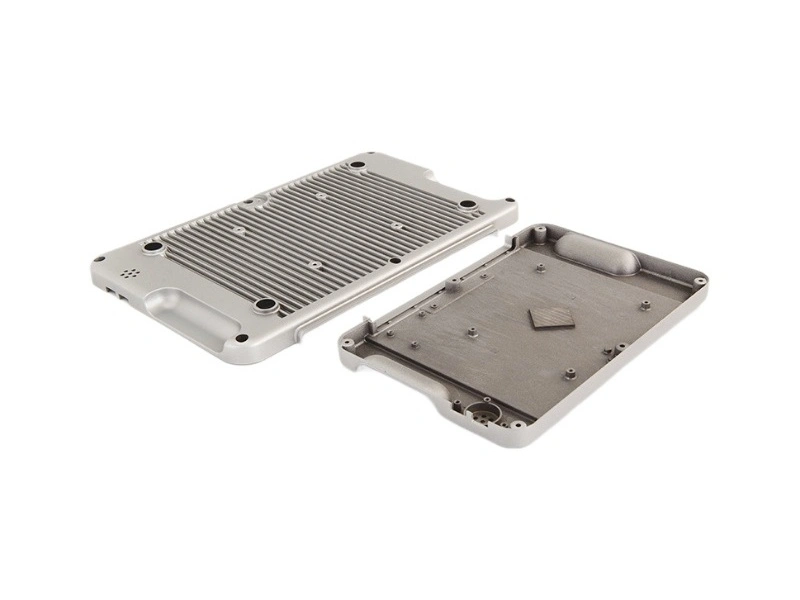
Large heat sink | Aluminum die casting | Better for thermal and weight-related requirements. |
2. When Zinc Alloy Casting Is a Strong Choice
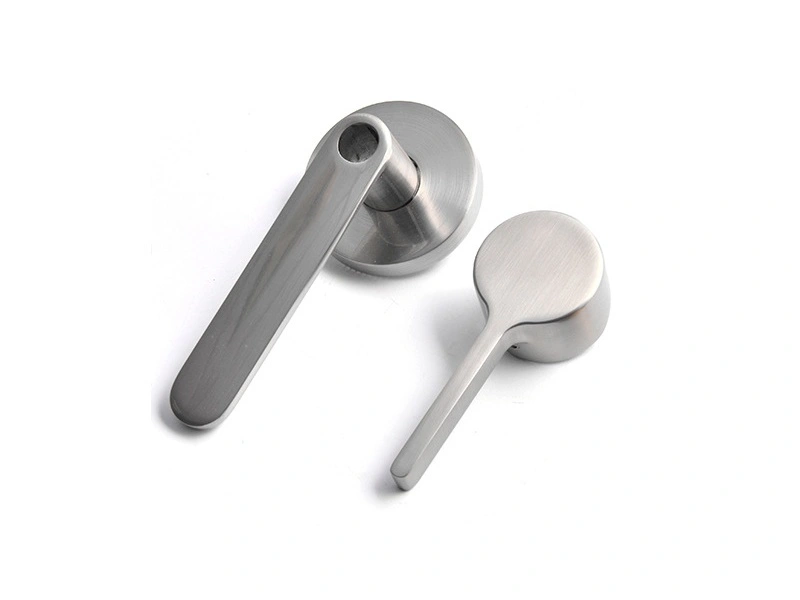
Zinc alloy casting is a strong option when the part is small, detailed and produced repeatedly. It can support logos, textures, thin sections, decorative surfaces, metal feel and stable batch output. This makes it useful for locks, connector shells, hardware parts, trim parts, decorative caps, consumer housings and small mechanical components.
Compared with CNC machining, zinc alloy casting can become more efficient when the geometry is complex and the volume is stable. Compared with plastic, zinc offers a heavier metal feel, better decorative finishing potential and higher stiffness for many product applications.
3. When Aluminum, Plastic or CNC May Be Better
Aluminum die casting may be better for large structural parts, lightweight housings or heat-related components. Plastic molding may be better when electrical insulation, low weight or flexible product design matters more than metal feel. CNC machining may be better for very low quantity, very high precision solid components, or early validation before tooling.
If quantity is not confirmed, buyers may start with prototype metal casting parts or low-volume manufacturing for casting validation before moving into tooling and large-volume production.
Selection Risk | Possible Result | Better Decision Method |
|---|---|---|
Choosing zinc for every metal part | Large or lightweight parts may become unsuitable. | Compare zinc with aluminum, CNC and other processes. |
Opening tooling for very low quantity | Tooling cost may not be economical. | Use prototype or low-volume validation first. |
Ignoring surface or assembly needs | The chosen process may not support final product requirements. | Define finish, function and assembly before process selection. |
Only comparing unit price | Long-term production stability may be overlooked. | Compare total manufacturing route and repeat production risk. |
4. How Neway Helps Compare Material and Process Options
If buyers are not sure whether to choose zinc alloy casting, aluminum die casting, CNC machining or another process, Neway can review the drawing, annual volume, final use, finishing needs and budget target. For stable repeated quantities, Neway can also support mass production zinc alloy casting.
Summary
Buyer Question | Recommended Direction |
|---|---|
When is zinc alloy casting a good fit? | When the part is small, complex, decorative, metal-feeling and repeated in stable volume. |
When is aluminum better? | When the part needs weight reduction, larger structure or heat-related performance. |
When is CNC better? | When quantity is low, precision is very high or tooling is not yet justified. |
What should buyers do if unsure? | Let Neway compare zinc alloy casting, aluminum die casting, CNC machining and validation options. |