How Does Zinc Alloy Casting Affect Surface Finishing and Appearance Quality?
 How Does Zinc Alloy Casting Affect Surface Finishing and Appearance Quality?
Description
Learn how zinc alloy casting affects surface finishing, appearance quality, coating thickness, cosmetic faces and finished-part packaging.
Keywords
zinc alloy casting surface finish, surface finishing, painting, powder coating, decorative coatings, secure packaging
How Does Zinc Alloy Casting Affect Surface Finishing and Appearance Quality?
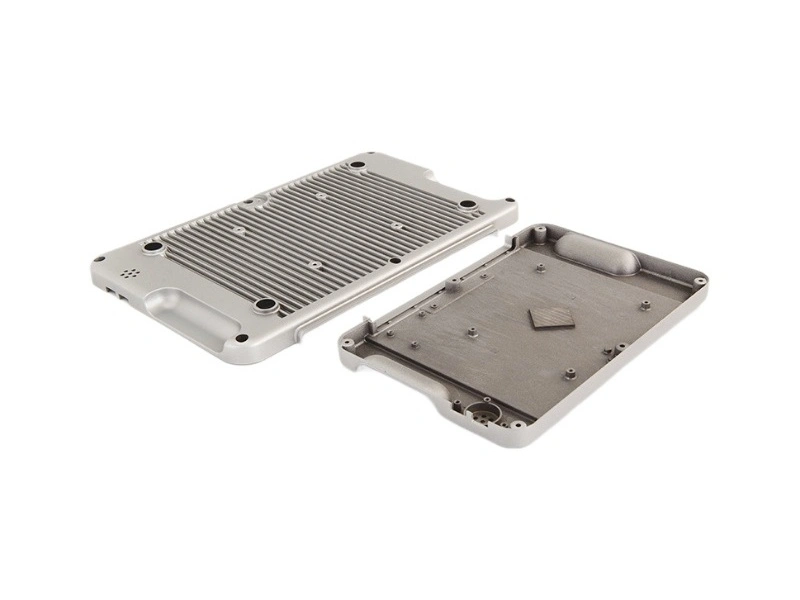
Zinc alloy casting affects surface finishing and appearance quality because alloy flow, casting surface condition, parting lines, ejector marks, porosity, polishing, coating thickness and finishing process all influence the final look of painted, powder-coated or decorative zinc cast parts. If the part has cosmetic requirements, finishing should be planned before tooling, not after casting is complete.
1. Why Casting Quality Affects Final Appearance
The surface condition of the zinc casting becomes the foundation for the final finish. If the base casting has visible defects, polishing, painting, powder coating or decorative coating may not fully hide them. In some cases, polishing or bright decorative finishing can make small defects more visible.
For this reason, cosmetic surfaces should be defined before mold design. Neway can plan surface finishing for zinc alloy casting parts together with tooling, casting and packaging requirements.
Appearance Factor | Effect on Finished Part | Control Method |
|---|---|---|
Casting surface | Affects coating, polishing and decorative finish quality. | Improve tooling, process stability and base casting quality. |
Parting line | Can affect visible edges and cosmetic appearance. | Plan tooling layout before mold making. |
Ejector mark | May damage visible cosmetic faces. | Place ejector marks on hidden or less critical areas. |
Coating thickness | May change assembly clearance and fit. | Review fit before finishing and inspect finished parts. |
Golden sample | Controls batch appearance expectations. | Use approved finish standard for repeat production. |
2. How Painting, Powder Coating and Decorative Coatings Affect Parts
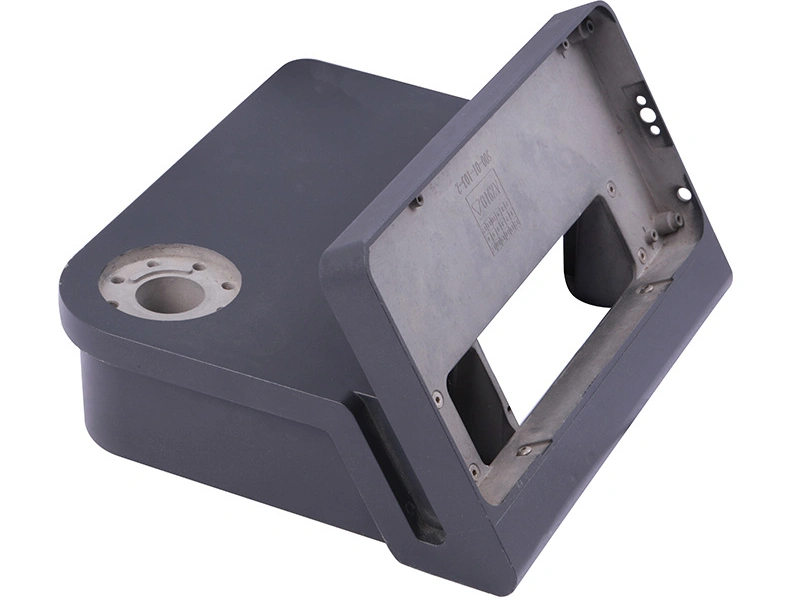
Painting for zinc die cast parts can support color, branding and cosmetic appearance, but it requires good adhesion and surface preparation. Powder coating for zinc alloy casting can add protection and durability, but coating thickness must be considered around holes, mating surfaces and assembly clearances.
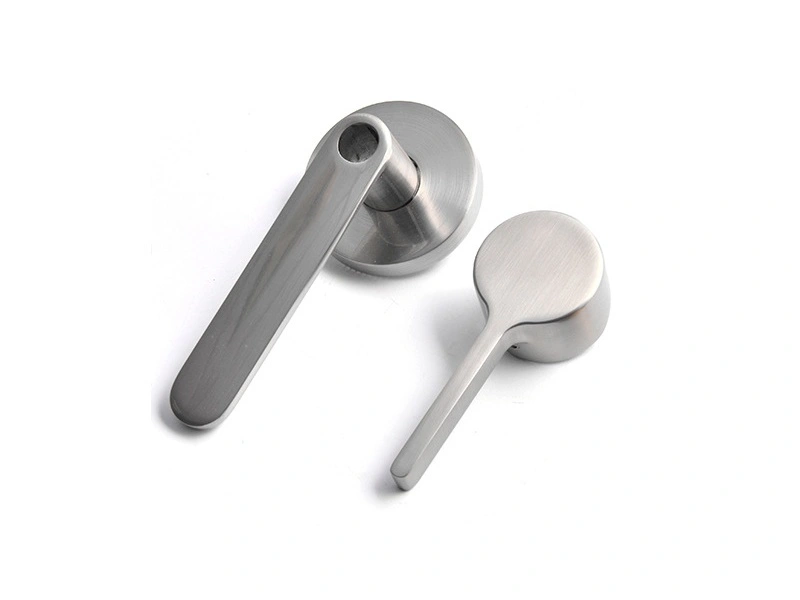
Decorative coatings for zinc cast parts can improve visual value, but they require careful control of base casting surface quality, visible face location and batch consistency.
3. How Tooling Layout Affects Cosmetic Surfaces
Parting lines, ejector marks and gate marks are tooling decisions, but they directly affect finished appearance. If visible faces are not marked before tooling, these marks may appear on customer-facing areas. Once the mold is complete, correcting this problem may require costly modification.
Buyers should mark cosmetic surfaces, acceptable defect limits, finish requirements and packaging requirements before tooling begins. This helps the supplier protect appearance from the earliest production stage.
Risk | Possible Cause | Better Control |
|---|---|---|
Defects appear after finishing | Base casting surface was not controlled. | Review casting surface and finishing process together. |
Parting line appears on visible surface | Cosmetic face was not defined before tooling. | Mark visible areas during design review. |
Coating changes assembly fit | Coating thickness was not included in clearance planning. | Inspect finished-part dimensions and plan masking if needed. |
Batch color or gloss is inconsistent | No approved finish sample or appearance standard. | Use golden samples and batch appearance inspection. |
Parts arrive scratched | Packaging does not protect finished surfaces. | Use protective packaging and surface separation. |
4. Why Packaging Is Part of Appearance Control
Even if zinc alloy casting parts pass finishing inspection, poor packaging can cause scratches, friction marks, coating damage or corrosion stains during transport. Finished parts should be separated, labeled and protected based on surface sensitivity and customer delivery requirements.
Neway can support secure packaging for finished zinc cast parts, helping protect cosmetic components after casting, finishing and inspection.
Summary
Buyer Concern | Recommended Planning |
|---|---|
The part must have a clean visible surface. | Define cosmetic faces before tooling and control base casting quality. |
The part needs painting, coating or decorative finish. | Plan finish type, adhesion, coating thickness and approved samples early. |
Surface treatment may affect assembly. | Review coating thickness, masking and finished dimensions. |
The finished part must arrive without scratches. | Use protective packaging for finished zinc cast parts. |