How Should Buyers Choose the Right Zinc Alloy Casting Grade?
How Should Buyers Choose the Right Zinc Alloy Casting Grade?
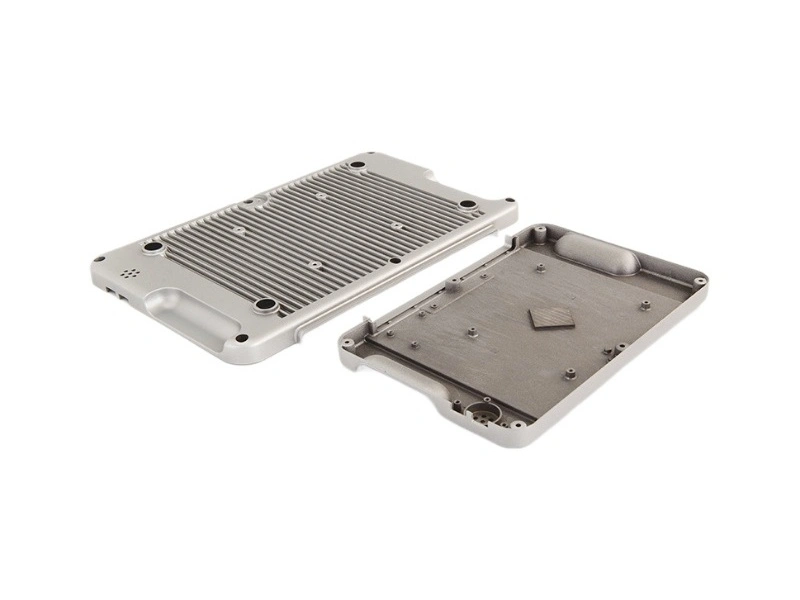
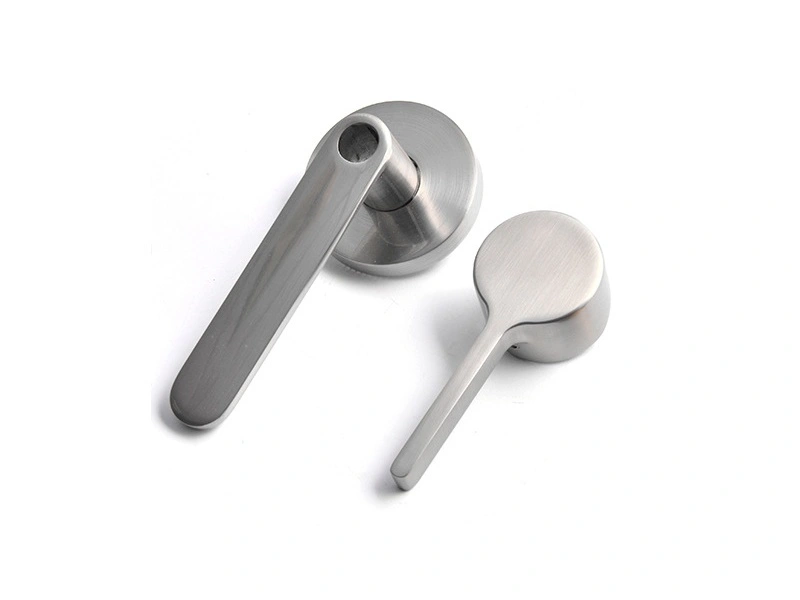
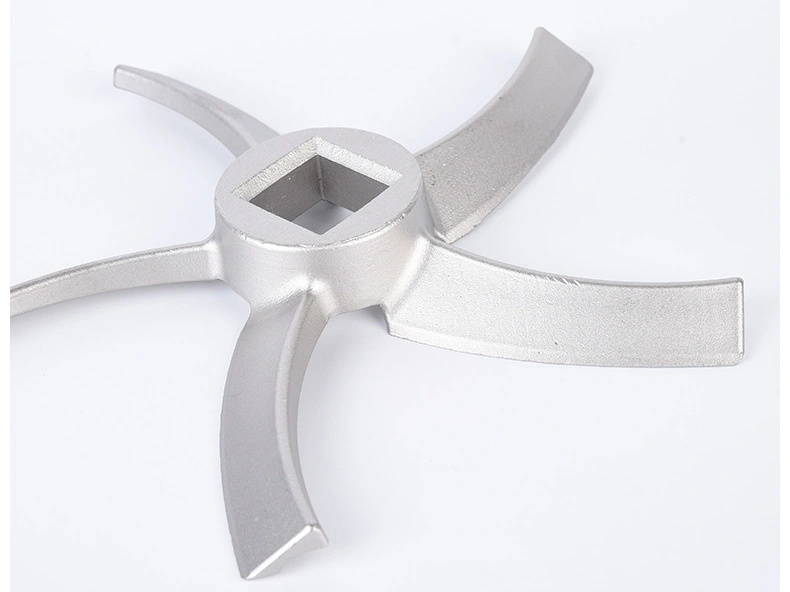
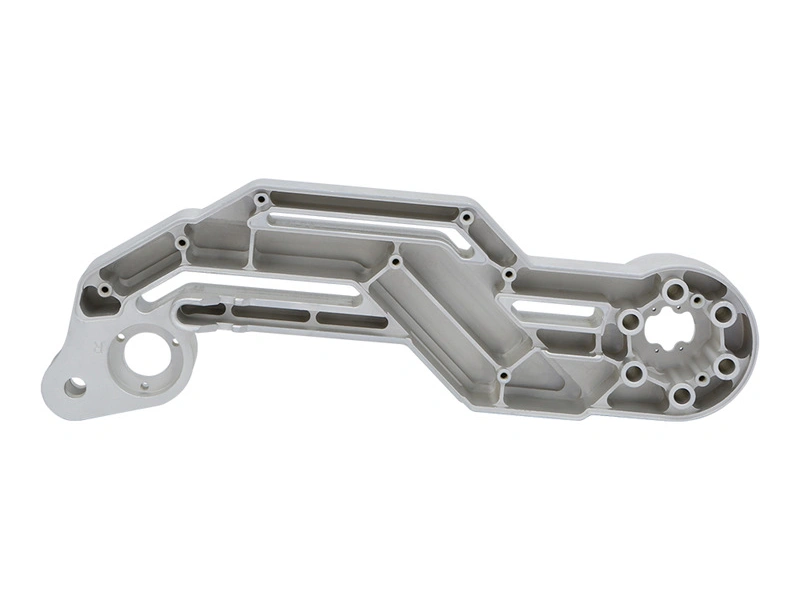
Buyers should choose the right zinc alloy casting grade by matching part strength, hardness, surface finish, wall thickness, dimensional stability, wear resistance, application environment and production volume. Zinc alloy casting is not a single material choice. Zamak 3, Zamak 5, Zamak 7 and ZA-8 each fit different manufacturing needs.
1. Why Zinc Alloy Grade Selection Matters
The zinc alloy grade affects how the part fills the mold, how stable the dimensions remain, how well the surface can be finished, and how the part performs in use. A decorative component, a hardware part, a thin-wall housing and a wear-related functional part may all use zinc die casting, but they may not need the same alloy grade.
Buyers should not choose zinc casting alloys only by the lowest material cost. The right choice should be based on the drawing, wall thickness, expected strength, cosmetic requirements, surface finishing, assembly needs and repeat production volume.
Zinc Alloy Casting Grade | Suitable Part Requirement | Buyer Note |
|---|---|---|
General precision zinc die cast parts | Good balance of castability, dimensional stability and general use. | |
Hardware, stronger parts and functional components | Higher strength and hardness than general-purpose options. | |
Thin-wall or cosmetic parts | Better flow potential for fine details and appearance-sensitive components. | |
Wear-related functional parts | Review load, movement, wear areas and production requirements before selection. | |
Zamak 2 | High strength and wear-related needs | Use for specific cases after engineering review. |
2. How Application Requirements Affect Alloy Choice
For general precision components, Zamak 3 is often considered because it offers a balanced combination of castability and dimensional stability. For parts that need higher strength, hardness or durability, Zamak 5 may be more suitable. For thin-wall, detailed or cosmetic zinc alloy casting parts, Zamak 7 may help with flow and surface potential.
For functional parts with wear or movement requirements, ZA-8 may be considered, but the supplier should review load conditions, mating surfaces, movement frequency and finishing requirements first. Buyers should always connect alloy selection with real product use instead of choosing a grade by name alone.
3. How Alloy Selection Affects Finishing, Machining and Assembly
Zinc alloy selection can affect surface finishing, machining behavior and final assembly performance. A cosmetic component may need a grade and tooling plan that support a smooth base surface before painting, powder coating or decorative finishing. A functional component may need stable dimensions, controlled hardness and post-machined features.
Neway can review zinc casting alloys together with tooling, surface finishing, post-machining and production volume so the material plan matches the final part requirement.
Buyer Requirement | Alloy Selection Concern | Planning Advice |
|---|---|---|
Decorative appearance | Surface quality and finishing compatibility | Review visible faces, casting surface and finishing process together. |
High strength | Hardness, load and long-term use | Compare alloy strength with actual working conditions. |
Thin-wall design | Flowability and mold filling | Review wall thickness, alloy flow and mold design before tooling. |
Assembly fit | Dimensional stability and machining needs | Define critical dimensions and machining areas early. |
Repeat production | Batch stability and material records | Use material control and repeat production standards. |
4. Common Risks When the Zinc Alloy Grade Is Chosen Poorly
If buyers choose only by material price, the part may fail in strength, surface quality or long-term use. Cosmetic parts may have finishing problems if the base casting surface and alloy behavior are not considered. Thin-wall complex parts may face filling problems if flow is not reviewed. Wear-related parts may not perform well if load and movement conditions are ignored.
If a supplier cannot explain the material selection logic, buyers should ask for an engineering review before tooling. Neway can help evaluate alloy grade, part geometry, finishing, assembly and production quantity together.
Summary
Buyer Question | Recommended Answer |
|---|---|
Which zinc alloy casting grade should I choose? | Choose based on part function, strength, surface finish, wall thickness, wear and production volume. |
Is Zamak 3 suitable for most general parts? | It is often used for general precision zinc die cast parts with balanced requirements. |
When should Zamak 5 or ZA-8 be reviewed? | When the part needs higher strength, hardness, wear resistance or functional durability. |
When should Neway review the material choice? | Before tooling, especially for cosmetic, thin-wall, assembly or repeat production parts. |