Cast Aluminum Coating Qualification: Production Release and Change Control
Cast aluminum coating qualification proves that one defined casting, preparation, powder, cure, masking and inspection route can deliver an acceptable finished part under production-intent conditions. It is an approval exercise, not a general description of how powder coating works.
Buyers who still need the basic process sequence should use the existing guide to how powder coating cast aluminum works for production parts. This page addresses the next decision: what evidence is sufficient to release samples, approve repeat orders and control a later material or process change.
A valid release connects the active part revision to representative castings, production equipment, normal rack density, approved materials, objective acceptance methods and retained records. A specially sanded sample or a flat test panel can support investigation, but neither can approve hidden recesses, heavy sections, mask boundaries, threads, grounding pads or sealing interfaces on the delivered casting.
Define the Qualification Scope Before Building Samples
The qualification plan should identify exactly what is being approved: part and drawing revision, casting source, alloy requirement, incoming surface states, machining state, preparation route, powder manufacturer and product code, color master, cure window, rack orientation, mask drawing, inspection methods and packaging. Any field left undefined can change between the approval sample and production without a formal decision.
Acceptance must be location-specific. Appearance zones, hidden coverage, edges, recesses, gasket lands, threads, bores and electrical contacts do not share one test method. The plan should state sample quantity, measurement location, conditioning, acceptance limit and reaction rule for each characteristic. That converts subjective approval into a record another production team can repeat.
Qualification Input | Evidence Gate | Release Record |
|---|---|---|
Controlled part state | Representative casting, machining and incoming surface | Part revision and lot identity |
Production-intent route | Normal preparation, racking, load density, mask and cure | Approved process traveler |
Functional interfaces | Post-coat gauges, seal/contact checks and transition acceptance | Inspection report tied to the sample lot |
Appearance standard | Defined lighting, viewing condition and master comparison | Signed color, gloss and texture master |
Service evidence | Specified adhesion, corrosion or chemical test where required | Method, specimen condition and result |
Freeze the Process State Used for Qualification
The approved sample must carry enough traceability to reconstruct its route. Record the casting lot and source, any rework before coating, preparation bath or media condition, elapsed clean-to-coat time, powder lot, gun program, rack position, oven load and measured part-metal temperature. The record does not need irrelevant machine data, but it must capture variables that can change adhesion, appearance, film distribution or functional fit.
Qualification should challenge normal production variation instead of selecting the easiest part. Include representative heavy and thin sections, recessed surfaces, mask transitions and functional interfaces. Where outgassing, cure lag or edge coverage is a known risk, locate evidence on the actual feature and link the result to the process setting used. A passing flat coupon cannot replace that part-level evidence.
The qualification team should also state what the coating does not repair. Structural porosity, damaged sealing lands, insufficient thread allowance and sharp edges remain substrate or design issues. Keeping those responsibilities explicit prevents a coating trial from becoming an informal waiver for an unacceptable casting.
What a Production Trial Must Prove
A powder-coated sample proves little if it was hand-selected, specially sanded or cured alone while production parts will arrive in mixed casting condition and full racks. The trial should use representative castings, preparation, racking, load density, masks and packaging. Its purpose is to prove the complete route, including the interfaces that cannot be evaluated on a flat coating coupon.
Appearance should be inspected by defined zones under agreed lighting, distance and orientation. Film thickness should be mapped at accessible representative locations rather than reported as one convenient value. Adhesion evidence should use the agreed method and account for whether failure occurs within the coating, at the pretreatment interface or at the substrate. Functional checks should confirm threads, holes, gasket lands, grounding points and assembly clearance.
Corrosion testing can compare coating systems under a defined laboratory condition, but a test duration should not be translated directly into field life. A broader explanation of how anti-corrosion coatings protect die castings helps buyers connect barriers, pretreatment and defect control without turning one laboratory result into a warranty.
Trial Evidence | What It Must Prove | Change That Triggers Review |
|---|---|---|
Appearance master | Color, gloss, texture and allowable local marks | Powder lot, supplier, cure or preparation change |
Thickness map | Distribution across flats, edges and recesses | Gun setup, racking or geometry change |
Adhesion result | Coating-system bond under the agreed method | Cleaning or pretreatment change |
Functional gauges | Threads, bores, seals and grounding zones remain usable | Mask, film-build or machining change |
Packaging trial | Parts reach assembly without rub, chip or imprint damage | Pack density or protective material change |
Hypothetical Engineering Scenario: Coated Control Housing
Consider a hypothetical cast control housing with a visible exterior, an internal cavity, four threaded bosses, a machined gasket land and a bare grounding pad. The exterior requires a textured dark finish, while the cavity needs protective coverage but has a lower cosmetic grade. Threads, the gasket land and the grounding pad must remain free of coating.
The release package begins with the active casting drawing and identifies cast, machined and blasted surface conditions. A dimensioned mask map protects the functional areas and defines acceptable transition bands. Representative housings are prepared, racked and coated. The trial records part-metal temperature on a heavy section, maps coating thickness on accessible surfaces and checks thread gauges, gasket-land cleanliness and electrical contact resistance using the buyer's method.
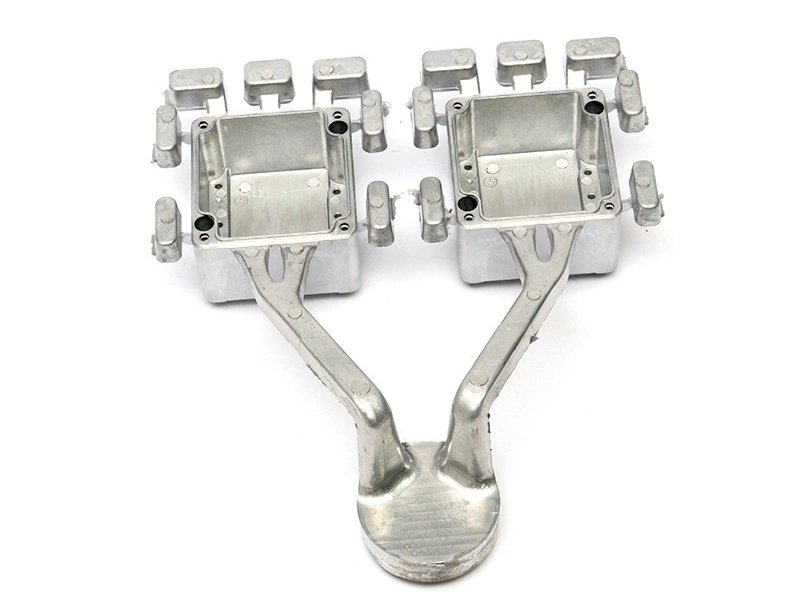
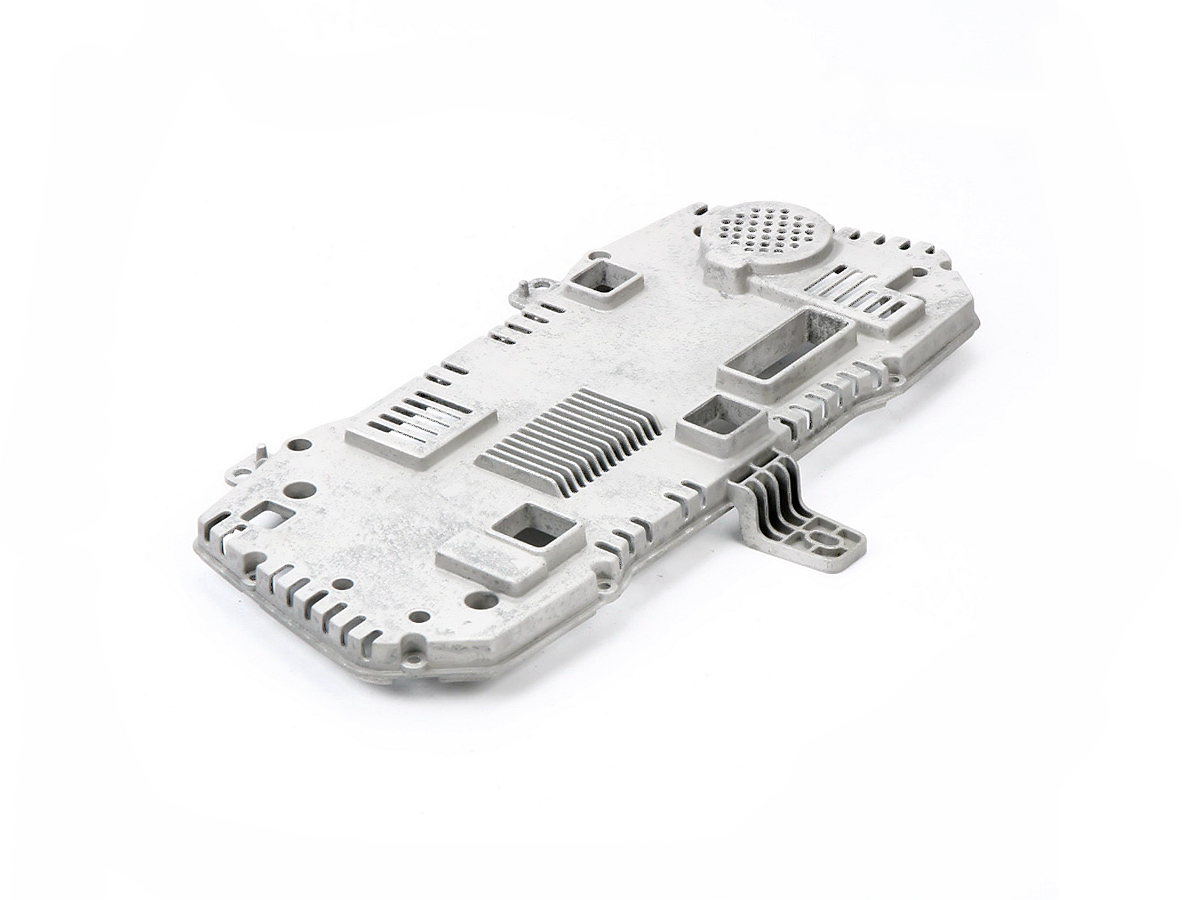
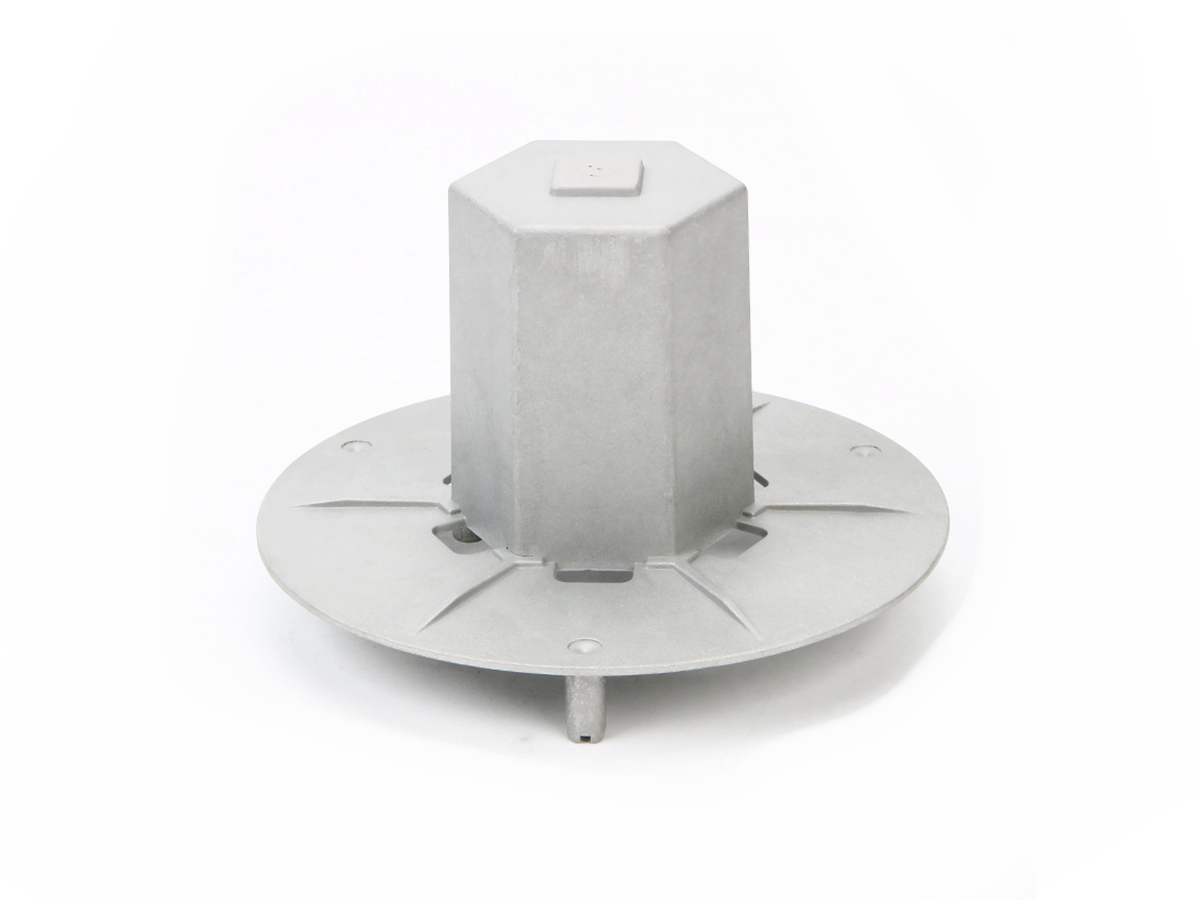
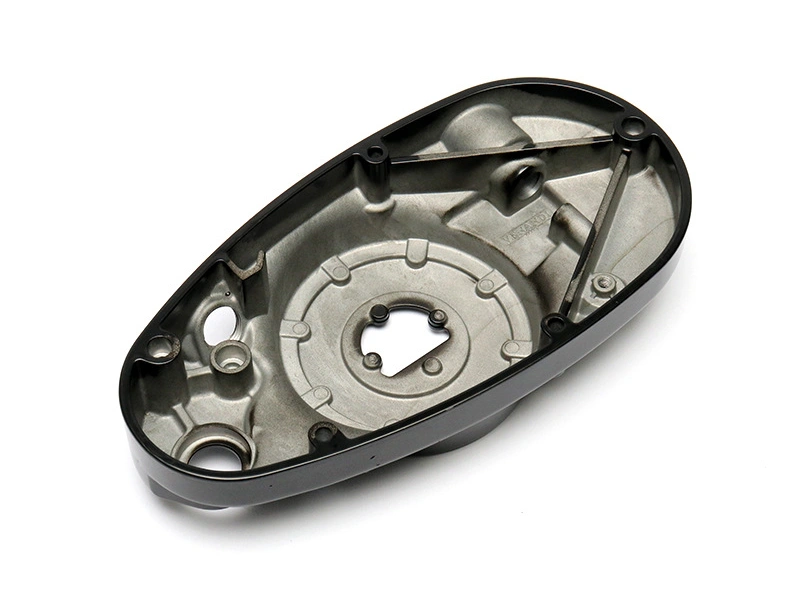
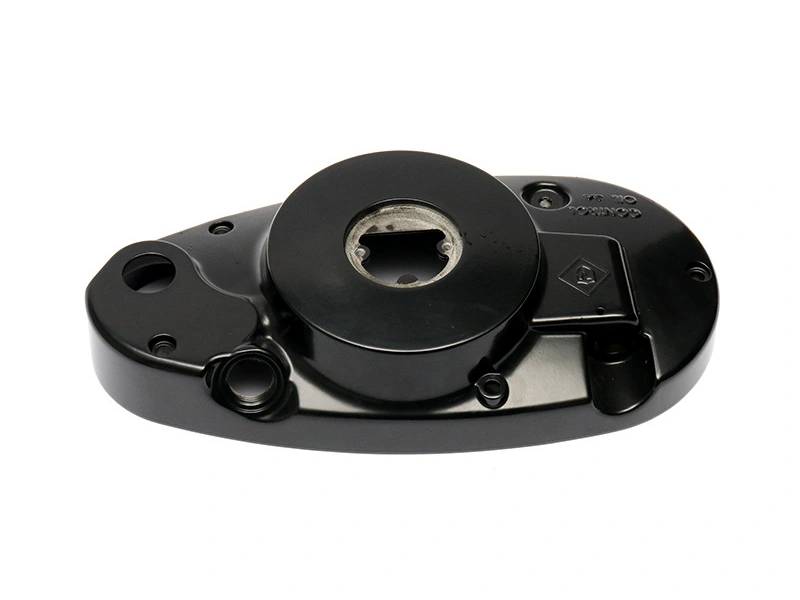
This scenario does not report a Neway result or imply that the pictured components followed this route. It shows why the final approval belongs to the complete part. A flat coupon cannot reproduce internal corners, heat mass, mask boundaries or assembly interfaces.
What to Include in a Powder Coating Cast Aluminum RFQ
A useful RFQ includes the 3D model, controlled drawing, alloy and casting route, expected quantity, current incoming surface, finish environment, color reference, gloss or texture, approved powder specification, film-thickness requirements, surface-zone map, mask drawing, adhesion or corrosion tests, functional gauges and packaging expectation. The buyer should identify which requirements are mandatory and which can be proposed by the supplier.
Neway can review powder coating as part of a broader post-process route for cast metal parts. The quotation still needs to state the specific operations and evidence included. “Powder coating service” should not silently imply machining, masking, pretreatment testing, individual wrapping or a corrosion test that was never requested.
RFQ Item | Buyer Question | Supplier Output |
|---|---|---|
Part definition | Which revision and alloy are controlled? | Quotation tied to drawing and material callout |
Surface definition | Which zones are coated, masked or cosmetic? | Surface ownership and mask review |
Coating system | What powder, preparation and cure basis apply? | Proposed route and controlled data references |
Verification | What evidence releases samples and batches? | Inspection and reaction plan |
Repeat orders | Which changes require revalidation? | Change-control list and retained master |
The strongest production standard links the powder lot, preparation route, cure evidence, finish master, thickness map, mask definition and packaging method to the same part revision. That record gives the buyer a stable basis for repeat orders while leaving room for controlled process improvement.
FAQ
When Should a Cast Aluminum Part Use an Outgassing Trial Before Powder Coating?
How Should Buyers Define Coated, Uncoated and Transition Zones on a Cast Part?
What Evidence Shows a Powder Coating Cure Is Suitable for a Heavy Cast Section?
When Can a Powder-Coated Casting Be Reworked Without Hiding a Process Problem?
How Should a Color, Gloss and Texture Master Be Controlled Across Repeat Orders?