When Should a Cast Aluminum Part Use an Outgassing Trial Before Powder Coating?
A cast aluminum part should use an outgassing trial before powder coating when the casting history, geometry or first coating samples indicate a credible risk that gas, moisture or volatile residue will escape during cure and disrupt the film. The decision should be based on representative-part evidence. It should not be an automatic assumption that every casting needs a pre-bake, and it should not be skipped merely because a flat test panel coated successfully.
The strongest signals are repeated pinholes or blisters at similar casting locations, heavy sections that heat slowly, blind cavities that retain cleaning liquid, castings with uncertain oil or release-agent history, and parts that have already absorbed contamination during machining or storage. A new alloy, casting source, release chemistry, cleaning route, cure schedule or wall-section change can also justify a limited requalification trial.
What Outgassing Risk Actually Means
Outgassing describes material leaving the substrate or trapped surface features while the part is heated. The escaping material may disturb uncured or partially flowed powder and leave pinholes, bubbles or blisters. The source can include gas connected to near-surface pores, moisture in cavities, volatile oil or cleaning residue. Similar-looking craters can also come from surface contamination, so appearance alone does not prove the mechanism.
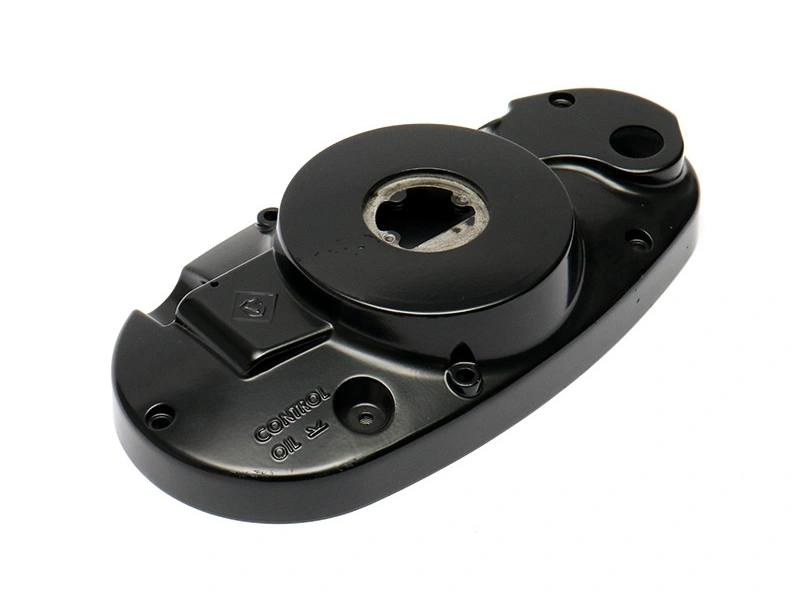
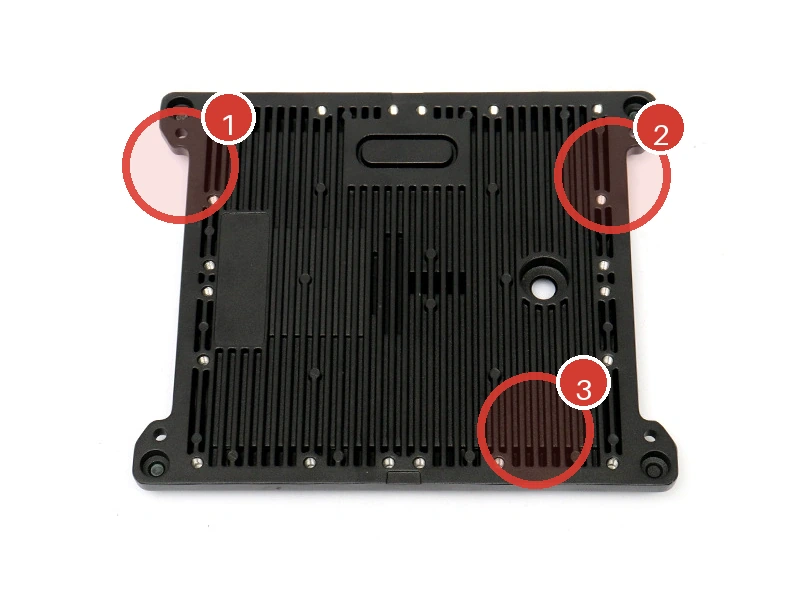
Castings are more likely than flat sheet to have complex thermal mass and surface history. A heavy boss may lag behind a thin wall in the oven. A machined pocket may retain cutting fluid differently from cast skin. The powder coating service route should therefore evaluate the real component instead of using a coupon as the only evidence.
Risk Signal | Why It Matters | Evidence to Collect |
|---|---|---|
Repeated pinholes at one thick feature | May indicate a local thermal or pore-related source | Location map, section thickness and repeated samples |
Random crater pattern across all surfaces | May indicate broader contamination rather than pore gas | Cleaning records, handling review and control panel |
Blind pockets or trapped rinse | Moisture can remain after apparent surface drying | Drain orientation, drying check and cavity inspection |
New casting or cleaning source | Process history is not correlated with the approved finish | Side-by-side trial tied to source identity |
How to Design a Useful Outgassing Trial
A useful trial compares controlled conditions. Parts should come from an identified casting lot and include the actual mix of cast, trimmed and machined surfaces. The buyer and supplier should agree which variables are being compared: no pre-bake versus a proposed pre-bake, two drying conditions, or two clean-to-coat intervals. Changing cleaning, pretreatment, powder, racking and cure at the same time prevents a defensible conclusion.
The trial should use the production-intent powder and cure basis. Thermocouples or another approved method should confirm representative part-metal temperature where section mass matters. The team should record the oven load, rack orientation, preparation timing and defect locations. A simple count by surface zone is more useful than a statement that one part “looked better.”
Pre-bake temperature and time must stay compatible with the alloy condition, inserts, seals and other product requirements. The powder supplier's current technical data and the buyer's material specification control the allowable window. A generic temperature copied from another casting is not a valid release.
How to Separate Outgassing From Contamination
Start with location and repeatability. Defects that repeatedly follow thick regions, known pore-prone areas or connected machined surfaces support one hypothesis. Defects that follow fingerprints, rack contact, cleaning flow or one handling station support another. Cross-sections, controlled cleaning trials and comparison parts can strengthen the investigation, but no single visual feature should be treated as conclusive.
Review upstream controls as well. Conversion coating on aluminum die castings depends on a prepared substrate; it cannot compensate for oil trapped in a blind hole. Similarly, an outgassing pre-bake cannot correct a rinse residue that is reapplied after heating.
What Result Should Release Production?
The release result should specify the casting lot, cleaning route, pre-bake condition if required, elapsed time to coating, powder identity, rack orientation, cure evidence and defect acceptance by zone. It should also state the reaction if the defect pattern returns. A process is not controlled merely because one sample passed.
For a hypothetical thick-wall control housing, the buyer might require representative parts from more than one casting run, map pinholes on exterior and hidden zones, and verify functional mask areas after the proposed thermal cycle. This is an evaluation method, not a claim that a specific temperature or sample count is suitable for every component.
Release Item | Production Record |
|---|---|
Part identity | Drawing revision, casting lot and source |
Thermal condition | Approved pre-bake and cure evidence, if applicable |
Defect standard | Zone map, defect type and acceptance rule |
Change triggers | Alloy, wall, source, cleaning, powder or cure changes |
The buyer should authorize an outgassing step only when the trial shows that it adds measurable value without creating a new material, dimensional or cost risk. The correct outcome may be a controlled pre-bake, a better drying route, an upstream contamination correction or a casting-process investigation. Calling every defect “outgassing” can hide the action that production actually needs.