Casting and Machining: How Buyers Plan Finished Metal Parts Instead of Raw Castings
Casting and Machining: How Buyers Plan Finished Metal Parts Instead of Raw Castings
casting and machining requires a practical manufacturing decision before buyers approve the route.
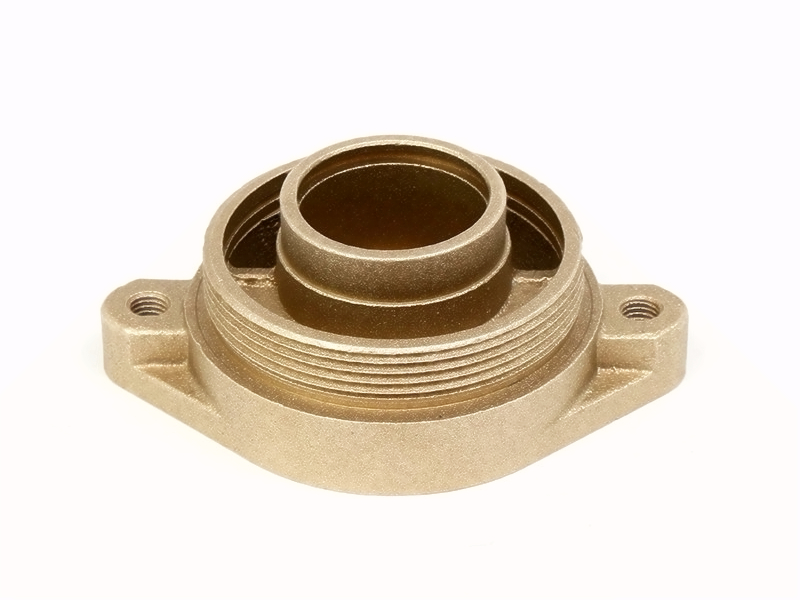
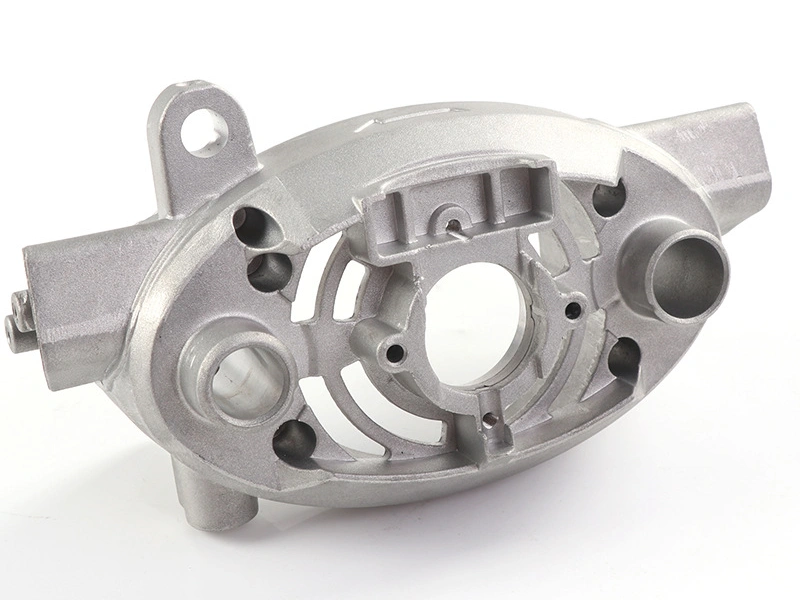
Casting and machining must be planned together when buyers need a cast shape with precision functional features. The core decision is which surfaces stay as-cast and which holes, faces, bores or datums need CNC machining.
This article focuses on separating as-cast surfaces from CNC-machined features so buyers can plan threaded holes, precision bores, sealing faces, datums and inspection before production.
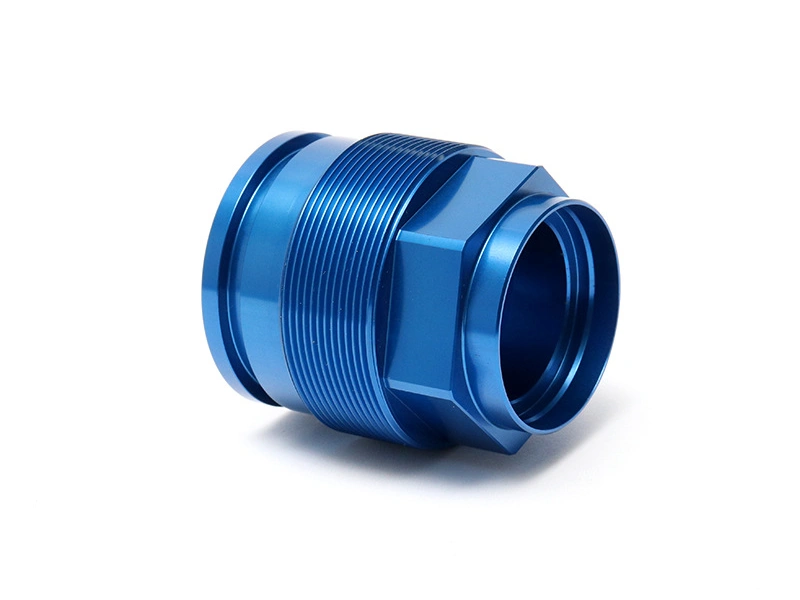
Why Casting and Machining Are Often Planned Together
Casting and machining are combined when buyers need the economy of casting plus the accuracy of CNC machining. Casting forms the main geometry, while machining finishes the features that control fit, sealing, movement and assembly.
The buyer should not wait until after casting to decide which areas need CNC work. Machining allowance, datums, fixtures and inspection should be planned before tooling or pattern work starts.
Part area | Best process | Reason |
|---|---|---|
Outer shape and ribs | Casting | Forms complex geometry efficiently |
Threaded holes | Machining | Controls thread depth, alignment and gauge fit |
Sealing faces | Machining | Controls flatness and surface contact |
Datum surfaces | Machining | Creates reference for inspection and assembly |
Which Features Should Stay As-Cast
Non-functional surfaces, hidden ribs, general walls, draft surfaces and some appearance areas may stay as-cast if the tolerance and surface requirements allow it. Keeping these areas as-cast reduces cost and cycle time.
The buyer should mark functional surfaces separately from non-functional surfaces so the supplier does not machine unnecessary areas.
As-cast feature | Why it can stay as-cast | Buyer caution |
|---|---|---|
General walls | Do not control assembly or sealing | Still need defect and burr limits |
Hidden ribs | Provide stiffness without precision fit | Avoid sink or hot spot risk |
Non-contact surfaces | No tight tolerance needed | Define appearance standard if visible |
Draft surfaces | Part of mold release geometry | Do not use as precision datums |
Which Features Usually Need CNC Machining
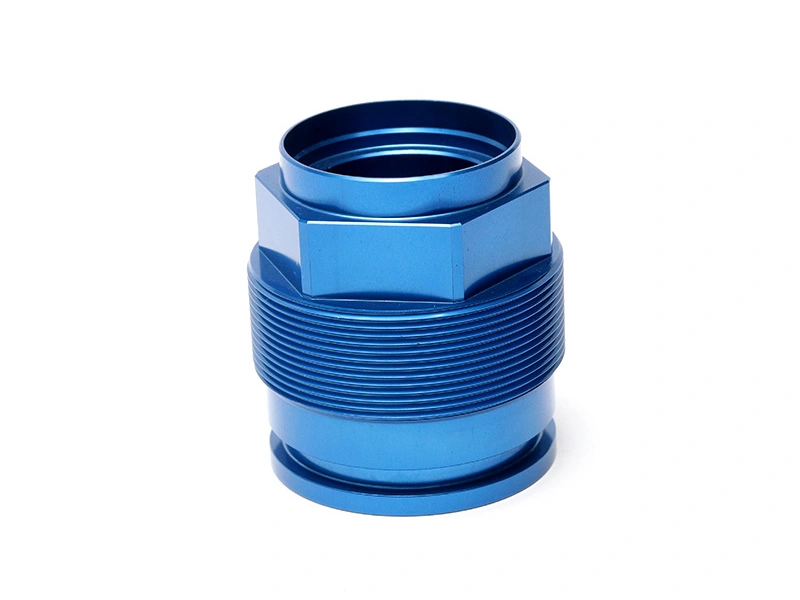
Threads, bores, bearing seats, sealing faces, mounting faces, locating holes and datum surfaces usually need CNC machining because casting tolerance alone may not meet assembly requirements.
These features should be identified on the drawing before quoting so machining stock, fixture access and inspection method are included.
Machined feature | Why CNC is needed | Inspection method |
|---|---|---|
Threaded holes | Fastening reliability | Thread gauge and depth check |
Precision bores | Fit, roundness and coaxiality | Bore gauge or CMM |
Mounting faces | Stable assembly and flat contact | Flatness and datum inspection |
Sealing surfaces | Leak prevention and contact quality | Surface finish and flatness check |
Machining Allowance and Fixture Planning
Machining allowance is the bridge between casting and machining. Too little stock can scrap parts; too much stock raises machining time, tool wear and distortion risk.
Fixture planning should use stable datums and avoid clamping on weak ribs, draft faces or cosmetic surfaces.
Planning item | Good practice | Risk if ignored |
|---|---|---|
Machining stock | Add controlled allowance on functional surfaces | Tool cannot clean up the casting |
Datum strategy | Use stable machined or cast reference surfaces | Feature relationships drift between setups |
Fixture support | Support the casting without distortion | Thin walls deform during machining |
Sequence control | Machine datums before dependent features | Inspection results become unstable |
Inspection for Cast and Machined Parts
Finished cast parts need inspection that separates casting quality from machining quality. Porosity, flash and surface defects are casting concerns, while position, flatness, bore size and thread quality are machining concerns.
A one-stop supplier should make responsibility clear by inspecting both stages before delivery.
Inspection item | Stage controlled | Buyer value |
|---|---|---|
Visual and defect check | Casting | Controls flash, burrs, porosity and surface condition |
CMM report | Machining | Verifies datum and positional relationships |
Thread gauge | Machining | Confirms fastening fit |
Functional assembly check | Finished part | Reduces final assembly failure |
Buyers comparing connected manufacturing steps can also review Metal Casting, CNC Machining, Post Process when the project needs a complete finished-part route.
FAQ