How Can One Supplier Reduce Risk in Casting and Machining Projects?
How Can One Supplier Reduce Risk in Casting and Machining Projects?
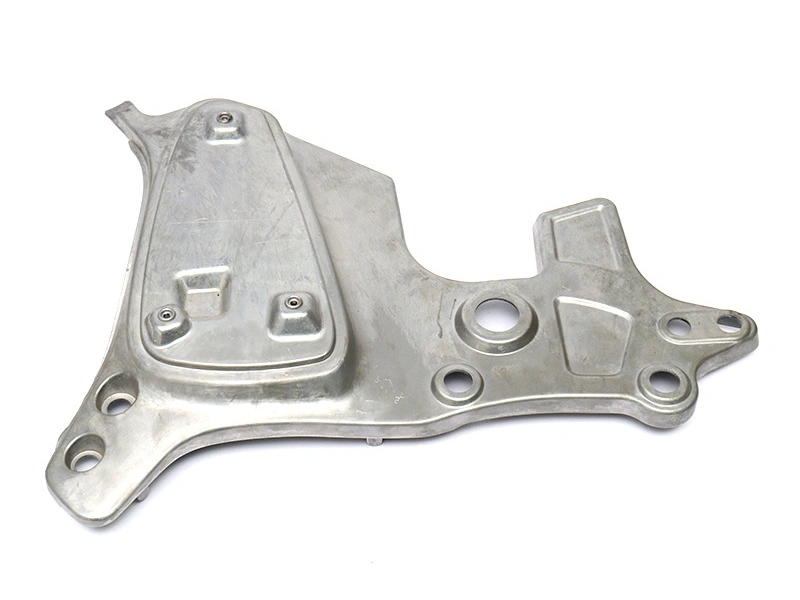
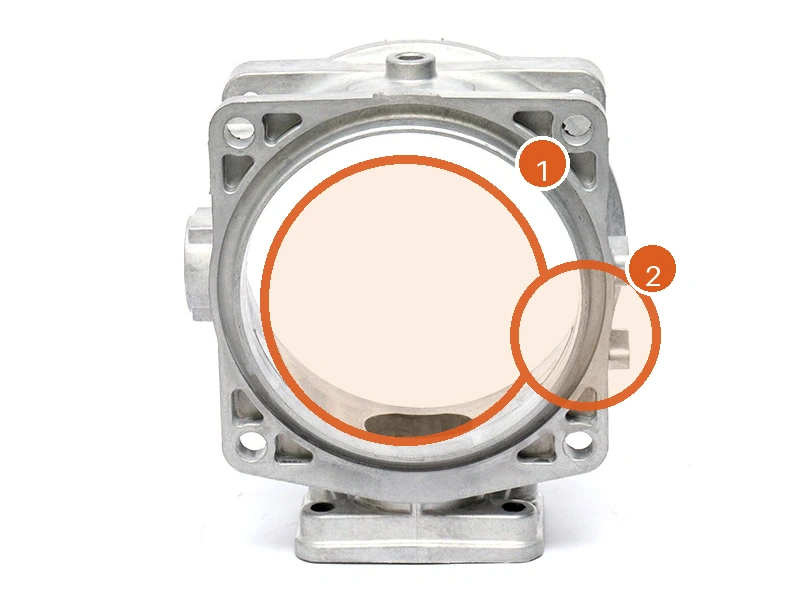
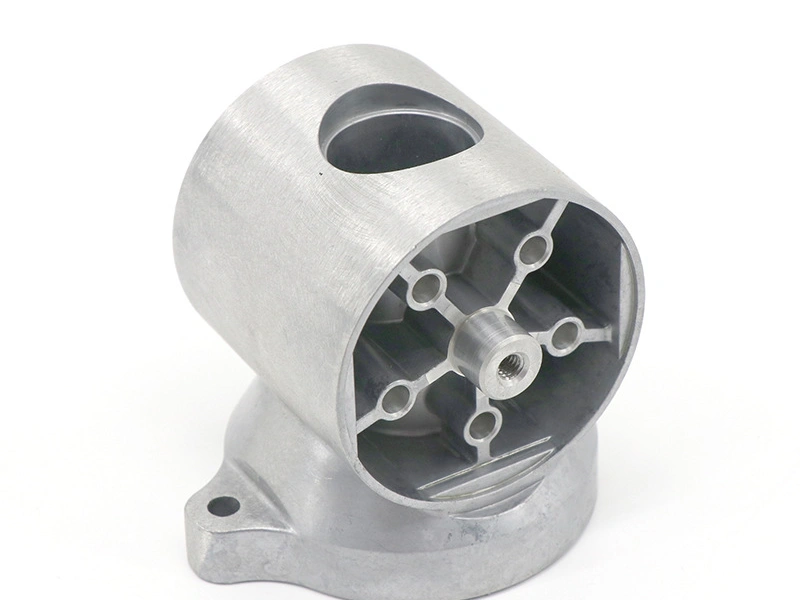
One supplier can reduce risk by planning casting, CNC machining, fixtures, inspection and finishing together, so responsibility does not split between separate suppliers.
For Post Machining projects, this FAQ should be checked against as-cast surfaces, machined datums, machining allowance, threaded holes, sealing faces, inspection sequence and supplier responsibility before the buyer approves price, sample or production release.
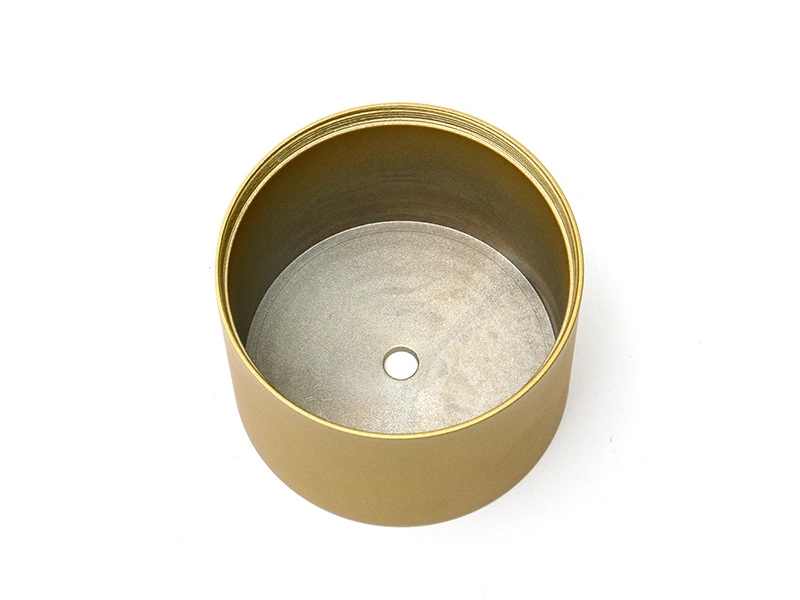
5.1 Casting And Machining Buyer Decision Checklist
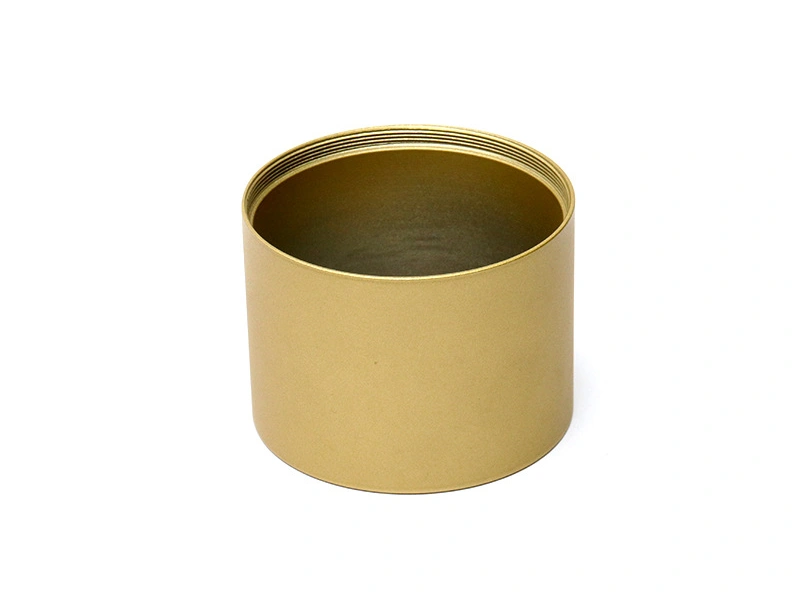
For casting and machining projects, buyers should connect the FAQ answer to as-cast surfaces, machined datums, machining allowance, threaded holes, sealing faces, inspection sequence and supplier responsibility instead of treating the question as a general process definition.
The decision should be checked against the drawing, application load, approval sample, batch quantity and finished-part acceptance standard before Neway confirms the final route.
Buyer should confirm | Why it matters for casting and machining |
|---|---|
3D model and 2D drawing | Shows whether casting and machining can support the real geometry, tolerance notes, datum surfaces and critical features |
Material and final use | Connects casting and machining to strength, wear, corrosion, color, weight, heat or working environment requirements |
Quantity and production stage | Separates prototype, pilot, bridge, low-volume and mass production decisions |
Finish and functional surfaces | Prevents cosmetic, coating, sealing, assembly or machining requirements from being missed |
Inspection and acceptance standard | Defines reports, gauges, samples and functional tests before delivery |
5.3 Related Neway Support
Neway can connect casting and machining, Metal Casting, CNC Machining and Post Process so the buyer receives a controlled route instead of separate process answers.
5.4 Commercial Recommendation
If How Can One Supplier Reduce Risk in Casting and Machining Projects? affects cost, fit, finish, inspection, production approval or repeat orders, buyers should include it in the RFQ before Neway confirms the final Post Machining route.