How CNC Machining Services for Low Volume Production Fit Cast Parts
How CNC Machining Services for Low Volume Production Fit Cast Parts
CNC machining services for low volume production are often needed when cast metal parts require functional holes, threads, bores, sealing faces, flat pads or datum surfaces after casting. Casting can form the main shape efficiently, but low-volume production parts still need controlled machining in the areas that affect assembly, sealing, fastening, motion or inspection.
Buyers searching this keyword are usually not looking for a simple list of CNC machines. They need to know whether a supplier can take cast blanks from a trial run, pilot batch or low-volume order and finish them into usable parts without treating each piece as a one-off sample. The supplier must understand casting variation, machining allowance, fixture repeatability, datum transfer and first article inspection.
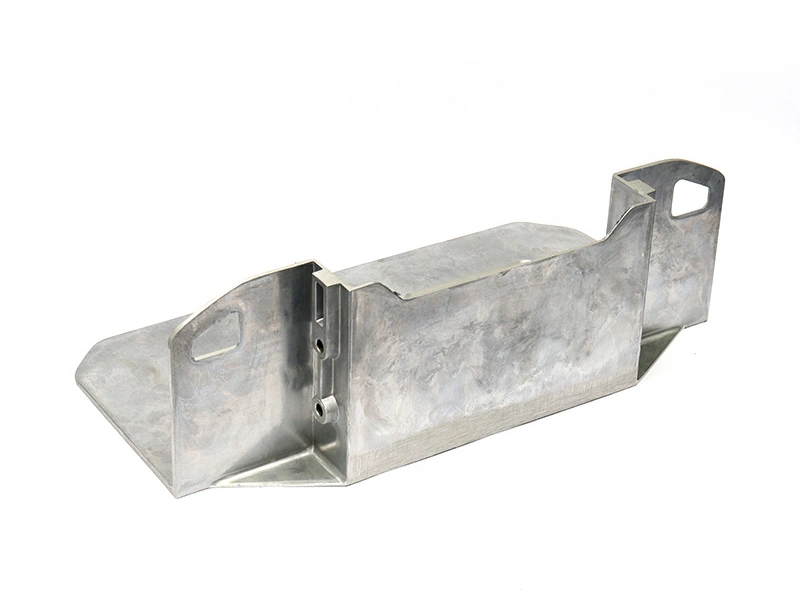
This matters because cast parts are not identical to billet blocks. A sand casting, aluminum die casting or zinc die casting may have draft, parting lines, flash cleanup, as-cast surface variation and local stock changes. Low-volume CNC machining must be planned around those realities. A good process keeps non-functional areas as-cast while machining the features that truly control fit and function.
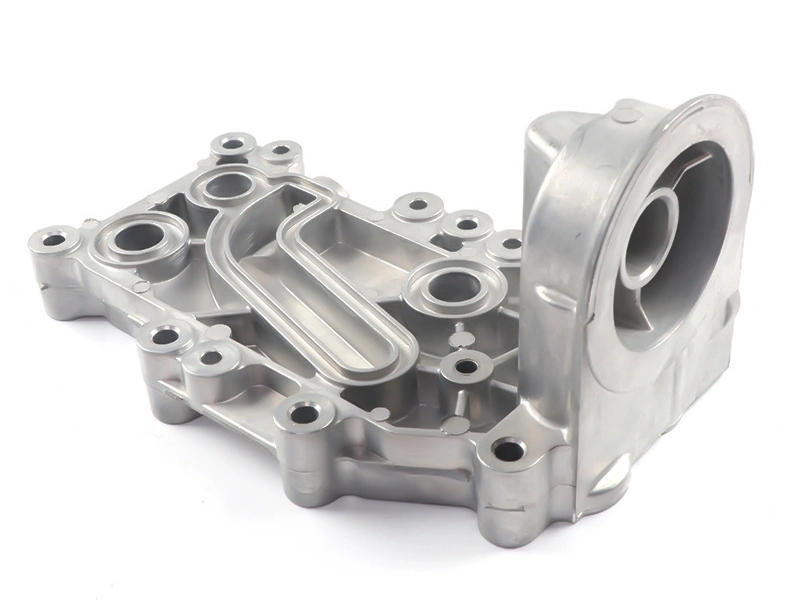
Which Cast Part Features Usually Need CNC Machining?
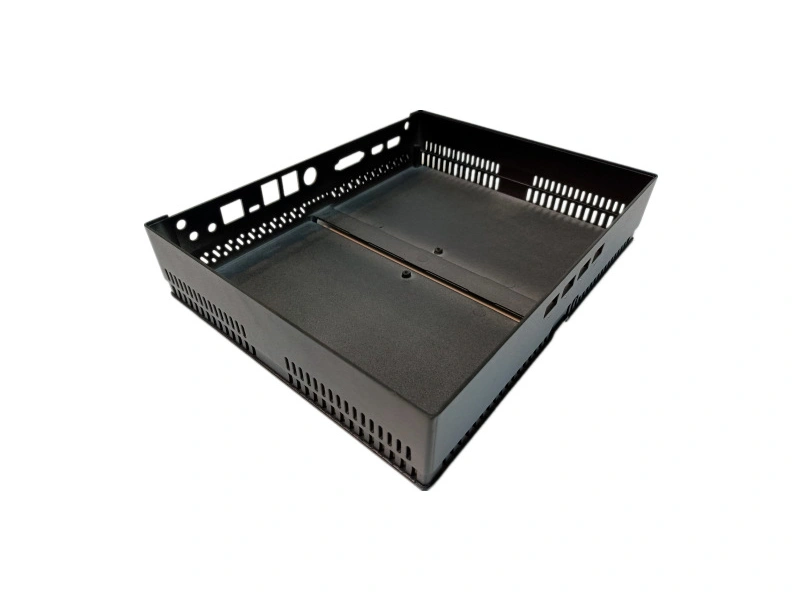
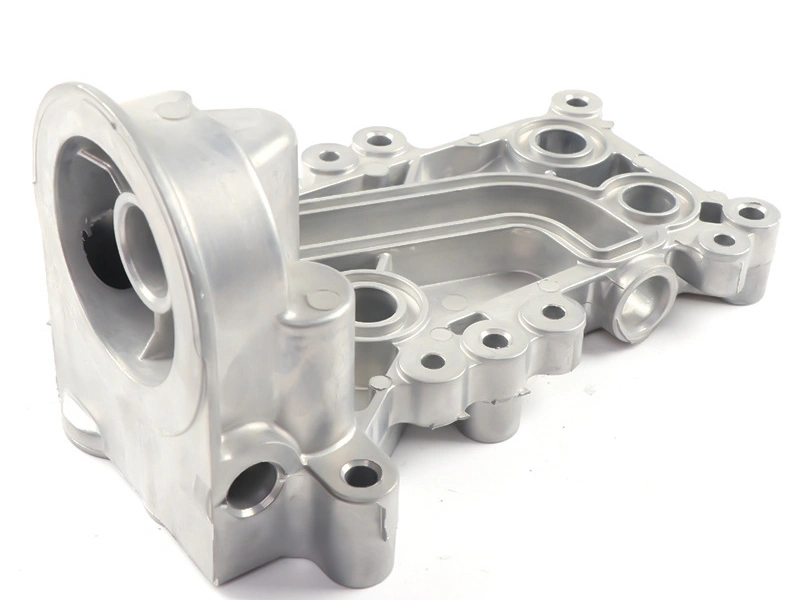
Low-volume cast parts usually need CNC machining on features that cannot rely on as-cast tolerance or surface condition. These features include threaded holes, bearing bores, sealing faces, locating surfaces, flat mounting pads, slots, counterbores and datum surfaces. The goal is not to machine every area. The goal is to machine the areas where fit, sealing, fastening or inspection would fail if left as-cast.
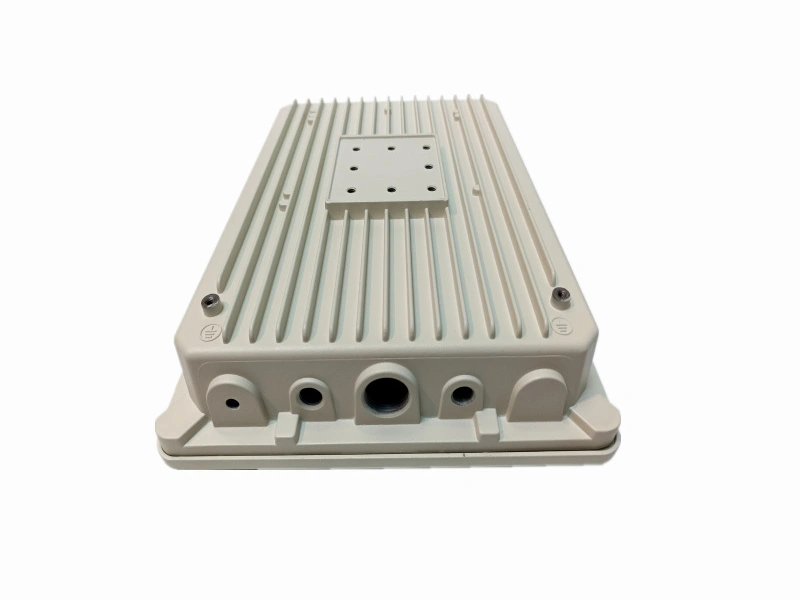
For example, an aluminum pump cover may be cast near-net shape, but its gasket face, bolt circle and pipe thread locations still need machining. A zinc die cast bracket may be cast with bosses and ribs, but the insert holes, mounting faces and electrical grounding points may need CNC finishing. A sand cast housing may need large pads and bore locations machined after the casting is stress-relieved and cleaned.
Feature | Why CNC Machining Is Needed | Buyer Value |
|---|---|---|
Threaded holes | Threads need controlled pitch, depth, alignment and burr removal | Reliable fastening in prototypes and low-volume batches |
Sealing faces | Flatness and surface roughness usually exceed as-cast capability | Reduced leakage risk and clearer gasket approval |
Bearing bores | Diameter, roundness and alignment require controlled finishing | Improved motion, fit and assembly life |
Datum surfaces | Machining and inspection need repeatable references | Stable dimensional relationship across small batches |
Mounting pads | Flatness, height and bolt pattern position affect installation | Fewer assembly adjustments and field fit issues |
Why Low-Volume CNC Machining Is Different From One-Sample Machining
One sample can often be adjusted manually until it works. Low-volume production is different. The supplier must machine tens or hundreds of parts with controlled setup, inspection and delivery. Even if the quantity is not high enough for full automation, the process still needs stable fixtures, repeatable datums, clear tool lists and inspection frequency.
Low-volume machining after casting often uses modular fixtures, soft jaws or simple dedicated fixtures. The fixture must locate from surfaces that are consistent enough across cast blanks. If the fixture locates from an uneven as-cast face, hole position may drift. If the casting allowance changes, the cutter may remove too much stock on one side and leave another side uncleaned.
The buyer should ask how the supplier will manage first article approval, in-process checks and batch records. A practical low-volume process does not need excessive paperwork, but it should define the features that are checked every part, the features checked by sampling and the dimensions reviewed at first article.
Fixture and Datum Planning for Low-Volume Cast Parts
Fixture and datum planning decide whether low-volume CNC machining will repeat. Cast blanks may have draft, trimming variation and surface texture. The machining process needs a stable way to locate the part before cutting critical features. Buyers should pay attention to which face is clamped, which surface becomes the primary datum and whether the datum exists in the same form on every casting. If tolerance stack-up is a concern, CNC post-machining for assembly fit and reliability should be tied to the inspection plan rather than left as a finishing note.
For a machined housing, a large cast pad may become the first setup datum after light facing. For a bracket, two bosses and a flat surface may locate the part. For a cover, the gasket face may need rough machining before final holes are drilled. The process should avoid unnecessary datum transfers because each transfer adds positional risk.
Fixture Decision | Low-Volume Risk | Good Practice |
|---|---|---|
Locate from rough cast surface | Surface variation can shift the machined hole pattern | Create a stable first datum or use controlled cast pads |
Use flexible fixture | Fast setup but weaker repeatability if clamping is inconsistent | Define clamp sequence and inspection points |
Use dedicated fixture | Higher upfront cost for a smaller quantity | Use when critical feature relationships justify it |
Multiple setups | Datum transfer can create stack-up error | Combine operations where access and stability allow |
How Tolerance Control Should Be Set for Low-Volume Machined Castings
Tolerance control should be based on part function, not on applying tight CNC tolerances to every cast surface. Low-volume machined castings usually contain three surface categories: as-cast surfaces, machined functional surfaces and cosmetic surfaces. Each category needs a different acceptance method.
As-cast surfaces should usually control clearance, appearance or general profile. Machined functional surfaces should control assembly, sealing, movement or fastening. Cosmetic surfaces should be judged by agreed visual standards and finish samples. Mixing these categories creates cost and quality disputes. A buyer may reject harmless casting texture on a hidden rib while missing a critical flatness issue on a gasket face.
For tolerance-critical cast parts, CNC machining should be connected with inspection planning. The drawing should mark true position, flatness, bore diameter, thread depth, surface roughness and any datum relationship that matters to the assembly.
Inspection Planning for Low-Volume Production Machining
Inspection planning must match the low-volume production stage. For a first batch, buyers may need a first article inspection report, CMM data for critical relationships, thread gauge checks, flatness measurements and photos of finished surfaces. For repeat low-volume batches, the inspection plan may shift to sampling plus key-feature checks, depending on risk.
Not every feature needs CMM inspection. Thread gauges, plug gauges, calipers, height gauges and go/no-go fixtures may be more practical for repeated checks. CMM is valuable when datum relationships, bore alignment, true position or multi-face geometry must be verified. The inspection method should be chosen before machining begins, not after parts are disputed.
Inspection Item | Recommended Evidence | Use Case |
|---|---|---|
First article | Dimensional report with drawing references | New setup, new casting revision or new fixture |
Thread quality | Thread gauge and depth record | Fastened covers, brackets and housings |
Sealing face | Flatness, roughness and visual pore check | Pump covers, valve bodies and gasketed housings |
Critical relationships | CMM report or dedicated gauge result | Bores, locating pins and multi-face hole patterns |
Surface Finishing and Burr Control After Low-Volume CNC Machining
CNC machining can create burrs around holes, slots, threads and edges. Cast parts may also have flash, gate removal marks or trimming areas before machining begins. Low-volume production should define burr control clearly because hand deburring can vary from part to part if no standard exists. For machined interfaces, design details before machining cast parts should be reviewed before tooling so allowance and fixture access are not missed.
Surface finishing may happen before or after machining depending on the part. Some parts need machining first, then powder coating or painting with masking. Other parts may need blasting before final machining to improve appearance while keeping functional faces clean. Buyers should mark coating keep-out zones, thread protection, sealing faces and electrical contact areas.
For finished cast parts, post-process services and machining must be planned together. A beautiful coating can still fail the assembly if it fills a threaded hole or covers a grounding pad.
Low-Volume Machining Tolerance Screening
For quotation screening, general machined cast features are often discussed around +/-0.10 mm, controlled assembly features around +/-0.05 mm and tighter features around +/-0.02 mm only after datum, fixture, wall stiffness and inspection capability are reviewed. A surface finish of Ra 1.6-3.2 micrometers is common for many functional milled faces, while sealing or bearing features may need a separate requirement.
Feature Class | Initial Review Value | Buyer Check |
|---|---|---|
General machined feature | About +/-0.10 mm | Confirm casting variation and fixture access |
Assembly-critical feature | About +/-0.05 mm | Define datum and gauge or CMM method |
Tight local feature | About +/-0.02 mm | Require capability review and first-article evidence |
Low-volume machining drawings should use ASME Y14.5 or ISO 1101 for datum and geometric controls, while surface texture can be specified under ISO 21920. The inspection report should identify the drawing revision, datum setup and measuring method. For small batches, precision CNC machining for small-run parts provides a relevant fixture and inspection reference.
Short Engineering Example: Low-Volume Pump Cover
A buyer needed a low-volume batch of A380 aluminum pump covers after the casting sample was approved. The casting formed the outside shape and ribs, but the gasket face, bolt circle, threaded ports and two locating pads needed machining. The first sample showed that locating from an uneven as-cast underside caused bolt circle drift, so the supplier changed the first setup to face a stable pad before drilling and tapping.
The revised process used a simple fixture, first article inspection, thread gauges and flatness checks on the gasket face. Powder coating was added after machining with masking on the threads and sealing face. The buyer approved the batch because the process controlled the features that affected sealing and assembly, while leaving non-functional surfaces as-cast to avoid unnecessary cost.
What Buyers Should Include in a Low-Volume CNC Machining RFQ
An RFQ for CNC machining services for low volume production should include the cast blank condition, material, quantity, 3D model, 2D drawing, critical dimensions, machining scope, datum requirements, finish requirements, inspection level and delivery schedule. If the buyer can send photos or samples of the casting, the supplier can better judge clamping, stock variation and burr control. For fit-critical features, CNC machining for dimensional accuracy in die casting parts helps define which dimensions need final confirmation after casting, coating or machining.
The RFQ should also state whether the supplier will receive cast blanks from another foundry or provide both casting and machining. Neway can support integrated casting, post machining, finishing and inspection for buyers who need low-volume production parts rather than separate vendors for each stage.
RFQ Item | Why It Matters |
|---|---|
Cast blank source and condition | Shows whether stock variation, trimming, flash or surface cleanup must be managed |
Machining scope | Defines holes, threads, faces, bores, slots and datum surfaces |
Low-volume quantity | Guides fixture choice, inspection frequency and setup cost allocation |
Drawing with critical features | Prevents over-machining non-functional surfaces while missing important dimensions |
Finish and masking notes | Protects threads, sealing faces, bores and cosmetic surfaces after machining |
How Casting Defects Change the CNC Machining Plan
Low-volume CNC machining after casting must account for defects that may not appear on billet material. Porosity, shrinkage, flash, trimming marks, cold shut lines, sand inclusions and coating residue can change how the part is machined and inspected. A pore on a hidden rib may be harmless, but a pore exposed on a sealing face can reject the part. A parting line near a datum surface may affect clamping. A trimmed gate area near a visible surface may need extra cleanup before finishing.
The supplier should inspect raw cast blanks before machining begins. This incoming review does not need to be complicated, but it should identify broken features, missing stock, heavy flash, distorted areas and visible defects near critical machining zones. When the supplier machines without reviewing blanks, problems are often discovered after time has already been spent on CNC operations.
Buyers can help by sharing casting sample reports or marking high-risk areas on the drawing. If a sealing face has previous porosity risk, the machining plan can include a cleanup check after rough facing. If a boss tends to shift, the fixture and hole location strategy can be adjusted. This makes post machining part of the production control plan instead of a rescue operation after casting.
Batch Size, Setup Cost and Delivery Risk
Low-volume production often sits between sample work and full production. The buyer may need 20, 50 or 200 machined castings, and the project may repeat later. In this range, setup cost matters. A supplier may need to create soft jaws, write a CNC program, prepare inspection tools and test a deburring method. Those costs are spread over fewer parts than a high-volume order, so the buyer should evaluate total project cost, not only unit price.
However, reducing setup cost too aggressively can create delivery risk. If a part has a tight bolt pattern, a gasket face and side ports, machining without a stable fixture may save money at the start but increase rework and schedule delays. The better question is which fixture and inspection choices are justified by the feature risk. A small dedicated fixture may be economical if it prevents repeated manual alignment on every batch.
Batch Condition | Cost Pressure | Recommended Control |
|---|---|---|
Very small pilot batch | Upfront fixture cost feels high | Use modular fixture with clear first article checks |
Repeat low-volume order | Setup repeats can become expensive | Save fixture records, tool lists and inspection notes |
Critical sealing part | Scrap and leakage cost more than fixture savings | Use stable datum and inspect sealing face every batch |
Cosmetic cast part | Manual rework can hide true cost | Define burr and finish standard before machining |
How Repeat Low-Volume Orders Should Be Controlled
Repeat low-volume orders need records. The supplier should retain the approved drawing revision, machining program, fixture method, tool list, inspection checklist, finish notes and packaging requirement. Without those records, the second or third small batch may be treated like a new job, which increases variation and communication time. When the first parts are meant to prove the route, low-volume manufacturing support gives buyers a stronger bridge from sample approval to production.
Buyers should also control revision changes. A small change to a boss height, hole diameter or coating mask can affect fixture location, cutting tools and inspection reports. If the change is not documented, the supplier may machine parts to an old program or inspect against an old drawing. Low-volume does not mean informal; it means the control method should be right-sized for the quantity and risk.
For Neway projects that combine casting and machining, repeat order control can connect blank condition, machining setup and finish inspection. The buyer receives a consistent route for small batches instead of managing separate suppliers for casting, machining, coating and inspection. That is often where low-volume CNC machining services create the most commercial value. For fit-critical features, inspection of machined die cast parts helps define which dimensions need final confirmation after casting, coating or machining.
Supplier Selection for Low-Volume Post Machining
Buyers should choose a supplier that can discuss the process before quoting the final batch. Useful signs include questions about cast blank condition, critical datums, machining allowance, fixture method, inspection reports, burr standard and finish sequence. Weak signs include quoting only from the 3D model, ignoring the 2D drawing, or treating cast blanks exactly like billet stock.
A qualified supplier should be able to explain which surfaces will be machined, which surfaces will remain as-cast, how the first article will be approved and how repeat low-volume orders will be controlled. This is more important than owning the newest machine. Low-volume post machining succeeds when engineering review, setup discipline and inspection evidence work together.
For buyers, the practical approval package should include an approved drawing revision, machined sample, inspection report, burr and edge standard, finish requirement and packing note. Those records become the baseline for later repeat batches and keep the supplier from rebuilding the process from memory. They also help new purchasing, quality or engineering contacts understand why the machining scope was chosen.
FAQ
When Do Cast Parts Need CNC Machining Services for Low Volume Production?
What Fixtures and Datums Matter in Low Volume CNC Machining After Casting?
How Should Buyers Control Tolerances for Low Volume Machined Cast Parts?
What Inspection Reports Are Needed for Low Volume CNC Machined Castings?
What Information Is Needed to Quote CNC Machining Services for Low Volume Production?