How Should Buyers Control Tolerances for Low Volume Machined Cast Parts?
How Should Buyers Control Tolerances for Low Volume Machined Cast Parts?
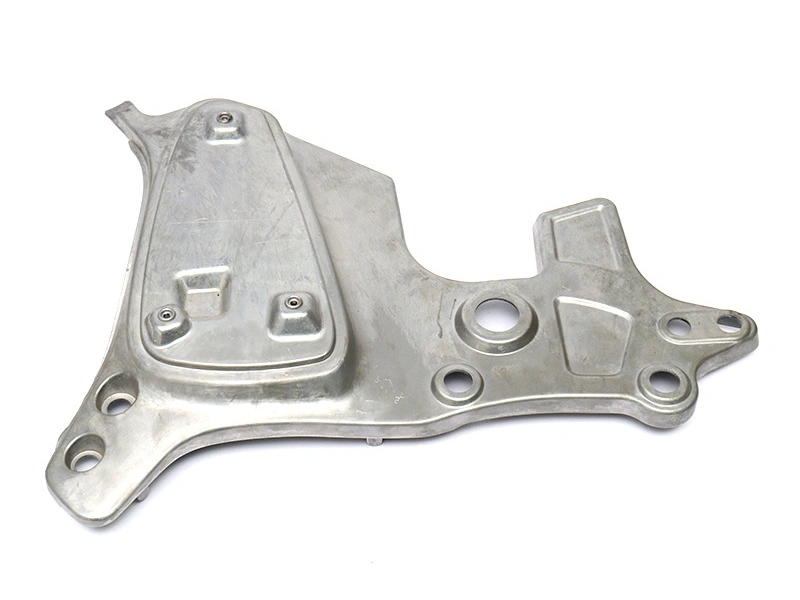
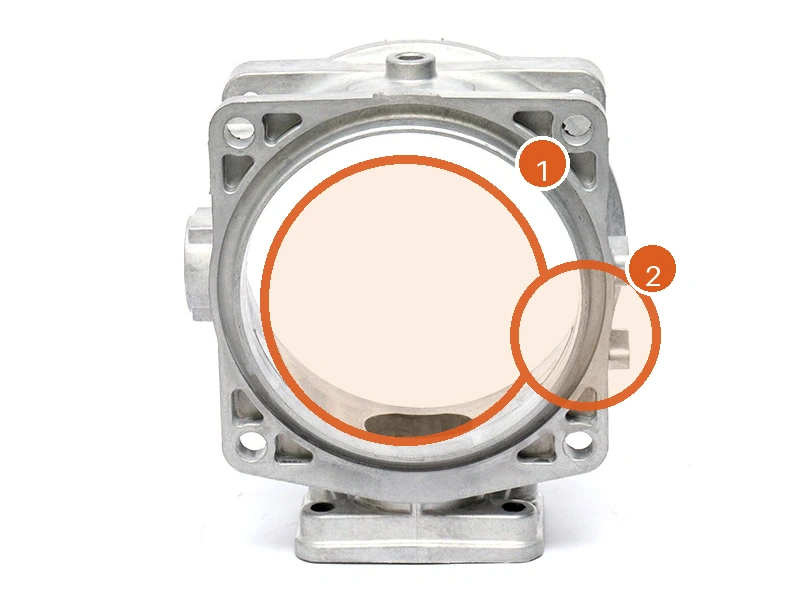
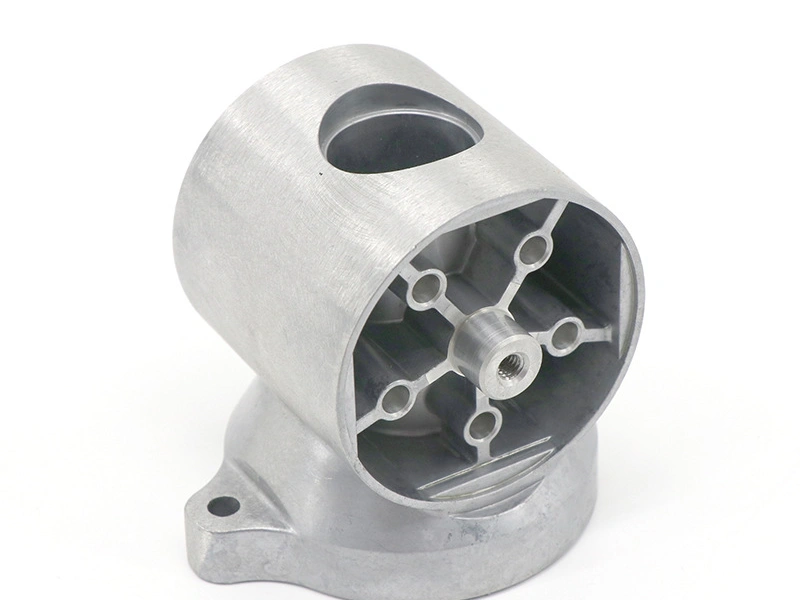
Buyers should control tolerances for low volume machined cast parts by separating as-cast dimensions from machined functional dimensions and by marking the features that affect assembly, sealing, fastening or motion. Tight CNC tolerances should be applied to features that need them, such as bores, threaded holes, gasket faces, locating pads and datum relationships. Non-functional cast surfaces usually need more practical tolerances.
This separation is important because casting and CNC machining produce different accuracy levels. A cast blank may have draft, shrinkage, surface texture and stock variation. CNC machining can create precise features, but only where the fixture, allowance and datum scheme support it. If the drawing demands tight tolerance on every rib or outside wall, the buyer may pay for machining and inspection that do not improve the product.
For tolerance control, buyers can review tolerances achievable in CNC post-machining after casting and how CNC machining enhances dimensional accuracy in die casting parts.
An initial tolerance discussion may place general machined features near +/-0.10 mm, assembly-critical features near +/-0.05 mm and selected tight features near +/-0.02 mm. The tightest value should be limited to the dimensions that control fit, sealing or motion, and it requires a stable datum, fixture and inspection method.
For repeat low-volume work, the buyer may request process evidence such as Cpk 1.33 on selected stable characteristics, but that target should not be applied to a tiny pilot lot that cannot support capability statistics. Early lots are better controlled through first-article data, fixture verification and measured variation across the batch.
Tolerance Categories for Machined Cast Parts
Category | Typical Requirement | Control Method |
|---|---|---|
As-cast surfaces | General shape, clearance and non-critical appearance | Casting tolerance, trimming review and visual check |
Machined faces | Flatness, height, contact or sealing performance | Face milling, flatness measurement and surface roughness check |
Holes and threads | Position, size, depth, pitch and burr control | Drilling, tapping, thread gauges and CMM or positional checks |
Bores | Diameter, roundness and alignment | Boring, reaming, plug gauge and CMM verification |
Datum relationships | True position, perpendicularity or multi-face alignment | Fixture control, setup plan and first article inspection |
How to Avoid Over-Tolerancing
Over-tolerancing happens when a drawing applies precision requirements without a functional reason. In low-volume production, this can increase CNC time, fixture cost, inspection effort and rework. Buyers should ask which dimensions affect mating parts, sealing, load path, rotation, electrical contact or field installation. Those dimensions deserve tighter control. Other surfaces can often remain as-cast or receive only cosmetic finishing.
A practical drawing may use tight true position on a bolt pattern, flatness on a gasket face and a controlled diameter on a bearing bore, while allowing looser profile tolerance on an outside rib. This keeps cost focused on features that matter. It also helps suppliers quote the work accurately because they can see which features require fixture control and which features are less critical.
Casting Allowance and Tolerance Are Linked
Machining tolerance cannot be separated from casting allowance. If the casting does not leave enough stock, a machined face may not clean up. If the allowance is too large, cycle time and tool wear increase. Low-volume parts should be reviewed after casting to confirm that critical features have enough material for final machining.
Buyers should request feedback on uncleaned areas, exposed pores, fixture instability and any dimension that trends near the tolerance limit. This feedback helps decide whether the casting model, tooling, fixture or tolerance callout needs adjustment before the next batch.
How to Handle Revision and Drawing Changes
Low-volume machined cast parts often change between prototype, pilot and repeat orders. A new hole, changed boss height, tighter flatness requirement or different coating mask can affect machining time and inspection. Buyers should issue a clear drawing revision and explain which features changed. The supplier should then confirm whether the fixture, CNC program, tool list and inspection plan still apply.
Small drawing changes can create large process effects. Moving a hole by a few millimeters may require a new fixture stop. Adding a tighter surface roughness requirement may require a different cutter or finishing pass. Changing coating thickness may alter final fit. Revision control keeps tolerance expectations aligned with the actual manufacturing route.
The buyer should also avoid mixing old and new samples during approval. Each measured part should be linked to a drawing revision, casting batch and machining setup. That traceability prevents a good old sample from being used to approve a changed design. It also helps identify whether a tolerance failure came from casting variation, fixture location, tool wear, drawing change or inspection method.
Neway Support for Tolerance Control
Neway supports tolerance control by connecting casting review with post machining, CNC machining and inspection planning. For low-volume cast parts, this means reviewing datum surfaces, machining allowance, fixture method and critical dimensions before cutting the full batch.
The buyer should provide a 2D drawing that clearly marks critical features. When the drawing is clear, the machining supplier can choose the right setup, inspection method and reporting level. The result is a low-volume machined casting that meets the real functional requirement without unnecessary machining on every surface. Clear tolerance priorities also make supplier comparisons more meaningful and reduce revision loops after the first article report.
For purchasing teams, the tolerance discussion should happen before price approval. A quote based on broad tight tolerances may look expensive, while a quote based on unclear tolerances may look cheap but fail later. The buyer should ask which tolerances drive fixture cost, tool choice, CMM time and scrap risk. Those answers show whether the supplier understands the low-volume production problem or only priced basic machine time.