What Information Is Needed to Quote CNC Machining Services for Low Volume Production?
What Information Is Needed to Quote CNC Machining Services for Low Volume Production?
To quote CNC machining services for low volume production, buyers should provide the 3D model, 2D drawing, cast blank condition, material, quantity, machining scope, critical dimensions, datum requirements, surface finish, inspection level and delivery schedule. If the work is after casting, the supplier also needs to know whether the blanks are die cast, sand cast, gravity cast, trimmed, heat treated, blasted or supplied raw.
The quote quality depends on how clearly the buyer separates required machining from optional machining. A supplier can quote faster and more accurately when the drawing identifies threaded holes, sealing faces, bores, mounting pads, datum surfaces and cosmetic areas. Without that information, the quote may assume too much machining or miss features that affect assembly.
For low-volume machining RFQs, buyers can review machining allowance planning before die casting tooling and reducing post-machining cost without losing function.
The RFQ should state lot size, repeat frequency, casting condition, machining stock, datum scheme, surface texture and report format. Suppliers should separate one-time programming and fixture cost from recurring cycle cost. This lets buyers compare a 20-part pilot with a 200-part repeat lot without hiding setup assumptions.
State the first batch and repeat batch separately, for example 20 qualification parts followed by lots of 100 or 250. Mark every feature tighter than +/-0.10 mm, identify datum relationships under ASME Y14.5 or ISO 1101 and specify surface texture under ISO 21920 where function requires it. This lets the supplier price fixture engineering, first-article inspection and recurring cycle time separately instead of hiding them in one unit price.
RFQ Information for Low Volume Post Machining
RFQ Item | Why It Matters | Buyer Note |
|---|---|---|
3D model | Shows geometry, access, tool reach and setup direction | Send STEP, X_T or IGS if available |
2D drawing | Defines tolerances, datums, threads and surface roughness | Mark critical features clearly |
Cast blank condition | Affects clamping, stock allowance, burrs and cleanup | Describe raw, trimmed, blasted or pre-machined state |
Low-volume quantity | Guides fixture cost, setup planning and inspection frequency | Include first batch and expected repeat orders |
Machining scope | Prevents quoting every surface when only functional areas need machining | List holes, faces, bores, slots and threads |
Inspection requirement | Changes CMM, gauge, FAI and report workload | State if first article or CMM report is required |
Why Cast Blank Samples Help the Quote
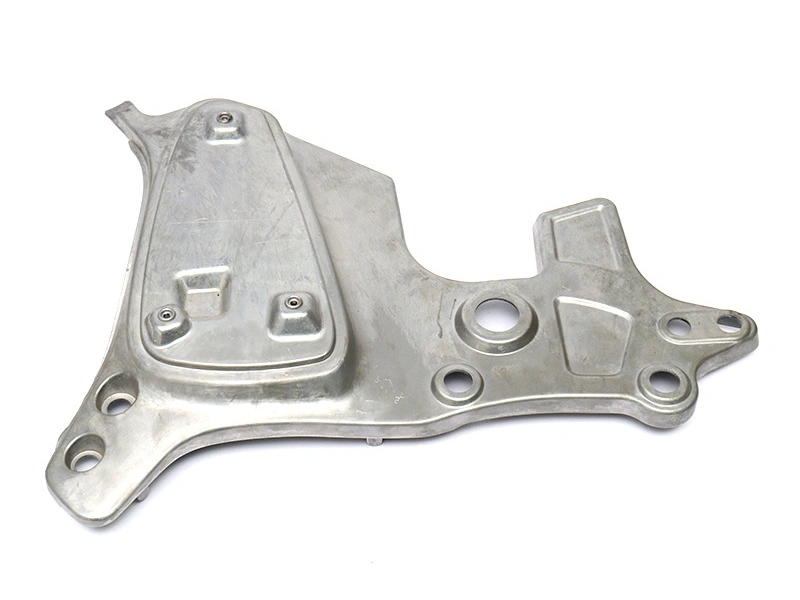
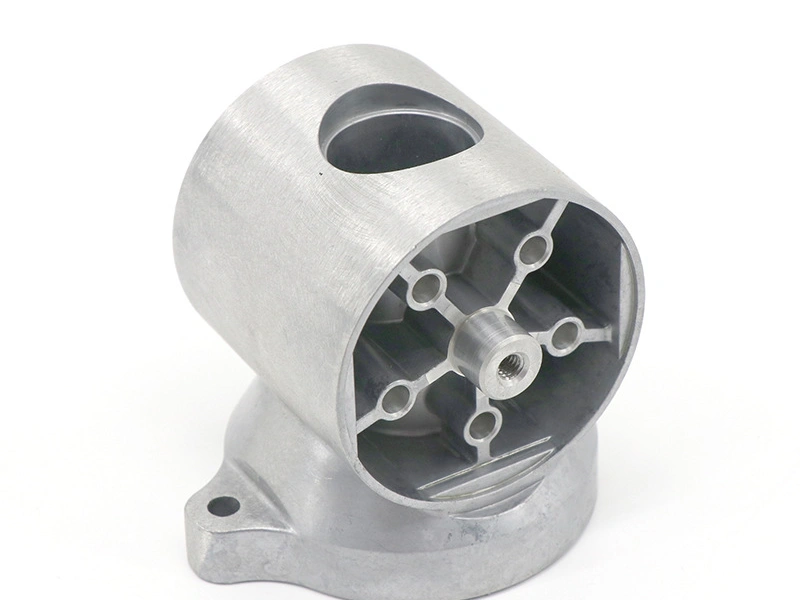
Photos or physical samples of cast blanks can improve quote accuracy. The supplier can see parting lines, trimming condition, flash, surface texture, stock variation and possible clamping areas. For low-volume machining, this can be more useful than the CAD model alone because the real casting condition affects fixture choice and cycle time.
If the buyer already has sample castings, they should send measurement feedback from those samples. Areas with low stock, exposed porosity or inconsistent trim should be identified before the supplier quotes the full batch. This helps avoid price changes after the first parts are reviewed.
How to Ask for Price Breaks Without Losing Control
Buyers can ask for price breaks by separating setup cost from unit machining cost. This is useful for low-volume production because the first batch may carry programming, fixture and first article work, while repeat batches may reuse the same process. The quote should show whether future repeat orders can use saved fixture records, tool lists and inspection plans.
Price comparison should include deburring, cleaning, finish masking, inspection reports and packaging if those items are required. A lower machining price may not be lower overall if thread gauging, burr cleanup or coating protection is excluded. Clear quote structure helps the buyer compare suppliers on the same finished-part requirement.
Buyers should also ask what changes would trigger requoting. A drawing revision, new casting source, tighter inspection level or different surface finish can change setup time and risk. Stating this early prevents later commercial disputes and gives both sides a clean path when the project moves from first batch to repeat supply.
What If the Buyer Needs Casting and Machining Together?
If the buyer needs both casting and machining, the RFQ should say so clearly. An integrated quote can review casting allowance, tooling direction, machining datums, fixture access, finish sequence and inspection at the same time. This can reduce the risk of a casting supplier making blanks that are difficult for a separate CNC supplier to finish.
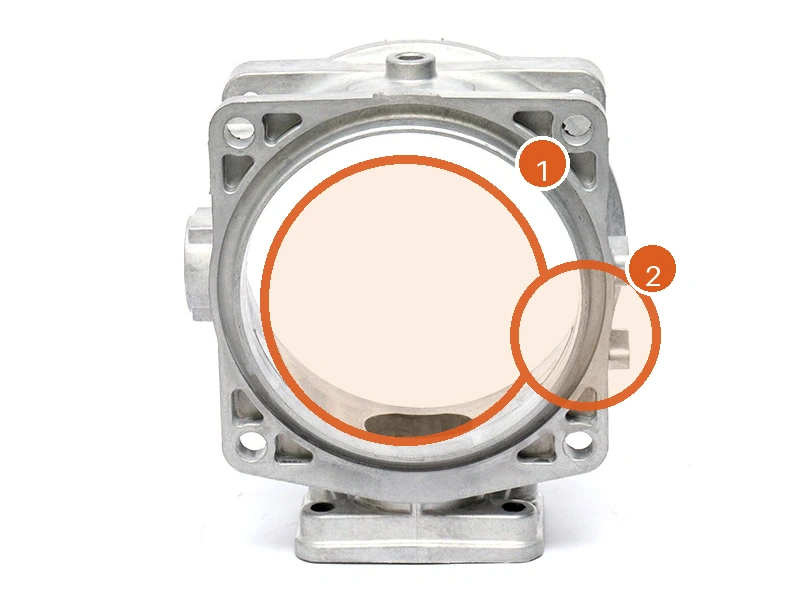
For example, a casting model can include machining stock on gasket faces and bosses, while the machining plan can define how those surfaces will be located and inspected. When casting and machining are separated without communication, the buyer may discover too late that a critical face lacks stock or a fixture cannot access the intended datum.
Neway RFQ Review for Low-Volume Machined Castings
Neway can review RFQs for low-volume machined castings through post machining, CNC machining, casting support and finishing. Buyers can provide models, drawings, target quantities and inspection needs, then receive process feedback on machining scope, fixture risk, finish sequence and delivery planning.
The best RFQ makes the completed part requirement visible. It shows where the casting can remain as-cast, where CNC machining is required, where finishing must be protected and where inspection evidence is needed. That gives the buyer a quote that reflects real low-volume production work instead of only machine time. It also helps the supplier flag missing data before the schedule is at risk and keeps the first article review tied to the quote.
When the RFQ is complete, buyers can compare suppliers by process understanding instead of price alone. A useful reply should mention setup approach, machining scope, inspection method, finish protection and any missing data. That is the level of feedback needed when a low-volume batch must work in real assembly.