What Fixtures and Datums Matter in Low Volume CNC Machining After Casting?
What Fixtures and Datums Matter in Low Volume CNC Machining After Casting?
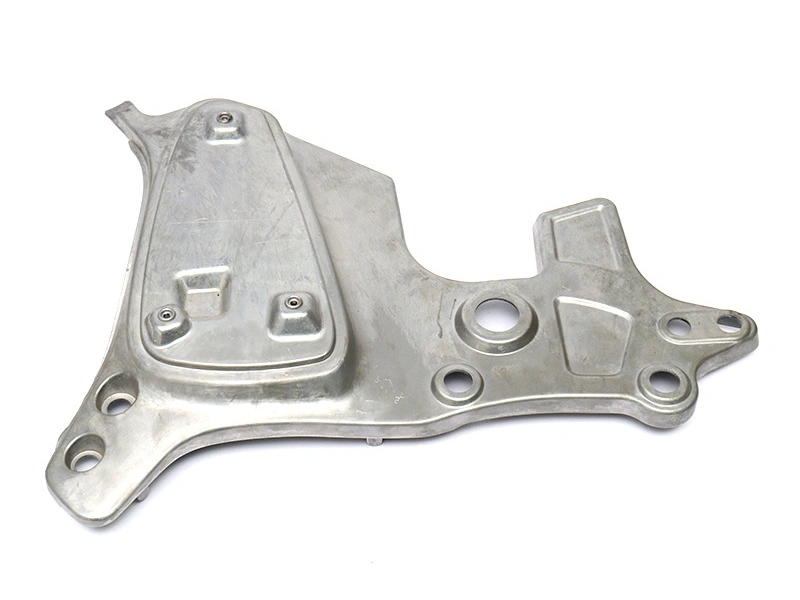
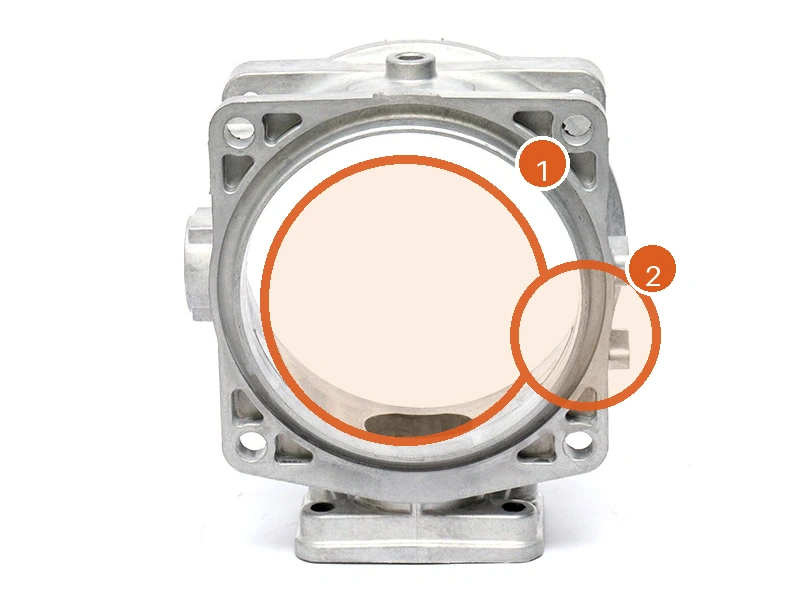
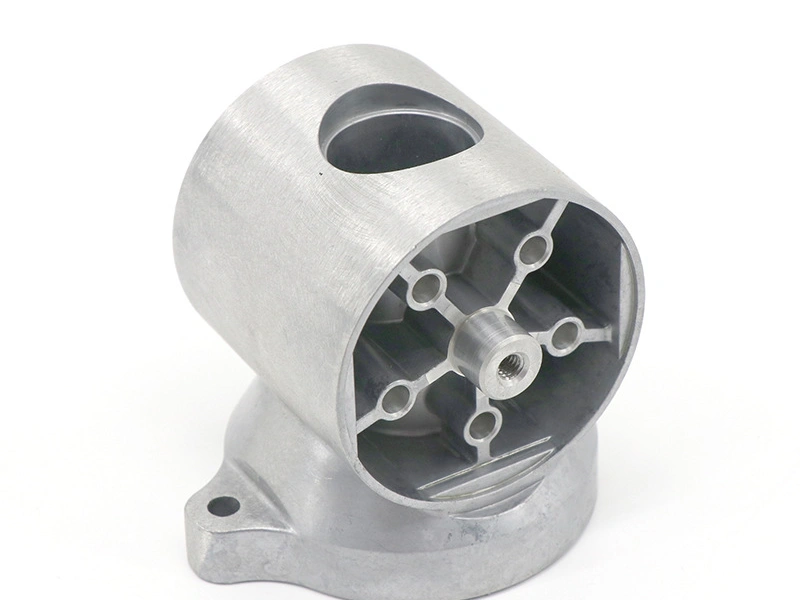
Fixtures and datums matter in low volume CNC machining after casting because they determine whether holes, faces, bores and threads are machined in the correct relationship to the casting and to each other. A cast blank may have draft, surface texture, parting line variation and stock variation. If the fixture locates from an unstable surface, the machined features may shift even when the CNC program itself is correct.
Low-volume production does not always justify complex production fixtures, but it still needs a repeatable location method. The supplier may use soft jaws, modular fixtures, simple dedicated fixtures, stop blocks or machined datum pads. The right choice depends on quantity, tolerance, part size, casting variation and how many setups are needed.
For fixture and datum planning, buyers can review how tooling and CNC machining teams avoid production problems and design details to confirm before machining cast parts.
A low-volume fixture should follow a clear 3-2-1 locating logic or another documented constraint scheme. The supplier should identify which raw casting points locate the first operation and which machined datum controls later operations. A 3-5 part first-article set can expose rocking, clamp distortion and datum-transfer problems before the full lot is machined.
A stable fixture normally follows a 3-2-1 locating logic: three contacts establish the primary plane, two establish the secondary direction and one arrests the remaining movement. Cast pads need enough stock to clean up without rocking; selected machined features may initially target +/-0.05 to +/-0.10 mm only after the first datum is proven. ASME Y14.5 or ISO 1101 should define the datum reference frame, and the setup sheet should record locator positions, clamp sequence and torque where distortion is possible.
Fixture Choices for Low-Volume Machined Castings
Fixture Type | Best Use | Risk to Check |
|---|---|---|
Soft jaws | Small parts with repeatable outside shape or simple clamping surfaces | Cast surface variation may change seating |
Modular fixture | Low-volume batches with several similar part revisions | Operator setup sequence must be controlled |
Simple dedicated fixture | Critical hole patterns, bores or sealing faces across repeat batches | Higher initial cost but better repeatability |
Machined datum pad | Parts that need stable references after rough casting | Requires enough stock for first setup |
Manual clamping with checks | Very small batches and non-critical features | Higher variation if the part is repositioned by feel |
How Datums Should Be Selected
Datums should be selected from surfaces that matter to the part function and can be controlled during machining. A datum does not help if it is difficult to locate consistently on every casting. For many cast parts, a rough first operation creates a stable pad or face, and later operations use that machined surface as the reference. This improves positional control for holes, bores and sealing faces.
The buyer should compare the drawing datum scheme with the supplier's fixture plan. If the drawing uses a gasket face as the main datum, the machining process should explain when that face is machined and how later features reference it. If a bore and bolt pattern must align, the setup should protect that relationship rather than machining them from unrelated references.
Setup Count and Datum Transfer
Each setup can add variation. Low-volume cast parts often need multiple sides machined, but every repositioning step should have a reason. If the same part can be machined in one stable setup, positional relationships are easier to protect. If multiple setups are required, the datum transfer must be clear and measurable.
Buyers should ask how many setups are expected, which features are machined in each setup and which inspection checks confirm the transfer. A part with threaded side holes may need a second setup or angled machining. A housing with a gasket face and perpendicular ports may need careful order of operations. The fixture plan should be part of the quotation discussion, not something discovered after rejects appear.
Cast Blank Variation Should Be Tested Before Final Fixture Release
Before the fixture method is locked, the supplier should test more than one cast blank. A fixture that holds the first piece well may not work if later castings have heavier flash, slightly different trim, or uneven stock on the locating area. Low-volume production is especially sensitive to this because the batch may not be large enough to absorb repeated adjustment time.
Buyers can ask the supplier to record how many blanks were checked during setup validation and whether any cast variation affected clamping. If the fixture only works after manual filing or repeated tapping into place, the process is not stable enough for a controlled low-volume batch. Simple changes such as adding a support pad, changing clamp sequence or roughing a datum face first can prevent later variation.
Fixture validation should also include burr access and part removal. A setup that machines the dimensions correctly can still create rework if operators cannot deburr holes or remove the casting without scratching a visible surface. Clamp marks should be reviewed as well, especially when the part will later be painted, powder coated or used on an exposed assembly.
Neway Support for Fixture and Datum Review
Neway can review low-volume cast part machining through post machining and CNC machining support. For cast blanks, the review can connect casting allowance, trimming condition, fixture access, datum surfaces and inspection points. This is helpful when the buyer needs low-volume production parts that must be reliable but cannot absorb excessive fixture investment.
A good fixture decision is practical, not oversized. Use enough fixture control to protect critical features, then inspect those features with CMM, gauges or first article checks. That gives the buyer evidence that the low-volume machining process can repeat across the batch. The same fixture notes should be saved for future repeat orders, especially when the project may return months later with the same casting revision.