How Can Tooling and CNC Machining Teams Avoid Production Problems?
How Can Tooling and CNC Machining Teams Avoid Production Problems?
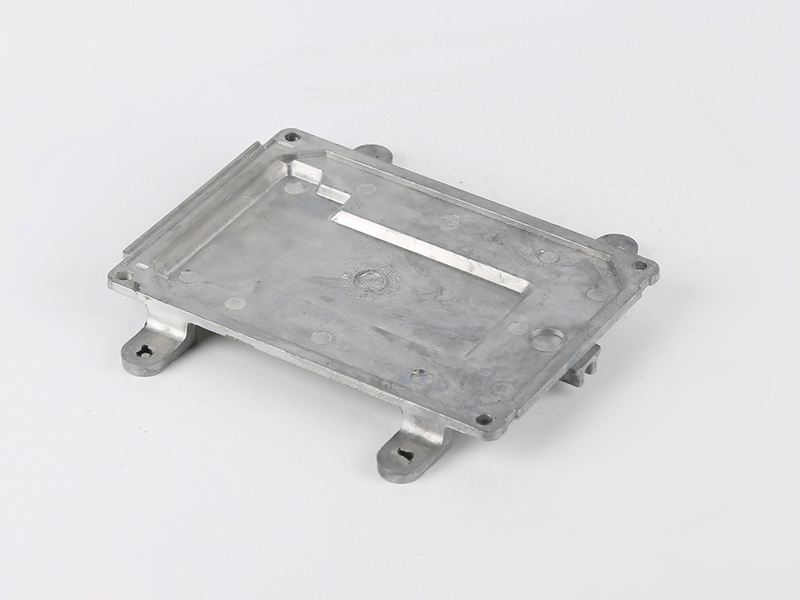
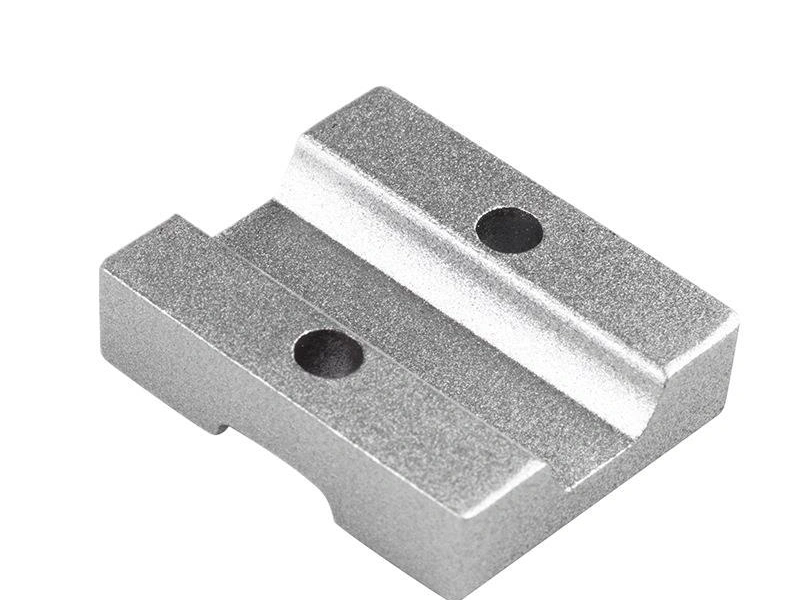
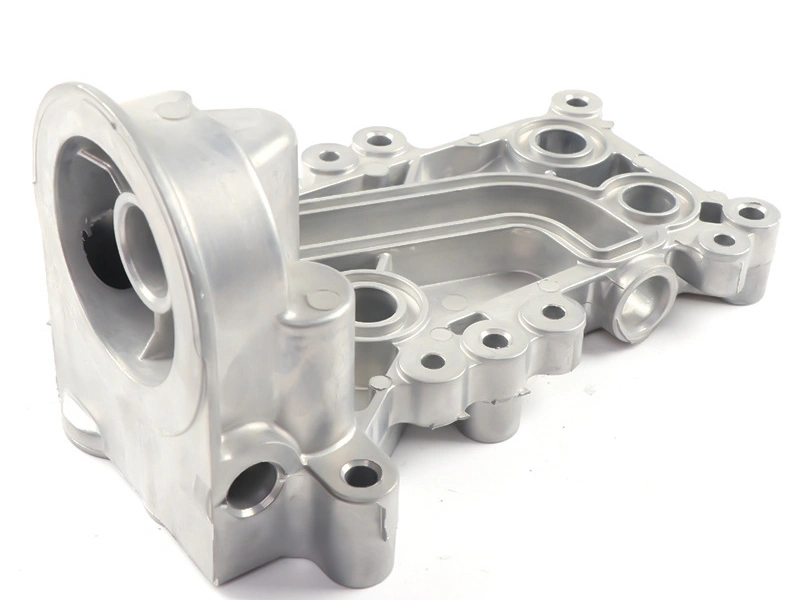
Tooling and CNC machining teams can avoid production problems by reviewing die casting, tooling and machining together before mold manufacturing starts. Common problems include insufficient machining allowance, difficult fixture positioning, pores exposed after machining, ejector marks affecting datum surfaces, parting lines affecting sealing faces, gate residue affecting clamping, part deformation causing unstable dimensions, coating affecting assembly size and trial sample dimensions not matching mass production parts.
Buyers should choose a supplier that understands casting, tool and die making and CNC machining after die casting together. If these steps are planned separately, the project may face rework, fixture changes, dimensional disputes and delivery delays.
1. Common Production Problems in Machined Die Cast Parts
Production Problem | Typical Cause | Possible Result |
|---|---|---|
Insufficient machining allowance | Machined surfaces were not planned before tooling | Surfaces fail to clean up or parts are rejected |
Difficult fixture positioning | Datum surfaces were not confirmed early | Unstable machining and inconsistent dimensions |
Pores exposed after machining | Porosity risk was not controlled near machined areas | Sealing failure, cosmetic rejection or scrap |
Ejector marks on datum surfaces | Ejector layout did not consider machining references | Fixture instability and inspection variation |
Parting line on sealing face | Parting line was not reviewed with functional surfaces | Leakage risk or extra machining |
Gate residue affecting clamping | Gate location was not coordinated with fixture planning | Difficult setup, extra trimming or fixture changes |
Coating affects assembly size | Masking and final inspection were not planned | Poor fit, thread problems or assembly rework |
2. Use DFM Review Before Tooling
Custom metal casting service projects should use DFM review before tooling. DFM should include casting feasibility, tooling structure, machining allowance, fixture references, cosmetic surfaces, material selection, coating needs and inspection standards.
DFM Review Item | Problem It Helps Prevent | Buyer Benefit |
|---|---|---|
Machining allowance review | Insufficient stock and rejected machined surfaces | Improves finished part reliability |
Datum surface confirmation | Unstable fixture positioning and inspection variation | Improves batch consistency |
Machining area confirmation | Late fixture changes and machining cost increases | Improves quote accuracy and production planning |
Cosmetic surface confirmation | Visible gate marks, ejector marks or parting lines | Reduces appearance disputes |
Porosity-sensitive area review | Pores exposed after CNC machining | Reduces sealing and functional failure risk |
3. Confirm Datums, Machining Areas and Cosmetic Surfaces
Datums, machining areas and cosmetic surfaces should be confirmed before tooling. Tooling teams need this information to place gates, ejectors, parting lines and machining allowance correctly. CNC teams need it to design fixtures, process routes and inspection plans.
Early Confirmation | Why It Matters | Production Risk Reduced |
|---|---|---|
Datum surfaces | Control fixture setup, inspection and assembly reference | Dimension variation and inspection disputes |
Machining areas | Control stock, tool paths, fixture support and machining sequence | Rework, fixture change and added cost |
Cosmetic surfaces | Control gate, ejector and parting line placement | Visible defects and surface disputes |
Sealing faces | Control flatness, roughness and porosity near the machined face | Leakage and functional rejection |
Coating and masking areas | Control final fit after painting, coating or plating | Assembly problems after finishing |
4. Validate CNC Machining After Trial Samples
Trial samples should be used to validate the CNC machining process before mass production. The team should confirm machining allowance, fixture stability, exposed porosity, thread quality, sealing face quality, assembly fit and dimensional reports.
Trial Sample Validation | What to Check | Why It Matters |
|---|---|---|
Machining cleanup | Whether machined surfaces clean up fully | Confirms allowance is enough |
Fixture stability | Whether parts locate consistently during machining | Reduces batch dimension variation |
Exposed porosity | Whether holes, sealing faces or contact areas show pores after machining | Reduces leakage and rejection risk |
Thread and hole quality | Gauge result, hole position and fastening function | Confirms assembly reliability |
Dimensional report | Critical dimensions and datum relationships | Confirms inspection criteria before production |
5. Material-Specific Coordination Needs
Coordination needs vary by material. Aluminum die casting tooling often needs attention to porosity, shrinkage, sealing faces and machining allowance. Zinc die casting tooling often needs attention to small features, burrs, cosmetic surfaces and coating. Copper die casting project planning often needs attention to functional surfaces, tool wear, contact faces and machining inspection.
6. Summary
Coordination Step | Production Problem Reduced |
|---|---|
DFM review before tooling | Reduces tooling, casting and machining conflicts |
Confirm datum surfaces early | Reduces fixture instability and inspection variation |
Confirm machining areas early | Reduces insufficient allowance and late fixture changes |
Confirm cosmetic and sealing surfaces | Reduces visible defects, leakage and rework |
Validate CNC machining after trial samples | Confirms machining process before mass production |
Confirm inspection criteria before production | Reduces dimensional disputes and batch quality problems |
In summary, tooling and CNC machining teams can avoid production problems by reviewing DFM, datums, machining areas, cosmetic surfaces, sealing faces, coating areas and inspection standards before tooling starts. Trial samples should then validate the CNC machining process before mass production. This coordination reduces rework, fixture changes, dimensional disputes and delivery delays.