How CNC Machining After Die Casting Improves Fit and Function
How CNC Machining After Die Casting Improves Fit and Function
CNC machining after die casting helps buyers improve the fit, function and assembly reliability of custom die cast parts. Die casting can form complex metal structures efficiently, but many functional areas still need post machining to achieve tighter tolerance, better flatness, accurate holes, reliable threads and controlled contact surfaces.
For buyers, engineers and project managers, CNC machining should not be planned after the die cast parts are already made. It should be considered during RFQ, DFM review and tooling design. If machining allowance, datum surfaces, clamping areas and critical dimensions are not planned early, the project may face fixture problems, machining rework, exposed porosity, unstable dimensions and higher production cost.
The goal of post machining is not to machine the entire casting again. A better strategy is to form the main part by die casting and machine only the areas that affect assembly, sealing, fastening, positioning, conductivity or final inspection. This helps buyers control cost while still achieving functional precision.
Why CNC Machining Is Used After Die Casting
Die casting is suitable for producing complex metal parts with repeatable shapes, but casting alone may not meet every functional tolerance. Features such as threads, mounting holes, sealing faces, bearing bores, datum surfaces and precision contact areas often require CNC machining after casting.
CNC machining after die casting is used to improve critical dimension accuracy, create threaded holes, control mounting hole location, finish sealing faces, improve datum surfaces, control flatness, improve functional contact and support consistent batch assembly.
For custom die cast metal parts, the best approach is usually to cast the main structure and machine only the critical functional areas. This helps reduce unnecessary machining time while still ensuring final part function.
Machining Purpose | How CNC Machining Helps | Buyer Value |
|---|---|---|
Critical dimension accuracy | Improves dimensions that casting alone cannot control tightly enough | Better assembly fit and inspection confidence |
Threaded holes | Creates controlled thread depth, pitch and alignment | Improves fastening reliability |
Mounting holes | Controls hole diameter and position | Reduces installation and alignment issues |
Sealing faces | Improves flatness and surface quality | Reduces leakage risk |
Datum surfaces | Creates accurate assembly and inspection references | Improves positioning stability |
Functional contact surfaces | Improves mechanical or conductive contact areas | Supports stable product function |
Which Die Cast Features Usually Need CNC Machining?
Not every feature on a die cast part needs CNC machining. However, features that affect assembly, sealing, fastening, positioning, conductivity or movement often require post machining. These features must be identified before tooling so the supplier can plan machining allowance, fixture strategy and inspection requirements.
Common machined features include threaded holes, mounting holes, sealing faces, datum surfaces, bearing holes, locating features and contact surfaces. If these features are added after tooling, the project may require quotation changes, fixture redesign or tooling modification.
Machined Feature | Why It Needs CNC Machining | Buyer Concern |
|---|---|---|
Threaded holes | Threads usually require post-machining | Assembly reliability |
Mounting holes | Hole position and diameter need control | Fit and fastening |
Sealing faces | Surface flatness and smoothness matter | Leak prevention |
Datum surfaces | Assembly reference needs accuracy | Positioning stability |
Bearing holes | Tight tolerance and roundness are needed | Functional performance |
Locating features | Precision fit is required | Repeatable assembly |
Contact surfaces | Conductive or mechanical contact may need finishing | Stable function |
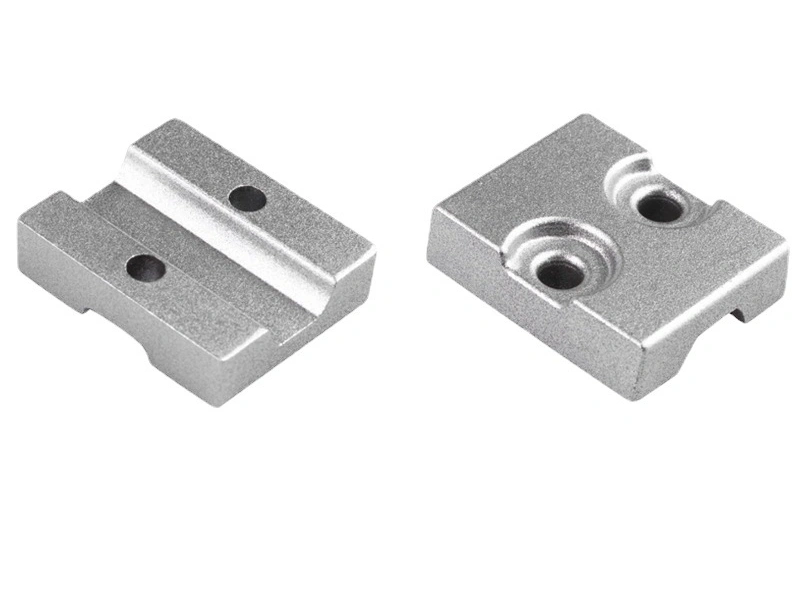
When Can Die Cast Parts Keep As-Cast Surfaces?
Many die cast surfaces can remain as-cast when they do not affect assembly, sealing, positioning or tight tolerance requirements. Keeping non-critical surfaces as-cast can significantly reduce CNC machining cost and production time.
As-cast surfaces are often acceptable for non-assembly areas, non-sealing faces, non-positioning areas, internal hidden surfaces, non-critical housing surfaces, surfaces that only need coating or painting, and areas that do not serve as assembly datums.
Buyers should separate functional surfaces, cosmetic surfaces and non-critical surfaces during the RFQ stage. If every surface is specified for machining, the part may become unnecessarily expensive. A better plan is to machine only the surfaces that affect final function.
Surface Type | Can It Usually Stay As-Cast? | Buyer Planning Point |
|---|---|---|
Non-assembly surfaces | Often yes | Keep as-cast if they do not affect fit |
Non-sealing surfaces | Often yes | Machine only if flatness or surface finish is required |
Internal hidden areas | Often yes | Avoid unnecessary machining where appearance is not important |
Non-critical housing surfaces | Often yes | Use surface finishing instead of machining when suitable |
Coated or painted areas | Often yes | Confirm coating requirement and original casting surface quality |
Assembly datum surfaces | Usually no | Machine when positioning accuracy is required |
Functional contact surfaces | Usually no | Machine when fit, sealing or conductivity matters |
How Machining Allowance Should Be Planned Before Tooling
Machining allowance should be planned before die casting tooling begins. If tooling does not leave enough material for post machining, the supplier may not be able to finish critical dimensions reliably. If allowance is excessive, machining time and cost may increase.
Poor machining allowance planning can cause insufficient stock, incomplete machining, difficult clamping, exposed porosity, unstable dimensions after machining, longer cycle time, higher scrap rate and uncontrolled mass production cost.
Before die casting tooling starts, buyers should confirm which holes need machining, which faces need flatness control, which dimensions are critical, where machining allowance is required, which surfaces should avoid ejector pins or parting lines, and which areas need coating or plating after machining.
Machining Allowance Item | What Buyers Should Confirm | Risk if Missing |
|---|---|---|
Machined holes | Hole diameter, position, depth and tolerance | Wrong tooling allowance or extra machining cost |
Flatness-controlled faces | Which surfaces need final face machining | Sealing or mounting failure |
Critical dimensions | Dimensions that affect fit, function or inspection | Unclear tolerance responsibility |
Machining stock | Where extra material must remain after casting | Insufficient stock, scrap or rework |
Datum surfaces | Which surfaces will locate the part during machining | Fixture difficulty and machining variation |
Ejector and parting line avoidance | Which machined or cosmetic areas should avoid tooling marks | Poor surface quality or finishing disputes |
Post-machining coating | Which areas need coating, masking or protection after machining | Fit problems or coating defects |
How CNC Machining After Die Casting Affects Tolerance Control
Die casting can provide stable repeated forming, but tight tolerance features often require CNC machining. Buyers should not apply strict tolerance to every dimension. Tight tolerance should be focused on the areas that affect assembly, sealing, movement, fastening or function.
Common tolerance-controlled requirements include hole diameter, hole position, thread accuracy, flatness, perpendicularity, parallelism, sealing surface roughness, datum surface accuracy and assembly fit tolerance.
For machined die cast parts, the supplier should know which dimensions are critical before quotation. This helps plan machining sequence, fixture location, inspection method and final cost.
Tolerance Requirement | Why CNC Machining Helps | Buyer Cost Control Point |
|---|---|---|
Hole diameter | Controls final fit with pins, screws or mating parts | Specify tight tolerance only where needed |
Hole position | Improves installation and assembly alignment | Mark critical hole positions clearly |
Thread accuracy | Creates reliable fastening features | Define thread size, depth and inspection needs |
Flatness | Improves contact, sealing and mounting quality | Apply flatness only to functional faces |
Perpendicularity | Controls relationship between holes and faces | Use only where assembly requires it |
Parallelism | Controls mating surfaces and assembly stability | Avoid over-specifying hidden surfaces |
Surface roughness | Improves sealing, sliding or contact surfaces | Define Ra only for functional areas |
Datum accuracy | Supports repeatable machining and inspection | Confirm datum scheme before tooling |
How CNC Machining Differs for Aluminum, Zinc and Copper Die Cast Parts
CNC machining after die casting differs by material. Aluminum, zinc and copper alloy parts have different machining behavior, tool wear, fixture needs, dimensional stability and inspection requirements. Buyers should not assume the same machining plan fits every alloy.
Aluminum die casting often needs machining for holes, threads, sealing faces and flatness-controlled areas. Zinc die casting often needs machining for small precision holes, threads and assembly features. Copper die casting may need machining for conductive contact faces, holes and functional surfaces.
Material | Machining Focus | Buyer Concern |
|---|---|---|
Aluminum die cast parts | Holes, threads, sealing faces, flatness areas | Lightweight structure and functional accuracy |
Zinc die cast parts | Small holes, threads, assembly features | Precision small parts and detail control |
Copper die cast parts | Conductive contact faces, holes, functional surfaces | Conductivity, wear and machining cost |
Different materials also affect cutting speed, cutting tools, clamping strategy, burr control and inspection cost. Buyers should confirm material direction before tooling and machining planning begin.
How Tooling Design Affects Post-Machining
Tooling design and CNC machining should be planned together. The casting tool affects machining allowance, datum selection, clamping stability, parting line position, ejector pin marks, gate removal areas, porosity exposure risk and machining repeatability.
If die casting tooling does not consider post machining, the part may be difficult to clamp, unstable during cutting or inconsistent across batches. The machining process may require more fixtures, more setups, longer cycle time or additional inspection. In serious cases, machining may expose porosity or remove too much material from critical areas.
For tooling for machined die cast parts, buyers should confirm machining areas before mold making. This allows the supplier to plan gate locations, ejector positions, datums, allowance and fixture support more effectively.
Tooling Design Factor | How It Affects Post-Machining | Buyer Risk if Ignored |
|---|---|---|
Machining allowance | Defines whether enough material remains for final machining | Scrap, rework or poor final tolerance |
Part location during machining | Determines how the casting is positioned in fixtures | Unstable machining dimensions |
Clamping stability | Affects part movement during cutting | Vibration, deformation or poor surface finish |
Parting line position | May interfere with machined or cosmetic surfaces | Extra finishing or machining variation |
Ejector pin marks | Can appear on fixture, cosmetic or functional areas | Poor location or appearance defects |
Gate removal area | May affect machining path or finishing workload | Extra operation and cost increase |
Porosity exposure risk | Machining may cut into areas with hidden pores | Rejected parts after post machining |
Datum surface selection | Controls repeatable machining and inspection | Batch variation and difficult inspection |
How to Reduce CNC Machining Cost After Die Casting
Reducing CNC machining cost after die casting does not mean removing necessary machining. It means reducing unnecessary machining, avoiding over-tight tolerances and preventing rework. Buyers can control cost by planning machining requirements before tooling and focusing precision only on functional areas.
Cost can be reduced by machining only critical areas, avoiding unnecessary tight tolerances, planning machining allowance before tooling, reducing secondary setups, choosing practical datum surfaces, avoiding difficult deep pockets or unstable clamping areas, grouping holes and sealing faces logically, using DFM review and validating machining flow during trial samples.
The best cost control strategy is to coordinate die casting, tooling and CNC machining early. This helps avoid late changes and supports stable mass production.
Cost Reduction Method | How It Helps | Buyer Planning Point |
|---|---|---|
Machine only critical areas | Reduces cutting time and setup cost | Separate functional and non-critical surfaces |
Avoid excessive tight tolerance | Reduces machining and inspection pressure | Apply tight tolerance only where function requires it |
Plan machining allowance before tooling | Prevents insufficient stock and rework | Mark machined areas on drawings |
Reduce secondary clamping | Improves machining efficiency and consistency | Plan datum surfaces and fixture direction early |
Use practical datum surfaces | Improves repeatable positioning | Confirm datum scheme during DFM review |
Avoid difficult deep features | Reduces tool wear and cycle time | Review hole depth and pocket geometry before tooling |
Group machined features logically | Improves setup efficiency | Plan holes, threads and faces together |
Validate during trial samples | Finds machining issues before mass production | Use sample results to adjust process and inspection |
How to Inspect Machined Die Cast Parts
Inspection for machined die cast parts should focus on critical dimensions, functional surfaces and batch consistency. A sample may pass once, but long-term production requires stable machining results across repeated batches.
Important inspection items include critical dimensions, threaded holes, hole position, flatness, sealing surface quality, datum surface accuracy, burr control after machining, surface roughness, coating or plating after machining and assembly fit.
For long-term projects, buyers should establish batch inspection standards instead of relying only on sample approval. Clear inspection standards help reduce disputes and ensure that machined die cast parts meet assembly and functional requirements over time.
Inspection Item | What to Check | Buyer Benefit |
|---|---|---|
Critical dimensions | Dimensions that affect fit, function or final assembly | Improves production confidence |
Threaded holes | Thread size, depth, alignment and cleanliness | Improves fastening reliability |
Hole position | Location accuracy and relationship to datums | Improves assembly fit |
Flatness | Flatness on sealing, mounting or contact faces | Improves sealing and installation stability |
Sealing surface quality | Surface finish, scratches, pores and machining marks | Reduces leakage risk |
Datum surface accuracy | Datum quality for machining and assembly reference | Improves repeatable positioning |
Burr control | Burrs around holes, threads, edges and machined faces | Reduces assembly and safety problems |
Surface roughness | Ra requirement on sealing or contact faces when needed | Supports functional surface quality |
Coating or plating after machining | Coverage, masking, adhesion and finished surface condition | Prevents finish-related fit or appearance issues |
Assembly fit | Final fit with mating components | Reduces field assembly failure risk |
How to Choose a Supplier for Machined Die Cast Parts
Choosing a supplier for machined die cast parts should not be based only on casting price or machining price separately. Buyers should evaluate whether the supplier can coordinate metal casting, tooling, CNC machining, surface finishing and inspection as one connected process.
A capable supplier should understand how casting design affects machining allowance, how tooling affects clamping stability, how material affects machining behavior and how inspection should confirm final assembly fit. This is especially important for parts that require tight holes, sealing faces, datum surfaces, threads or conductive contact areas.
Neway supports projects that require metal casting service, aluminum die casting, zinc die casting, copper die casting, tool and die making and post machining for die cast parts. For buyers sourcing machined die cast parts, early planning helps reduce machining cost, improve fit and support stable production.
Supplier Capability | Why Buyers Should Check It | What It Helps Prevent |
|---|---|---|
Die casting and CNC machining coordination | Casting and machining must be planned together | Allowance issues and fixture problems |
Tooling review ability | Tooling affects datums, clamping and machining repeatability | Unstable dimensions after machining |
Material machining experience | Aluminum, zinc and copper alloys machine differently | Wrong tool, speed or inspection plan |
DFM review | Design should be checked before tooling and machining | Late design changes and high cost |
Inspection capability | Machined features need clear dimensional and functional checks | Assembly failure and quality disputes |
Surface finishing coordination | Coating or plating after machining may affect fit and appearance | Masking issues, coating defects and rework |
Batch consistency control | Long-term production needs repeatable casting and machining quality | Unstable supply and quality drift |
FAQ
Which Die Cast Features Should Be Machined Instead of Left As-Cast?
How Can Buyers Plan Machining Allowance Before Die Casting Tooling?
How Can Buyers Reduce Post-Machining Cost Without Losing Function?
How Should Machined Die Cast Parts Be Inspected for Assembly Fit?
How Can Tooling and CNC Machining Teams Avoid Production Problems?