How Custom Sand Castings Move From Engineering Review to Reliable Production
How Custom Sand Castings Move From Engineering Review to Reliable Production
Custom sand castings help buyers produce metal parts that are too large, too complex, too low-volume or too material-specific for some other manufacturing routes. The value is not only that sand casting can form a shape. The value is that the process can connect drawing review, material choice, pattern design, core planning, machining allowance, surface finishing, inspection and delivery into a controlled production path.
Buyers searching for custom sand castings usually already have a drawing, a failed supplier experience, a cost target or a part that must move from design into real metal production. They need to know whether the part can be cast reliably, which surfaces need CNC machining, what material direction is realistic, and how the supplier will control repeat orders. A useful answer must therefore focus on manufacturing decisions rather than a basic definition of sand casting.
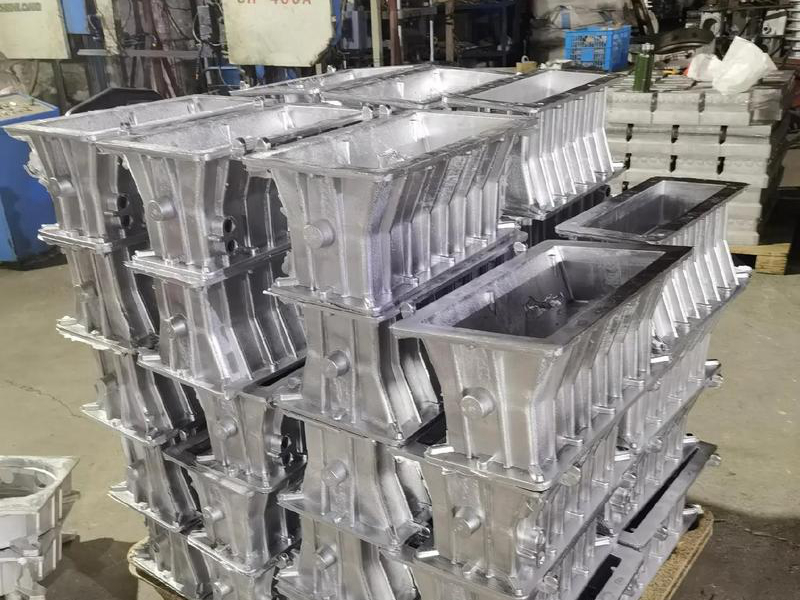
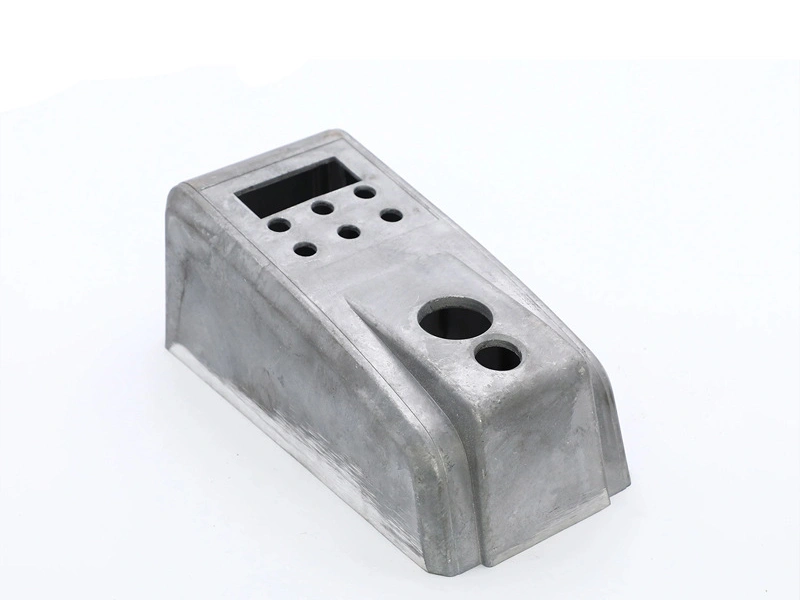
Custom sand casting is often used for pump bodies, valve bodies, machinery brackets, covers, housings, gear cases, impellers, large frames, hydraulic components and industrial equipment parts. These parts may need A356-T6 aluminum, 319 aluminum, ductile iron 65-45-12, gray iron, bronze, cast steel or stainless steel. The best production route depends on part size, geometry, load, corrosion environment, machining scope and required inspection evidence.
For deeper route planning, buyers can compare small-batch sand casting economics, sand casting for complex geometries, material choice in sand casting, accuracy after sand casting post-processing, low-volume sand casting materials and post-CNC machining for castings before approving a finished-part route.
What Buyers Should Confirm Before Ordering Custom Sand Castings
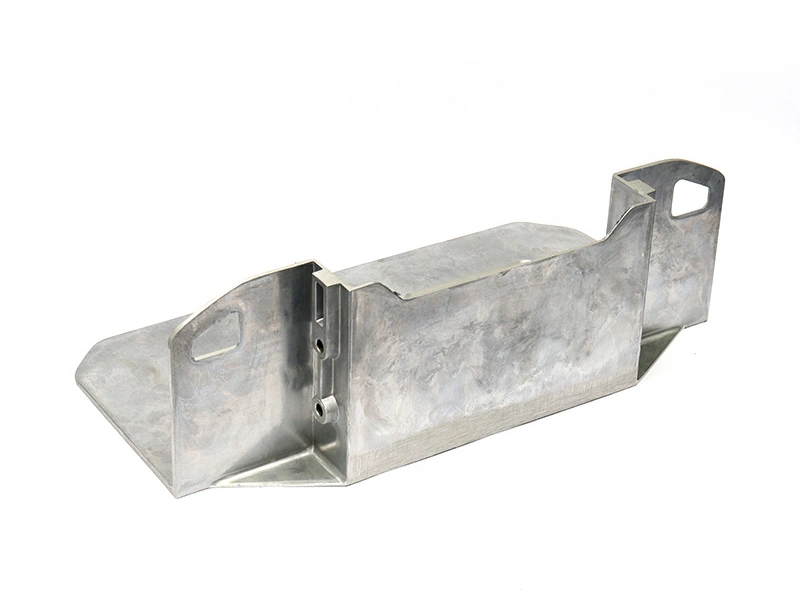
Before ordering custom sand castings, buyers should confirm the part function, material grade, quantity, tolerance requirements, machined surfaces, internal passages, surface finish standard, inspection needs and expected production stage. Without these details, the quote may describe only a rough casting while the buyer actually needs a finished component ready for assembly.
The first question is whether the drawing is truly ready for casting review. Sharp internal corners, no draft, unclear wall thickness, heavy bosses beside thin walls, unsupported internal features or unrealistic casting tolerances can create problems. A capable supplier should identify these issues before pattern work starts, because changes after pattern approval can create delay and rework.
The second question is whether the buyer needs a raw casting, a machined casting or a fully finished part. Many custom sand castings need machining on holes, threads, bearing seats, mounting pads, sealing faces and datum surfaces. If these areas are not marked in the RFQ, the supplier may leave too little stock or quote too little machining work.
Buyer Confirmation | Why It Matters | Output Needed |
|---|---|---|
Application and load | Controls material, wall thickness, ribs and inspection level | Functional requirement notes |
Material grade | Changes casting behavior, heat treatment, machining and cost | Material callout or approved alternatives |
Critical dimensions | Separates as-cast geometry from machined features | 2D drawing with tolerances and datums |
Internal geometry | Defines core design, core support and inspection risk | Section view or clear 3D model |
Surface finish | Affects blasting, painting, coating, masking and cosmetic acceptance | Finish requirement and visible surface notes |
Inspection level | Defines dimensional reports, material records, leak tests or CMM checks | Inspection checklist or approval standard |
How Material Selection Changes Custom Sand Casting Projects
Material selection changes custom sand casting projects because the chosen alloy affects strength, weight, corrosion resistance, wear behavior, castability, machining, heat treatment and finishing. A custom casting supplier should not treat aluminum, iron, steel and bronze as interchangeable options. Each material direction changes the risk profile of the project.
For lightweight structural parts, A356-T6 aluminum may be considered when heat-treated strength and weight reduction matter. For general aluminum cast components, 319 aluminum may be reviewed for castability and machinability. For machinery brackets, housings or load-bearing parts, ductile iron 65-45-12 can provide strength and toughness. For vibration damping or machine bases, gray iron may fit better. For corrosion-sensitive process parts, 304 stainless steel or bronze alloys may be considered, but cost and machining difficulty must be reviewed.
The buyer should also consider the next process. Some materials machine cleanly but cost more. Some cast well but require more finishing. Some provide better corrosion resistance but create longer lead time. A practical material decision should compare performance and manufacturability together.
Material Direction | Common Custom Casting Use | Buyer Decision Point |
|---|---|---|
A356-T6 aluminum | Lightweight housings, brackets and structural cast parts | Confirm heat treatment, strength and machining distortion risk |
319 aluminum | General aluminum sand castings requiring castability | Confirm strength, machining and finish expectation |
Ductile iron 65-45-12 | Industrial brackets, housings and load-bearing components | Confirm weight, toughness and coating needs |
Gray iron | Machine bases, covers and vibration-related parts | Confirm brittleness risk and surface protection |
304 stainless steel | Corrosion-resistant fluid or process components | Confirm casting cost, machining time and inspection level |
Bronze alloys | Wear parts, bushings and marine-related components | Confirm material cost and mating surface requirements |
Why Pattern and Core Planning Control Custom Sand Casting Quality
Pattern and core planning control whether custom sand castings can be repeated reliably. The pattern defines the outside shape, shrinkage compensation, draft, parting line and machining stock. Cores define internal cavities, ports, channels and hollow features. If the part has deep passages, undercuts, internal ribs or fluid flow areas, core design becomes one of the most important quality factors.
Buyers should ask how the supplier plans to handle the parting line, core support and riser removal. A poor parting line may place flash across a cosmetic or sealing surface. Weak core support may cause internal passage shift. Riser removal may leave cleanup marks in the wrong area. These are not small details; they can affect machining, assembly, leakage and appearance.
Draft and radius should also be reviewed before pattern work. External surfaces often need about 1 to 3 degrees of draft, while deeper internal features may need more. Sharp corners should be replaced with appropriate radii where possible because they can create stress concentration, poor metal flow and local defect risk. If a buyer cannot change a sharp feature, the supplier should at least identify it as a risk.
Pattern or Core Item | Engineering Question | Buyer Risk if Ignored |
|---|---|---|
Parting line | Can flash and mismatch be kept away from sealing, datum and visible surfaces? | Extra grinding, cosmetic rejection or machining instability |
Core print and support | Can the core stay fixed while metal fills the mold? | Shifted passages, uneven wall thickness or blocked internal features |
Riser location | Can feeding support heavy sections without damaging key surfaces? | Shrinkage defects or cleanup marks in functional areas |
Draft angle | Can the pattern release without dragging the mold? | Dimensional variation, rough surfaces or mold damage |
Machining stock | Is there enough material for final holes, pads, bores and faces? | Scrap, welding repair or extra pattern modification |
A good supplier should explain these choices in practical manufacturing language. Buyers do not need to approve every foundry detail, but they should understand whether the design has a stable route. This is especially important for parts with internal oil passages, water jackets, pressure cavities, deep pockets or multiple machined datums. In those cases, the pattern and core plan can decide whether the finished casting is reliable or only visually similar to the drawing.
Which Features Need CNC Machining After Custom Sand Casting?
Custom sand castings often need CNC machining after casting because sand casting creates near-net shapes, not final precision on every functional feature. The goal is not to machine the whole part. The goal is to machine only the surfaces that control assembly, sealing, fastening, movement or inspection.
Common machined features include threaded holes, mounting holes, bearing bores, sealing faces, flat datum pads, gasket surfaces, locating bosses and precision mating areas. Non-functional ribs, hidden surfaces and general outside contours can often remain as-cast after cleanup or blasting. This separation is one of the main ways buyers control cost without weakening function.
Feature | Why It Often Needs Machining | Buyer Benefit |
|---|---|---|
Threaded holes | Threads require controlled pitch, depth and cleanliness | Reliable fastening and assembly |
Mounting pads | Flatness and height may affect installation | Stable fit with mating equipment |
Bearing bores | Diameter, roundness and alignment are functional | Controlled movement and reduced wear |
Sealing faces | Surface roughness and flatness affect leakage risk | Improved pressure or fluid control |
Datum surfaces | Datums guide machining and inspection | Repeatable dimensional control |
Locating bosses | Assembly position depends on controlled geometry | Reduced fit disputes and rework |
Machining allowance should be planned early. Aluminum sand castings may often discuss about 1 to 3 mm of machining stock on key areas. Iron or steel castings may require about 2 to 5 mm depending on part size and casting variation. The final allowance should be confirmed by the supplier based on drawing, pattern method and inspection requirement.
How Surface Finish and Inspection Should Be Defined
Surface finish should be defined before custom sand castings are quoted. Sand cast surfaces have a natural texture, and the buyer may need shot blasting, sand blasting, painting, powder coating, machining, polishing or protective coating depending on the application. If visible surfaces are not marked, the supplier may place gates, riser cleanup or parting lines where the buyer expects a clean appearance.
Inspection should match the part function. A decorative cover may need visual standards, coating checks and key dimensions. A pump body may need leak testing, machined sealing face inspection and internal passage review. A load-bearing bracket may need material records, hardness checks or dimensional inspection on mounting features. Over-inspection increases cost, but under-inspection can make the casting useless for approval.
For repeat production, the inspection method should be repeatable. If the first batch is accepted by informal visual review, the next batch may create disputes. Buyers should define inspection points, acceptable defect standards and report format before the order begins.
Part Requirement | Recommended Check | Reason |
|---|---|---|
Pressure or fluid service | Leak test, sealing face inspection and internal passage review | Prevents hidden porosity or sealing failure from reaching assembly |
Load-bearing bracket | Material record, critical dimension report and machined pad inspection | Confirms strength direction and assembly fit |
Visible housing | Surface standard, coating sample and cosmetic defect limit | Reduces disputes about texture, pits, repair marks and color |
Machined assembly part | CMM or dimensional report for datums, bores and hole patterns | Confirms that machining recovered the functional geometry |
Repeat order part | Inspection checklist and revision-controlled drawing | Keeps later batches consistent with the approved sample |
Surface finishing should also be linked to inspection. A blasted part may hide minor sand texture differences, while paint or powder coating can reveal pits, repairs, sharp edges or poor cleaning. If the part has threaded holes, sealing faces or bearing seats, masking should be defined before coating. A finished custom casting should be protected during packing so machined edges and coated surfaces do not arrive damaged.
How Buyers Should Prepare a Custom Sand Casting RFQ
A strong RFQ for custom sand castings should include STEP or X_T files, a PDF drawing, material grade, quantity, expected annual volume, critical dimensions, machined areas, surface finish, inspection requirements, application notes and delivery target. If the part must be supplied as a finished component, the RFQ should say so clearly.
Buyers should also explain whether the project is a one-time replacement part, a prototype-to-production project, a low-volume supply project or a repeat production program. The supplier may choose different pattern, inspection and machining strategies for each situation. For repeat production, the supplier should also consider pattern durability, fixture control, process records and packaging protection.
If the project is a one-time replacement part, reverse engineering and dimensional confirmation may matter more than long-term pattern durability. If the project is a low-volume supply program, the buyer should ask how the pattern, machining fixture and inspection records will be maintained. If the project may move into higher quantity later, the first sand casting order should capture lessons that can support a more stable production route. The commercial value of custom sand castings comes from this ability to bridge complex geometry, material choice and practical production quantities.
RFQ Item | What to Send | Why It Matters |
|---|---|---|
3D model | STEP, X_T or IGS file | Allows geometry, wall thickness and core review |
2D drawing | PDF with tolerances, datums and finish notes | Defines manufacturing and inspection requirements |
Material grade | Required alloy or approved alternatives | Controls casting route, cost and performance |
Machined features | Marked holes, faces, bores and datum pads | Prevents missing machining stock and underquoted CNC work |
Finish standard | As-cast, blasted, painted, coated or machined | Controls surface acceptance and packaging protection |
Production plan | Prototype, small batch or repeat order expectation | Guides pattern investment and inspection depth |
Neway supports custom sand castings that require engineering review, material selection, pattern and core planning, casting production, CNC post-machining, surface finishing and inspection. Buyers can use this route when they need custom metal parts that are practical to manufacture, not just a casting shape without production control.
Practical Example: Custom Sand Cast Machinery Bracket
A buyer may need a ductile iron machinery bracket with two machined mounting pads, four threaded holes and a thick ribbed body. If the part is quoted only as a raw casting, the supplier may ignore datum strategy and machining stock. A stronger plan reviews the load direction, places the parting line away from mounting pads, leaves enough stock on the machined faces and confirms whether the ribs create hot spots or shrinkage risk.
After casting, the bracket should be cleaned, machined from stable references, inspected for hole position and checked against the mating equipment. If the first batch shows that one pad needs extra allowance or a rib transition needs a larger radius, the drawing and pattern should be revised before repeat orders. This is how custom sand castings become a controlled manufacturing route instead of a one-time foundry attempt.
For buyers, the practical conclusion is simple: ask for a manufacturing plan, not only a casting price. The plan should show how the supplier will control material, pattern, core, machining, finishing and inspection so the final parts can be used in the real assembly.
Buyers should also keep version control disciplined. The approved drawing, material, pattern condition, machining notes, inspection checklist and finish sample should all match the same revision. If the drawing changes after the first batch, the supplier should confirm whether the pattern, core box, machining fixture or inspection report also needs an update. This prevents repeat orders from drifting away from the accepted part.
That discipline is what turns a custom casting project into a stable supply route rather than a series of disconnected sample orders.
For complex industrial parts, this record also helps purchasing teams compare suppliers on manufacturing control, not only on the lowest quoted casting price.
FAQ