From Iron to Hard Metal Sand Casting: Unmatched Material Choice
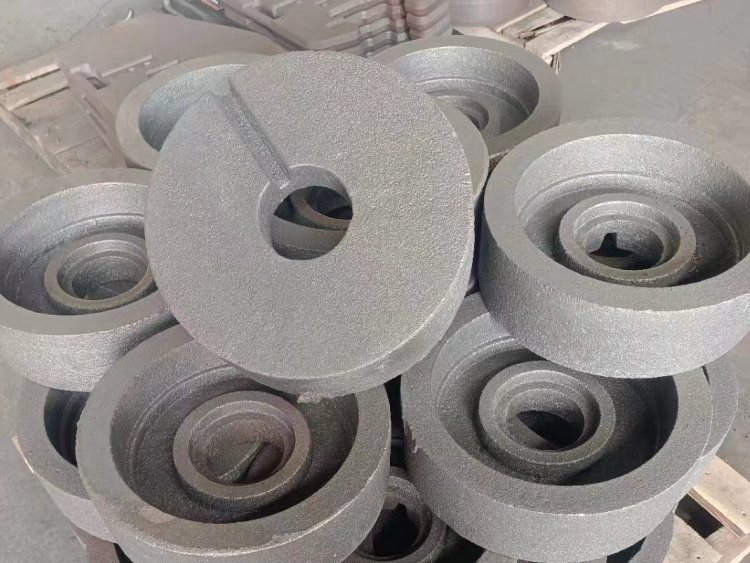
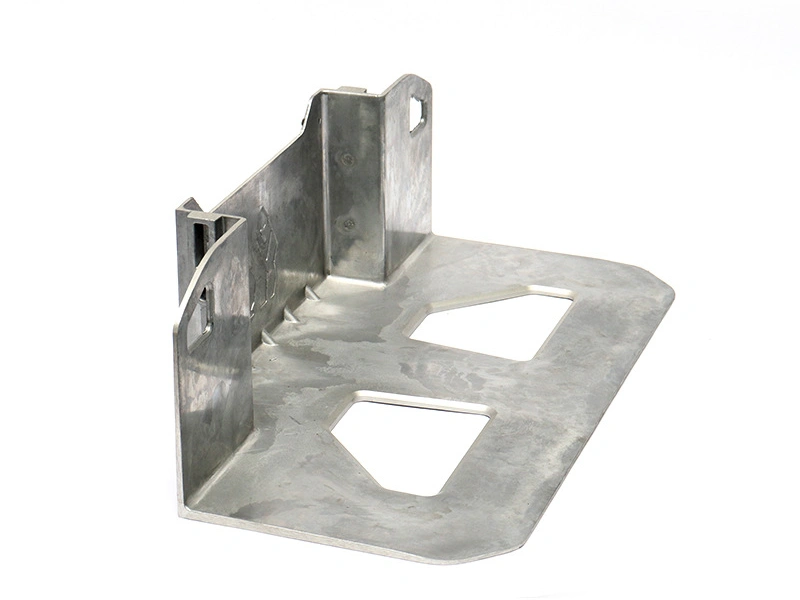
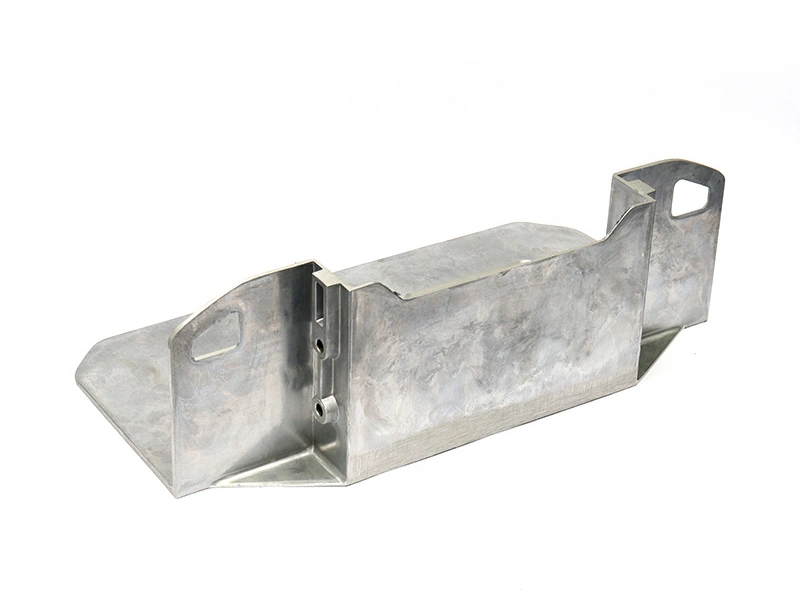
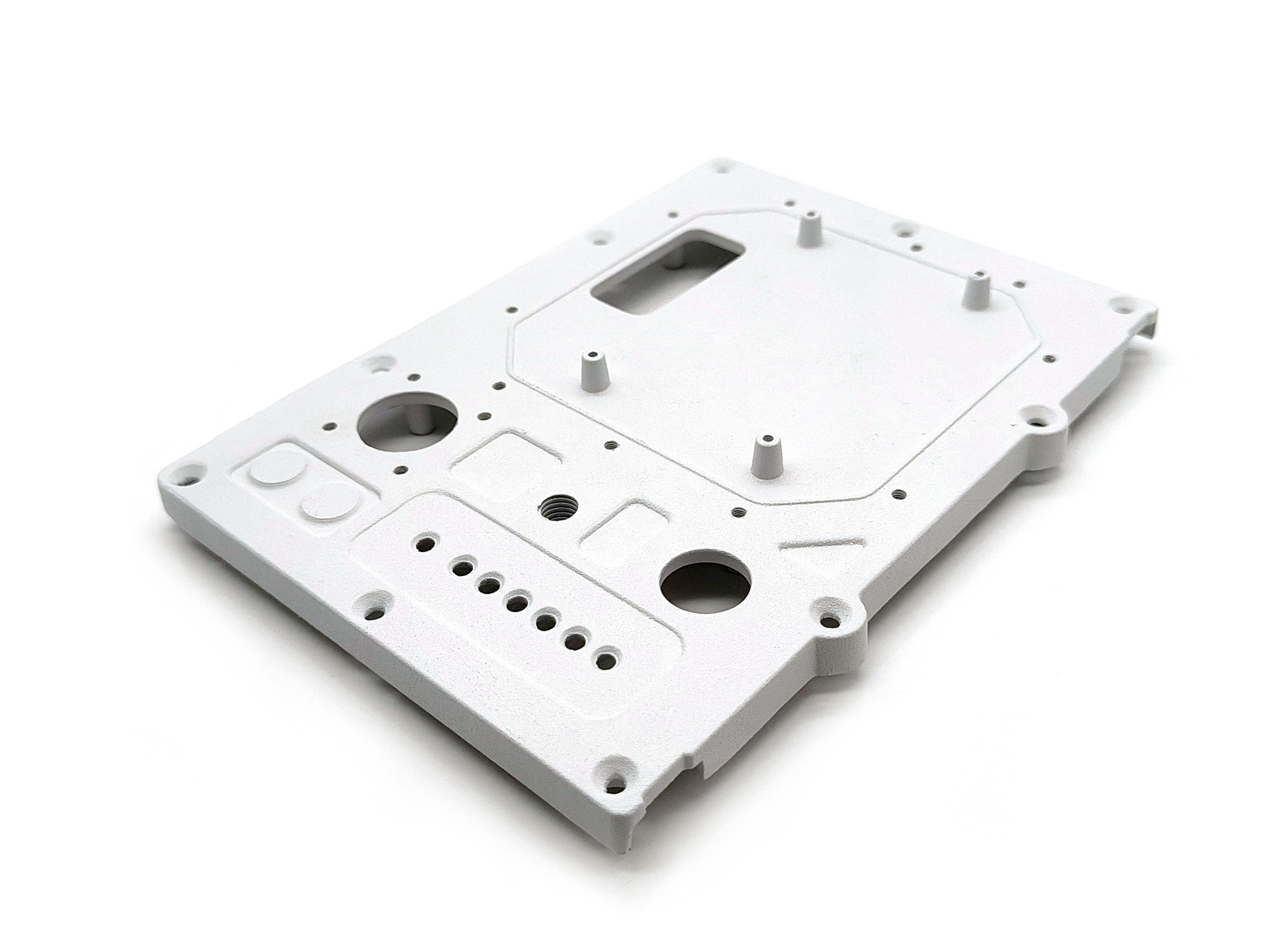
Sand casting can process a broad range of ferrous and nonferrous alloys because the disposable mold can be formulated for different pouring temperatures and is not a reusable steel die that must survive repeated contact. Common candidates include gray and ductile irons, cast steels, aluminum foundry alloys, brasses and bronzes. Some magnesium, zinc and higher-alloy grades may also be sand cast by qualified foundries. That range is broad, not unlimited.
The correct choice is an exact casting grade and material condition that meet service requirements and fit the supplier's melt, mold, core, heat-treatment, machining and inspection route. "Iron," "hard metal" or "copper alloy" is not a purchasable engineering definition. Chemistry, properties and evidence must be tied to a recognized specification, the casting geometry and the state in which the part will be tested or delivered.
Why Sand Molds Support a Broad Alloy Window
A sand mold is consumed after a pour, so tooling life at the metal-contact temperature is less restrictive than in permanent-mold or high-pressure die casting. The foundry can vary sand, binder, facing material, coating, mold strength, venting and handling for the alloy and casting. Large mold envelopes and sand cores also make the route useful when available stock or another casting machine constrains part size.
Those advantages do not mean one sand system accepts every metal. High pouring temperature can cause burn-on, penetration, reactions, gas or mold damage. Some alloys oxidize readily or dissolve gas. Others contract strongly, tear while hot or demand controlled atmosphere and charge practice. The selected sand casting process must be qualified as a metal-mold-core system.
Separate Alloy Family from Exact Grade
An alloy family screens broad functions: density, stiffness, conductivity, damping, wear, corrosion, temperature and cost. Exact grade controls chemistry and narrows expected behavior. Material condition then covers heat treatment, matrix, hardness or other processing state. A drawing that names only a family leaves too much open for a defensible quote or test.
Standards may define chemistry, mechanical properties, test locations and permissible repair differently. Cite the required edition and grade. If the project uses a buyer specification, supply it with the RFQ. The foundry should identify any conflict between required properties and the section, sample method or heat-treatment route before accepting the order.
Do Not Confuse Hardness with Castability
"Hard metal" can mean a high-hardness alloy, a hardenable steel, a wear-resistant iron, a high-melting metal or even cemented carbide. These are not equivalent casting categories. Hardness may be developed after casting through alloying and heat treatment; the liquid-metal and solidification problems occur before that final hardness exists. Cemented carbides and refractory metals generally use manufacturing routes other than conventional sand casting.
Ask what property is actually required: abrasion resistance, hot hardness, compressive strength, toughness, creep resistance or surface hardness. A bulk material can be selected for toughness and then locally hardened or overlaid if the specification allows. This may be more castable and repairable than demanding maximum hardness throughout a large complex body.
Screen the Major Alloy Families
| Alloy family | Reasons to consider it | Foundry concerns | Evidence to define |
|---|---|---|---|
| Gray or ductile iron | Damping, castability, wear/compressive service or strength-ductility options | Section response, treatment, carbides, shrinkage and matrix | Grade, chemistry, microstructure/property sampling and hardness |
| Cast steel | Toughness, strength, weldability or temperature-specific grades | High pouring temperature, oxidation, contraction, feeding and heat treatment | Grade, heat, heat treatment, mechanical tests and examination |
| Aluminum foundry alloy | Low density, machinability, thermal behavior and selected corrosion needs | Oxide films, hydrogen, shrinkage, section and heat-treatment distortion | Exact casting grade, temper/condition, chemistry and relevant tests |
| Brass or bronze | Wear, bearing, conductivity or environment-specific corrosion behavior | Composition control, fume/oxidation, feeding and restricted elements | Exact grade, chemistry, environment and pressure/wear test if applicable |
| Zinc or magnesium casting alloy | Special density, bearing or prototype requirements | Foundry availability, oxidation, process economics and grade suitability | Route-specific grade proposal and handling/test controls |
Gray and Ductile Irons
Gray iron is often evaluated for machine bases, housings and brake or wear-related parts where damping, compressive behavior and machinability matter. Ductile iron uses controlled magnesium treatment and inoculation to produce nodular graphite and a different strength-ductility balance. Neither label alone establishes a grade or final matrix.
Section thickness and cooling rate can change graphite, carbide tendency, hardness and properties. Thin edges may behave differently from heavy hubs. The supplier should review casting modulus, feeding and inoculation/treatment practice. Specify whether separately cast samples, attached coupons or test material defined by the governing standard provides the required evidence.
Cast Steels and Wear-Resistant Grades
Cast carbon, low-alloy, stainless and heat-resistant steels can be candidates when the applicable grade supplies toughness, strength, corrosion or elevated-temperature behavior. Steel's high pouring temperature and contraction impose more demanding refractory, gating, risering, cleaning and heat-treatment work than many iron or aluminum castings. Foundry experience with the exact family matters.
Wear-resistant irons and hardenable steels can achieve high hardness, but hardness without toughness can produce cracking or service failure. Machining may need to occur before final hardening, or selected surfaces may require different treatment. Define permitted heat treatment, hardness zones, impact/toughness needs, repair welding and post-repair examination before choosing the nominally hardest option.
Aluminum Foundry Alloys
Aluminum casting grades suit many weight-sensitive, thermally active and machinable parts. A356-type foundry alloys may be considered when their specified condition and supplier practice match the application. Selection still depends on section, melt treatment, oxide/hydrogen control, feeding, heat treatment and mechanical evidence. "Aluminum" does not automatically mean corrosion proof or pressure tight.
Do not transfer A360, A380, A413 or another familiar die-casting designation into a sand-casting RFQ without a route-specific basis. Some chemistries may be pourable by a particular foundry, yet availability, properties and solidification may not match the intended use. Use a recognized sand-casting grade or a fully defined chemistry/property specification.
Brasses, Bronzes, Zinc and Magnesium
Brass and bronze casting grades cover markedly different combinations of conductivity, bearing behavior, wear and corrosion resistance. Aluminum bronze, tin bronze, leaded bronze and brass are not interchangeable. Service media, galvanic contacts, velocity, temperature, restricted elements and joining can control the grade. Pressure performance must be verified by an agreed part test, not inferred from family reputation.
Zinc alloys are commonly associated with pressure die casting, and sand casting is not automatically their best route. A foundry may propose a suitable zinc grade for a particular bearing or low-quantity part, but process availability and economics need confirmation. Magnesium casting requires disciplined oxidation/fire control and a qualified facility. Procurement should not assume that broad sand-mold compatibility means every local supplier handles these metals.
Couple Material to Geometry and Final Processing
Fluidity, Feeding and Hot Tearing
Thin remote sections demand a credible fill path, while heavy junctions demand liquid-metal feeding. Complex parts often contain both. Alloy fluidity is only one variable; pouring temperature, oxide formation, gating, mold permeability and heat loss also matter. A more fluid alloy does not fix an isolated hot spot or an eroding core.
Contraction and hot strength affect riser design and cracking risk. Gradual transitions and practical radii may improve the casting more than a grade change. Simulation can compare concepts when inputs are reliable, but first-pour inspection at predicted risk locations remains necessary.
Heat Treatment Changes Properties and Shape
Heat treatment may develop a specified aluminum condition, steel microstructure or iron matrix, relieve stress or normalize machinability. It can also distort an asymmetric casting or expose cracking. State the required condition on the drawing and quote external heat-treatment transport, fixtures, batch traceability and testing when applicable.
Do not treat heat treatment as a universal improvement. The cycle must be appropriate to the exact grade and service requirement. Some properties conflict, and repeated thermal exposure can alter dimensions or microstructure. Validate the condition with the tests required by the material specification and product risk.
Machining, Joining and Surface Condition
Near-net casting still requires machining on precision bores, seals, datums or threads. Alloy condition, hardness, inclusions, interrupted surfaces and stock variation affect tool wear and setup. Plan operations around heat treatment and local hardening. The explanation of why cast parts need machining should be converted into feature-specific allowance and inspection requirements.
If welding, brazing, impregnation, coating or repair is expected, verify compatibility and qualification. Castability alone does not establish weldability or finish adhesion. Mark repair restrictions, no-weld zones, surface preparation, masking and final acceptance. Compare material routes at the same delivered condition.
Validate Prototypes Without Overclaiming Production Behavior
Use the intended grade when the prototype test depends on density, stiffness, thermal response, corrosion, wear, temperature strength, joining or failure load. A substitute may answer envelope or fixture questions if its limitations are recorded. The overview of prototype sand-casting materials helps frame this decision, but the test plan must state what the sample proves.
The same nominal grade does not make a sand-cast prototype equivalent to a future die-cast, permanent-mold, forged or wrought part. Cooling rate, section, melt treatment, heat treatment and discontinuities change the material state. Transfer product requirements and learning about interfaces, then repeat process-specific DFM and qualification.
Make Test Material Representative of the Risk
A test sample is useful only when its relationship to the casting is understood. Separately cast bars may be required by a material standard and can support melt or heat acceptance, yet they often cool under different conditions from a thin cored wall or heavy junction. Attached coupons may better follow one local thermal history but are constrained by placement and removal. Specimens cut from a sacrificial casting or representative section provide direct evidence at the cost of a usable part.
Choose the sample source from the property and failure location. Chemistry can be controlled at melt level under an agreed method. Local hardness or microstructure may need measurements on the casting. A load-bearing junction may justify section-based mechanical or internal-quality evidence. Record sample identity, orientation, heat treatment and extraction location so results cannot be detached from the material state they represent.
High-Temperature Tests Need a Defined Duty Cycle
Reliability at elevated temperature depends on metal temperature, exposure duration, cycles, load, atmosphere, oxidation or corrosion, thermal gradients and constraints. Room-temperature tensile strength does not answer creep, stress rupture, thermal fatigue or scaling behavior. Specify the complete duty and the relevant material data or test method.
A high-temperature prototype also needs representative casting quality and final heat treatment. Internal discontinuities, coarse local sections, residual stress or machining marks may change test results. Record thermocouple locations, load, environment, cycles and failure criteria. A successful short bench test should not become an unsupported service-life claim.
Qualify the Foundry and Material Evidence
Ask which exact grades the supplier routinely melts, furnace and charge controls, segregation between alloy families, mold/core system, heat-treatment resources, machining condition and laboratory access. A foundry capable of aluminum is not thereby qualified for ductile iron treatment, stainless steel, aluminum bronze or magnesium. Review demonstrated route capability without requesting confidential customer examples as proof.
Define material identity and traceability appropriate to risk: melt or heat reference, chemistry, heat-treatment batch, hardness, microstructure or mechanical tests, and casting revision. Separately cast coupons can support a specification but may not reproduce a thick junction or cored wall. Use representative section or part testing where local behavior governs.
Control Material Changes After Release
Material change control includes more than the grade name. A revised chemistry range, charge source, inoculation or melt-treatment practice, heat-treatment subcontractor, specimen route or repair procedure can alter accepted evidence. Define which changes require buyer notification, requalification or only traveler revision. This is particularly important when a prototype order becomes repeat low-volume supply.
Do not approve a substitute solely because two specifications are described as equivalent. Compare chemistry, condition, minimum properties, test location, permissible repair and application restrictions. The review of materials for low-volume sand casting should include availability without allowing supply pressure to erase the drawing's functional basis.
Choose Inspection from Material Failure Modes
Visual and dimensional inspection does not establish chemistry or internal soundness. Spectrometric or laboratory analysis, hardness, metallography, tensile/impact tests, radiography, ultrasonic testing, penetrant or magnetic-particle examination each answer different questions. Material, thickness, geometry and surface condition limit method sensitivity.
For a pressure boundary, define leak or proof conditions. For a wear part, define hardness location and, where needed, microstructure or wear testing. For a thermally loaded part, define condition and exposure. Inspection should support the specified failure mode rather than produce an undirected stack of reports.
Set a First-Batch Material Release Gate
Before full machining or repeat pouring, review first-batch chemistry, material condition and any risk-driven rough-casting examination. Hold later value-adding work if the grade, heat-treatment state or representative section is already nonconforming. This prevents a finished dimensional report from obscuring a material failure that existed before machining.
Define who can disposition a chemistry deviation, failed coupon, hardness variation or local discontinuity. A prototype-only acceptance should state which planned tests remain valid and must not silently become production approval. If the team repours after changing charge, treatment, feeding or heat treatment, issue a new process revision and repeat the evidence affected by that change. The checklist for prototype casting approval can anchor this gate.
Qualify Supply Continuity, Not Only a Single Melt
A successful trial does not prove that the grade is practical at the required cadence. Ask about minimum furnace charge, segregation from other alloys, certified charge availability, heat-treatment batch size, laboratory schedule and backup resources. Specialist grades may create inventory or long replenishment exposure even when the casting itself is technically sound.
For recurring demand, compare dedicated versus shared melts, planned lot size, shelf or storage needs for patterns and records, and what happens when the approved charge source changes. Procurement should include these constraints in accepted-part economics. Material flexibility is valuable only when the controlled route can be repeated without unauthorized substitution or unpredictable evidence gaps.
RFQ and Commercial Comparison
Send exact grade/specification and condition, CAD and drawing, section map, quantity, annual demand, service load/environment/temperature, critical passages, machining, joining, heat treatment, finish, repair rules, material tests, inspection and documentation. Ask the supplier to return the proposed melt/mold route, material deviations, sampling, external operations, first-pour evidence and final delivered condition. Use the custom sand-casting quote inputs to expose assumptions.
Normalize quotes for accepted parts. Include metal yield, minimum melt or batch implications, mold/core work, heat treatment, machining, inspection, destructive specimens, reports, repair/repour terms and freight. A lower raw metal price can be outweighed by poor yield, difficult machining or special testing. The casting material shortlist should be released only after technical and commercial conditions agree.
Engineering Conclusion
Sand casting offers broad material choice, from cast irons and steels to aluminum and copper-based foundry alloys, because its disposable mold can be adapted to varied thermal and chemical demands. Its value is not unlimited freedom. Exact grade, geometry, foundry route, material condition and evidence determine whether a part is feasible and fit for duty. Define the required property, qualify the supplier's complete metal-mold process, and verify the casting in the condition that matters.
FAQs