Which metals are most suitable for sand casting?
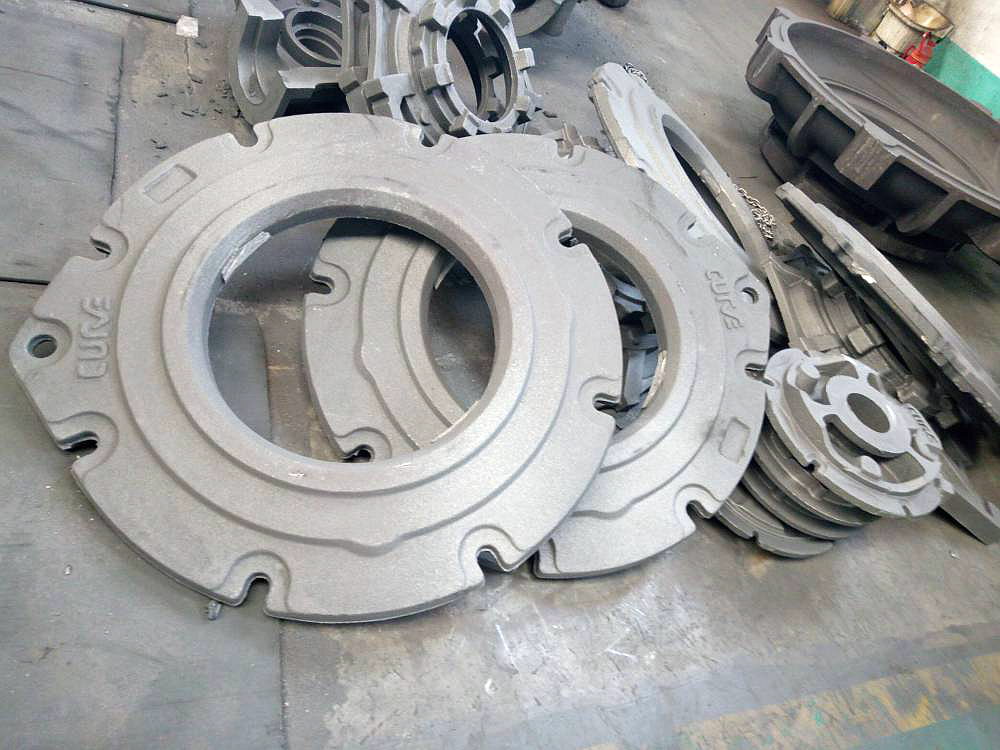
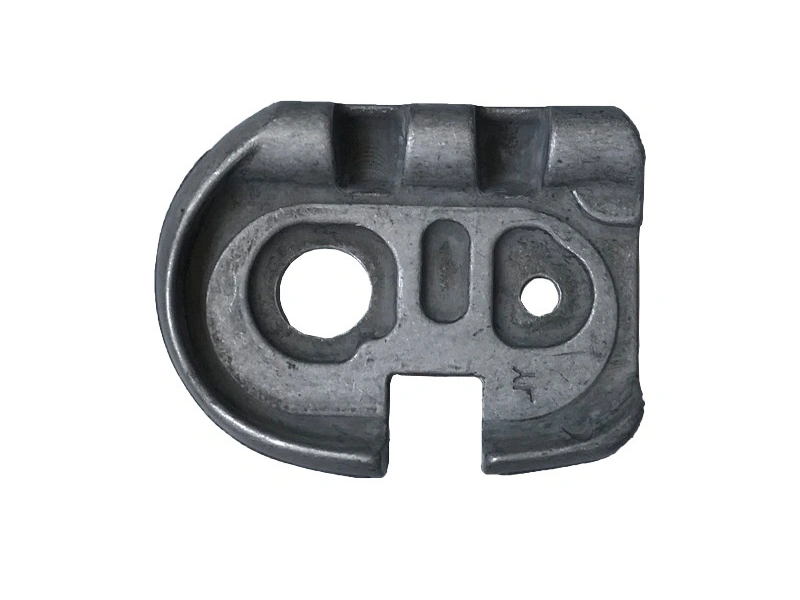
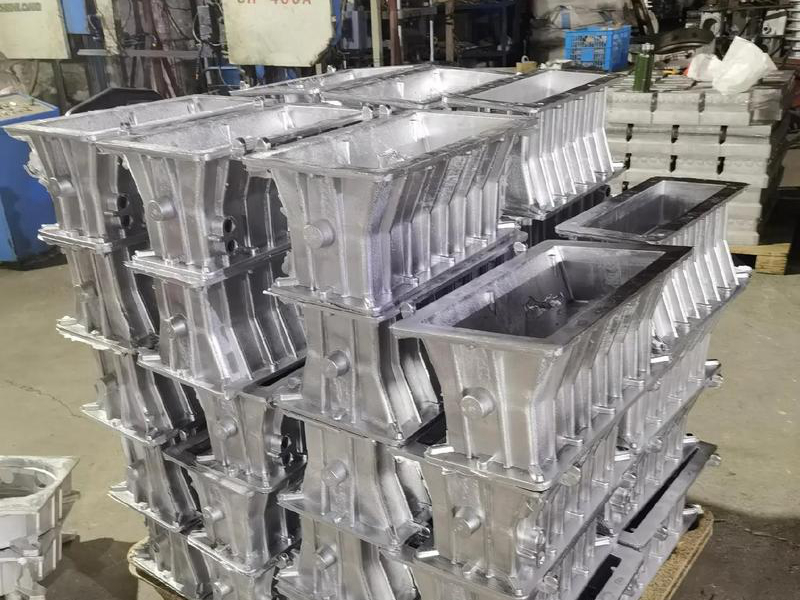
The metals most commonly suitable for sand casting are gray and ductile irons, cast steels, aluminum foundry alloys, brasses and bronzes. These families cover many structural, thermal, wear, damping and corrosion requirements. Some zinc, magnesium and higher-alloy materials can also be sand cast, but their suitability is foundry- and project-specific. Buyers should select an exact casting grade and condition from service duty, geometry, melt availability, heat treatment, machining and required evidence.
Common Does Not Mean Interchangeable
Sand casting accommodates varied pouring temperatures because the mold is disposable and its sand, binder, coating and strength can be adjusted. It does not erase alloy-specific behavior. Oxidation, gas absorption, fluidity, contraction, hot tearing, feeding and reactions with mold or core material change from one grade to another.
Start with the product requirement, not a generic metal page. Specify load, temperature, environment, mass target, wear, conductivity, joining, machining and applicable material restrictions. Then ask a foundry that routinely processes the candidate grade to review the actual sections.
Alloy-Family Screening Table
| Family | Typical reason to shortlist | Question before release |
|---|---|---|
| Gray iron | Damping, compressive service, castability and machinability | Which grade, matrix and section response are required? |
| Ductile iron | Strength with useful ductility in a cast iron route | How are nodularity, treatment and properties verified? |
| Cast steel | Toughness, strength, weldability or grade-specific temperature duty | Can the foundry control refractory, feeding and heat treatment? |
| Aluminum foundry alloy | Low density, machinability and thermal functions | Which casting grade and material condition fit the test? |
| Brass or bronze | Wear, bearing, conductivity or environment-specific corrosion behavior | What exact composition, restrictions and service medium apply? |
Irons and Cast Steels
Gray iron may suit machine structures and housings where vibration damping, compressive behavior or machinability matters. Ductile iron offers another balance through controlled graphite nodularity and matrix. Grade, treatment, inoculation, section thickness and test method must be agreed; a generic iron callout cannot support a mechanical acceptance decision.
Cast carbon, low-alloy, stainless and heat-resistant steels can be sand cast by foundries equipped for the exact family. Their high pouring temperature and contraction demand suitable refractory practice, mold/core control, feeding, cleaning and heat treatment. Steel is feasible, but it is not a simple material substitution for iron or aluminum.
Aluminum Foundry Alloys
Aluminum casting grades are widely considered for lightweight housings, brackets and thermal parts. A356-type foundry alloys may be candidates, provided exact specification, condition and evidence match the application. Local section, oxide and hydrogen control, feeding and heat treatment influence the result.
A360, A380 and A413 are familiar in high-pressure die casting, but familiarity does not make them default sand-casting recommendations. If a supplier proposes one of these chemistries for a sand route, require a project-specific basis for availability, castability, properties and testing. Prefer a recognized sand-cast designation or fully defined buyer requirement.
Brasses and Bronzes
Brass and bronze casting grades can provide combinations of conductivity, bearing behavior, wear and corrosion resistance. Aluminum bronze, tin bronze, leaded bronze and brass differ substantially. Service media, galvanic contact, velocity, temperature, restricted elements and joining determine whether a grade fits.
Do not infer pressure tightness or seawater life from the family name. Define the pressure/leak or corrosion acceptance required on the part. Confirm chemistry control and whether the foundry routinely melts the selected grade without contamination from other copper alloys.
Zinc, Magnesium and Specialist Materials
Zinc casting alloys are often better known for pressure die casting. A qualified foundry may sand cast a suitable grade for a specific low-quantity or bearing application, but process economics and final properties need confirmation. Do not assume a Zamak or ZA die-casting grade transfers automatically.
Magnesium sand casting requires a facility with appropriate oxidation and fire controls. Higher-alloy steels, nickel-bearing grades or other specialist materials may require dedicated melt, atmosphere, refractory, heat-treatment and inspection capability. "Sand castable" in general does not mean available from the supplier quoting the project.
Geometry and Processing Can Change the Answer
Thin remote features, heavy junctions, long cores and abrupt section changes may expose an alloy's fill, feeding or hot-tearing limitations. A grade that works in a simple block may need design changes in a complex housing. Review radii, transitions, gating, risering and core exposure with the foundry before freezing material.
Heat treatment can develop required properties or change machinability, but may distort the casting. Hardness and inclusions affect tool life. Coating, welding or repair require compatibility. The broader guide to common custom sand-casting materials should therefore be followed by drawing-specific DFM.
Material Release Checklist
Send exact grade or chemistry/property requirement, condition, CAD, section map, quantity, service load and environment, heat treatment, machining, joining, finish, restricted elements, test specimens and reports. Ask the casting material supplier to identify melt route, deviations, sampling, external operations and minimum batch implications.
The most suitable metal is the one whose exact grade satisfies product duty and whose complete sand-casting route can be verified. Common alloy families create a shortlist; supplier process and acceptance evidence make the final choice.