Cost-Effective Sand Casting for Small Batch Production
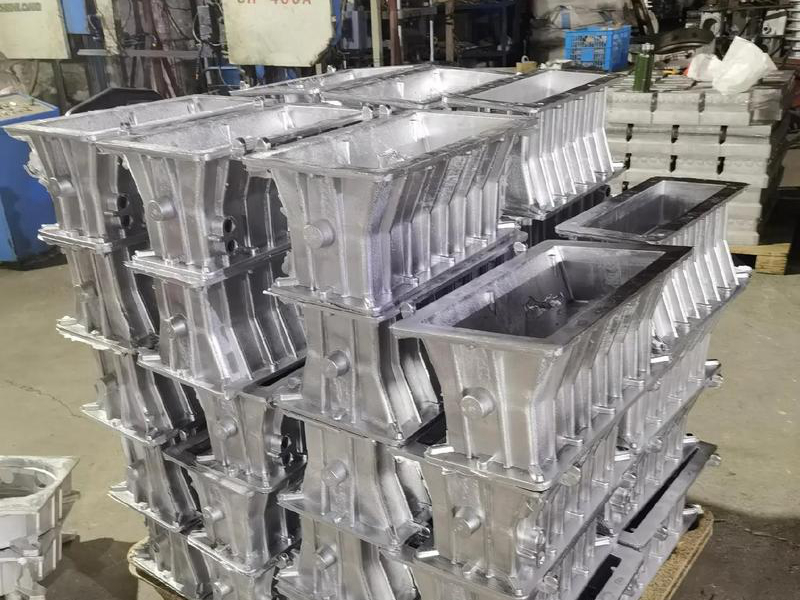
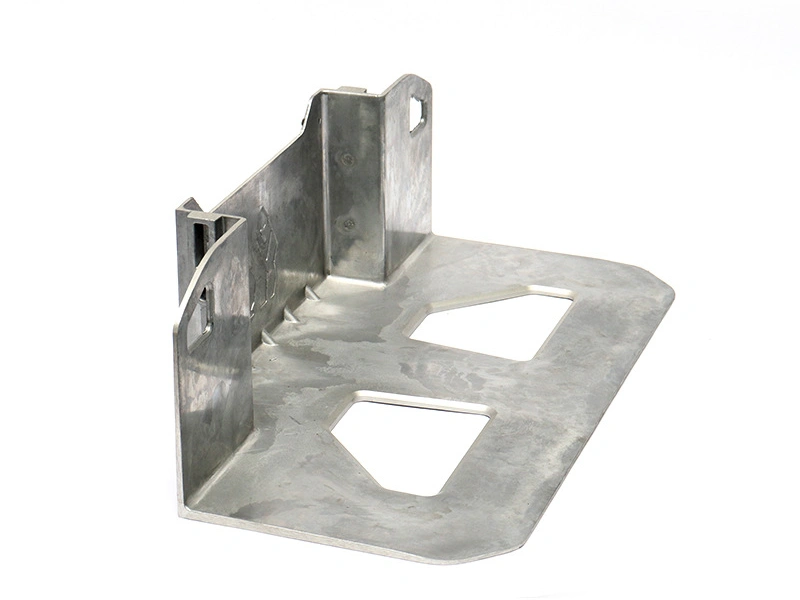
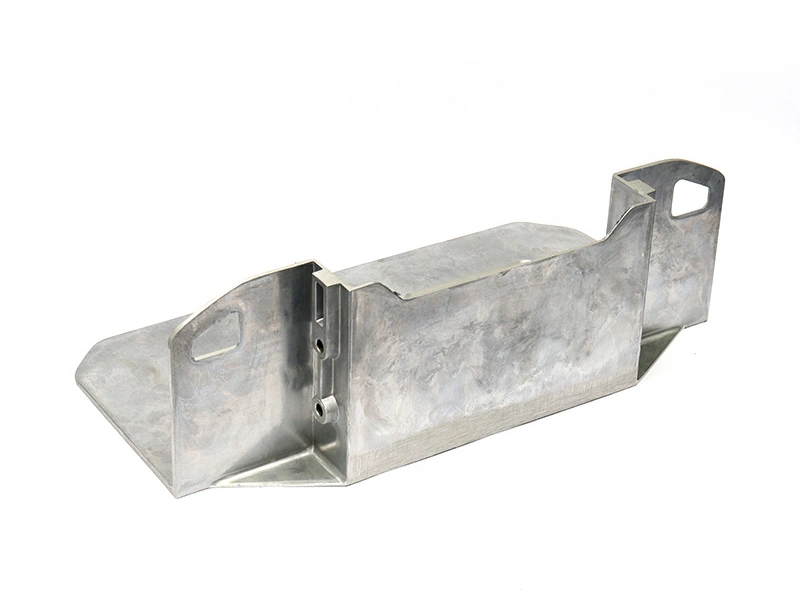
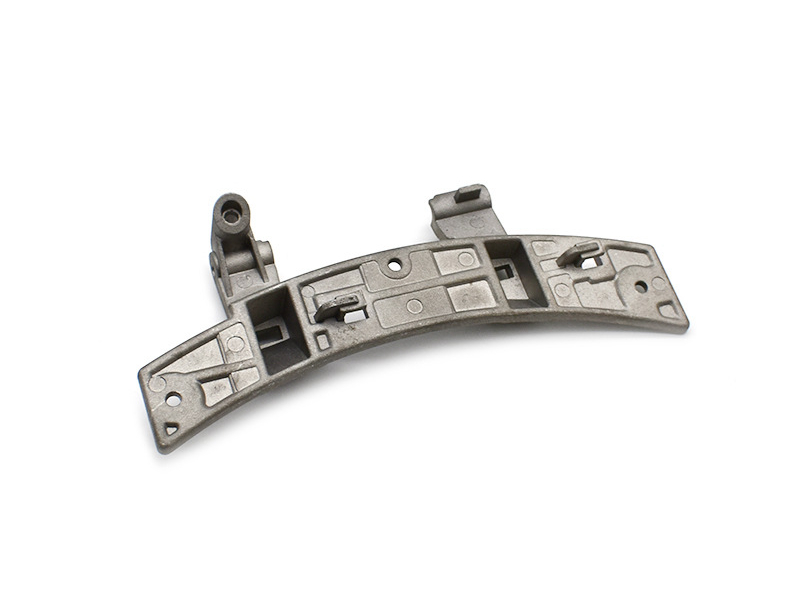
Sand casting is cost-effective for small batches when modest pattern and core investment produces useful near-net metal blanks at a lower accepted-part cost than machining, fabrication, additive manufacturing or permanent tooling. It is not automatically the cheapest route. Pattern complexity, mold labor, alloy melt size, metal yield, first-pour correction, machining, inspection and rejected pieces can outweigh low tooling cost.
The decision should use the expected lifetime demand by part number, release size, revision risk and final delivered condition. One rough casting, ten machined housings and recurring service lots have different economics. Procurement should compare quotations that include the same material condition, machining, finish, testing, reports and accepted quantity.
Define Small Batch by the Program, Not a Number
There is no universal quantity range for small-batch sand casting. A large complex steel body may be a low-volume program at a very small annual demand, while a compact simple aluminum part may justify another process sooner. Variants split demand across unique patterns and cores. Spares may recur unpredictably for years. Development hardware may change after every test.
Build at least three demand scenarios: the committed order, a likely cumulative quantity at the current revision, and an upside case if the design stabilizes. Include delivery cadence. A single annual batch can use molds, melting and machining differently from monthly releases. The low-volume manufacturing plan should state lots and forecast instead of relying on the label.
Separate Prototype Learning from Repeat Supply
A prototype pour may include extra castings for setup, destructive tests or first-pour risk. Its pattern can be disposable and its process may still change. Repeat supply needs controlled compensation, core location, gating, risering, heat treatment, machining and inspection. Do not use prototype unit cost as the production baseline until these corrections are included.
Likewise, a successful prototype does not prove repeat yield or capacity. Price the first-article phase separately from accepted repeat lots. This makes the cost of learning visible and prevents procurement from treating every later order as another development emergency.
Release Size Affects Cash and Inventory
A larger release may spread molding, melting, setup and inspection activity, yet it also commits cash and creates inventory at the current revision. A smaller release limits exposure to change but may repeatedly incur minimum melt, setup, external processing and freight charges. Compare the total program, not only the unit price at the largest quoted break.
Ask whether excess poured pieces become buyer inventory, supplier contingency stock or scrap. Define shelf-life concerns for coatings, corrosion protection and packaging, and identify storage responsibility for unfinished blanks. An apparently economical batch can become expensive when design changes strand castings, machined work in process or material reserved for later releases.
Calculate Accepted-Part Cost
| Cost element | What drives it | Question for a normalized quote |
|---|---|---|
| Pattern/core equipment | Geometry, material, life, revision and ownership | Which assets are included, reusable and maintained? |
| Mold, melt and metal | Mold labor, core count, minimum melt, casting mass and yield | What pour quantity and return-metal assumptions apply? |
| Cleaning/heat treatment | Gate/riser removal, core removal, batch and external queues | What final material condition is included? |
| Machining/finish | Stock, setups, hardness, masking and inspection | Which features and delivered surfaces are finished? |
| Quality loss and evidence | First-pour risk, accepted yield, tests and destructive samples | How are rejects, repours and reports priced? |
| Logistics/holding | Packaging, freight, inventory and release cadence | Is price compared at the same destination and lot? |
A useful program equation is total nonrecurring cost plus recurring cost for all ordered releases, divided by accepted parts that meet the stated final condition. This is a planning model, not a promise that yield or demand is known. Run sensitivity for pattern revision, first-pour rejection, material price, machining hours and cumulative quantity.
Rough casting price alone can be misleading. A low quote may omit heat treatment, cleanup, precision interfaces, leak testing or freight. Another supplier may include reports and a first-pour allowance. Normalize line items before comparing totals. The guidance on prototype sand-casting cost provides relevant categories, but the small-batch model must add repeat behavior.
Choose Pattern and Core Investment Deliberately
Disposable or Light-Duty Pattern
A printed or quickly machined pattern can reduce initial investment for a development casting or few molds. It may be sensitive to handling, temperature, moisture or repeated ramming. Ask how many molds it is intended to produce and what dimensional checks occur before reuse. Cheap tooling that degrades during the order can increase mismatch and rework.
A light-duty asset may still be the right commercial choice when the revision is unlikely to survive beyond the current test. Record ownership and retain the digital source. Do not pay for durability that has no expected use, but do not call a disposable pattern reusable without evidence.
Durable Pattern and Core Box
When geometry is stable and molds will repeat, a more durable pattern or core box can reduce mold labor and variation. Its higher nonrecurring cost must be compared with the expected cumulative quantity, storage, maintenance and revision risk. A family pattern may share gating or setup, but different part demand and balance can complicate use.
Specify pattern material, split, loose pieces, core boxes, gauges, expected service, maintenance and storage. Define what happens when wear or damage is found. Tooling ownership without usable data, drawings or condition records may provide little continuity if supply transfers.
Directly Printed Sand
Binder-jet printed molds and cores can avoid physical pattern/core-box investment and support intricate geometry or frequent revision. Each mold consumes print capacity, sand and binder, so recurring cost may remain high. Build size, queue, depowdering, transport and foundry handling can control schedule. Direct printing is a route to quote, not an automatic low-cost answer.
Compare printed sand with a rapid physical pattern at each demand scenario. Include data preparation, mold segmentation, failed prints, packaging and repeated mold count. For stable recurring parts, the crossover may favor reusable equipment; for variants or uncertain demand, digital flexibility may retain value.
Control Material, Yield and Foundry Complexity
Exact Alloy and Minimum Melt
Sand casting supports many aluminum foundry alloys, irons, steels, brasses and bronzes, but the supplier must routinely handle the exact grade. A special chemistry may require dedicated charge, furnace segregation, external heat treatment or a minimum melt much larger than the ordered casting weight. Those facts change small-batch economics.
Choose material from service duty and evidence, then request a route-specific quote. Do not substitute familiar die-casting grades merely to obtain a quick price. If a geometry-only prototype can use another grade, document which conclusions are invalid. For repeat production, stabilize approved charge and material records.
Match Melt Cadence to Release Cadence
One small customer release does not necessarily equal one economical melt. A foundry may group a routine alloy across compatible orders, hold return metal under controlled practice or require a dedicated heat for chemistry and traceability. Each route changes the relationship between ordered mass, poured mass, test material and the accepted pieces charged to the program.
For recurring releases, ask how the alloy will be available next quarter as well as today. A special purchase that enables the first batch can leave later spares exposed to a new minimum, new qualification or a long material wait. The supplier should identify the melt assumption behind each price break and state whether a rescheduled release loses its reserved furnace slot.
Accepted Yield, Not Metal Price
Gates, runners and risers add poured mass. Some return metal may be recoverable according to alloy and foundry controls, but remelting is not free and cannot erase oxidation, contamination or yield loss. Core-heavy or difficult-to-feed geometry can lower accepted yield even if raw metal price is attractive.
Ask suppliers to explain yield assumptions without demanding proprietary process detail. More importantly, define how rejected castings and repours affect price and delivery. A route with higher metal cost but better accepted yield or easier machining can produce the lower final part cost.
Design Changes That Lower Recurring Cost
Simplifying a parting line, reducing loose pieces, strengthening a fragile core, opening cleaning access or smoothing heavy-to-thin transitions can lower mold labor and defect risk. Consolidating parts may remove assembly but create harder feeding and inspection. Evaluate both directions.
Mark surfaces that can remain as cast. Avoid precision requirements on nonfunctional features. Standardize datum targets and inspection gauges across variants where geometry allows. Design savings should be supported by revised quotes or first-pour evidence rather than generic DFM claims.
Machine Only Where Function Demands It
Machining often controls small-batch cost because setup and programming are spread across few accepted parts. Machine sealing faces, bearing bores, threads and assembly datums that genuinely need precision; leave appropriate envelopes as cast. Plan machining allowance before pattern release so every casting contains enough stable stock without excessive cutting.
Rough datum targets should support the first setup. Core shift or distortion can move stock relative to external surfaces. Inspect the blank before expensive machining if a hidden wall, critical passage or cleanup condition can reject it. The guide to sand-casting tolerance and machining control should be applied feature by feature.
Quote fixtures, programming, setups, tools and dimensional reports separately where useful. Reusing a fixture across repeat lots can lower cost only if revision and datum strategy remain stable. When a drawing changes, review whether existing fixture and inspection programs are still valid before assuming sunk setup carries forward.
Compare Short-Run Routes at the Same Condition
Sand Casting Versus CNC Machining
CNC machining can be economical for simple open geometry, readily available stock and a very small material-removal burden. It establishes precision surfaces directly and may avoid casting-development risk. Cost rises with large billets, extensive removal, enclosed passages, difficult material and long machine occupancy.
Sand casting becomes attractive when near-net shape avoids substantial waste, a foundry alloy matters, cores form internal volumes or several blanks share pattern equipment. It still needs finish operations and may require first-pour correction. Request delivered-part quotes using identical material intent, tolerance, finish and inspection. The sand casting versus CNC decision should be recalculated for cumulative demand.
Sand Casting Versus Additive Manufacturing
Polymer printing can answer fit or handling questions without supplying a functional metal casting. Metal additive manufacturing can form compact internal geometry, but build volume, powder alloy, support removal, heat treatment and machining govern final cost. Printed material state is not the same as sand-cast material state.
For a bulky casting, sand may be more economical; for a compact intricate metal part with no practical core-removal path, additive manufacturing may win. A hybrid can print a pattern or sand mold and still deliver a sand casting. Normalize the process and final material condition in the quote.
Sand Casting Versus Permanent Tooling
Permanent mold or die casting may lower recurring labor and improve rate once geometry and demand justify dedicated equipment. The crossover depends on tool cost/life, accepted yield, alloy, machine capacity, machining, forecast and change risk. There is no fixed number that applies to all parts.
Set a review trigger by cumulative demand, stable revision, recurring sand-mold cost, quality performance or required rate. If production transitions, repeat process-specific DFM and qualification. A sand-cast prototype or low-volume part does not automatically qualify the new process.
Set Transition and Exit Gates
A small-batch route should include a reason to stay and a reason to reconsider. Useful triggers include an approved revision surviving a stated number of releases, forecast demand exceeding reserved sand capacity, recurring mold and core labor overtaking a new-tool business case, or quality requirements that the current process cannot demonstrate economically. These are review events, not automatic process changes.
At each trigger, compare the remaining program from that date forward. Sunk pattern cost should not make an inefficient route appear cheaper, while a new permanent tool should not be justified by demand already delivered. Include transfer engineering, new samples, qualification, obsolete assets, temporary dual supply and the risk that the alternate process changes material state or part behavior.
Also define an exit path if demand disappears. Establish ownership and retention for patterns, core boxes, fixtures, CNC programs, inspection programs and approved process records. The account of custom sand castings from engineering review to production helps identify which controls must survive between intermittent releases. Storage without periodic condition checks does not guarantee restart readiness.
For service parts, restart cost may matter more than annual unit price. Ask what must be revalidated after a long gap, whether the alloy and outside processors remain available, and how pattern deterioration will be detected before molds are made. Put those terms in the sourcing decision while the original team and evidence are still accessible.
Protect Cost with Quality and Change Control
First-Pour and Repeat Release
Before repeat molds, check first-pour dimensions, core position, cleanup stock, material condition and risk-driven internal quality. Define cosmetic conditions, prototype-only deviations, permitted repair and mandatory repour. A rushed acceptance can turn into recurring scrap if pattern or process corrections are not frozen.
Record pattern/core revision, melt or heat, heat-treatment batch, machining revision and inspection result to project needs. Repeat orders should use an approved traveler. The first article and repeat sampling plan may differ because their purposes differ.
Manage Revisions as Commercial Events
Changing a wall, datum, alloy, core, heat treatment, finish or test after release can invalidate pattern equipment, fixtures, inspection programs or accepted evidence. Use a change ledger with revision date, affected assets, work in process and cost/schedule disposition. "Flexible tooling" does not mean changes are free.
Set authorization before modifying customer-owned patterns or digital mold data. State whether obsolete inventory can ship, be reworked or must be scrapped. Clear change terms make sand casting economically useful for development without hiding the cost of iteration.
Inspect to Risk, Not to an Unfocused List
Visual, dimensional, chemistry, hardness, leak/proof and nondestructive tests answer different questions. Specify only evidence connected to function and consequence, while meeting any governing requirements. Unnecessary reports add cost; missing a relevant failure mode can cost much more.
For recurring batches, choose sampling from process variation and risk. One passed prototype does not establish capability. Conversely, demanding full inspection of every nonfunctional dimension may destroy the business case without improving product performance.
Supplier and RFQ Checklist
Send controlled CAD and drawing, exact alloy/final condition, committed and forecast demand, release cadence, part mass/envelope, critical sections, datums, as-cast and machined tolerances, heat treatment, finish, tests, reports, packaging and destination. State prototype purpose and revision outlook. The custom sand-casting quote inputs should expose missing assumptions early.
Require returned pattern/core route, tooling ownership/life, first-pour plan, pour quantity, final processing, accepted quantity, inspection, outsourced stages, technical deviations, change terms, repour assumptions and dated milestones. Ask for price at realistic demand scenarios rather than one quantity designed to make a route appear favorable.
Select the supplier on normalized accepted-part cost, technical evidence, capacity and change control. Sand casting is cost-effective for small batches when its modest equipment and near-net shape solve the actual program. The quote, first-pour results and repeat plan must demonstrate that advantage.
FAQs