Why is sand casting ideal for small-batch manufacturing?
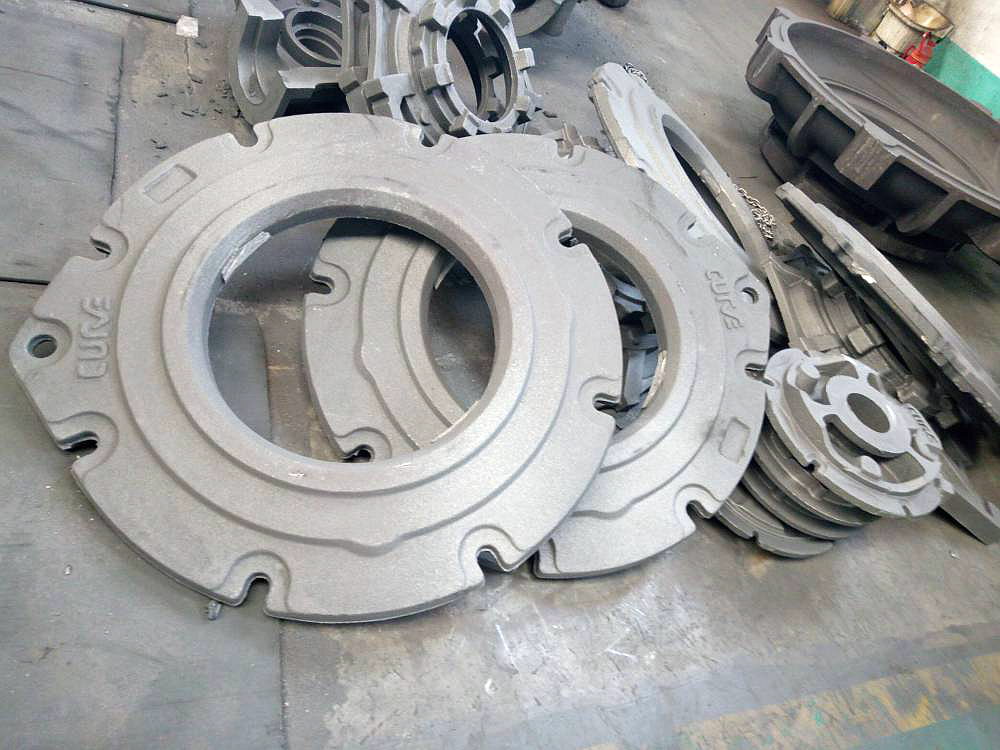
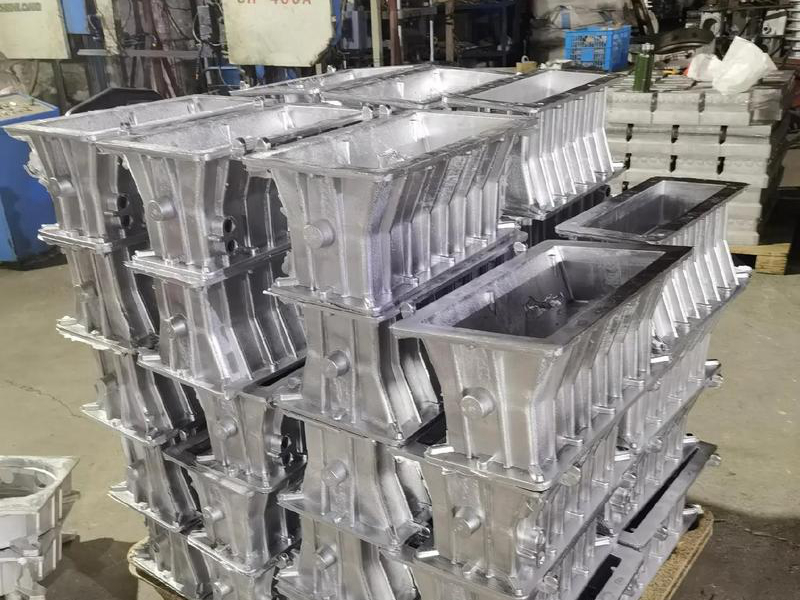
Sand casting suits small-batch manufacturing when a reusable or rapidly made pattern spreads modest tooling cost across a limited demand and near-net casting avoids excessive machining or fabrication. Consumable molds support large shapes, cores and many foundry alloys without a permanent production die. The route is not ideal by definition: mold labor, core complexity, minimum melt, accepted yield, machining and inspection must still produce a competitive delivered-part cost.
Small Batch Is a Demand Pattern
Define committed quantity, likely cumulative demand, variants, release cadence and revision outlook. A service spare ordered intermittently differs from a pilot lot followed by stable production. Several part numbers that share a family resemblance may still need separate patterns, cores and inspections.
Do not use a universal quantity bracket. Compare the current order and credible cumulative scenarios. If demand or required rate grows, review permanent mold, die casting or another route. If revisions remain likely, flexible sand equipment may keep its economic value longer.
Where Sand Casting Can Save Cost
| Program condition | Potential sand-casting value | Cost risk to verify |
|---|---|---|
| Large near-net metal body | Less billet removal or fabrication | Metal yield, feeding and machining stock |
| Internal castable passage | Sand core forms enclosed volume | Core labor, cleaning and inspection |
| Uncertain revision | Pattern or printed-sand data can change | Obsolete tooling and work in process |
| Special foundry alloy | Access without permanent die | Minimum melt, heat treatment and records |
| Recurring limited releases | Reusable pattern/fixture can spread setup | Storage, wear and capacity between lots |
Tooling Must Fit the Demand
A disposable printed or quickly machined pattern may fit a development order. A durable pattern and core boxes may lower recurring labor when geometry is stable. Directly printed sand can remove physical pattern investment but adds print cost for every mold. Quote these routes against the same demand scenarios.
Define ownership, source data, expected mold count, maintenance and storage. Low initial price is not a saving if the pattern degrades before the order is complete. Conversely, durable tooling may be wasted if the design changes after one test.
Near-Net Shape Must Reduce Final Work
Sand casting creates an approximate envelope and can form internal cavities. It saves cost only if the delivered blank leaves manageable cleaning and machining. Mark nonfunctional surfaces that may remain as cast. Machine sealing faces, bearing bores, threads and datums only where the drawing requires them.
Allowance, rough datums and fixture access must be planned before pattern release. Too little stock causes incomplete cleanup; too much adds cutting and distortion. A first-pour blank check can prevent machining an already unusable casting.
Accepted Yield Controls Unit Economics
Gates and risers increase poured mass, and rejected pieces reduce accepted output. Complex cores, thin fill paths and heavy junctions can increase first-pour risk. Ask how repours and destructive specimens are handled commercially. Compare accepted quantity rather than nominal pour quantity.
Prototype yield does not establish repeat yield. Freeze successful pattern compensation, cores, gating, heat treatment and machining in a traveler. Collect evidence across repeat molds and pours appropriate to the risk before claiming a stable small-batch process.
Design Changes Are Possible, Not Free
Sand tooling may be easier to revise than a hardened production die, but a change can still affect patterns, core boxes, fixtures, inspection programs, inventory and material evidence. Use revision control and obtain price/schedule disposition before releasing changed data.
Identify an approval point after DFM and another after the first pour. Decide which deviations are prototype-only and which corrections must enter repeat production. This protects the economic advantage from uncontrolled iteration.
Repeat Releases Need Production Controls
Small batches still need a controlled restart. Retain the approved pattern and core revision, gating and risering route, heat-treatment condition, machining setup and inspection method. Before each release, confirm asset condition, alloy availability, outside-process capacity and whether the drawing has changed since the last accepted lot.
Intermittent orders can lose their apparent saving when every release is treated as a fresh prototype. Agree which setup and first-piece activities recur, how long tooling is stored, who pays for repair, and what evidence is repeated after a long gap. A stable traveler and dated change review turn flexible sand equipment into repeat supply rather than repeated development.
Normalize the Route Comparison
Compare sand casting with CNC machining, additive manufacturing, fabrication and permanent tooling at the same alloy intent, final dimensions, heat treatment, finish, inspection and destination. CNC may win for a simple low-removal part. Additive may win for a compact internal network. Sand casting may win for a bulky foundry-alloy blank or repeated cored shape.
The short-run route comparison should use supplier quotations, not generic process rankings. Recalculate when quantity, revision or delivered state changes.
Small-Batch Release Checklist
Send CAD, drawing, exact alloy/condition, committed and forecast demand, lot cadence, critical sections, datums, machining, heat treatment, finish, tests, reports, packaging and destination. Ask for pattern/core route, accepted quantity, first-pour plan, outsourced stages, tooling ownership, change terms and repour assumptions.
Use the low-volume manufacturing review to verify capacity and repeat terms. Sand casting is a strong small-batch option when modest equipment, near-net shape and controlled repeat work lower total accepted-part cost for the actual program.