How Do Custom Sand Castings Move From Raw Castings to Finished Parts?
How Do Custom Sand Castings Move From Raw Castings to Finished Parts?
Custom sand castings move from raw castings to finished parts through casting cleanup, riser and gate removal, heat treatment if required, CNC post-machining, surface finishing, inspection and packaging. Buyers should define at the RFQ stage whether they need raw castings, machined castings or finished parts ready for assembly.
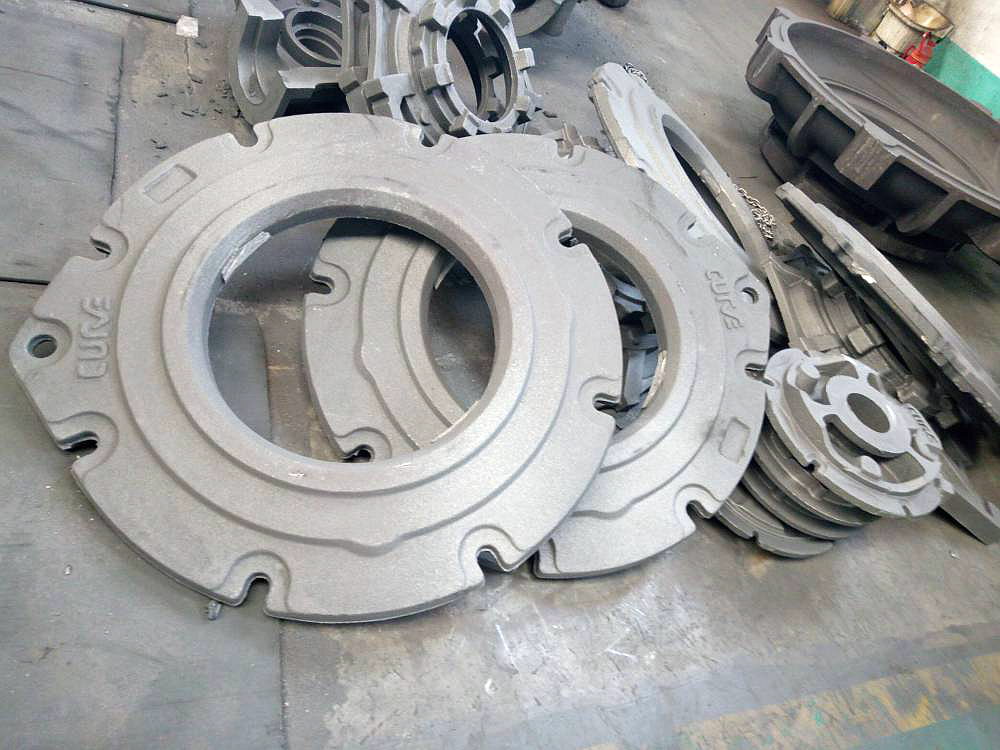
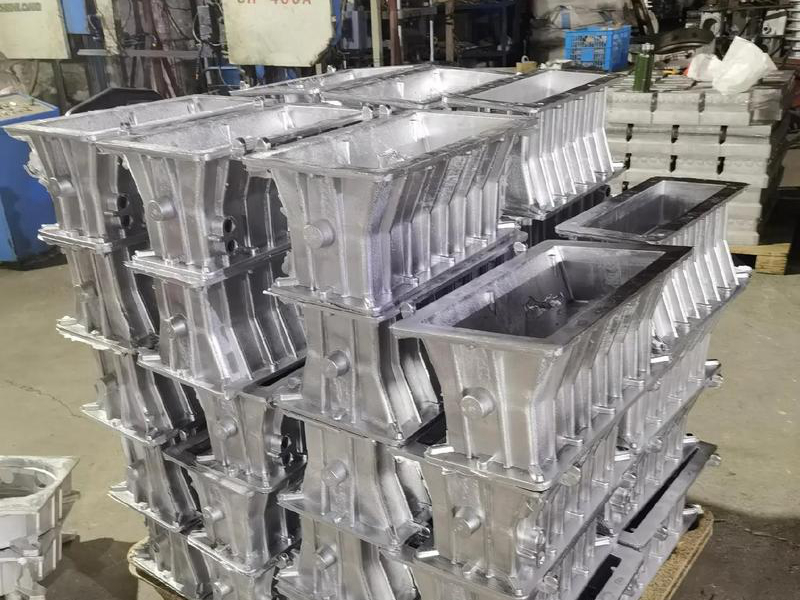
This distinction is critical. A raw casting may only include pouring, shakeout, basic cleaning and removal of gating. A finished casting may include machined holes, threads, sealing faces, bearing bores, blasted surface texture, paint or coating, dimensional inspection and protected packaging. The supplier quote should match the actual deliverable, otherwise the buyer may receive parts that still require major work.
Many custom sand castings are not useful until key functional areas are machined. Sand casting can form the main shape efficiently, but features that control assembly, sealing, movement or fastening usually need secondary machining. The buyer should define these features before pattern work so the casting leaves enough stock.
For finishing and machining scope, buyers can compare post-CNC machining services for castings and post-processing and finishing options for die-cast parts.
Raw Casting vs Finished Casting
Deliverable Type | Usually Included | Buyer Risk if Misunderstood |
|---|---|---|
Raw sand casting | Cast shape, shakeout, gate removal and basic cleaning | Buyer still needs machining, finishing and inspection elsewhere |
Cleaned casting | Raw casting plus blasting or surface cleanup | May still lack functional dimensions for assembly |
Machined casting | CNC-machined holes, faces, bores, threads and datum surfaces | Quote must include machining allowance and fixture strategy |
Finished casting | Machining, finish, inspection and packaging | Requires clear cosmetic, dimensional and protection standards |
Assembly-ready component | Finished casting with inserts, hardware or final checks if required | Needs stronger documentation and process control |
The first transition step is cleanup. Gates, risers and flash must be removed without damaging functional surfaces. The supplier should place risers and parting lines away from sealing faces, visible cosmetic areas and datum surfaces where possible. If this is not reviewed before pattern work, cleanup marks may appear in unacceptable locations.
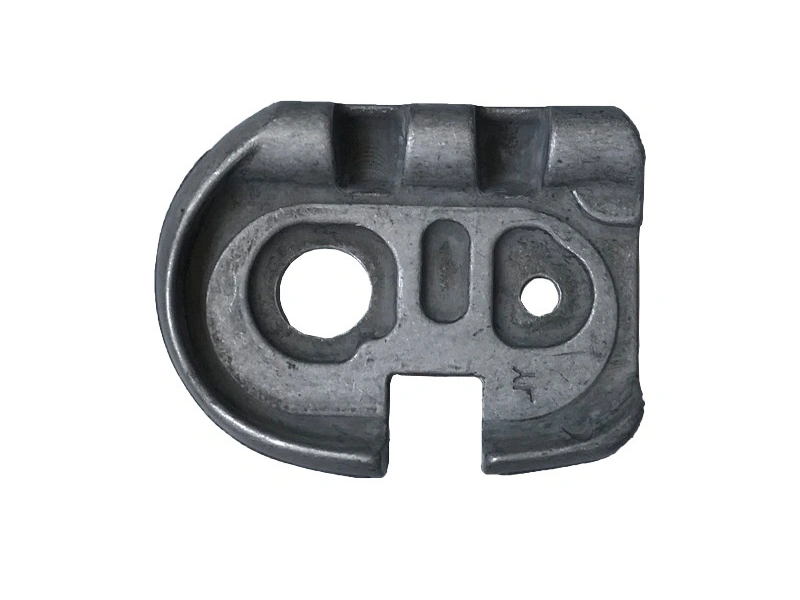
The second transition step is machining. CNC post-machining may be required for mounting holes, threaded holes, gasket faces, bearing seats, locating bosses and inspection datums. Buyers should avoid machining every surface by default. Non-functional surfaces can often remain as-cast or blasted, while critical features receive controlled machining.
Heat treatment may be another transition step depending on material. A356-T6 aluminum may require heat treatment to reach the intended mechanical properties. Some iron or steel castings may require stress relief or other treatment depending on performance requirements. Heat treatment can change dimensions, so critical machining may need to happen after heat treatment or be planned with that movement in mind.
Inspection Before Finished-Part Approval
Finished custom sand castings should be inspected according to their function. A pump body may need a leak test and sealing face flatness check. A bracket may need mounting hole position and surface protection review. A housing may need threaded hole inspection, machined datum checks and coating adhesion or appearance review.
Inspection should happen after the processes that affect the feature. A hole should be inspected after machining, not only after casting. A coated part should be checked after coating and masking, not only before finishing. A sealing face should be checked after final machining and cleaning. This sequence prevents parts from passing early checks but failing after downstream work.
How Buyers Should Define the Delivery Condition
Buyers should define the delivery condition in the RFQ and purchase order. Useful wording can specify whether the supplier should deliver raw castings, cleaned castings, machined castings, painted castings or finished assembly-ready parts. The buyer should also state whether burrs, sharp edges, threaded holes, plugs, inserts, coating masks or protective packaging are required.
This definition matters for supplier responsibility. If the supplier is responsible only for raw castings, later machining problems may become the buyer's problem. If the supplier is responsible for finished parts, they must control casting stock, machining references, finish protection and final inspection. For custom industrial parts, the finished-part route often reduces coordination risk even if the first quote looks more detailed.
Finished-part responsibility also affects revision control. If a machined hole moves, the supplier must know whether the cause is casting variation, fixture setup, machining program, drawing revision or inspection method. Without one supplier coordinating the full route, each process owner may blame the previous step. Buyers can reduce this risk by defining the final acceptance condition and asking for a process record that connects raw casting approval to final inspection.
Neway can support custom sand castings as finished parts by linking casting, post machining, surface finishing and inspection. This helps buyers avoid a fragmented supply chain where one supplier provides a raw casting and another supplier discovers missing stock, unclear datums or surface defects later.
The result is a clearer acceptance standard and fewer surprises when the part reaches assembly.
It also helps purchasing compare quotes on the same delivery condition.